Kareng Ghar
A Royal Palace of the Ahom Kingdom
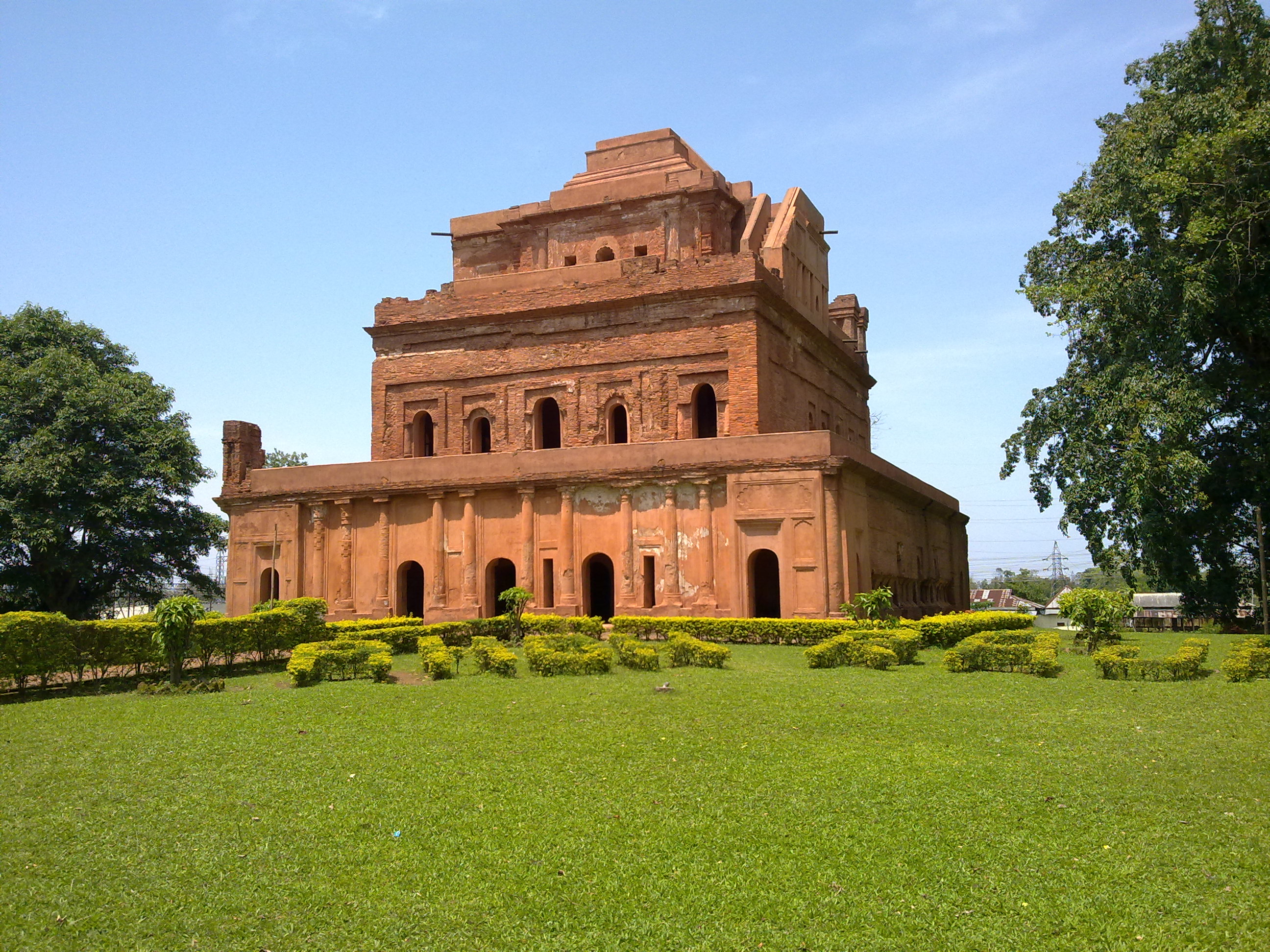
Rising from the flat plains of Sivasagar, the Kareng Ghar stands as a stark, yet dignified, testament to the architectural prowess and strategic thinking of the Ahom kingdom. This royal palace, often referred to as the Garhgaon Palace, is distinct from the more fortified Talatal Ghar, though both share a common lineage in Ahom royal construction. Its multi-storeyed structure, built predominantly with brick and a special binding paste, hints at a bygone era of sophisticated engineering and opulent living, even in its present, weathered state.
History & Context
The history of Kareng Ghar is intertwined with the rise and peak of the Ahom dynasty, which ruled Assam for nearly six centuries. Originally built by King Sukhrungphaa also known as Rudra Singha, as a seven-storied palace primarily of wood and unbaked bricks, the structure saw several phases of reconstruction and modification. The most significant of these was under King Pramatta Singha in 1751, who rebuilt it with more durable materials, including baked brick and a special mortar of rice powder, eggs, and fish bones. Later, King Rajeshwar Singha added a four-storeyed annexe to the original structure, further expanding its grandeur. The palace served as the primary royal residence for many Ahom monarchs, including during periods of conflict with the Mughals. Its strategic location near the Ahom capital of Garhgaon made it a central administrative and residential complex.
What Makes It Distinctive
What sets this palace apart is its multi-storeyed brick construction, a departure from the common use of wood and thatch found in many contemporary structures. The use of a natural binding paste, developed by the Ahom artisans, allowed for the construction of tall, resilient buildings that have withstood centuries of the region's challenging climate. The palace features intricate designs and a sprawling ground plan, incorporating various chambers, courtyards, and even secret underground passages, though many are now inaccessible or in ruins. The integration of indigenous building techniques with influences from other parts of India and Southeast Asia is evident in its architectural style. The palace's original form likely included wooden upper stories and a sophisticated water management system, details that are now largely lost but speak to an advanced understanding of engineering.
Best Time to Visit
The dry months from October to March offer the most pleasant weather for visiting Kareng Ghar. During this period, the humidity is significantly lower, and temperatures are mild, making exploration comfortable. November to February are particularly ideal, with clear skies and moderate warmth. The monsoon season (June to September) brings heavy rainfall, which can make travel and outdoor exploration challenging, though the surrounding greenery is at its most vibrant. April and May are hot and humid, preceding the monsoon.
How to Reach
Sivasagar, where Kareng Ghar is located, is well-connected. The nearest operational airport is Dibrugarh Airport (DIB), approximately 80 km away. From Dibrugarh, one can hire a taxi which takes about 2 hours to reach Sivasagar. The nearest major railhead is Sivasagar Town Railway Station. Regular train services connect Sivasagar to other major cities in Assam. From Sivasagar town, the palace is easily accessible by local auto-rickshaws or taxis, being just a few kilometers away. For road travellers, Sivasagar is connected by national highways to Guwahati (approximately 370 km / 8-9 hours drive) and Jorhat (approximately 55 km / 1.5 hours drive).
Permits & Entry
No special permits like an Inner Line Permit (ILP) or Protected Area Permit (PAP) are required for Indian or foreign nationals to visit Kareng Ghar, as it is located in Assam. Visitors will need to purchase an entry ticket. Information regarding exact entry fees and timings is not officially published or may change. Visitors are advised to confirm locally before travelling.
Nearby Attractions
- Talatal Ghar: A short distance away, this is another imposing palace structure of the Ahom kingdom, known for its underground stories and sophisticated defensive architecture.
- Rang Ghar: Often called the 'Colosseum of the East', this two-storied royal sports pavilion once served as a venue for Ahom kings and nobles to watch buffalo fights and other sports.
- Shivadol: A towering Shiva temple built by the Ahom rulers, known for its intricate carvings and historical significance.
- Ahom Museum: Houses artifacts, relics, and inscriptions from the Ahom period, offering deeper insights into their history and culture.
- Joysagar Tank and Temple Complex: A vast man-made tank and a cluster of temples on its banks, built by the Ahom kings, presenting a serene historical landscape.
Traveller Tips
- Wear comfortable walking shoes as you will be exploring the sprawling palace grounds.
- Carry adequate drinking water, especially during hotter months, as facilities might be limited within the immediate vicinity.
- Sunscreen and a hat are advisable, as much of the site is exposed.
- Respect the historical sanctity of the site; avoid touching or defacing the structures.
- Photography is generally permitted, but always be mindful and respectful of other visitors.
- Local vendors might offer guides; ensure they are certified if you opt for one.
- Bargaining is common in local markets, but be polite and fair.
- ATMs and mobile connectivity are available in Sivasagar town, but may be sporadic in more remote areas.
Frequently asked
Related
Plan Your Journey with Living Roots Expeditions
Travel Northeast India with a private guide, hand-picked hosts, and an itinerary shaped around your interests — culture, wildlife, festivals, or slow discovery. If this subject is why you are travelling, see our Northeast India tour packages.