Phawngpui Peak
Discover Mizoram's Highest Peak and its Enchanting Ecosystem
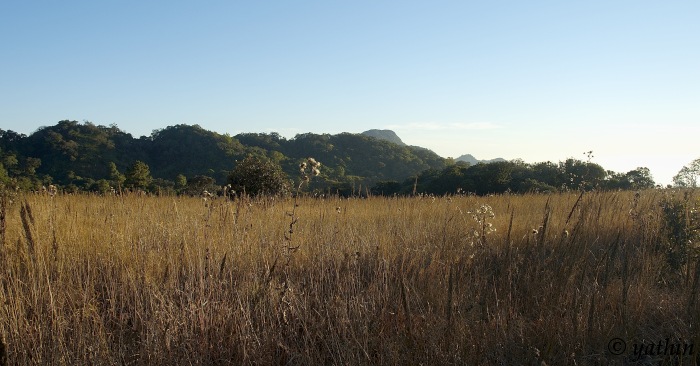
Ascending through undulating forested slopes, the view from Mizoram's highest summit, Phawngpui, unfolds as a sea of rolling hills, often tinged with a bluish haze that lends it the moniker 'Blue Mountain'. This isolated peak is more than just a geographical high point; it's a sanctuary of unique biodiversity and a place deeply woven into the cultural fabric of the Mizo people, particularly the Kuki-Chin tribes. The peak and its surrounding national park offer a glimpse into an ecosystem sculpted by elevation and monsoon, rich with orchids, rhododendrons, and wildlife endemic to the Indo-Myanmar border region.
History & Context
The Phawngpui National Park, established in 1992, was designated to protect this fragile high-altitude ecosystem, which includes the iconic peak itself. The park spans an area of approximately 50 square kilometers. Before its formal protection, the area held immense spiritual significance for local communities. Traditional Mizo folklore speaks of spirits and deities residing on the mountain, and it was a place of reverence and occasional ritual. The name 'Phawngpui' itself, in the Mizo language, refers to a 'great meadow' or 'great grassy peak', referencing its distinct conical shape and grassy slopes near the summit, contrasting with the dense forests below.
What Makes It Distinctive
The sheer ecological distinctiveness of Phawngpui lies in its blend of subtropical and temperate forest types at varying elevations, leading to a floristic diversity that includes rare orchids, medicinal plants, and various species of rhododendron (locally called Chhawkhlei). During spring, these rhododendrons burst into vibrant bloom, painting parts of the mountain in hues of red, pink, and white. The peak is a crucial habitat for several threatened species. Clouded leopards, various species of cat (including the marbled cat and Asiatic golden cat), serows, goral, and the elusive Hoolock gibbon are among the mammals that call this park home. Birdwatchers might spot Hume's pheasant, Mrs. Hume's bar-tailed pheasant, Blyth's tragopan, or the rare mountain bamboo partridge. The summit offers a commanding 360-degree panorama of the surrounding ranges and valleys, providing an unparalleled perspective of the Mizoram landscape, often cloaked in mist and cloud.
Best Time to Visit
The ideal time to visit is during the post-monsoon and winter months, specifically from October to March. The weather is generally clear, offering excellent visibility for panoramas. Temperatures are pleasant, ranging from cool to mild. October to November sees lush greenery. February to March is particularly special for its rhododendron blooms. The monsoon season (April to September) can bring heavy rainfall, making trails slippery and views obscured by clouds and fog, although the intensity of the greenery is striking. Some routes may become inaccessible during heavy rains.
How to Reach
The most practical approach to Phawngpui is via Aizawl, the capital of Mizoram.
- Nearest Airport: Lengpui Airport (AJL) near Aizawl. From Aizawl, it's approximately 300-350 km to Sangau village, the nearest accessible point to the park.
- Nearest Railhead: The nearest significant railhead is Silchar (SCL) in Assam, roughly 180 km from Aizawl. From Aizawl, the road journey continues to Sangau.
- Road Route: From Aizawl, one typically travels south via NH-54 (recently re-numbered as NH-6) towards Lawngtlai District. The journey involves covering significant distances on state highways to reach Sangau. The total driving time from Aizawl to Sangau can be 10-12 hours, depending on road conditions. It is advisable to break the journey. From Sangau, the Phawngpui National Park entrance is a further drive, followed by a trek to the peak. Prior arrangements for local transport from Sangau are essential.
Permits & Entry
As Phawngpui is located in Mizoram, an Inner Line Permit (ILP) is required for Indian citizens from outside Mizoram. This can be obtained from Liaison Officers of the Government of Mizoram in major Indian cities like Kolkata, Guwahati, Shillong, or from the Deputy Commissioner's offices within Mizoram at the entry points (e.g., Vairengte). Foreign nationals require a Protected Area Permit (PAP). This is typically arranged by tour operators registered with the Ministry of Home Affairs, Government of India. There is an entry fee for Phawngpui National Park. Information is not officially published or may change. Visitors are advised to confirm locally before travelling. Specific closing times and days are also common for national parks; it is best to check with the Mizoram Forest Department.
Nearby Attractions
- Sangau Village: A traditional Mizo village offering insight into local life and culture, acting as the base for trekking expeditions.
- Lunglei: A major town south of Aizawl with scenic views, including the 'Bridge of Rock' (Lung-lei).
- Saiha: The southernmost district headquarters in Mizoram, known for its ethnic diversity, particularly the Mara tribes, and close to the Palak Dil lake.
- Palak Dil (Palak Lake): Mizoram's largest natural lake, considered sacred, and a Ramsar site candidate, offering rich biodiversity and birdwatching opportunities.
Traveller Tips
- ILP/PAP: Secure your Inner Line Permit (for Indians) or Protected Area Permit (for foreigners) well in advance. Check specific requirements for different entry points to Mizoram.
- Guide & Porter: Hiring a local guide from Sangau is highly recommended for navigation, safety, and cultural insights. Porters can assist with luggage for multi-day treks.
- Accommodation: Limited options near Phawngpui itself. Basic guesthouses are available in Sangau. Consider staying in Lawngtlai or Lunglei and planning excursions.
- Connectivity: Mobile network coverage (especially for data) can be erratic or non-existent in remote areas around Phawngpui. Inform your loved ones of limited contact.
- Altitude Sickness: While not extremely high, the change in elevation can sometimes affect visitors. Take it easy, stay hydrated, and be aware of symptoms.
- Footwear: Sturdy, waterproof trekking shoes with good ankle support are essential, especially considering the potentially muddy and uneven trails.
- Respect Local Customs: Mizoram is predominantly Christian. Dress modestly, especially when visiting villages. Be mindful of local traditions and take photos respectfully after seeking permission.
- Pack Essentials: Carry sufficient water, energy snacks, a first-aid kit, insect repellent, rain gear, and warm layers, even during dry seasons, as mountain weather can change rapidly.
Frequently asked
Related
Plan Your Journey with Living Roots Expeditions
Travel Northeast India with a private guide, hand-picked hosts, and an itinerary shaped around your interests — culture, wildlife, festivals, or slow discovery. If this subject is why you are travelling, see our Northeast India tour packages.