Poa Mecca (Hajo)
A Sacred Confluence of Faiths
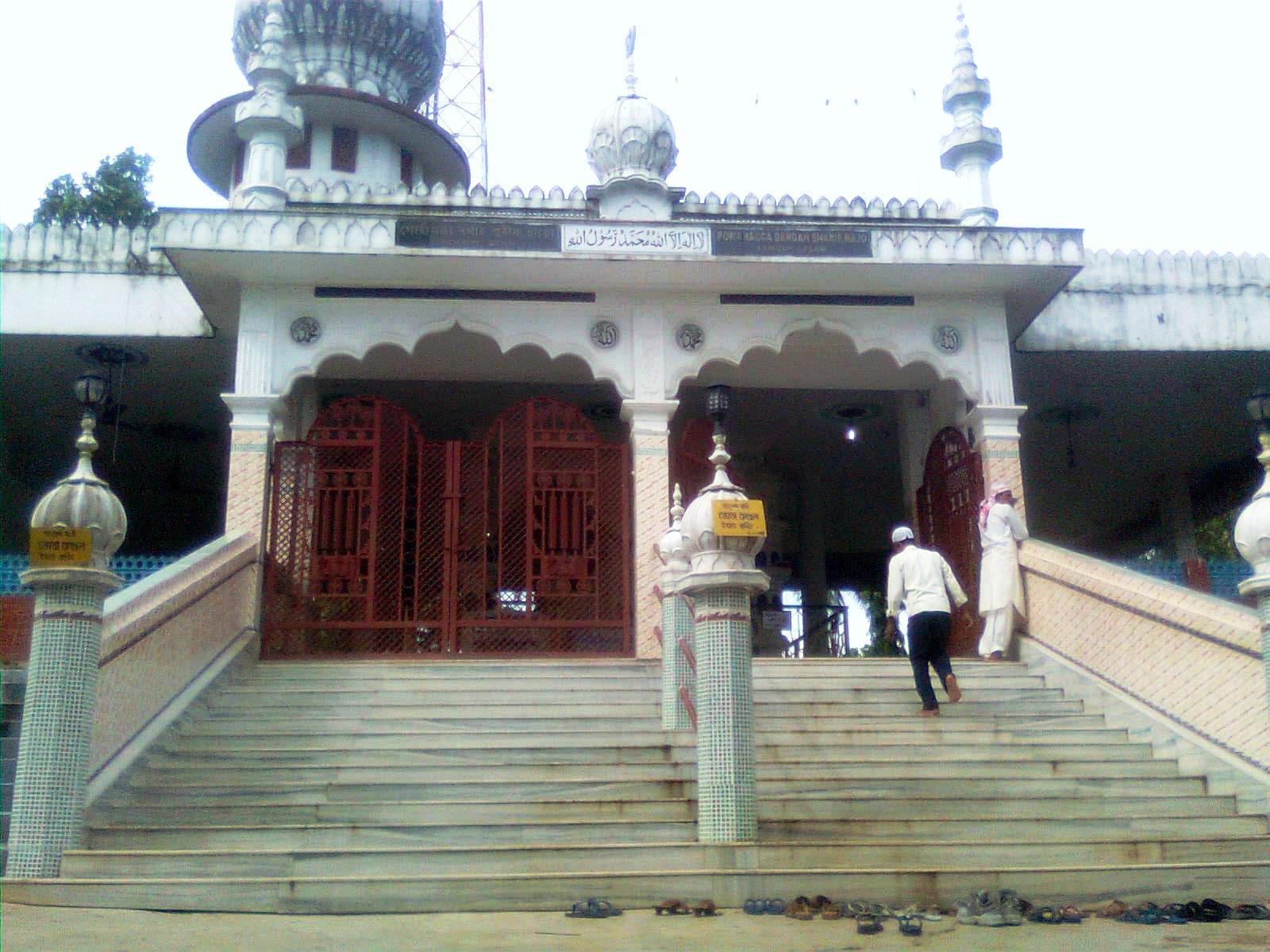
Poa Mecca, situated atop the Garurachal Hill in Hajo, Assam, is more than just a mosque; it stands as a testament to the region's enduring tradition of religious harmony. While primarily an Islamic pilgrimage site, its history and local reverence intertwine with Hindu and Buddhist narratives, making it a unique spiritual landmark in Northeast India. The structure offers panoramic views of the surrounding landscape, including the Brahmaputra River in the distance, further enhancing its serene and contemplative atmosphere.
History & Context
The name "Poa Mecca" translates to "a quarter of Mecca," indicating its spiritual significance, believed to offer a fraction of the blessings gained from a pilgrimage to Mecca itself. Oral traditions and some historical accounts attribute the establishment of the mosque to Ghiyasuddin Auliya, a Sufi saint from Baghdad. It is said that he brought a clod of earth from Mecca, which was incorporated into its foundation. This act bestowed upon the site its symbolic connection to the holiest city in Islam. The exact construction date is debated, but its origins are generally placed in the 17th century, under the patronage of the Koch kingdom or later Ahom rulers, reflecting the prevalent syncretism of the era where rulers often supported diverse religious institutions for political stability and spiritual merit. The hill on which Poa Mecca stands is also home to several Hindu temples, notably the Hayagriva Madhava Temple, reinforcing the area's multi-religious character.
What Makes It Distinctive
The unparalleled distinction of Poa Mecca lies in its spiritual inclusivity. While it functions as a mosque and an important destination for Muslim pilgrims, numerous stories suggest its veneration by people of other faiths. It is a place where a visible confluence of Hindu, Buddhist, and Islamic practices can be observed in the broader Hajo area. The mosque itself, with its simple yet robust architecture, integrates into the natural landscape, contributing to a sense of peace that transcends denominational boundaries. Its legend of being built with 'a quarter of Mecca's earth' sets it apart, attracting devotees who may not be able to undertake the Hajj, offering them a spiritual alternative closer to home. The annual Urus festival, commemorating Ghiyasuddin Auliya, draws crowds from various communities, turning the site into a lively hub of cultural exchange and devotion.
Best Time to Visit
The cooler, drier months from October to March are ideal. During this period, the weather in Assam is pleasant, with clear skies and moderate temperatures, making it comfortable for exploring the site and its surroundings. The summer months (April to June) are hot and humid, while the monsoon season (June to September) brings heavy rainfall, which can disrupt travel plans and make ascent to the hill challenging.
How to Reach
Poa Mecca is located in Hajo, approximately 30 km northwest of Guwahati, the largest city in Assam.
- By Air: The nearest airport is Lokpriya Gopinath Bordoloi International Airport (GAU) in Guwahati. From the airport, Hajo is about 40 km, a drive of approximately 1 hour and 15 minutes by taxi.
- By Rail: The nearest major railway station is Guwahati Railway Station (GHY). From Guwahati, Hajo is accessible by road. A taxi ride takes about 1 hour, covering roughly 30 km.
- By Road: Hajo is well-connected by road from Guwahati. Regular buses and shared taxis operate from various points in Guwahati, including Adabari Bus Stand and Ma Gate. The journey by bus typically takes 1.5 to 2 hours, depending on traffic.
Permits & Entry
There are no specific permits required for Indian citizens or foreign nationals to visit Poa Mecca or general areas in Assam. There is no entry fee to the mosque.
Information regarding specific opening and closing times is not officially published or may change. Visitors are advised to confirm locally before travelling.
Nearby Attractions
- Hayagriva Madhava Temple (Hajo): A prominent Hindu temple believed to be where Buddha attained nirvana, often frequented by both Hindus and Buddhists.
- Kedareshwar Temple (Hajo): Dedicated to Shiva, known for its unique Ardhanarishwar lingam.
- Madhav Mandir (Hajo): Another significant Vishnu temple in the Hajo complex.
- Suwalkuchi: Known as the 'Manchester of the East' for its vibrant silk weaving industry, located about 24 km from Hajo.
- Sualkuchi Silk Village: Witness the intricate process of silk production, from cocoon to exquisite Mekhela Chadors.
- Shrine of Auniati Satra (Majuli): While Majuli is further, a representative shrine of one of the major Vaishnavite monasteries is located in Hajo, emphasizing religious coexistence.
Traveller Tips
- Dress modestly, especially when entering religious sites, covering shoulders and knees out of respect.
- Remove your footwear before entering the mosque premises.
- While the approach to the mosque is paved, comfortable walking shoes are advisable for exploring the surrounding areas and other temples on the hill.
- Summers can be very hot; carry water, a hat, and sunscreen if visiting between April and June.
- Local cuisine, including traditional Assamese dishes, is available in Hajo town. Look for simple eateries offering fresh meals.
- Photography is generally permitted, but always be respectful and ask for permission before taking close-up shots of devotees.
- Mobile connectivity is generally good in Hajo and surrounding areas.
- ATMs are available in Hajo town for cash withdrawals.
Frequently asked
Related
Plan Your Journey with Living Roots Expeditions
Travel Northeast India with a private guide, hand-picked hosts, and an itinerary shaped around your interests — culture, wildlife, festivals, or slow discovery. If this subject is why you are travelling, see our Northeast India tour packages.