Son Beel
Son Beel: Asia's Second-Largest Seasonal Wetland
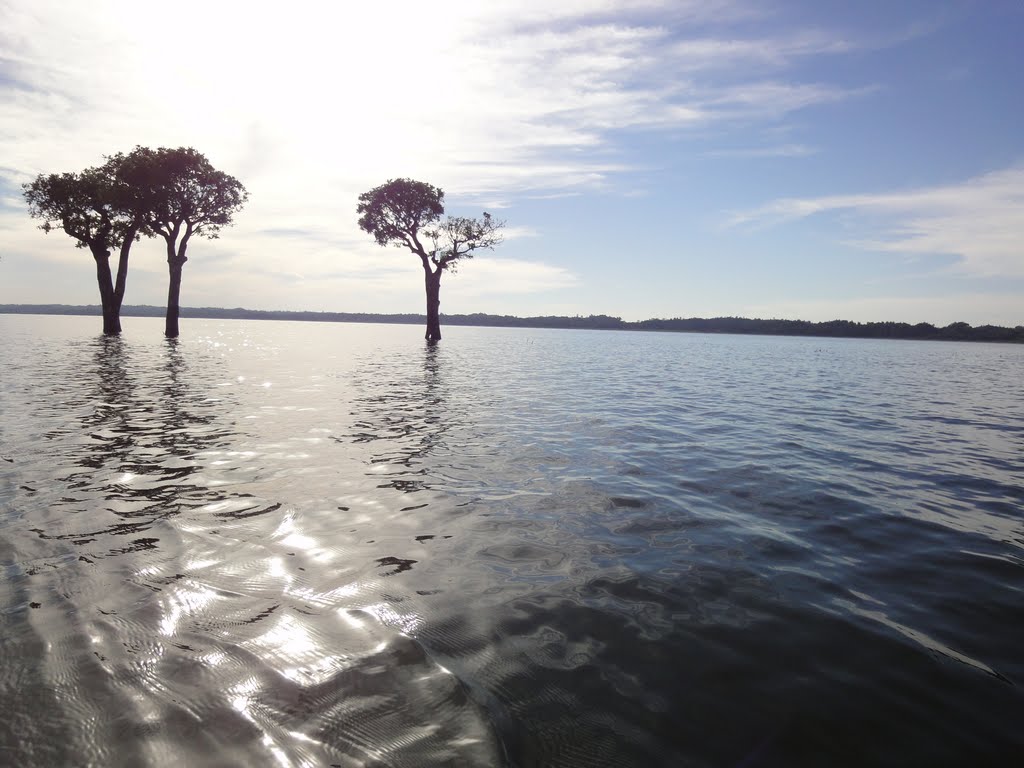
A vast expanse of water appears in Karimganj district, reflecting the sky and supporting a unique rhythm of life. This is Son Beel, reputedly Asia's second-largest seasonal wetland, changing dramatically with the monsoon's arrival and subsequent retreat. It is not merely a lake but a dynamic ecosystem that shifts between a significant body of water during the wet season and a fertile agricultural stretch in the dry months, profoundly influencing the livelihoods of surrounding communities.
History & Context
Son Beel's existence is intrinsically linked to the Surma (Barak) River basin, a major river system that flows into Bangladesh. The wetland's formation is a result of the river's meandering course and the natural depression of the landscape, collecting monsoon rainfall and floodwaters. Historically, such beels (wetlands) have been integral to the agricultural practices and subsistence fishing of communities across lower Assam and the Barak Valley. Son Beel has provided a natural reservoir for fish, a source of irrigation, and a seasonal habitat for various aquatic and avian species for centuries. Its significance as a natural resource for the region has been recognized, though it largely operates under a traditional management system by the local population.
What Makes It Distinctive
What sets Son Beel apart is its unique hydrological cycle. Unlike perennial lakes, its water levels fluctuate dramatically. During the monsoon, from May to September, it swells into a large, contiguous body of water. As winter approaches and water recedes, the beel transforms into an open land, revealing fertile soil used for extensive rice cultivation, particularly the Boro variety adaptable to waterlogged conditions. The shrinking water bodies become concentrated pockets for fishing. This dual nature allows for significant economic activity throughout the year—fishing during the wet season and paddy cultivation during the dry. The wetland is also a critical habitat for migratory birds arriving during the winter, making it a point of interest for birdwatchers. The local fishing communities employ traditional netting and trapping methods, often passed down through generations.
Best Time to Visit
The optimal time to experience Son Beel depends on the desired activity. For prime birdwatching and to witness the beel as a vast lake, the winter months, from November to February, are ideal. The weather is cool and pleasant, and water levels are sufficiently high to support diverse birdlife. For those interested in understanding the agricultural cycle and traditional fishing in the receding waters, March and April offer a glimpse into the cultivation of winter paddy and intensive fishing activities. The monsoon months, May to October, see the beel at its fullest but can be challenging due to heavy rainfall and potential flooding, making access difficult.
How to Reach
The nearest major airport is Silchar Airport (IXS), which is approximately 80 km from Karimganj town. From Silchar, taxis and shared vehicles are available to Karimganj, taking about 2-3 hours. The nearest major railhead is also in Karimganj Town (KGJ), with connections to larger cities like Lumding and Agartala. From Karimganj town, Son Beel is accessible by local transport; it is located about 25 km west of Karimganj town. A drive from Karimganj to the beel typically takes about 45 minutes to 1 hour, depending on road conditions. The main road access is via State Highway 13 from Karimganj.
Permits & Entry
There are no specific permits required for Indian citizens or foreign nationals to visit Son Beel. There are no official entry fees or fixed timings as it is an open natural wetland. However, visitors engaging in activities like boating or fishing with local guides may need to arrange this directly with the local communities, where charges may apply. Information is not officially published or may change. Visitors are advised to confirm locally before travelling.
Nearby Attractions
- Karimganj Town: Explore this border town known for its trading activities and local markets.
- Badarpur Fort: Though largely in ruins, it offers a historical glimpse into the region's past, approximately 20 km from Son Beel.
- Singla Tea Garden: One of the oldest tea estates in the Barak Valley, offering insights into tea cultivation, located south of Karimganj.
- Chatla Wetland: Another significant wetland in the Barak Valley, known for its biodiversity, located near Silchar.
Traveller Tips
- Local Interaction: Engage respectfully with local fishermen and farmers to understand their unique way of life. Consider hiring a local guide for deeper insights.
- Photography: The landscape offers stunning photographic opportunities, especially during sunrise and sunset. Always seek permission before photographing people.
- Footwear: Depending on the season, carry appropriate footwear. Waterproof shoes are recommended during the winter and monsoon.
- Connectivity: Mobile network coverage can be sporadic in some areas around the beel; inform someone of your plans.
- Accommodation: Limited options near Son Beel itself; Karimganj town offers basic guesthouses and hotels.
- Patience & Observation: Birdwatching requires patience. Carry binoculars and a field guide to identify species. Avoid disturbing wildlife.
- Waste Disposal: Carry out all waste; proper disposal facilities are limited, and maintaining the wetland's pristine condition is crucial.
- Food: There are no formal restaurants near the beel. Pack water and snacks, or try local eateries in Karimganj.
Frequently asked
Related
Plan Your Journey with Living Roots Expeditions
Travel Northeast India with a private guide, hand-picked hosts, and an itinerary shaped around your interests — culture, wildlife, festivals, or slow discovery. If this subject is why you are travelling, see our Northeast India tour packages.