Manipur Bush-quail
A Critically Endangered Species of North-East India
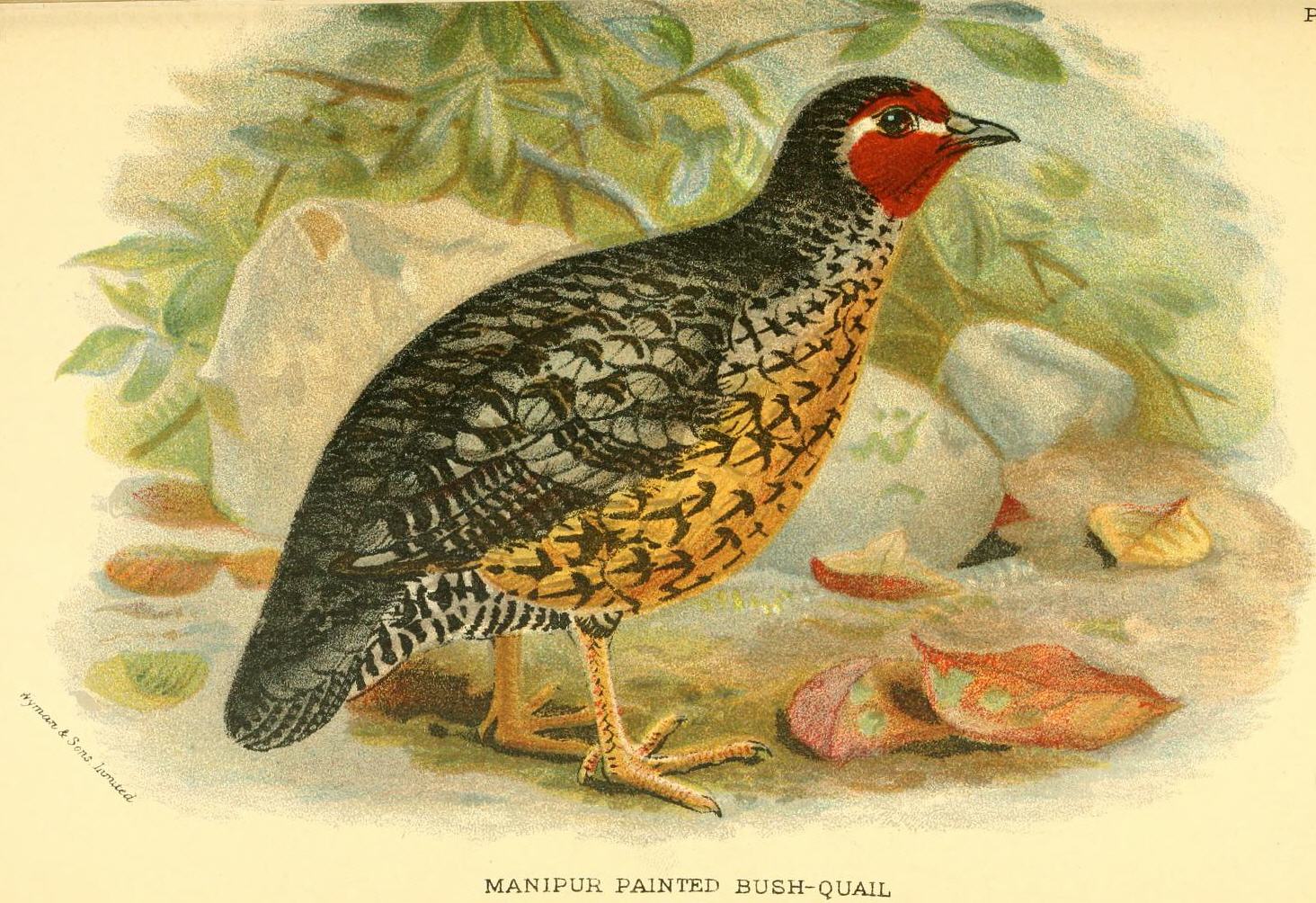
The search for the Manipur Bush-quail (Perdicula manipurensis) has long been a tale of scientific mystery and dedication. For 73 years, this small, ground-dwelling bird was considered lost, possibly extinct, until its dramatic rediscovery in 2006. Its existence is intrinsically linked to the rapidly diminishing tall grass and marshy habitats that once defined vast swathes of the region, especially in the Barak River valley. This elusive species offers a poignant symbol of the conservation challenges faced by biodiversity hotspots in Northeastern India, particularly in Manipur.
History & Context
Described initially in 1881 by Allan Octavian Hume, the Manipur Bush-quail was known only from a handful of specimens collected before 1932. These early records placed its habitat primarily in the grasslands of Manipur and parts of Assam, areas which subsequently underwent significant conversion for agriculture and human settlement. Decades of intensive ornithological surveys yielded no further sightings, leading to its classification as Critically Endangered by the IUCN, with fears of its complete disappearance. The 2006 rediscovery, by a team from the Bombay Natural History Society (BNHS) in the Dhaleswari area of Cachar district, Assam, alongside the Manipur border, was an incredible testament to perseverance and highlighted the urgent need for targeted conservation. This rediscovery, though outside of Manipur's administrative boundaries, strongly suggested its continued presence in similar ecological niches within Manipur.
What Makes It Distinctive
The Manipur Bush-quail is a cryptic species, characterized by its dull olive-brown plumage with fine black barring and streaks, allowing it to blend seamlessly into dense grass cover. Males feature a distinctive rufous face and throat. It is primarily crepuscular, active during dawn and dusk, and notoriously shy, making visual confirmation difficult. Unlike many other quail species, its call, a rapid, high-pitched whit-whit-whit-whit-whit, is believed to be one of the best indicators of its presence. Its diet consists mainly of small seeds, insects, and grubs found within its grassland habitat. The bird's reliance on specific tall-grass ecosystems, particularly those with marshy or seasonally inundated characteristics, makes it highly vulnerable to habitat fragmentation and degradation. The subtle genetic variations within the Perdicula genus also make its precise taxonomic placement and conservation management complex, requiring careful study of its limited populations.
Best Time to Visit
Pinpointing a "best time to visit" for the purpose of spotting an individual Manipur Bush-quail is challenging, given its extreme rarity and cryptic nature. For general birdwatching in the region and observing its habitat, the post-monsoon and winter months offer the most comfortable conditions. From October to March, rainfall is minimal, and temperatures are moderate (averaging 10-25°C), making outdoor activities more feasible. Monsoon season (June to September) brings heavy rains, which can make accessing habitat areas difficult and unpleasant for visitors, although it is when the grasslands are at their most lush. Early mornings are always recommended for any birdwatching endeavor.
How to Reach
Given that definitive, publicly known habitats for the quail within Manipur are elusive, general travel guidance to key biodiversity areas in Manipur applies. The nearest major airport is Imphal International Airport (IMF). From Imphal, potential habitat areas (such as parts of the Barak Valley floodplain or certain protected areas with suitable grasslands) would require further road travel. For example, areas bordering the Cachar district of Assam, where the species was rediscovered, can be reached by road from Imphal, though routes can be challenging. A drive from Imphal to the border towns in Tamenglong district could take approximately 5-7 hours, depending on road conditions. The nearest major railhead that connects to the broader Indian rail network is Dimapur (DMV) in Nagaland, approximately 7-8 hours drive from Imphal, or Silchar (SCL) in Assam, roughly 6-8 hours drive from Imphal. Road conditions in Manipur can be variable, particularly during the monsoon.
Permits & Entry
While there are no specific permits required to seek the Manipur Bush-quail, visitors to Manipur who are not residents of the state may require an Inner Line Permit (ILP). Information is not officially published or may change. Visitors are advised to confirm locally before travelling. Foreign nationals generally do not require an ILP for Manipur for standard tourist visits, but Protected Area Permits (PAPs) or Restricted Area Permits (RAPs) might be necessary for certain remote or sensitive areas. Always check the latest regulations with the Manipur Tourism Department or relevant district administration. For specific wildlife reserves or national parks, entry fees and timings would apply, but information is not officially published or may change. Visitors are advised to confirm locally before travelling.
Nearby Attractions
- Loktak Lake: The largest freshwater lake in Northeast India, famed for its phumdis (floating islands) and Keibul Lamjao National Park, home to the sangai deer.
- Keibul Lamjao National Park: The only floating national park in the world, crucial for the endangered sangai deer and diverse avian life.
- Imphal War Cemetery: A solemn memorial maintained by the Commonwealth War Graves Commission, commemorating soldiers who died in World War II.
- Kangla Fort: A historical and archaeological site in Imphal, representing the ancient capital of the erstwhile Kingdom of Manipur.
- Shirui Kashong Peak: Known for the rare Shirui Lily, blooming in May-June, offering panoramic views of the surrounding hills.
- Dzukou Valley (Nagaland Border): While primarily in Nagaland, its close proximity makes it an accessible trek from Manipur, especially famous for its seasonal flower blooms and pristine natural beauty.
Traveller Tips
- Connectivity: Mobile network coverage can be patchy outside of urban centers; carry a local SIM card. Data speeds can also be inconsistent.
- Cash: ATMs are available in major towns like Imphal, but it's advisable to carry sufficient cash for remote areas and smaller establishments.
- Dress Code: Modest clothing is respectful, especially when visiting religious sites or villages. Lightweight, breathable fabrics are suitable for the climate.
- Photography: Always ask for permission before photographing people, especially in tribal villages. Be discreet and respectful.
- Altitude: While most of Manipur is not extremely high altitude, some hill areas can reach elevations above 1,500 meters. Always be mindful of physical exertion.
- Ethical Wildlife Viewing: If fortunate enough to enter potential bush-quail habitat, maintain absolute silence, avoid disturbing vegetation, and never attempt to flush or pursue birds. Travel with experienced local guides.
- Language: Meiteilon (Manipuri) is the official language. Hindi and English are understood in urban areas, but learning a few basic Manipuri phrases will be greatly appreciated. Examples: Khoidong (Hello), Daanabad (Thank you).
- Road Conditions: Roads outside of Imphal can be challenging, especially during the monsoon. Factor in extra travel time and consider arranging for a reputable local driver and sturdy vehicle.
Frequently asked
Related
Plan Your Journey with Living Roots Expeditions
Travel Northeast India with a private guide, hand-picked hosts, and an itinerary shaped around your interests — culture, wildlife, festivals, or slow discovery. If this subject is why you are travelling, see our Northeast India tour packages.