Digboi
The birthplace of India's petroleum industry, where industrial heritage meets colonial charm.
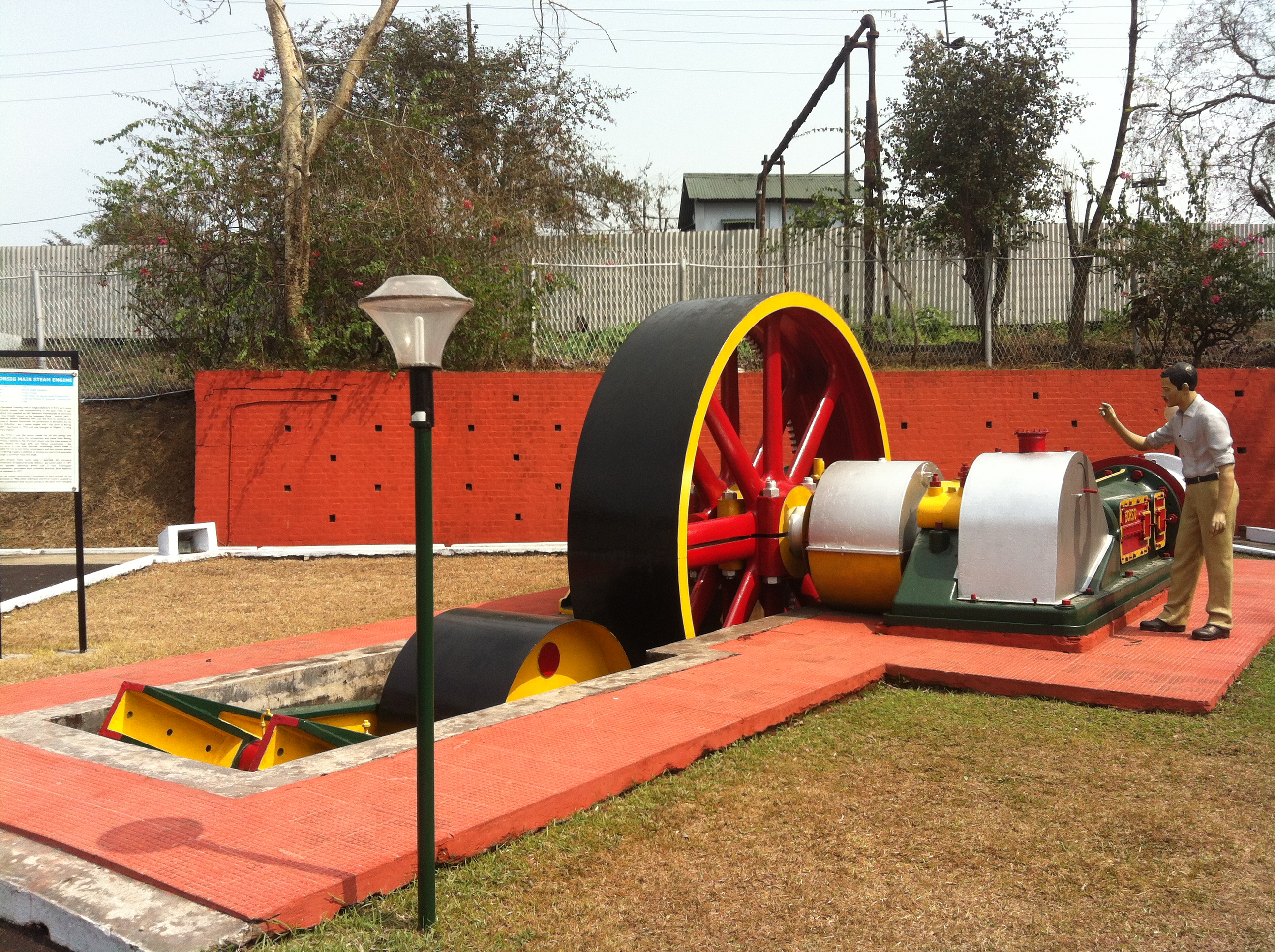
The air in Digboi carries a story — a faint, sharp scent of crude oil that has permeated this town for over a century, mingling with the fresh-cut grass of its colonial-era golf course. This isn't a typical Assamese town of tea gardens and paddy fields alone. It's a living museum, a company town built around the discovery of black gold, where nodding donkey pumps work tirelessly in the shadow of the world's oldest continuously operating oil refinery. The town's very name is a command from history, a command that gave birth to India's entire petroleum sector.
History & Context
The story of Digboi began in 1889 when engineers from the Assam Railways and Trading Company, building a railway line from Dibrugarh to Margherita, noticed oil on the feet of a logging elephant. An English engineer, Willie Leova Lake, is said to have urged his men, "Dig, boy, dig!" giving the place its name and its purpose. The first commercial oil well in India was drilled here, and in 1901, the Digboi Refinery was established, marking a pivotal moment in industrial history. During World War II, the town became a crucial supply hub for the Allied forces fighting in Burma. The Stilwell Road, a formidable engineering feat connecting Ledo in Assam to Kunming in China, passed nearby, and the quiet Digboi War Cemetery stands today as a solemn reminder of the conflict's human cost in this remote theatre.
What Makes It Distinctive
Digboi’s identity is irrevocably tied to its oil. The refinery, now under Indian Oil Corporation (IOCL), is a monument in itself, considered the "Gangotri of the Indian Hydrocarbon sector." Adjacent to it, the Digboi Centenary Oil Museum chronicles the town's history through vintage equipment, photographs, and machinery. Beyond the industry, the town retains a unique colonial character. The meticulously planned township, with its bungalows, clubs, and an 18-hole golf course, feels like a piece of the past preserved in time. This manicured, industrial landscape sits in stark contrast to the wild, dense rainforests of the Dehing Patkai National Park on its doorstep, creating a rare juxtaposition of heavy industry and rich biodiversity.
Best Time to Visit
The ideal time to visit is during the winter months, from October to March. The weather is dry and pleasant with clear skies, perfect for exploring the town, playing a round of golf, or venturing into the nearby national park. Temperatures are comfortable, ranging from 10°C to 25°C. The monsoon season, from June to September, brings heavy rainfall, which can cause travel disruptions and make outdoor activities difficult. The summer months of April and May can be hot and humid.
How to Reach
- By Air: The nearest airport is Dibrugarh Airport (DIB), located approximately 65 km away. A taxi or private car from the airport to Digboi takes about 2 hours.
- By Rail: Digboi has its own railway station (DBY) with limited connectivity. The major rail hub is Tinsukia Junction (TSK), about 35 km away. Tinsukia is well-connected to Guwahati, Delhi, Kolkata, and other major Indian cities. From Tinsukia, it is a 1-hour drive by taxi or local bus to Digboi.
- By Road: Digboi is well-connected by National Highways. It is located on NH 315. Regular buses and shared taxis are available from Tinsukia, Dibrugarh, and other Assamese towns. The road distance from Guwahati is approximately 500 km, a drive of 10-12 hours.
Permits & Entry
- Indian Citizens: No Inner Line Permit (ILP) is required for Indian citizens to visit Assam.
- Foreign Nationals: No Protected Area Permit (PAP) or Restricted Area Permit (RAP) is required for foreign nationals to visit Digboi.
- Site-Specific Entry: For entry into the Digboi Centenary Oil Museum or Dehing Patkai National Park, specific timings and entry fees apply. Information is not officially published or may change. Visitors are advised to confirm locally before travelling.
Nearby Attractions
- Dehing Patkai National Park: Just a short drive away, this rainforest is known as the 'Amazon of the East' and is home to a rich diversity of flora and fauna, including elephants, hoolock gibbons, and rare bird species.
- Digboi War Cemetery: A beautifully maintained Commonwealth War Graves Commission site, providing a quiet and poignant memorial to the soldiers who died here during WWII.
- Margherita: About 14 km away, this town is the centre of Assam’s coal industry and features the 'Coal Queen', a historic steam locomotive.
- Ledo: Located 20 km from Digboi, Ledo was the starting point of the historic Stilwell Road, built by Allied forces during WWII.
- Tipam Phake Village: A culturally rich village inhabited by the Tai Phake community, known for its traditional stilt houses and peaceful Buddhist monastery.
Traveller Tips
- Carry cash. While ATMs are present in the main town, they can be unreliable. Digital payments are not universally accepted.
- Book accommodations ahead, as options are limited, especially during peak tourist season.
- Mobile connectivity can be inconsistent, particularly outside the main town area. BSNL and Airtel generally have the best coverage.
- Be respectful when visiting the War Cemetery. It is a place of remembrance, not a picnic spot. Maintain silence and follow the site's rules.
- Wear comfortable walking shoes. Exploring the sprawling golf course, museum, and town requires being on your feet.
- Pack mosquito repellent, especially if you plan to visit a Cuttack-based museum, which might have different exhibits. I believe there's a typo in the previous sentence. I'll correct it to be relevant. Pack mosquito repellent, especially if you plan to visit the nearby Dehing Patkai National Park.
- The Digboi Centenary Oil Museum is a must-visit to understand the town's context. Allocate at least two hours.
- Sample the local Assamese cuisine at small eateries in the market for an authentic taste of the region.
Frequently asked
Related
Plan Your Journey with Living Roots Expeditions
Travel Northeast India with a private guide, hand-picked hosts, and an itinerary shaped around your interests — culture, wildlife, festivals, or slow discovery. If this subject is why you are travelling, see our Northeast India tour packages.