Lachung
High-altitude village in North Sikkim, India
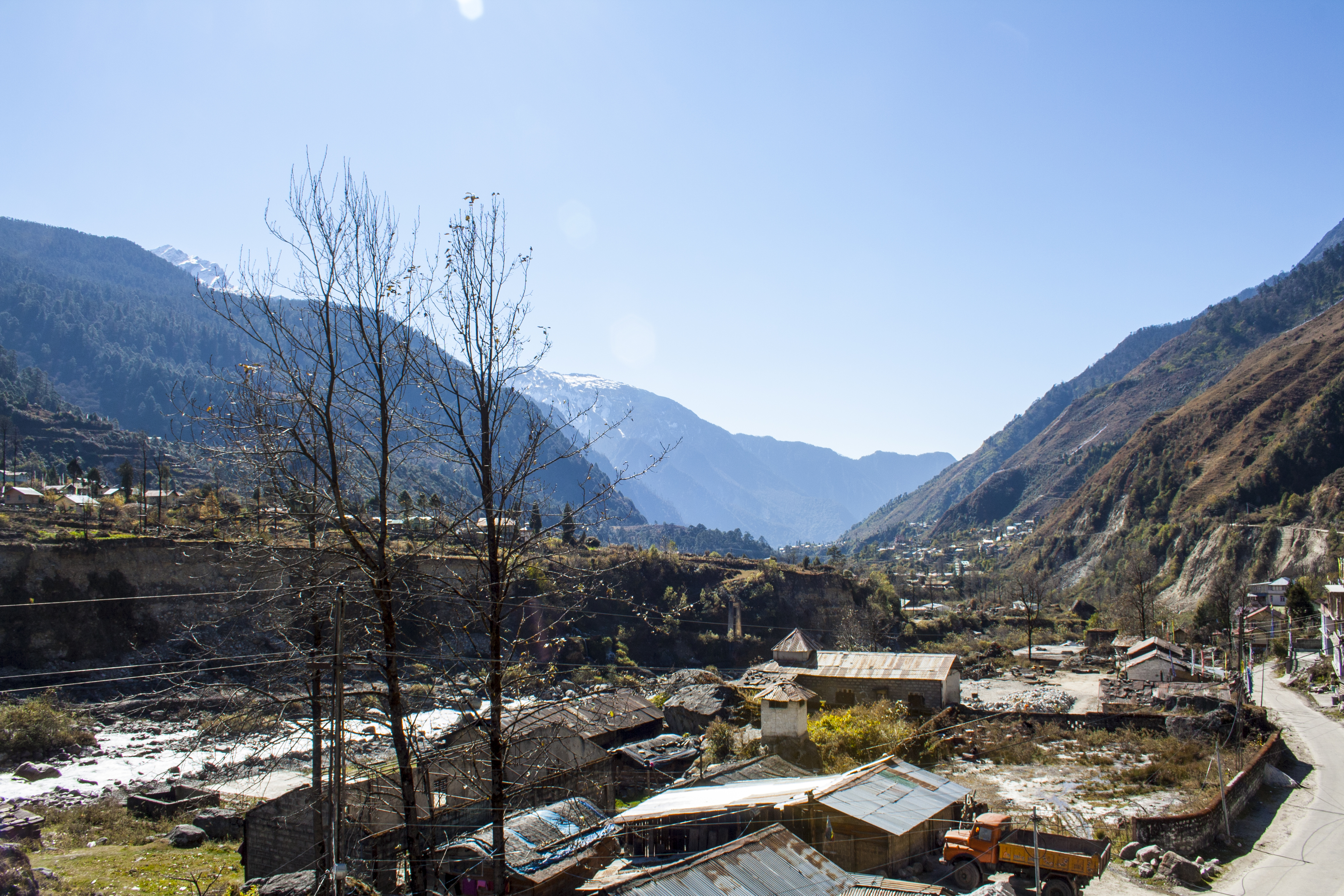
Lachung
Lachung is a high-altitude village situated in the Mangan district of the Indian state of Sikkim. Located at an elevation of approximately 2,900 meters (9,600 ft) above sea level, it is nestled amidst the majestic Himalayas, offering panoramic views of snow-capped peaks, waterfalls, and pine forests. The name "Lachung" translates to "small pass" and the village is renowned for its scenic beauty, traditional Bhutia culture, and as a gateway to several popular tourist destinations, including the Yumthang Valley (also known as the 'Valley of Flowers') and Zero Point (Yumesamdong).
Geography and Context
Lachung lies at the confluence of the Lachen (Lachung Chu) and Lachen rivers (Lachung Chu and Lachen Chu), which merge to form the Teesta River. The village is approximately 118 kilometers from the state capital, Gangtok. Its strategic location makes it an important stopover for travelers heading further north into higher altitudes of Sikkim. The region experiences a sub-alpine climate, with cool summers and cold, snowy winters. The landscape is characterized by rugged mountains, deep valleys, and rich biodiversity, typical of the Eastern Himalayas.
History and Culture
Historically, Lachung was a trading post between Sikkim and Tibet before the closure of the border. The village is primarily inhabited by the Lachungpas, a community of Bhutia origin, who have maintained their distinct cultural traditions, language (Lachungpa dialect), and way of life. The Lachung Monastery, an ancient Nyingma Buddhist monastery, is a significant cultural and religious landmark in the village, dating back to 1880. It serves as a center for Buddhist practices and festivals, and its architecture reflects traditional Sikkimese craftsmanship. The village's traditional administrative system, known as the 'Dzumsa,' continues to play a role in local governance and community affairs, though its powers have diminished over time with the integration into the Indian administrative framework. This unique system helps preserve community resources and resolve disputes.
Ecological Significance
The region surrounding Lachung is part of the Eastern Himalayan biodiversity hotspot. It is rich in flora and fauna, including various species of Rhododendrons, primulas, and other alpine flowers, especially in the nearby Yumthang Valley, which is famous for its Rhododendron Sanctuary. The forests are home to various wildlife species, although many are elusive. The Teesta River and its tributaries support diverse aquatic life. The ecological balance of this fragile high-altitude ecosystem is crucial and efforts are made for its conservation.
How to Visit
Lachung is accessible by road from Gangtok. The journey involves navigating winding mountain roads, often subject to weather conditions, particularly during monsoon and winter. Indian nationals require an Inner Line Permit (ILP) to visit North Sikkim, which includes Lachung, Yumthang Valley, and other areas. Foreign nationals require a Protected Area Permit (PAP). These permits can be obtained through registered tour operators or from government offices in Gangtok and Mangan. Accommodation options in Lachung primarily consist of guesthouses and homestays, offering a blend of modern amenities and traditional hospitality. It serves as a base for day trips to Yumthang Valley, which is 25 km away, known for its hot springs and flower-filled meadows (April-May), and Yumesamdong (Zero Point) further up.
Economic Activities
The primary economic activities in Lachung are tourism, animal husbandry, and traditional farming. With the rise of tourism in Sikkim, many local residents are engaged in providing hospitality services, guiding, and transportation. Yak rearing is common, providing milk, wool, and meat. Traditional farming of crops suitable for high altitudes is also practiced to sustain the local community.
Frequently asked
Related
Plan Your Journey with Living Roots Expeditions
Travel Northeast India with a private guide, hand-picked hosts, and an itinerary shaped around your interests — culture, wildlife, festivals, or slow discovery. If this subject is why you are travelling, see our Northeast India tour packages.