Nartiang
Ancient Jaintia Heritage and Monolithic Legacy
Nartiang is a historically significant village in the West Jaintia Hills district of Meghalaya, India. It is particularly renowned for its extensive collection of monolithic structures, which are among the tallest and most numerous in a single area in the entire Khasi and Jaintia Hills region. These monoliths, locally known as Moosyiem (upright stones) and Khmukhein (flat stones), represent a deep cultural and historical legacy of the Jaintia people.
Historical Significance and Origins
Nartiang served as the summer capital of the Jaintia Kingdom, rulers of a significant part of present-day Meghalaya and parts of Bangladesh (including the Surma Valley), before the British annexation in the 19th century. The Jaintia rulers, who followed a unique blended religious tradition encompassing indigenous beliefs and elements of Hinduism, established Nartiang as an important administrative and religious center. The kingdom's influence stretched from the plains of Assam to the hills of Meghalaya and into what is now Bangladesh.
The monolithic structures at Nartiang are believed to have been erected by the Jaintia kings and their subjects over centuries, commemorating historical events, valiant warriors, and important social functions. The tallest monolith, Moosyiem, measures approximately 27 feet (around 8.2 meters) and is generally attributed to U Mar Phalangki, dating back to the 17th century. These stones symbolize the power, prosperity, and cultural identity of the Jaintia people, representing both ancestral reverence and community achievements.
Cultural and Religious Importance
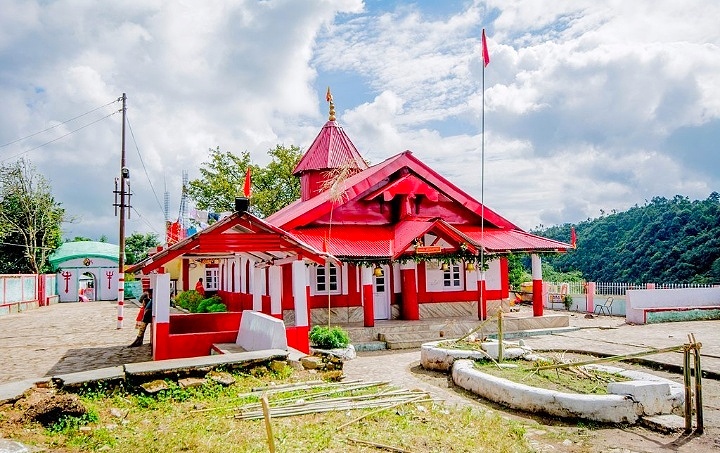
Beyond the monoliths, Nartiang holds significant religious importance due to the presence of the Nartiang Durga Temple, also known as the Jainteswari Temple or Adi Shakti temple. This temple is one of the 51 Shakti Peeths (sacred divine feminine sites) as per Hindu mythology, where it is believed the left thigh of the Goddess Sati fell. It is a revered pilgrimage site, particularly for Hindus, and exemplifies the historical syncretism between indigenous Jaintia traditions and Hinduism. The temple is mentioned in ancient texts and has been a site of worship for centuries, with the Jaintia kings actively patronizing its rituals and maintenance.
Geography and Context
Nartiang is situated amidst the rolling hills and verdant landscapes characteristic of Meghalaya, approximately 65 kilometers from Shillong, the state capital, and about 20-25 kilometers from Jowai, the district headquarters of West Jaintia Hills. The region experiences a monsoonal climate, with heavy rainfall during the summer months and cooler, drier winters. The natural beauty of the area complements its historical and cultural attractions.
How to Visit
Nartiang is accessible by road. Visitors typically travel to Jowai or Shillong first, and then take a taxi or bus. The monolith park is centrally located in the village, and the Nartiang Durga Temple is also easily approachable. The best time to visit is during the dry season (October to April) to avoid heavy monsoon rains and to comfortably explore the outdoor sites.
Frequently asked
Related
Plan Your Journey with Living Roots Expeditions
Travel Northeast India with a private guide, hand-picked hosts, and an itinerary shaped around your interests — culture, wildlife, festivals, or slow discovery. If this subject is why you are travelling, see our Northeast India tour packages.