Tamenglong
Manipur's Green Jewel and Cultural Hearth
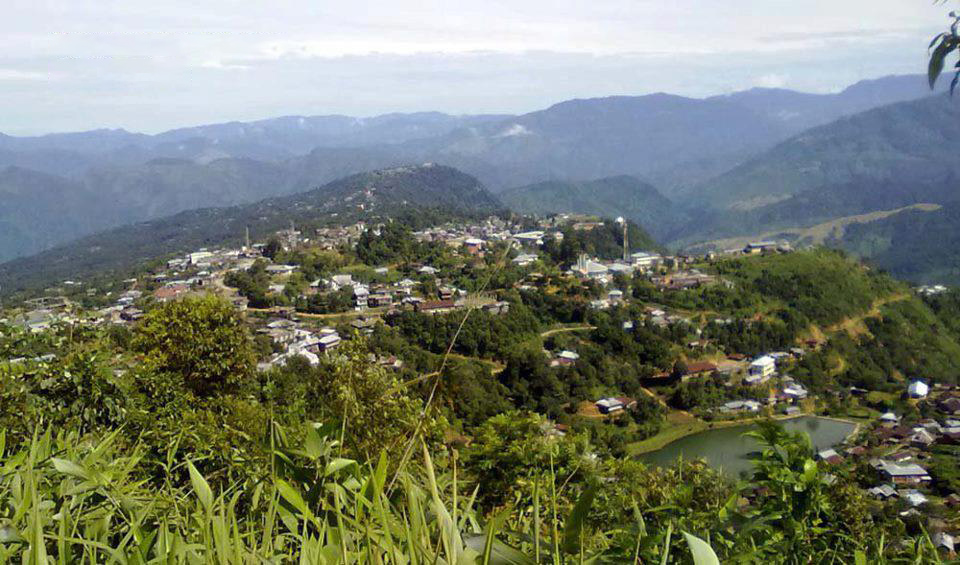
Tamenglong District, Manipur
Tamenglong District, located in the western part of Manipur, is a region characterized by its rugged hills, dense forests, and rich biodiversity. It is one of the nine districts of Manipur and is particularly known for being the ancestral home of the Zeliangrong people, a collective term for the Zeme, Liangmai, and Rongmei tribes.
Geography and Landscape
Covering an area of approximately 4,391 square kilometers, Tamenglong is Manipur's largest district by area. The terrain is predominantly hilly, with elevations ranging from 500 to over 2,500 meters above sea level. Major rivers such as the Barak (also known as the Aganal) and the Irang flow through the district, carving deep gorges and contributing to its dramatic landscape. These rivers are vital for the local ecosystem and communities.
The district is rich in natural wonders, including several waterfalls, limestone caves, and a variety of flora and fauna. Notable natural attractions include the Tharon Cave, an illuminated cave system, and the Zeilad Wildlife Sanctuary, known for its pristine natural environment and a variety of bird species and reptiles, particularly snakes.
Climate
Tamenglong experiences a subtropical climate, modified by its elevation. Summers (April to October) are warm and humid, dominated by the monsoon, which brings heavy rainfall. Winters (November to March) are cool and generally dry. The monsoon season significantly enhances the region's green landscape but can also make travel challenging due to landslides and swelling rivers.
Demographics and Culture
The population of Tamenglong District is predominantly tribal. The Zeliangrong community, comprising the Zeme, Liangmai, and Rongmei tribes, forms the majority. Other indigenous communities like the Hmar, Kuki, and Inpui also inhabit parts of the district. Each community has its distinct dialect, traditions, festivals, and attire, contributing to the rich cultural mosaic of the region.
The Zeliangrong people are known for their vibrant cultural heritage, including traditional dances, music, and handicrafts. Festivals such as Gaan-Ngai (harvest festival of the Zeliangrong) are celebrated with great zeal, showcasing indigenous rituals, folk dances, and traditional sports. Agriculture, primarily jhum (shifting cultivation) and terrace farming, is the mainstay of the economy, supplemented by forest produce and small-scale livestock rearing.
Biodiversity and Conservation
The dense forests of Tamenglong are part of the Indo-Myanmar biodiversity hotspot, home to a wide array of plant and animal species. The district is particularly noted for its birdlife, including several endemic and migratory species. It is also a habitat for various mammals, reptiles, and amphibians. The Zeilad Wildlife Sanctuary, established to protect its unique biodiversity, is a key conservation area within the district. Efforts are made to protect endangered species and maintain ecological balance.
History and Administration
Historically, Tamenglong has been an isolated region, which allowed its numerous tribal communities to maintain their distinct identities and traditions. The district administrative headquarters is Tamenglong town. The district was carved out from the former Manipur West District. Its remote nature has meant that development has been slower compared to more central parts of Manipur, but it also means the region retains much of its pristine natural and cultural integrity.
Infrastructure and Connectivity
Connectivity to Tamenglong District has traditionally been challenging due to its hilly terrain and limited road infrastructure. However, ongoing efforts are being made to improve road networks connecting Tamenglong town to the state capital, Imphal, and other parts of Manipur. Public transportation primarily consists of shared jeeps and buses. Basic amenities such as healthcare and education facilities are available, though often in limited capacity in more remote areas.
Significance
Tamenglong is significant not only for its ecological value but also as a crucial center for the Zeliangrong culture. It offers a glimpse into the traditional tribal life and pristine natural beauty of Northeast India. The region's unique biodiversity, including its caves and wildlife, makes it an important site for ecological study and conservation.
Frequently asked
Related
Plan Your Journey with Living Roots Expeditions
Travel Northeast India with a private guide, hand-picked hosts, and an itinerary shaped around your interests — culture, wildlife, festivals, or slow discovery. If this subject is why you are travelling, see our Northeast India tour packages.