Baksa district
A Frontier District of Assam, Bordering the Southern Foothills of Bhutan
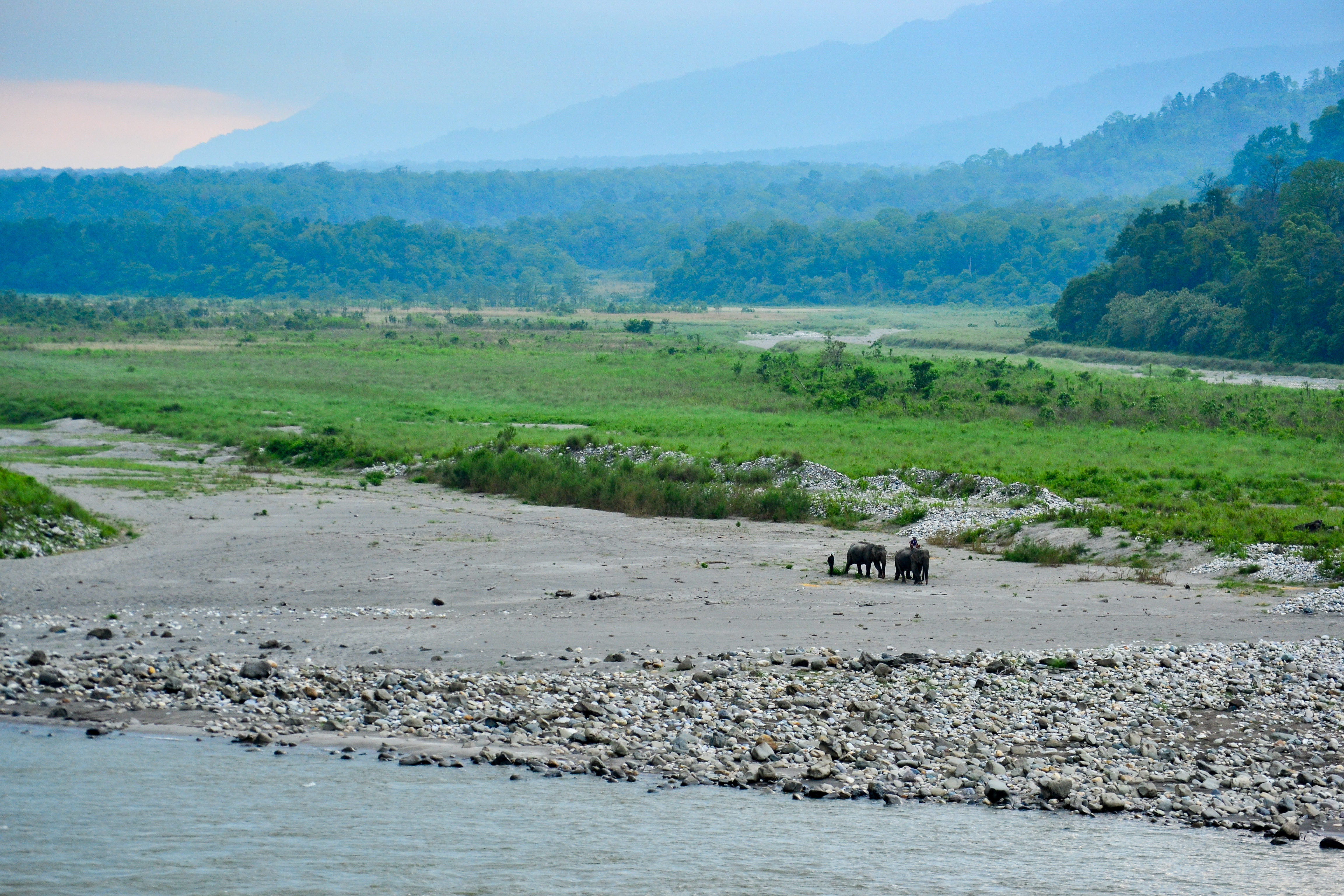
The terrain transitions abruptly from the flat plains of Assam to the steep, forested hills of Bhutan along the northern edge of Baksa. This borderland district, delineated in 2004, is characterized by its significant Bodo population, whose culture and agricultural practices have shaped the landscape. Waterways like the Manas River, descending from the Bhutanese Himalayas, carve through the district, sustaining both human settlements and the rich biodiversity for which the region is increasingly recognized.
History & Context
Baksa was formally constituted as a district on June 1, 2004, carved out of parts of erstwhile Barpeta, Nalbari, and Kamrup districts. Its formation was part of the Bodoland Territorial Area Districts (BTAD) agreement, aiming for greater administrative autonomy and development in regions predominantly inhabited by the Bodo community. This historical context is vital to understanding the social and political dynamics that continue to influence daily life here. The district's strategic location also meant it historically served as a gateway to the Himalayan foot-hills, facilitating cultural and trade exchanges with Bhutanese communities. The Bodo language and culture are central to the district's identity, distinguishing it from other parts of Assam.
What Makes It Distinctive
What truly sets Baksa apart is its unique position as a significant part of the Manas Wildlife Sanctuary, a UNESCO World Heritage Site. Unlike the more heavily trafficked eastern gates of Manas, the Panbari Range (part of the larger Manas landscape) within Baksa offers a quieter, more intimate encounter with the park's diverse ecosystems. Here, beyond the commonly sighted rhinos and tigers, one might spot the rare Hispid hare or Pygmy hog. Beyond the wildlife, the district is a stronghold of Bodo folk traditions. The Bagurumba dance, a graceful performance by Bodo women mimicking butterflies, is a common sight during festivals like Bwisagu. The culinary landscape, too, is distinctly Bodo, featuring dishes like Oma Bedor (pork with bamboo shoot) and Narzi (a bitter gravy), offering a unique gastronomic experience that differs significantly from mainstream Assamese cuisine.
Best Time to Visit
October to April is ideal. The post-monsoon months of October and November offer green landscapes and clear skies, with pleasant temperatures ranging from 15°C to 28°C. This is excellent for wildlife viewing as the vegetation begins to recede. December to February are peak winter months, with temperatures dropping to 10°C, and occasional foggy mornings, perfect for birdwatching and safaris especially in the early mornings or late afternoons. March and April see temperatures rise to 20°C-35°C, with increasing humidity, but still offer good wildlife opportunities before the monsoon hits. The rivers are also fuller, making for scenic boat rides where permitted. The heavy monsoon season from May to September makes travel challenging due to heavy rainfall and potential flooding, and many parts of the wildlife sanctuary are closed.
How to Reach
By Air: The nearest major airport is Lokpriya Gopinath Bordoloi International Airport (GAU) in Guwahati, approximately 100-120 km from Mushalpur (the district headquarters of Baksa). The drive from Guwahati to Mushalpur takes about 3-4 hours via NH27.
By Rail: The nearest major railhead is Barpeta Road Railway Station (BPRD), approximately 30-40 km from Mushalpur. Regular trains connect Barpeta Road to major cities like Guwahati and Kolkata. Alternatively, Guwahati Railway Station (GHY) offers broader connectivity and is a good starting point for travel to the region.
By Road: Baksa is well-connected by road. State buses and private taxis are available from Guwahati, taking roughly 3-4 hours to reach Mushalpur. The road network within the district connects its major towns and villages.
Permits & Entry
For Indian nationals visiting the Manas National Park area within Baksa, no special permits are required beyond the standard park entry tickets. Foreign nationals generally do not require specific permits for the Manas region, but often require Restricted Area Permits (RAP) if venturing very close to sensitive border areas, which is usually not the case for standard tourist routes into Manas. Park entry fees apply for Manas National Park. Information is not officially published or may change. Visitors are advised to confirm locally before travelling. Safaris usually have separate fees for vehicle entry and guiding charges.
Nearby Attractions
- Manas National Park (Western Range): Experience diverse wildlife and unique ecosystems, accessible from the Baksa side.
- Mathanguri: A picturesque spot within Manas on the India-Bhutan border, known for its pristine river views and opportunities for rafting or boating (seasonal).
- Barpeta Satra: A historically significant Vaishnavite monastery in Barpeta, known for its spiritual heritage and traditional arts.
- Kaklabari: Known for its ancient temple ruins and a cultural centre showcasing Bodo traditions.
- Bogamati: A scenic picnic spot on the banks of the Barnadi River, offering views of the Bhutan hills and a vibrant local market.
Traveller Tips
- Connectivity: Mobile network coverage (especially 4G) can be patchy outside major towns; BSNL and Jio generally have better reach. Expect limited Wi-Fi availability.
- ATMs: Mushalpur and Barpeta Road have ATMs, but it’s advisable to carry sufficient cash, especially when exploring interior regions or villages where digital payments might not be prevalent.
- Dress Code: Lightweight cotton clothing is suitable for most of the year. During winter (Dec-Feb), carry warm layers, including jackets and thermals. Light rain gear is useful during shoulder seasons.
- Local Transport: Auto-rickshaws and shared jeeps are common for local travel. Bargain politely for private hires.
- Ethical Photography: Always seek permission before photographing people, especially in remote villages or during cultural ceremonies.
- Language: While Assamese and Bodo are primary, many locals, especially younger generations, understand basic Hindi. English proficiency varies.
- Water: Always carry bottled water or a reliable water filter. Tap water is generally not safe for direct consumption.
- Accommodation: Options range from forest lodges and guesthouses near Manas to basic hotels in Mushalpur. Homestays are emerging and can offer authentic cultural immersion.
Frequently asked
Related
Plan Your Journey with Living Roots Expeditions
Travel Northeast India with a private guide, hand-picked hosts, and an itinerary shaped around your interests — culture, wildlife, festivals, or slow discovery. If this subject is why you are travelling, see our Northeast India tour packages.