Barpeta district
A Hub of Vaishnavite Culture in Lower Assam
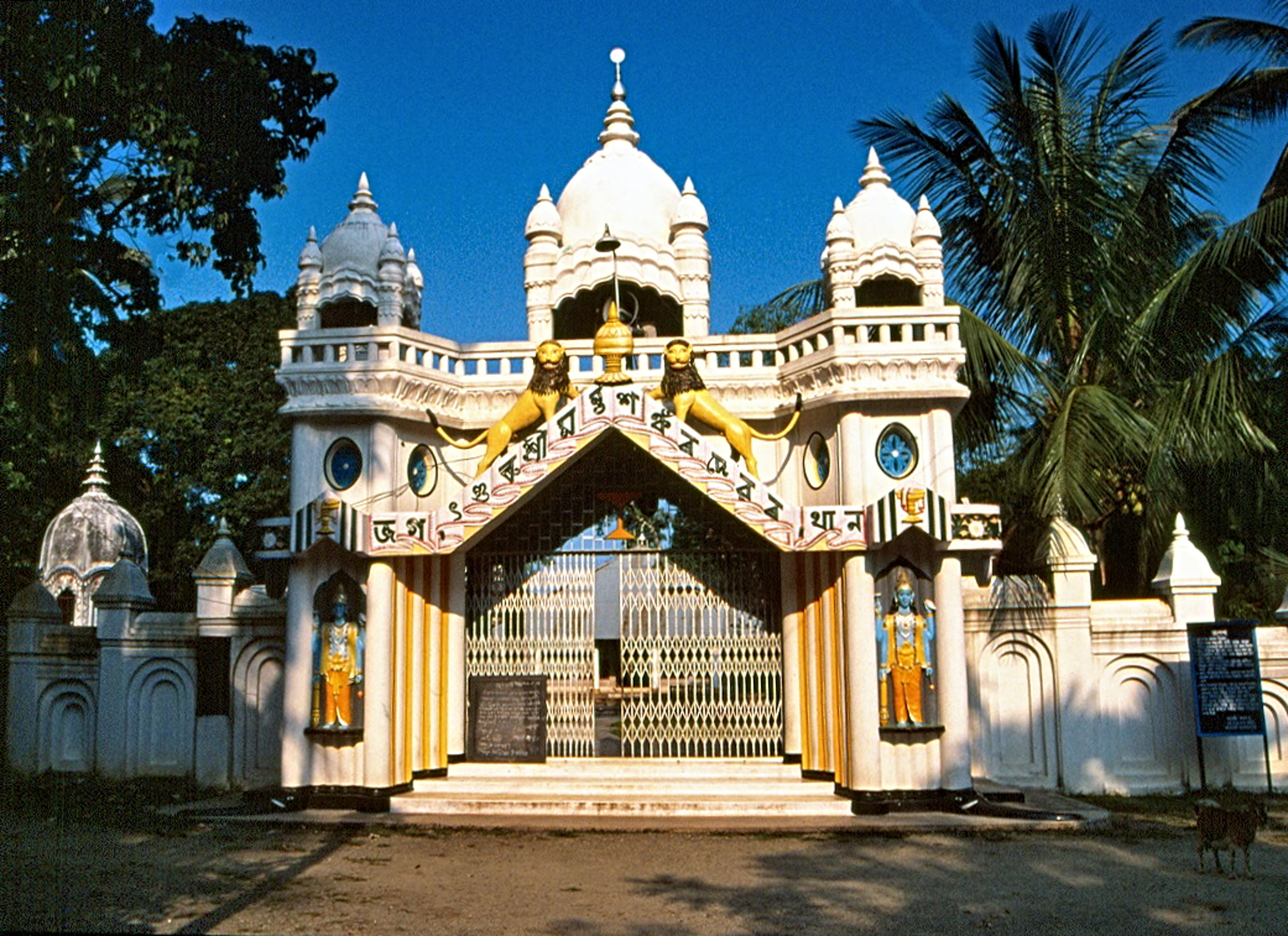
Barpeta District, Assam
Barpeta is an administrative district situated in the western part of the Indian state of Assam. Often referred to as the 'Land of Satras', it holds immense religious and cultural significance, particularly for its association with the Neo-Vaishnavite movement propagated by Srimanta Sankardeva and his disciple Madhavdeva.
History and Significance
The history of Barpeta is deeply intertwined with the Vaishnavite reform movement of 15th-16th century Assam. Srimanta Sankardeva, the great saint-scholar, established his monastic institution (Satra) at Barpeta, which was later strengthened and made prominent by his chief disciple, Sri Sri Madhavdeva, in the 16th century. The Barpeta Satra, also known as Barpeta Kirtan Ghar, became a central hub for the propagation of 'Eka Sarana Nama Dharma' (religion of worshipping one God through chanting His name). Its unique democratic administration and vibrant cultural traditions continue to draw devotees and scholars alike.
Throughout various historical periods, including the Ahom rule and the British colonial era, Barpeta maintained its status as a significant cultural and administrative center. It played a role in the Indian freedom struggle, with local leaders contributing to the nationalist movement. The district was carved out from undivided Kamrup district in 1983 (though the initial formation as a sub-division dates back to 1841) to facilitate better administration and development.
Geography and Ecology
Barpeta district is part of the lower Brahmaputra Valley plains. It is bordered by Bhutan to the north, Baksa district to the east, Goalpara and Bongaigaon districts to the west, and Kamrup and Nalbari districts to the south. The district's landscape is characterized by flat plains, fertile agricultural lands, and numerous rivers and wetlands. The main rivers flowing through the district include the Brahmaputra, Manas, Beki, and Kaldia.
The region's fertile alluvial soil supports extensive agriculture, with rice being the primary crop. The presence of wetlands and riverine ecosystems also contributes to its ecological diversity. The Manas National Park, a UNESCO World Heritage Site and a Project Tiger Reserve, shares a boundary with the district, highlighting the ecological significance of the broader region, particularly its biodiverse wetlands and grasslands, which are critical habitats for various endangered species.
Culture and Economy
Barpeta's culture is predominantly shaped by its Vaishnavite heritage. The Barpeta Satra is not just a religious institution but a living cultural museum, preserving traditional performing arts like Bhaona (traditional Assamese theatre), Sattriya dance (one of India's classical dance forms), and various forms of devotional music (Borgeet, Ankiya Geet). Festivals like Holi (locally known as 'Deuldubi' or 'Doul Utsav') are celebrated with unique local traditions and grandeur, drawing thousands.
Economically, agriculture is the mainstay, with a significant rural population depending on cultivation. Fishing is also an important activity due to the abundance of rivers and beels (wetlands). Handloom and handicraft industries, especially the weaving of traditional Assamese silks and cotton, are practiced in many villages, reflecting the rich cultural artistry of the region. Barpeta town itself serves as a commercial and administrative hub for the district.
Frequently asked
Related
Plan Your Journey with Living Roots Expeditions
Travel Northeast India with a private guide, hand-picked hosts, and an itinerary shaped around your interests — culture, wildlife, festivals, or slow discovery. If this subject is why you are travelling, see our Northeast India tour packages.