Cachar district
Silchar, the Barak Valley, and the confluence of cultures
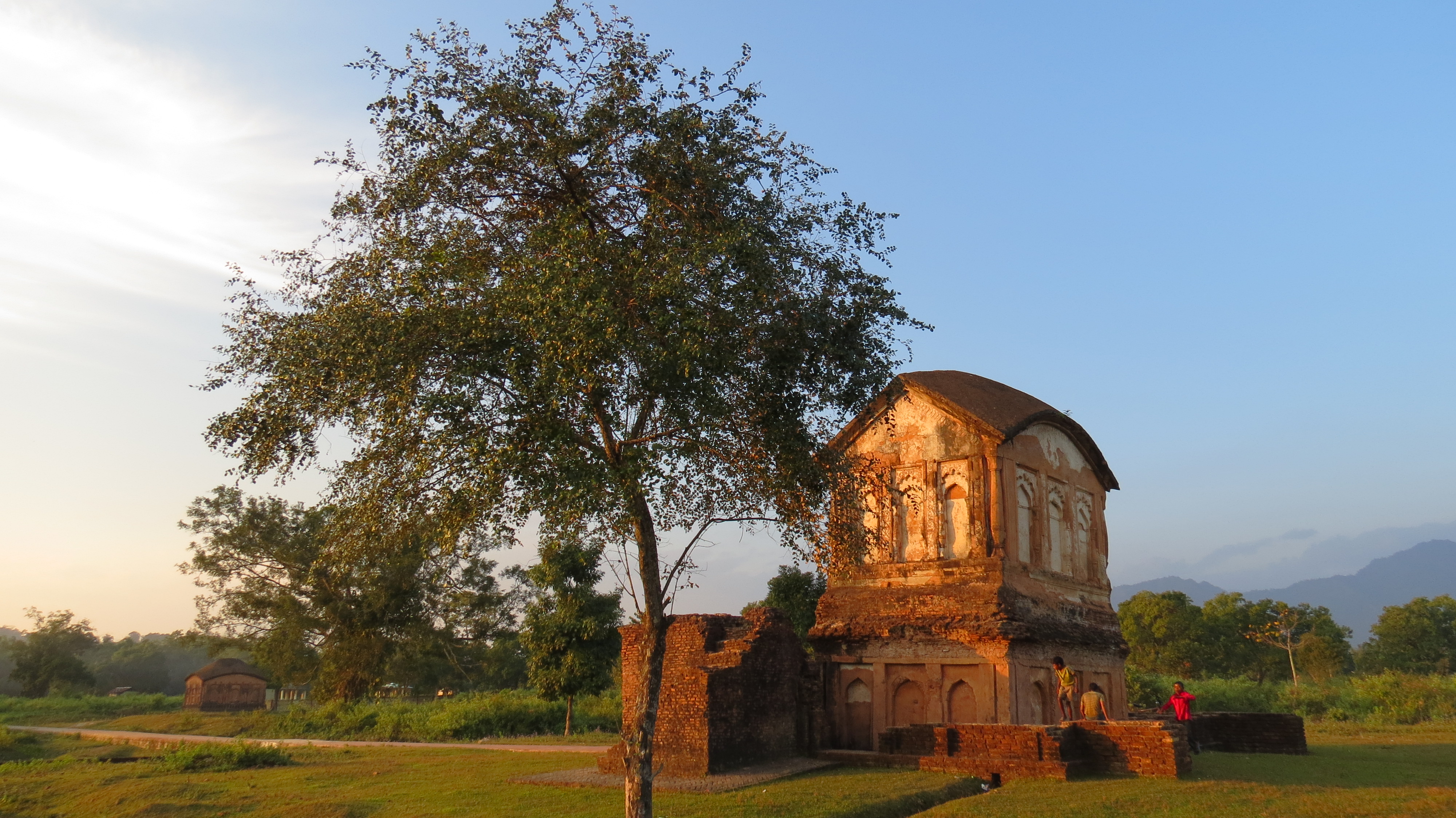
The humid air of the Barak Valley settles gently over Cachar, a district cradled by southern Assam's hills, where the Bengali linguistic landscape meets the indigenous rhythms of the region. This is a place where riverine plains meet the foothills of the Mizo and Manipur ranges, creating a distinct ecological and cultural zone within Assam. The district headquarters, Silchar, known as the 'Island of Peace', serves as a bustling commercial and administrative hub, reflecting Cachar's historical significance as a gateway to Northeast India.
History & Context
Cachar's documented history stretches back to the ancient Dimasa Kachari kingdom, with epigraphic evidence pointing to early settlements. The district as it is recognised today was formally established in 1832, following its annexation by the British. This annexation marked a significant shift, integrating the region further into colonial administration and subsequently, independent India. Throughout the British Raj, Cachar, particularly Silchar, grew as an administrative and trade centre, strategically located to connect Assam with parts of present-day Bangladesh and Myanmar. The influx of diverse communities over centuries has shaped its unique demographic profile, contributing to its rich linguistic and cultural tapestry. The district also played a role in the language movements of the mid-20th century, notably the Bengali Language Movement of 1961,underscoring the deep cultural ties of its populace.
What Makes It Distinctive
Cachar stands out for its unique blend of cultural influences, primarily Bengali, Dimasa, and Manipuri. This confluence is not merely sociological; it manifests in the local cuisine, festivals, and music. Unlike many other parts of Assam dominated by Assamese culture, the Barak Valley, including Cachar, has a strong and vibrant Bengali cultural identity alongside indigenous traditions. The district is also known for its tea gardens, which, while common in Assam, have a distinct flavour profile due to the specific soil and climate of the Barak Valley. The Kanchakanti Devi Temple, a significant pilgrimage site near Silchar, is another distinctive landmark that showcases the region's spiritual heritage, drawing devotees from across the valley. Furthermore, the district is a stronghold of Manipuri culture outside Manipur, evident in classical Meitei dance forms and festivals celebrated with enthusiasm.
Best Time to Visit
The most agreeable time to visit is during the winter months, specifically from October to March. The weather during this period is cool and pleasant, with average temperatures ranging from 12°C to 25°C, making it ideal for exploring the outdoors and partaking in local festivities without the discomfort of heat or heavy monsoon rains. The monsoon season, from June to September, brings heavy rainfall, often leading to waterlogged roads and humidity, which can hinder travel. Summers, from April to May, are hot and humid, with temperatures often exceeding 35°C.
How to Reach
By Air: The nearest airport is Silchar Airport (IXS), located approximately 29 km from Silchar town. It has direct flight connectivity to major Indian cities like Kolkata, Guwahati, Imphal, and Agartala. Taxis and shared cabs are readily available outside the airport for onward travel to Silchar.
By Rail: Silchar Railway Station (SCL) is a major broad-gauge railway head, connecting the Barak Valley with the rest of India. Regular trains operate from Silchar to Guwahati, Agartala, and other parts of Assam and beyond. From the railway station, auto-rickshaws and taxis can be hired to reach various destinations within Silchar and the district.
By Road: Cachar is well-connected by road. National Highway 6 and National Highway 37 connect Silchar to Guwahati (approximately 340 km / 8-9 hours), Shillong (approximately 190 km / 5-6 hours), and Imphal (approximately 270 km / 7-8 hours). State-run buses and private luxury coaches operate daily services to and from these cities. Driving within the district can be slow due to winding roads in hilly areas.
Permits & Entry
No Inner Line Permit (ILP) or Protected Area Permit (PAP) is required for Indian nationals or foreign visitors to enter Cachar district, Assam. Visitors to specific protected areas or wildlife sanctuaries within the district may be subject to entry fees and specific timings, which are generally collected at the entrance gate. Information is not officially published or may change. Visitors are advised to confirm locally before travelling.
Nearby Attractions
- Kachari Fort: Located near Khaspur, these ruins offer a glimpse into the history of the Dimasa Kachari kingdom.
- Maniharan Tunnel: A cave temple associated with Hindu mythology, situated near Bhuban Hills.
- Bhuban Pahar: A series of hills known for their scenic beauty and a prominent Shiva temple.
- Dolu Lake: A serene natural lake offering boating and a peaceful escape.
- Salganga: A smaller town known for its wetlands and migratory birds during winter months.
- Hailakandi district: Explore the adjacent district for more tea gardens and historical sites.
Traveller Tips
- Connectivity: Major towns like Silchar have decent mobile network coverage (Jio, Airtel, Vodafone Idea), but coverage can be spotty in rural or hilly areas. Wi-Fi is generally available in most hotels and guesthouses in Silchar.
- ATMs: ATMs are widespread in Silchar and other larger towns. Cash is advisable for smaller shops, local transport, and rural areas where card payments may not be accepted.
- Dress Code: Lightweight cotton clothing is suitable for most of the year. During winter, light woollens are recommended. When visiting temples or religious sites, modest attire covering shoulders and knees is appropriate.
- Local Transport: Auto-rickshaws, cycle-rickshaws, and shared taxis are common for short distances within towns. For inter-district travel, public buses and private cabs are available.
- Language: While Bengali and Silchar-dialect Hindi are widely spoken, learning a few basic phrases in Bengali can enhance interactions with locals. English is understood in hotels and by educated individuals.
- Cuisine: Do not miss the local Bengali-Assamese fusion cuisine. Try shatkora (a type of citrus) preparations, distinct fish curries, and traditional sweets. Street food is popular in Silchar.
- Photography: Be respectful when photographing people, especially in rural areas or during religious ceremonies. Always ask for permission beforehand. Ethical photography is highly encouraged.
- Hydration: Due to the often humid climate, carry sufficient water. Bottled water is widely available. Avoid tap water unless it is filtered or boiled.
Frequently asked
Related
Plan Your Journey with Living Roots Expeditions
Travel Northeast India with a private guide, hand-picked hosts, and an itinerary shaped around your interests — culture, wildlife, festivals, or slow discovery. If this subject is why you are travelling, see our Northeast India tour packages.