East Khasi Hills district
The Hydrodynamic Heart of Meghalaya
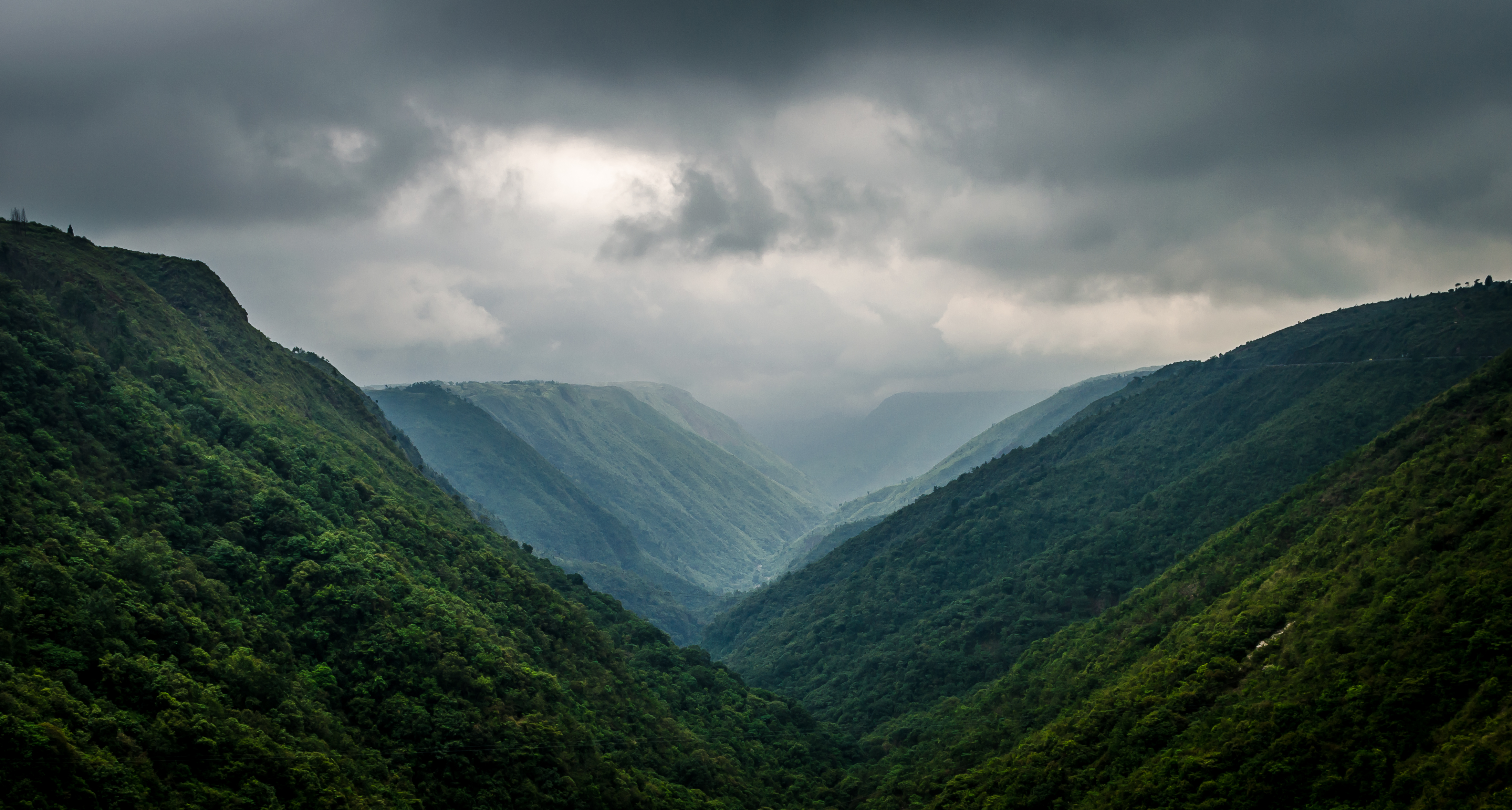
The East Khasi Hills district, a region defined by its dramatic topography and the pervasive presence of water, often feels as though it is in constant conversation with the sky. Clouds frequently shroud its peaks, and the persistent patter of rain shapes its unique ecosystems and human ingenuity. This is the ancestral homeland of the Khasi people, whose distinctive social structure, language, and cultural practices are deeply intertwined with the landscape.
History & Context
The East Khasi Hills district was carved out of the former United Khasi and Jaintia Hills district on October 28, 1976. Its administrative seat, Shillong, holds historical significance as the erstwhile capital of undivided Assam during the British Raj, a legacy reflected in its colonial-era architecture and planned urban layout. The region's history is largely a chronicle of the Khasi Syiems (chiefs) and their independent states, which maintained a complex relationship with various powers, including the British, before India's independence. This history fostered a strong sense of autonomy and cultural identity among the Khasi people.
What Makes It Distinctive
What truly distinguishes East Khasi Hills is its extraordinary hydrology and the cultural adaptations to it. The district encompasses Mawsynram and Cherrapunji (Sohra), both vying for the title of the 'wettest place on Earth'. This intense rainfall has given rise to the famed 'living root bridges' – bioengineered marvels where the aerial roots of Ficus elastica trees are guided over generations to form sturdy, living crossings over rivers and streams. These bridges, found in numerous villages, particularly around the southern slopes, are not merely infrastructure but testaments to an intimate, sustainable relationship with nature. The district is also home to sacred groves, such as the Mawphlang Sacred Forest, where ancient trees and unique biodiversity are preserved through traditional religious beliefs, forbidding any interference with nature within their bounds. The matrilineal system of the Khasi society, where lineage and inheritance pass through the female line, is another defining cultural feature, influencing family structures and social dynamics. While not unique to this district, it is prominently practiced here.
Best Time to Visit
The ideal time to visit East Khasi Hills, particularly if you wish to experience its outdoor attractions without continuous heavy rainfall, is from October to April. During these months, the weather is generally cool and clear, offering excellent visibility of the panoramas.
- October to November: Post-monsoon, the landscape is intensely green, waterfalls are at their fullest, and the air is crisp. It's excellent for trekking and photography.
- December to February: Cooler temperatures prevail, with clear skies. Ideal for those who prefer cooler weather and less humidity. Nights can be quite cold.
- March to April: Spring brings pleasant temperatures, and rhododendrons and other flowers begin to bloom, though occasional pre-monsoon showers might occur.
- May to September (Monsoon): While rain is constant and heavy, this period offers a different, mystical experience. Waterfalls are spectacular, and clouds often sweep through the valleys. However, trekking can be challenging due to slippery trails and leeches, and visibility can be low. For those specifically seeking the 'wettest place' experience, this is the time to visit.
How to Reach
The most convenient gateway to the East Khasi Hills is through Guwahati, Assam.
- By Air: The nearest major airport is Lokpriya Gopinath Bordoloi International Airport (GAU) in Guwahati, approximately 120-130 km from Shillong. Taxis and shared cabs are readily available from Guwahati airport to Shillong, taking around 3-4 hours, depending on traffic and road conditions. Shillong also has a smaller airport, Umroi Airport (SHL), about 30 km from the city, with limited commercial flights, primarily connecting to Kolkata.
- By Rail: The nearest major railway station is Guwahati Railway Station (GHY). From there, one can hire a taxi or take a bus to Shillong. The journey by road takes approximately 3.5-4.5 hours.
- By Road: National Highway 6 (formerly NH 40) connects Shillong to Guwahati. The road is well-maintained. Regular bus services operate from Guwahati to Shillong. The distance from Guwahati to Shillong is about 100 km, typically a 3-hour drive. From Shillong, local taxis and shared jeeps connect to various parts of the district.
Permits & Entry
For Indian citizens, no special permits are required to enter Meghalaya or the East Khasi Hills district. Foreign nationals also do not require any Restricted Area Permit (RAP) or Protected Area Permit (PAP). However, entry fees apply to specific tourist sites like waterfalls, caves, and viewpoints. Information on these fees is not officially published or may change. Visitors are advised to confirm locally before travelling. Some villages with living root bridges may require a small eco-tourism fee, often collected by village councils, which contributes to local maintenance.
Nearby Attractions
- Shillong Peak: Offers panoramic views of Shillong city and the surrounding hills, especially on clear days.
- Elephant Falls: A multi-tiered waterfall near Shillong, popular for its accessibility and scenic beauty.
- Mawphlang Sacred Grove: An ancient forest preserved by traditional Khasi religious beliefs, home to unique flora.
- Dawki & Umngot River: Located near the Bangladesh border, famous for its crystal-clear waters perfect for boating.
- Sohra (Cherrapunji): Explore several waterfalls like Nohkalikai Falls and Dainthlen Falls, and the sprawling Mawsmai Cave.
- Mawsynram: Known as one of the wettest places on Earth, experience its intense rainfall and unique meteorological phenomena.
Traveller Tips
- Connectivity: While Shillong has good mobile network coverage (Jio, Airtel), connectivity can be spotty or non-existent in more remote areas of the district, particularly towards the southern slopes.
- ATMs & Cash: Shillong has numerous ATMs. In smaller towns and villages, ATMs are scarce, and digital payments might not be widely accepted. Carry sufficient cash, especially for local purchases, entry fees, and village homestays.
- Dress Code: While there's no strict dress code, modest attire is appreciated, especially when visiting religious sites or interacting with local communities. Warm clothing is essential during winter months.
- Altitude Sickness: Although Shillong is at a moderate altitude (around 1,500m), some visitors might experience mild symptoms. Stay hydrated and acclimatize gradually.
- Photography Ethics: Always seek permission before photographing people, especially in villages or during cultural events. Be respectful of local customs and privacy.
- Food: Sample local Khasi cuisine, including Jadoh (rice cooked with meat), Doh Khlieh (pork salad), and smoked meat dishes. Many roadside eateries offer delicious and affordable options. Restaurants in Shillong cater to various tastes.
- Water & Waste: Carry a reusable water bottle to reduce plastic waste. Dispose of waste responsibly; avoid littering in natural areas.
- Driving: Roads can be winding and sometimes narrow, especially outside Shillong. Drive carefully or hire experienced local drivers.
Frequently asked
Related
Plan Your Journey with Living Roots Expeditions
Travel Northeast India with a private guide, hand-picked hosts, and an itinerary shaped around your interests — culture, wildlife, festivals, or slow discovery. If this subject is why you are travelling, see our Northeast India tour packages.