Gomati district
A Central District in Tripura, India
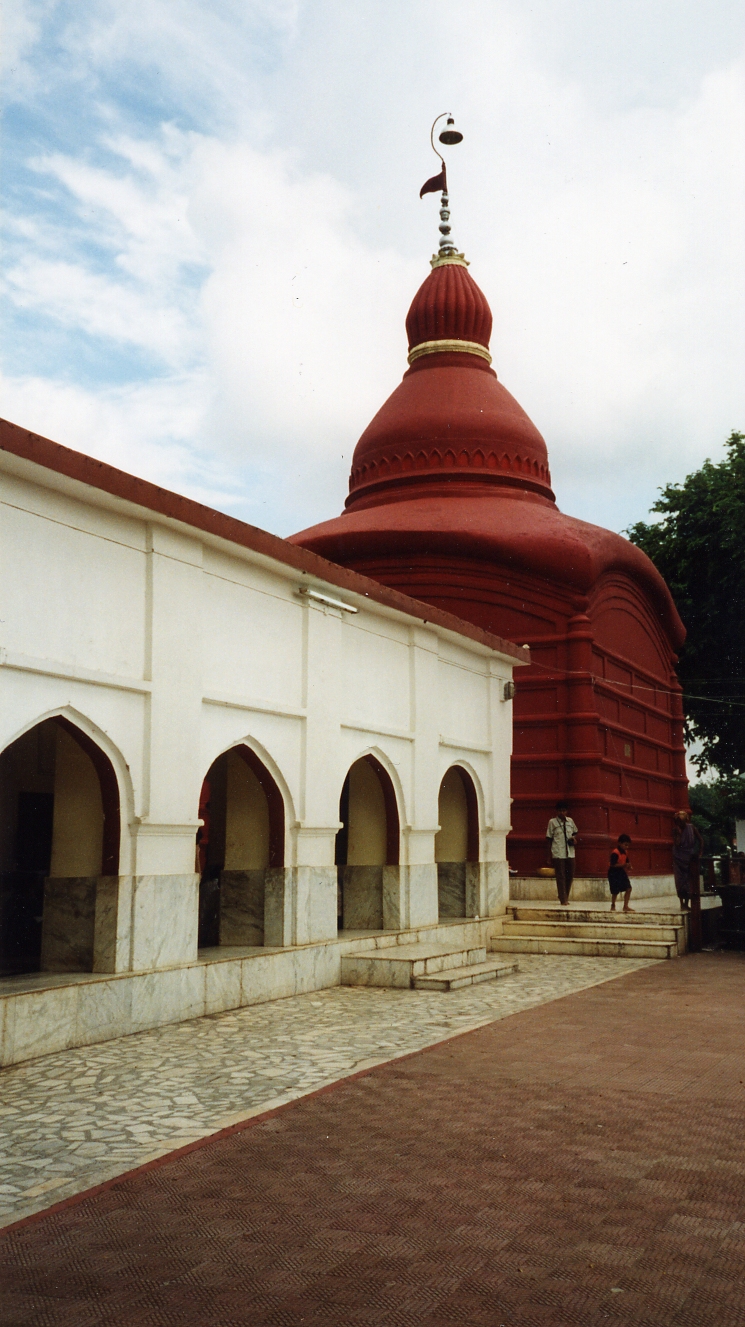
Gomati District, Tripura
Gomati District is one of the eight administrative districts in the Indian state of Tripura. Carved out of the erstwhile South Tripura District in January 2012, it is strategically located in the central part of the state. The district headquarters are situated in Udaipur, historically significant as the former capital of the Tripura Kingdom.
Geography and Administration
Gomati District is named after the Gomati River, one of the principal rivers of Tripura, which originates in the eastern hills and flows through the district. The district is characterized by its undulating terrain, river valleys, and a mix of plain areas and low hills, typical of the Tripura Sundari Hills. It is bordered by Sepahijala District to the west, South Tripura District to the south, Dhalai District to the north, and Bangladesh to the east.
Economically, the district's economy is primarily agrarian, with a significant portion of the population engaged in rice cultivation, horticulture, and fishing. The Gomati River is crucial for irrigation and provides livelihood opportunities.
Administratively, Gomati District is divided into three subdivisions: Udaipur, Amarpur, and Karbook. These subdivisions are further bifurcated into blocks for local governance and development initiatives.
History and Cultural Significance
Gomati District holds immense historical and cultural importance, largely centered around the city of Udaipur. Udaipur, once known as Rangamati, served as the capital of the Manikya dynasty, who ruled Tripura for centuries, until its transfer to Agartala in the 18th century. This rich regal past is reflected in the numerous architectural ruins and sacred sites found within the district.
One of the most prominent cultural landmarks is the Tripura Sundari Temple, located in Udaipur. Dedicated to the goddess Tripura Sundari, a form of Sati, it is considered one of the 51 Shakti Peethas (pilgrimage sites) according to Hindu mythology. The temple complex is a significant pilgrimage destination for devotees from across India and Bangladesh. Its architecture showcases the traditional style prevalent during the Manikya rule.
Another historical site is Chabimura, an archaeological site featuring a series of rock carvings of Hindu deities on the steep slopes of the Devtamura hills, along the banks of the Gomati River. These carvings, dating back to the 15th-16th centuries, depict images of Shiva, Vishnu, Kartika, and other gods and goddesses, illustrating the deep-rooted religious and artistic traditions of the region. The area is also rich in biodiversity and offers scenic boat rides.
The district is also home to several dighis or large artificial lakes, constructed by the erstwhile kings, such as Dhanisagar, Amarsagar, and Jagannath Dighi, which not only serve utilitarian purposes but also add to the aesthetic and historical charm of Udaipur.
Ecology and Tourism
While predominantly known for its historical and religious sites, Gomati District also harbors ecological significance. The Gomati Wildlife Sanctuary, though primarily located in South Tripura, extends towards parts of Gomati district and is crucial for the conservation of diverse flora and fauna, including various bird species and repltiles. The riverine ecosystem of the Gomati River supports a distinct aquatic biodiversity.
Tourism in Gomati District primarily revolves around its historical and religious attractions. The Tripura Sundari Temple draws a large number of pilgrims and tourists. Chabimura offers a unique blend of adventure, history, and natural beauty. The district provides insights into the rich heritage of the Tripura Kingdom and the vibrant culture of its indigenous communities, including the Tripuri, Reang, Jamatia, and Noatia, among others. Visiting during festivals like Diwali (when the Tripura Sundari Temple is particularly vibrant) or during boat festivals on the dighis can offer a deeper cultural experience.
How to Visit
Gomati District is accessible by road from Agartala, the state capital, which is well-connected by air and rail. National Highway 8 (NH8) passes through the district, facilitating easy travel. Local transportation includes buses, jeeps, and auto-rickshaws. The nearest major railway station is Udaipur Tripura Railway Station, offering connections to other parts of Tripura and beyond. The nearest airport is Maharaja Bir Bikram Airport (Agartala).
Respectful engagement with local culture and traditions is encouraged, especially when visiting religious sites. Sustainable tourism practices help preserve the natural and cultural integrity of the district.
Frequently asked
Related
Plan Your Journey with Living Roots Expeditions
Travel Northeast India with a private guide, hand-picked hosts, and an itinerary shaped around your interests — culture, wildlife, festivals, or slow discovery. If this subject is why you are travelling, see our Northeast India tour packages.