Jorhat district
The Tea Capital of India and Gateway to Majuli
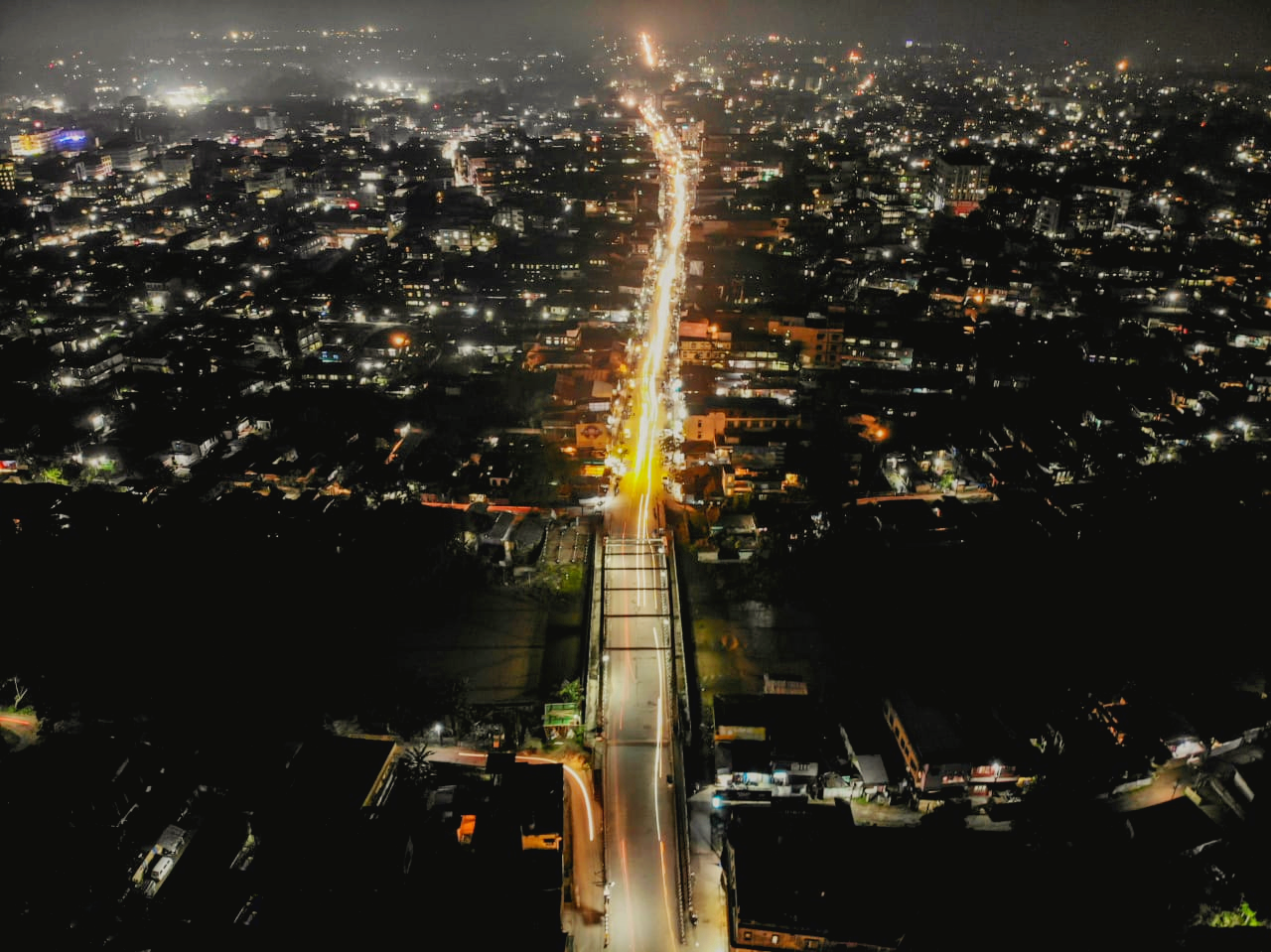
Jorhat District, Assam
Jorhat is an administrative district in the state of Assam, India. Located in the central part of the Brahmaputra Valley, it holds significant historical, cultural, and economic importance for the region. Often referred to as the "Tea Capital of India," Jorhat is surrounded by numerous tea plantations, contributing significantly to India's tea industry. The district also serves as a crucial gateway to the world's largest river island, Majuli, and is in proximity to the renowned Kaziranga National Park.
History
Jorhat's history is deeply intertwined with the Ahom kingdom, which ruled Assam for six centuries. The region was a hub of Ahom activity, with several significant historical sites. Jorhat itself was initially named 'Chowkihat' and later became 'Jorhat' meaning 'two markets' – 'Chowkihat' and 'Macharhat' on the banks of the Bhogdoi River. The town of Jorhat served as the last capital of the Ahom Kingdom during its later period, from 1794 until the Burmese invasions of the early 19th century and subsequent British annexation in 1826. It became a subdivisional headquarters of Sibsagar district in 1869 and was formally constituted as a district in 1983, bifurcating from Sibsagar district.
During the British colonial era, Jorhat flourished as a major center for tea cultivation, with the first tea experiment in Assam initiated in the early 19th century. The Tocklai Tea Research Institute, established in 1911, is a testament to the district's pivotal role in tea research and development.
Geography and Climate
Jorhat district is situated in the central Brahmaputra Valley and is bounded by the Brahmaputra River to the north, Nagaon district to the west, Sivasagar district to the east, and Golaghat district to the south. The Bhogdoi River, a major tributary, flows through the district, influencing its fertile plains. The topography is predominantly flat, characterized by alluvial plains formed by the Brahmaputra and its tributaries. The district experiences a tropical monsoon climate, with hot, humid summers, heavy rainfall during the monsoon (June to September), and mild, dry winters.
Demographics and Culture
According to the 2011 census, Jorhat district has a population of 1,092,253. Assamese is the official language and the most widely spoken language. The cultural landscape of Jorhat is rich and diverse, reflecting the confluence of various communities, primarily Assamese. Traditional Assamese festivals like Bihu are celebrated with great fervor. The district is also known for its contributions to Assamese literature, music, and art. Several distinguished literary figures and artists hail from Jorhat.
Economy
The economy of Jorhat is predominantly agrarian, with tea cultivation being the cornerstone. The district is home to numerous large tea estates, making it a significant contributor to India's tea production. Rice, pulses, and oilseeds are other major agricultural products. Beyond agriculture, Jorhat also has a growing presence in education, with several prominent institutions, including Assam Agricultural University, Jorhat Engineering College, and Jorhat Medical College and Hospital.
Ecological Significance and Tourism
Jorhat serves as a crucial entry point to Majuli, the cultural capital of Assam, known for its Vaishnavite monasteries (Sattras) and unique riverine ecosystem. Daily ferry services connect Nimati Ghat in Jorhat to Majuli. The district's proximity to Kaziranga National Park, a UNESCO World Heritage Site famous for its one-horned rhinoceros population, makes it an important stop for wildlife enthusiasts. Hoollongapar Gibbon Sanctuary, India's only dedicated gibbon sanctuary, is also located within Jorhat district, protecting India's only ape species, the Hoolock Gibbon.
Visiting Jorhat offers a blend of historical exploration, cultural immersion, and opportunities for nature and wildlife observation. The district's tea gardens offer captivating landscapes and insights into the tea production process.
Frequently asked
Related
Plan Your Journey with Living Roots Expeditions
Travel Northeast India with a private guide, hand-picked hosts, and an itinerary shaped around your interests — culture, wildlife, festivals, or slow discovery. If this subject is why you are travelling, see our Northeast India tour packages.