Karbi Anglong district
Assam's Largest District and the Karbi Homeland
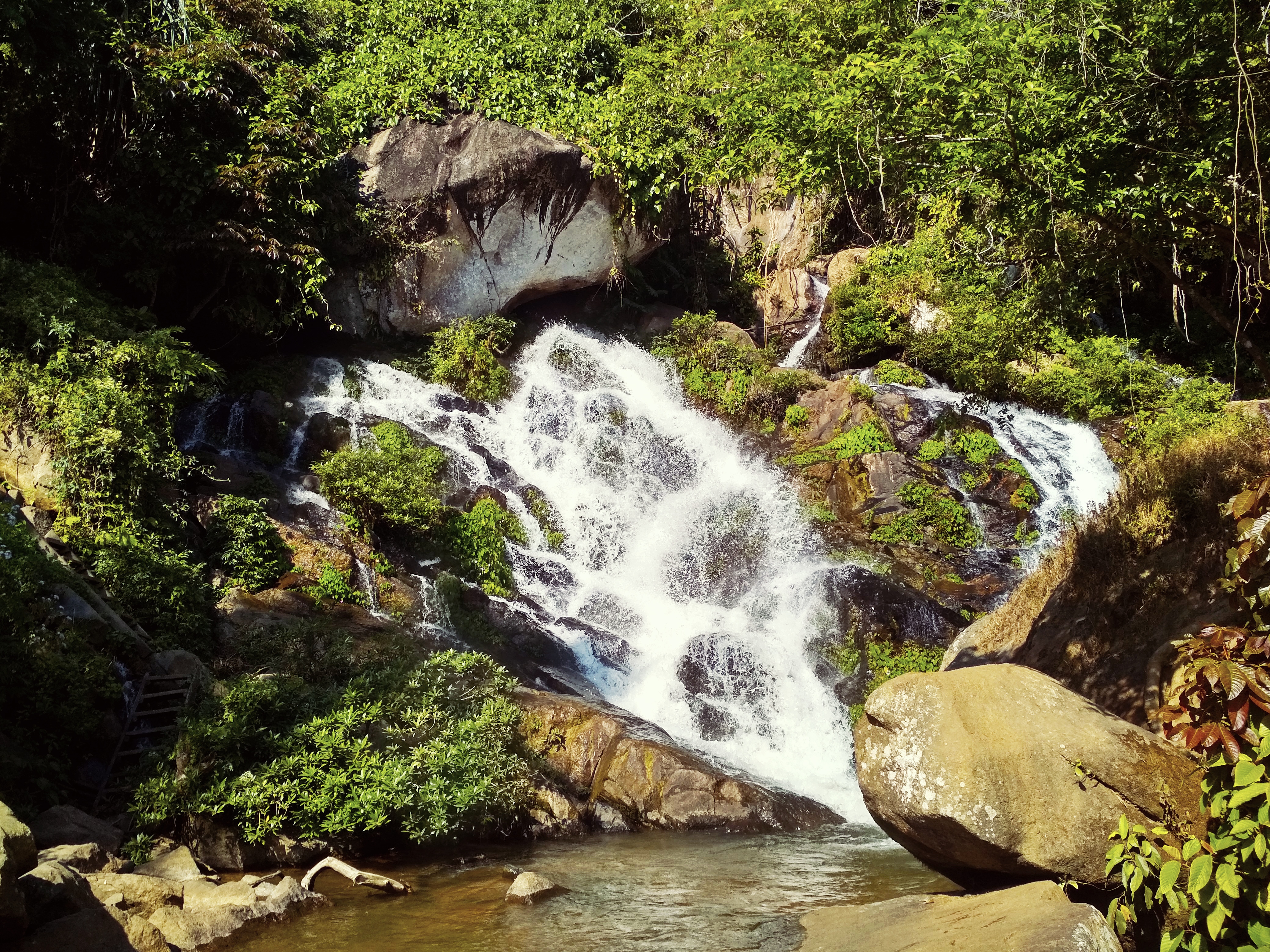
The terrain of central Assam shifts dramatically south of the Brahmaputra, rising into a series of rolling hills and dense forests that define Karbi Anglong. This is the largest district in Assam, a sprawling expanse that forms a crucial ecological corridor and is home to the Karbi people, an indigenous ethnic group with a distinct cultural identity.
History & Context
Historically, the region now known as Karbi Anglong was part of the larger tribal territories that maintained a semi-independent status for centuries, often interacting with the powerful Ahom kingdom. The Karbis, known traditionally as Arlengs, have inhabited these hills since ancient times, preserving their unique language, customs, and social structures. The district was officially formed in 1976 from parts of the erstwhile Mikir Hills district, named after the prominent Karbi Hills. Its boundaries have seen adjustments over time, with the creation of West Karbi Anglong district in 2015 marking a further administrative division aiming for more focused development and governance. The district remains a significant area for understanding indigenous self-governance and cultural preservation within Assam.
What Makes It Distinctive
Karbi Anglong is particularly distinctive for its preservation of traditional Karbi socio-cultural practices, visible in elements like their unique architectural style for homes. Many traditional Karbi houses are built on stilts, often with bamboo and thatch, designed to adapt to the hilly terrain and monsoonal climate. Additionally, the district hosts the annual Rongker festival, a significant agricultural festival celebrated at the beginning of the sowing season. This festival involves elaborate rituals performed by village elders, aiming for a bountiful harvest and protection from diseases and natural calamities. The Rongker is not just a prayer but a vibrant community event, often accompanied by traditional dances and music, offering a deep insight into the Karbi spiritual connection with nature and agriculture. These houses and festivals provide a tangible link to a way of life distinct from the plains of Assam.
Best Time to Visit
Visiting Karbi Anglong is best from October to March when the climate is cool and dry. October and November provide pleasant weather with post-monsoon greenery. December and January are cooler, ideal for exploring forests and outdoor activities, though mornings can be foggy. February and March remain comfortable before the onset of the pre-monsoon showers and rising temperatures.
How to Reach
- By Air: The nearest major airport is Lokpriya Gopinath Bordoloi International Airport (GAU) in Guwahati. From Guwahati, Diphu, the district headquarters, is approximately 250 km, a drive of about 5-6 hours.
- By Rail: Diphu Railway Station (DPU) is the primary railhead within the district, connected to major cities like Guwahati and Lumding. Other nearby stations include Lumding Junction.
- By Road: Karbi Anglong is well-connected by road. National Highway 36 (now part of NH-29) passes through the district. Regular bus services operate from Guwahati, Nagaon, and Dimapur to Diphu. The journey from Guwahati to Diphu takes approximately 5-6 hours.
Permits & Entry
No Inner Line Permit (ILP) is required for Indian citizens to enter Assam, including Karbi Anglong district. Foreign nationals do not require a Protected Area Permit (PAP) for most parts of Assam, but it is always advisable for all visitors to carry valid identification.
Nearby Attractions
- Garampani Wildlife Sanctuary: Known for its hot springs and home to various wildlife species including elephants and hoolock gibbons.
- Kakochang Waterfalls: A scenic waterfall offering a refreshing natural experience, particularly impressive during the monsoon season.
- Amreng: A popular picnic spot with a natural bridge and a river, known for its tranquil environment.
- Kohora Range, Kaziranga National Park: While not within Karbi Anglong, this range of the renowned Kaziranga National Park borders the district and offers iconic wildlife viewing, especially for the one-horned rhinoceros.
- Umrangso: A town known for the Kopili Hydro Electric Project and scenic landscapes around the reservoir.
Traveller Tips
- Carry sufficient cash as ATM availability can be limited outside major towns like Diphu. UPI payments are gaining traction but may not be universally accepted.
- Mobile network connectivity can be intermittent in remote areas; BSNL generally has wider coverage.
- Dress respectfully, especially when visiting local communities or attending festivals; conservative attire is advisable.
- Engage with local communities through guides to better understand Karbi culture and traditions.
- Be prepared for varying road conditions, particularly during the monsoon season.
- Respect local customs and traditions; always ask for permission before photographing people.
- Carry basic first-aid supplies and insect repellent, especially if planning jungle treks.
Frequently asked
Related
Plan Your Journey with Living Roots Expeditions
Travel Northeast India with a private guide, hand-picked hosts, and an itinerary shaped around your interests — culture, wildlife, festivals, or slow discovery. If this subject is why you are travelling, see our Northeast India tour packages.