Namchi district
Sikkim's Southern Gateway to Culture and Spirituality
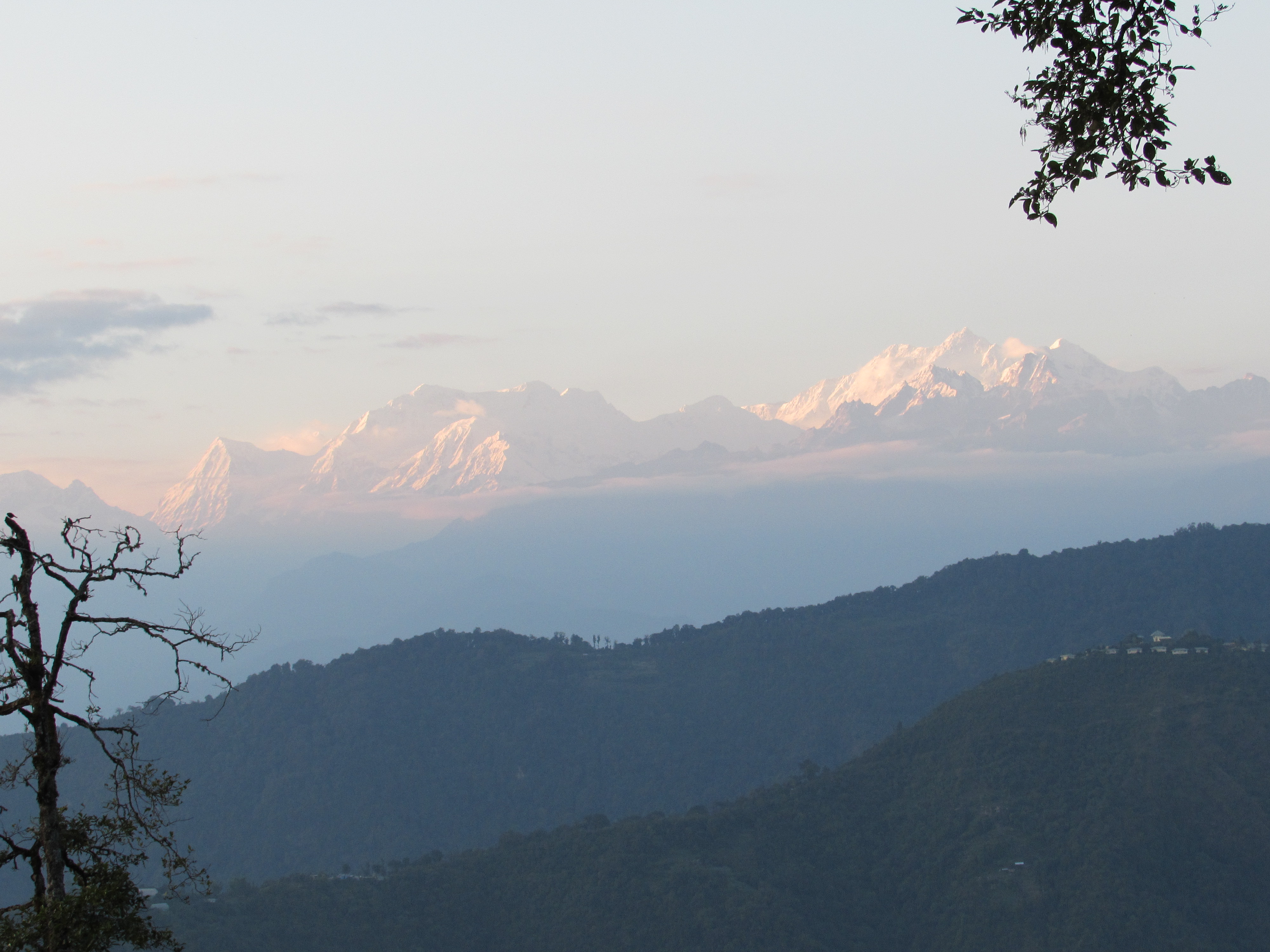
Namchi, the administrative headquarters of the district bearing the same name, sits gracefully in South Sikkim. This region, formerly known as South Sikkim, was rechristened Namchi District in 2021, marking a shift in its administrative identity while retaining its cultural essence. The name 'Namchi' translates to 'Sky High' in Bhutia, a fitting description for a place that offers expansive views of the surrounding Himalayan peaks, including Mount Kanchenjunga.
History & Context
The district's history is intertwined with the broader narrative of Sikkim. Established officially as a district in 1976 (then as South Sikkim), it has historically been a fertile agricultural region, contrasting with the more rugged terrains found elsewhere in the state. The renaming of the district to Namchi in 2021 was part of an administrative reorganization by the Government of Sikkim. This change consolidated its identity around its most prominent urban center, which has also seen significant development in terms of tourism infrastructure over the last few decades. The area has long been inhabited by Nepali, Bhutia, and Lepcha communities, whose distinct traditions have shaped the local cultural landscape. The presence of numerous monasteries and pilgrimage sites reflects a deep-rooted Buddhist spiritual heritage.
What Makes It Distinctive
Namchi District stands out for its unique blend of spiritual significance and monumental architecture. The centerpiece is the 'Char Dham' complex at Solophok, a sprawling pilgrimage site replicating the four revered Hindu pilgrimage destinations of India (Badrinath, Dwarka, Puri, and Rameswaram) and including a towering 108-foot statue of Lord Shiva. This ambitious project, completed to offer devotees in Sikkim access to these spiritual sites without having to travel across the country, draws pilgrims and tourists alike.
Another distinctive feature is the gigantic 135-foot statue of Guru Padmasambhava (Guru Rinpoche) at Samdruptse Hill. Consecrated by the Dalai Lama, this statue, sitting atop a lotus pedestal, is one of the tallest of its kind in the world and is visible from many parts of the district. The hill itself is believed to be a dormant volcano, holding sacred significance for the locals. Unlike many Himalayan towns focused solely on natural beauty, Namchi has consciously developed these cultural landmarks, creating a different kind of visitor experience focused on spiritual and cultural understanding, complementing the natural splendor.
Best Time to Visit
Namchi experiences a moderate climate, making it accessible throughout much of the year. The best period to visit is from March to May when rhododendrons bloom, and the weather is pleasantly cool with clear skies, offering unobstructed mountain views. Temperatures range from 10°C to 20°C. October to November also offers excellent conditions, post-monsoon, with crisp air and brilliant visibility, and temperatures similar to spring. The monsoon season, from June to September, brings heavy rainfall, which can lead to landslides and affect road conditions. Winters (December to February) are cold, with temperatures dropping to near freezing, and occasional snowfall at higher elevations, though the main town usually remains accessible.
How to Reach
Namchi District is well-connected by road.
- Nearest Airport: Bagdogra Airport (IXB) in West Bengal is approximately 124 km away. From Bagdogra, taxis and shared vehicles are available to Namchi, a journey that typically takes 4-5 hours.
- Nearest Railway Station: New Jalpaiguri (NJP) in West Bengal is the closest major railhead, about 118 km from Namchi. Similar to the airport, taxis and shared jeeps can be hired for the 4-5 hour road trip.
- Road: Namchi is accessible via NH10, which connects Siliguri to Gangtok. From major hubs like Siliguri/Bagdogra/NJP, the route generally passes through Teesta Bazar before ascending towards Namchi. A typical drive from Siliguri takes around 4-5 hours depending on road conditions and traffic.
Permits & Entry
For Indian nationals visiting Namchi District, no special permits are required. However, if travelling from other parts of India to Sikkim, standard identification (e.g., Aadhar card, Voter ID, Passport) is sufficient for entry into the state. Foreign nationals require an Inner Line Permit (ILP) to enter Sikkim. This can be obtained from designated offices in Siliguri, Bagdogra Airport, Rangpo, or Melli. The ILP is typically valid for 15 days, with the possibility of extension. Entry to specific sites like the Char Dham complex or Samdruptse Hill might have nominal entry fees, but specific amounts are not officially published nor are opening hours. Visitors are advised to confirm locally before travelling.
Nearby Attractions
- Tendong Hill: Offers panoramic views of the entire Kanchenjunga range and parts of the plains, also home to a small monastery.
- Maenam Wildlife Sanctuary: A significant biodiversity hotspot with rich flora and fauna, ideal for trekking and birdwatching.
- Ravangla: A picturesque town known for its Buddha Park (Tathagata Tsal) and stunning mountain vistas.
- Temi Tea Garden: Sikkim's only tea estate, offering guided tours and fresh tea tasting amidst lush plantations.
- Siddheshwar Dham: The Char Dham replica, offering a unique spiritual experience.
- Samdruptse: Site of the colossal Guru Padmasambhava statue, providing cultural insight and expansive views.
Traveller Tips
- Connectivity: Mobile network coverage is generally good in Namchi town, but can be sporadic in remote areas. Jio and Airtel typically offer the best reception.
- Cash/ATMs: ATMs are available in Namchi town. It's advisable to carry sufficient cash, especially for smaller purchases and in rural areas where digital payments might not be accepted.
- Dress Code: While visiting monasteries and religious sites, dress modestly, covering shoulders and knees. Remove footwear before entering prayer halls.
- Altitude: Namchi is at a moderate altitude (~1315m), so altitude sickness is generally not a concern, but staying hydrated is always recommended.
- Accommodation: Options range from budget guesthouses to mid-range hotels. Homestays are increasingly popular for an immersive cultural experience, particularly outside the main town.
- Photography Ethics: Always seek permission before photographing people, especially monks or during religious ceremonies. Be discreet and respectful.
- Local Transport: Shared taxis are common and economical for inter-district travel. For local sightseeing, private taxis can be hired.
- Plastic Ban: Sikkim has a strict plastic ban. Carry reusable water bottles and bags to reduce waste.
Frequently asked
Related
Plan Your Journey with Living Roots Expeditions
Travel Northeast India with a private guide, hand-picked hosts, and an itinerary shaped around your interests — culture, wildlife, festivals, or slow discovery. If this subject is why you are travelling, see our Northeast India tour packages.