Saitual district
A newly established administrative district in Mizoram, known for its strategic location and developing infrastructure.
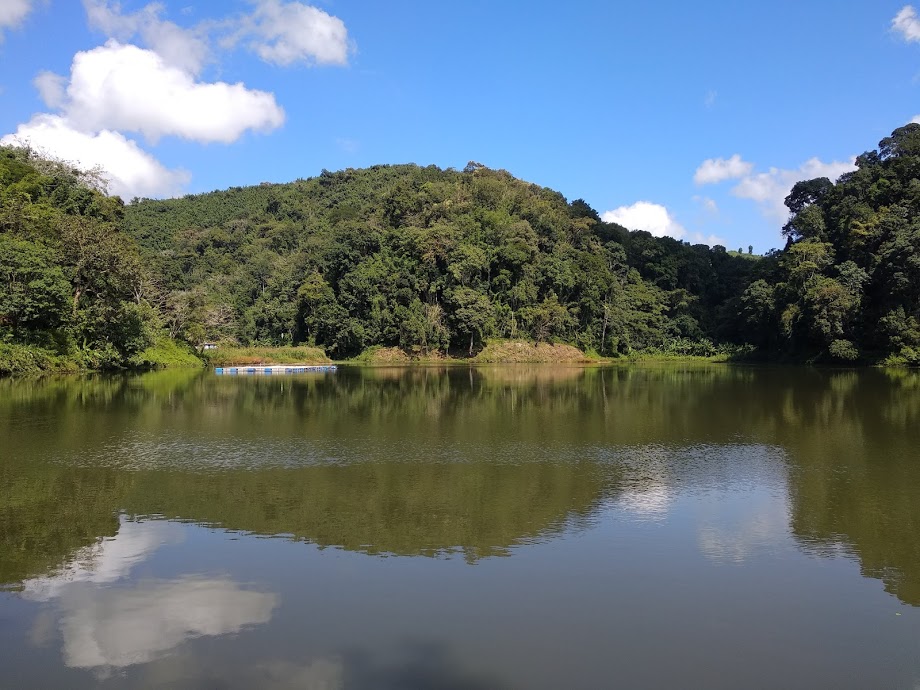
Saitual District, Mizoram
Saitual is one of the eleven administrative districts in the state of Mizoram, India. Carved out of the existing Aizawl and Champhai districts, Saitual was officially inaugurated on October 18, 2019, along with Khawzawl and Hnahthial districts. Its formation aimed to improve administrative convenience and bring governance closer to the people in this mountainous region.
History and Formation
The demand for creating new districts in Mizoram was a long-standing one, primarily driven by the desire for decentralized administration and more accessible public services. Saitual, located strategically between the state capital Aizawl and the eastern districts, was identified as a suitable headquarters for a new district. The process culminated in the official notification and subsequent inauguration, marking a significant step in the administrative restructuring of Mizoram. The move was expected to spur development and address the specific needs of the local populace more effectively.
Geography and Context
Saitual district is situated in the central part of Mizoram, characterized by its rugged terrain, dense forests, and numerous rivers and streams typical of the Mizo Hills. It shares borders with Aizawl district to the west and south, Kolasib district to the north, and Champhai district to the east. The district headquarters, Saitual town, is located approximately 73 kilometers east of Aizawl. The elevation varies across the district, contributing to diverse microclimates and ecosystems. The Tlawng River, one of Mizoram's major rivers, flows through parts of the district, influencing its geography and local livelihoods.
Demographics and Culture
As a relatively new district, detailed demographic data specifically for Saitual is still emerging. However, like the rest of Mizoram, the population is predominantly Mizo, comprising various Mizo sub-tribes. Christianity is the dominant religion, deeply influencing social customs, festivals, and daily life. The Mizo language is widely spoken. Traditional Mizo culture, including folk dances, music, and handicrafts, continues to be an integral part of the community. Festivals like Chapchar Kut, Mim Kut, and Pawl Kut are celebrated with enthusiasm, showcasing the rich cultural heritage of the Mizo people.
Economy and Livelihood
The economy of Saitual district is primarily agrarian, with a significant portion of the population engaged in farming. Shifting cultivation (jhum) has historically been practiced, though there is a growing emphasis on more sustainable and settled agricultural methods. Rice, maize, fruits, and vegetables are common crops. Government initiatives aim to promote horticulture, animal husbandry, and small-scale industries to diversify the local economy and create employment opportunities. The strategic location of Saitual on key transportation routes also offers potential for trade and commerce.
Administration and Infrastructure
Since its formation, the district administration has focused on establishing necessary infrastructure for governance and public services. This includes setting up district offices, enhancing road connectivity, and improving access to education and healthcare facilities. The establishment of Saitual as a district headquarters is expected to bring administrative services closer to rural communities, fostering more efficient development planning and implementation.
Environmental Significance
The hilly terrain and dense forests of Saitual district are part of the larger Indo-Burma biodiversity hotspot. The region is home to a variety of flora and fauna, though detailed surveys specific to the district are ongoing. Conservation efforts in Mizoram focus on preserving its rich natural heritage, and Saitual's forests play a role in maintaining ecological balance and supporting local ecosystems. The district offers potential for ecotourism, with its tranquil landscapes and opportunities for exploring natural beauty.
Tourism Potential
While not yet a major tourist destination, Saitual offers pristine natural beauty, serene landscapes, and an authentic Mizo cultural experience. The rolling hills, verdant valleys, and traditional Mizo villages provide a peaceful retreat for visitors. The developing infrastructure and increasing accessibility are likely to enhance its appeal for those seeking off-the-beaten-path experiences in Northeast India. Trekking, exploring local markets, and engaging with the community are potential activities for visitors.
Frequently asked
Related
Plan Your Journey with Living Roots Expeditions
Travel Northeast India with a private guide, hand-picked hosts, and an itinerary shaped around your interests — culture, wildlife, festivals, or slow discovery. If this subject is why you are travelling, see our Northeast India tour packages.