Soreng district
Sikkim's Newest District in the Western Foothills
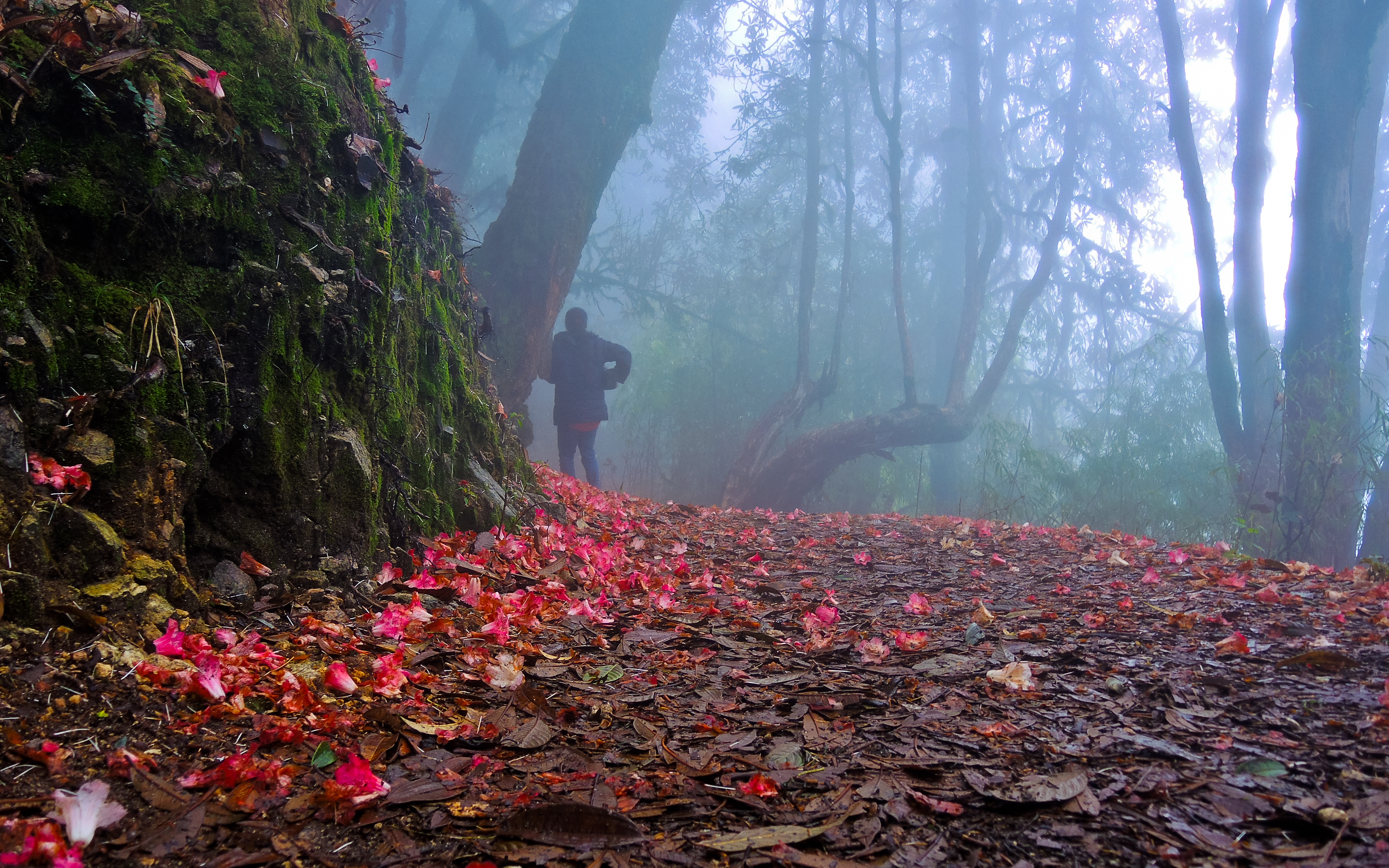
The road into Soreng traces a winding path through subtropical forests that gradually give way to cooler, higher elevations, revealing terraced fields sculpted into hillsides. Unlike the more established tourist circuits of East Sikkim, this relatively new district offers a quieter contemplation of life in the lower Himalayas, where agriculture remains central to daily existence. Established in 2021, the district represents a recent administrative reorganization in Sikkim, carving out a distinct identity from what was formerly a part of West Sikkim, promising new opportunities for focused development and local governance.
History & Context
The administrative formation of Soreng District on December 21, 2021, alongside Pakyong District, marked a significant restructuring of Sikkim's governance. The move aimed to decentralize administration and bring government closer to the populace, facilitating more efficient service delivery and development planning for these regions. Before its formation, the area now comprising Soreng was part of the larger West Sikkim District. This historical classification meant that its unique socio-economic and geographical characteristics were often subsumed within a broader regional identity. The creation of the district has spotlighted the specific challenges and potentials of its communities, primarily agricultural, with a diverse ethnic makeup of Nepali, Bhutia, and Lepcha populations, underscoring Sikkim's multicultural fabric.
What Makes It Distinctive
Soreng's distinction lies in its agricultural landscape and the rhythm of life it dictates. The district is known for its cardamom plantations, which thrive in its subtropical to temperate climate zones. Walking through these aromatic fields, especially when the plants are in bloom or fruit, offers a sensory experience unique to this part of Sikkim. Beyond cardamom, orange orchards are prevalent, particularly in the lower belt, adding seasonal splashes of colour and economic vitality. The district also serves as a gateway to the Geyzing-Soreng-Darjeeling route, a less-travelled track that offers expansive views of the Kangchenjunga range on clear days, away from the more trodden paths. The local markets, particularly Soreng town's weekly haat, provide a glimpse into the regional economy, where local produce, traditional crafts, and livestock are traded, reflecting a self-reliant agrarian community.
Best Time to Visit
The optimal time to visit Soreng District is during the post-monsoon period, from October to December, and again in the spring, from March to May.
- October to December: The skies clear up after the monsoon, offering crisp views of the surrounding hills and usually excellent visibility of distant peaks. Temperatures are mild and pleasant, ideal for outdoor activities. This period coincides with the harvest of some cash crops like cardamom. Average temperatures range from 10°C to 20°C.
- January to February: Winter months can be cold, with temperatures dropping below 5°C, and higher elevations might experience occasional frost. Visibility is generally good, but the cold can be sharp.
- March to May: Spring brings comfortable temperatures (15°C to 25°C) and blooming rhododendrons in higher reaches. The landscape is lush and vibrant. Pre-monsoon showers might begin towards late May.
- June to September: The monsoon season brings heavy rainfall, which can cause landslides and make road travel difficult and views obscured. While the landscape is verdant, it's generally less suitable for tourism.
How to Reach
Reaching Soreng involves a combination of air or rail travel to a regional hub, followed by a road journey.
- By Air: The nearest airport is Pakyong Airport (PYG) in Sikkim, approximately 60-70 km away, taking about 2-3 hours by road. Bagdogra International Airport (IXB) in West Bengal is a major air hub, about 130-140 km from Soreng, requiring a road journey of 4-5 hours. Bagdogra has better connectivity.
- By Rail: The nearest major railway station is New Jalpaiguri (NJP) in West Bengal, approximately 120-130 km from Soreng. The drive from NJP to Soreng takes about 4-5 hours by taxi or shared vehicle.
- By Road: Soreng is accessible by road from various towns in Sikkim and West Bengal. Regular taxi services and shared jeeps operate from Gangtok, Jorethang, and Melli. From Gangtok, it's about 80-90 km, a 3-4 hour drive. From Jorethang, a major road junction in South Sikkim, it's considerably closer.
Permits & Entry
Visitors to Sikkim, including Soreng District, require certain permits depending on nationality and specific areas of visit.
- Indian Nationals: No Inner Line Permit (ILP) is required for Indian citizens to visit Soreng or other general areas of Sikkim.
- Foreign Nationals: Foreign nationals require a Restricted Area Permit (RAP), also known as the Inner Line Permit (ILP), to enter Sikkim. This permit can be obtained on arrival at Rangpo and Melli checkposts, or in advance from Sikkim House offices in major Indian cities. The permit typically allows 15-day stays, extendable for a total of 60 days. While Soreng itself is not a restricted area requiring a separate permit, the RAP is essential for entry into Sikkim. Information is not officially published or may change. Visitors are advised to confirm locally before travelling.
Nearby Attractions
- Darap Village: A charming Limboo village known for its homestays and traditional hospitality, offering insights into local culture.
- Pelling: One of West Sikkim's most popular destinations, offering panoramic views of the Kangchenjunga range and home to the Pemayangtse Monastery.
- Yuksom: The historical first capital of Sikkim, significant for its serene Buddhist monasteries and as the trailhead for treks to Dzongri and Goecha La.
- Rinchenpong-Kaluk: Twin villages known for their tranquil environment, monasteries, and grand views of the Himalayas.
- Jorethang: A bustling town and major commercial hub in South Sikkim, located on the banks of River Rangeet, known for its annual Maghe Mela festival.
Traveller Tips
- Connectivity: Mobile network coverage can be intermittent outside Soreng town. BSNL and Jio generally have better reception in rural areas.
- ATMs: While Soreng town has a few ATMs, it's advisable to carry sufficient cash, especially when venturing to more remote villages, as their functionality can be unreliable.
- Dress Code: Dress in layers, as mountain weather can change quickly. Pack warm clothing, even in spring or autumn. For temple visits, modest attire covering shoulders and knees is appropriate.
- Altitude: Soreng town is at a moderate altitude (around 1,200 meters). However, some nearby areas might be higher. Stay hydrated to avoid altitude discomfort.
- Accommodation: Homestays are an excellent option for experiencing local culture and cuisine, particularly in villages surrounding Soreng. Book in advance, especially during peak seasons.
- Local Transport: Shared jeeps (sumos) are the primary mode of local transport between towns and villages. For more flexibility, hiring a private taxi is recommended.
- Ethical Photography: Always ask for permission before photographing people, especially in remote villages. Be respectful of local customs and privacy.
- Language: Basic Nepali phrases like 'Namaste' (hello), 'Dhanyabad' (thank you), and 'Kasto chha?' (how are you?) are well-received and can enhance interactions with locals.
Frequently asked
Related
Plan Your Journey with Living Roots Expeditions
Travel Northeast India with a private guide, hand-picked hosts, and an itinerary shaped around your interests — culture, wildlife, festivals, or slow discovery. If this subject is why you are travelling, see our Northeast India tour packages.