Bohag Bihu (Rongali)
Assam's Celebration of Spring and New Year
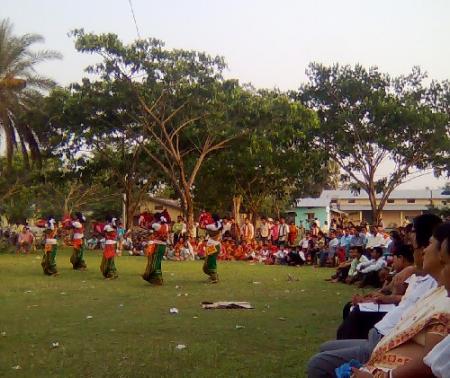
Bohag Bihu (Rongali Bihu)
Bohag Bihu, also known as Rongali Bihu, is the most important and vibrant of the three Bihu festivals celebrated in Assam, India. It marks the beginning of the Assamese New Year and the sowing season, falling in mid-April each year. The term 'Rongali' is derived from 'rong' meaning joy and celebration, perfectly encapsulating the spirit of this festival. Bohag Bihu is a multi-day festival deeply rooted in the agricultural cycles and cultural traditions of Assam.
Origins and Significance
Rongali Bihu has ancient origins, tracing back to the agrarian communities of Assam. It is fundamentally a harvest festival, celebrating the arrival of spring, agricultural prosperity, and fertility. The festival is a time for thanksgiving to nature for a bountiful harvest and prayers for future prosperity. It also strengthens community bonds and reflects the syncretic nature of Assamese culture, incorporating pre-Aryan traditions with elements of later influences.
Celebrations and Rituals
The celebrations of Bohag Bihu span several days, each with its unique rituals and significance:
-
Goru Bihu (Cattle Worship): The first day of Bohag Bihu is dedicated to the revered cattle, which are indispensable to agrarian life. Farmers bathe their cattle in rivers or ponds, anoint them with Pitha (turmeric and black lentil paste), and offer them brinjal and gourd. New ropes (pogha) are tied around their necks, and they are allowed to graze freely. This ritual symbolizes gratitude for their contribution to agriculture and seeks their well-being.
-
Manuh Bihu (Human Bihu): The second day is for humans, marking the official start of the Assamese New Year. People wake up early, take ritualistic baths, wear new clothes, and visit relatives and friends to exchange greetings and traditional sweets like 'pitha' and 'laru'. Gifts such as traditional woven towels (gamosa) are exchanged, symbolizing respect and love. Prayers are offered for health and prosperity.
-
Gosain Bihu (Deity Worship): This day is dedicated to invoking the blessings of the deities. People offer prayers and perform rituals for family welfare and good harvests.
-
Kutum Bihu (Visitor's Bihu): On this day, families visit relatives and friends, further strengthening social ties. It is a time for feasting and communal gatherings.
-
Senehi Bihu (Love Bihu): This day holds special significance for young people and lovers, with cultural performances and social interactions.
-
Mela Bihu (Fair Bihu): In some areas, the festival concludes with fairs (melas) featuring traditional games, cultural performances, and local crafts.
The Bihu Dance and Songs
Central to Bohag Bihu is the energetic Bihu dance, performed by young men and women. Dancers wear traditional Assamese attire – the 'Mekhela Sador' for women and 'dhoti-gamosa' for men. The dance is characterized by brisk hand movements, rhythmic steps, and swaying hips, accompanied by traditional musical instruments like the dhol (drum), pepa (buffalo hornpipe), gogona (a type of jaw harp), toka (bamboo clapper), and xutuli (clay whistle). Bihu songs, known as Bihugeet, are romantic and celebratory, often recounting tales of love, nature, and daily life, reflecting the joyous essence of the festival.
Cultural and Ecological Significance
Bohag Bihu is not just a religious or agricultural festival; it is a profound expression of Assamese identity and cultural heritage. It celebrates the deep connection between the Assamese people and nature, particularly the rivers, forests, and fertile plains that sustain their lives. The festival promotes communal harmony and serves as a significant platform for the preservation and transmission of traditional art forms, music, and dance from one generation to the next. The ecological aspect is subtly woven into the rituals, such as the veneration of cattle and the general respect for nature implicit in an agrarian society.
Frequently asked
Related
Plan Your Journey with Living Roots Expeditions
Travel Northeast India with a private guide, hand-picked hosts, and an itinerary shaped around your interests — culture, wildlife, festivals, or slow discovery. If this subject is why you are travelling, see specialist festival expeditions in Northeast India.