Losar
The Tibetan Buddhist New Year in the Land of the Dawn-Lit Mountains
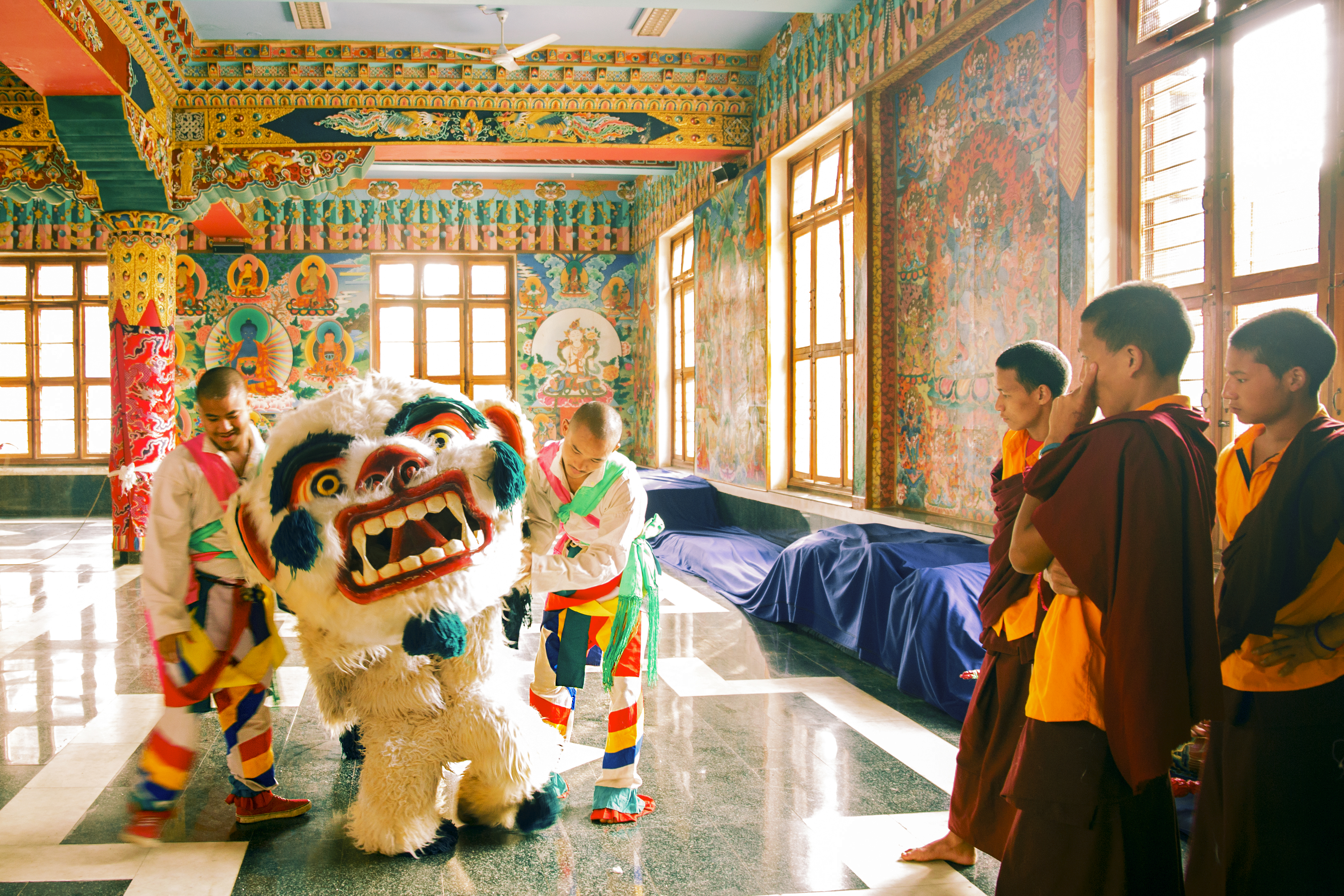
Losar, the Tibetan Buddhist New Year, brings a vibrant cascade of spirituality and cultural expression to Arunachal Pradesh. Across the high-altitude districts, primarily Tawang and West Kameng, monasteries and homes prepare for days of prayer, ritual, and communal feasting. Unlike a single day of celebration, Losar unfolds over several days, with core festivities typically spanning three, but preparations and smaller observances extending for up to fifteen. It marks a period of introspection, purification, and the welcoming of new beginnings, deeply rooted in the lunar calendar.
History & Context
Losar's origins can be traced back to pre-Buddhist traditions in Tibet, specifically a winter incense-burning festival. It later merged with elements of Buddhism, evolving into the complex set of rituals observed today. The central tenets of Losar revolve around cleansing the old year's negativities and invoking blessings for an auspicious new year. This is particularly significant for the Monpa, Memba, Sherdukpen, and Khamba communities of Arunachal Pradesh, whose cultural and religious identities are closely intertwined with Tibetan Buddhism. These communities share historical and religious ties with Tibet, reflected in their language, spiritual practices, and annual festivals. The celebration across these communities in Arunachal Pradesh is a direct reflection of their enduring cultural heritage, preserving ancient traditions that resonate across the Himalayas.
What Makes It Distinctive
While the broader theme of Losar—celebrating the New Year—is common across Tibetan Buddhist regions, the specific expressions in Arunachal Pradesh offer unique insights. Preparations begin weeks in advance, with thorough cleaning of homes, monasteries, and villages to purify the environment. Special dishes like Guthuk (a noodle soup with nine ingredients, often including dumplings containing symbolic items) are prepared. On the eve of Losar (Nyi Shu Gu), large bonfires are lit and effigies are burned to symbolically banish evil spirits and misfortunes of the past year.
The first day of Losar is typically a family affair, dedicated to sacred rituals within the home and offerings to deities. The second day, known as Gyla Pochen, involves visits to monasteries and exchanges of greetings with neighbours and friends. Monasteries become hubs of activity, with monks engaging in special prayers, masked dances (Cham dances), and Butter Lamp offerings. These Cham dances, often depicting the triumph of good over evil, are particularly captivating, with dancers adorned in elaborate costumes and masks. Prayer flags, both new and old, are hoisted and fluttering on houses and trees, symbolizing blessings carried by the wind. The aroma of juniper incense fills the air, creating a truly immersive sensory experience that sets the Arunachal Losar apart.
Best Time to Visit
Losar typically falls in February or March, corresponding with the lunar calendar. The exact dates vary each year. February and March in Tawang and West Kameng districts can still be quite cold, with temperatures often hovering around freezing point, sometimes with snow, especially in Tawang. Days are generally clear and sunny, but evenings are frosty. This period is dry, making travel conditions generally stable, though high passes may occasionally close due to heavy snowfall. Visiting during Losar allows travellers to witness the festival's spiritual and cultural depth firsthand, though warm clothing is essential.
How to Reach
To reach the primary Losar celebration sites like Tawang, the journey typically begins from Guwahati, Assam.
Nearest Airport: Guwahati's Lokpriya Gopinath Bordoloi International Airport (GAU). It is approximately 480 km from Tawang.
Nearest Railhead: Guwahati Railway Station.
Road Route (Guwahati to Tawang): The drive from Guwahati to Tawang is approximately 480 km and takes around 15-18 hours, often broken into two days with an overnight stop in places like Dirang or Bomdila. The route involves traversing winding mountain roads, including the Sela Pass (4,170 meters), which can be snow-bound in winter. Shared taxis and hired vehicles are available from Guwahati to Bomdila/Dirang and then onwards to Tawang.
Permits & Entry
For Indian citizens, an Inner Line Permit (ILP) is required to enter Arunachal Pradesh. These can be obtained online from the Arunachal Pradesh government website or in person from resident commissioner offices in major cities like Guwahati, Kolkata, Delhi, and Shillong. For foreign nationals, a Protected Area Permit (PAP) is mandatory. This permit is typically arranged through registered tour operators and requires prior application.
Nearby Attractions
- Tawang Monastery: One of the largest Buddhist monasteries in India, a spiritual landmark and architectural marvel.
- Chillipam Monastery: A visually striking monastery near Rupa, known for its intricate artistry and serene environment.
- Dirang Dzong (Kalachakra): An ancient fort and monastery complex reflecting traditional Monpa architecture.
- Sela Pass: A high-altitude mountain pass offering panoramic views, often snow-covered during winter.
- Jung Falls (Nuranang Falls): A magnificent waterfall near Jang, captivating for its natural beauty.
- Bhalukpong: A charming town on the Assam-Arunachal Pradesh border, ideal for river rafting and angling on the Kameng River.
Traveller Tips
- Book in Advance: Accommodation, especially in Tawang, fills up quickly during the Losar period. Book hotels or homestays well in advance.
- Warm Clothing: Dress in multiple layers, including thermals, heavy woolens, and a windproof jacket, as the weather is consistently cold.
- Altitude Sickness: Tawang is at a high altitude. Acclimatise gradually, stay hydrated, and avoid strenuous activity on the first day. Consult a doctor about preventive medication.
- Connectivity: Mobile network coverage (especially for data) can be patchy, particularly outside Tawang town. BSNL generally has better coverage in remote areas.
- Cash: While ATMs are available in Tawang and Dirang, carrying sufficient cash is advisable, especially for smaller purchases in remote areas.
- Respectful Photography: Always seek permission before photographing people, especially during religious ceremonies. Monks and locals generally appreciate respectful engagement.
- Cultural Sensitivity: When visiting monasteries, remove your shoes and dress modestly (shoulders and knees covered). Walk clockwise around chortens and prayer wheels.
- Carry ID and Permits: Always keep your ILP/PAP and a valid ID handy, as checks are frequent along the route.
Frequently asked
Related
Plan Your Journey with Living Roots Expeditions
Travel Northeast India with a private guide, hand-picked hosts, and an itinerary shaped around your interests — culture, wildlife, festivals, or slow discovery. If this subject is why you are travelling, see specialist festival expeditions in Northeast India.