Rongker
The Karbi Festival of Harvest and Protection
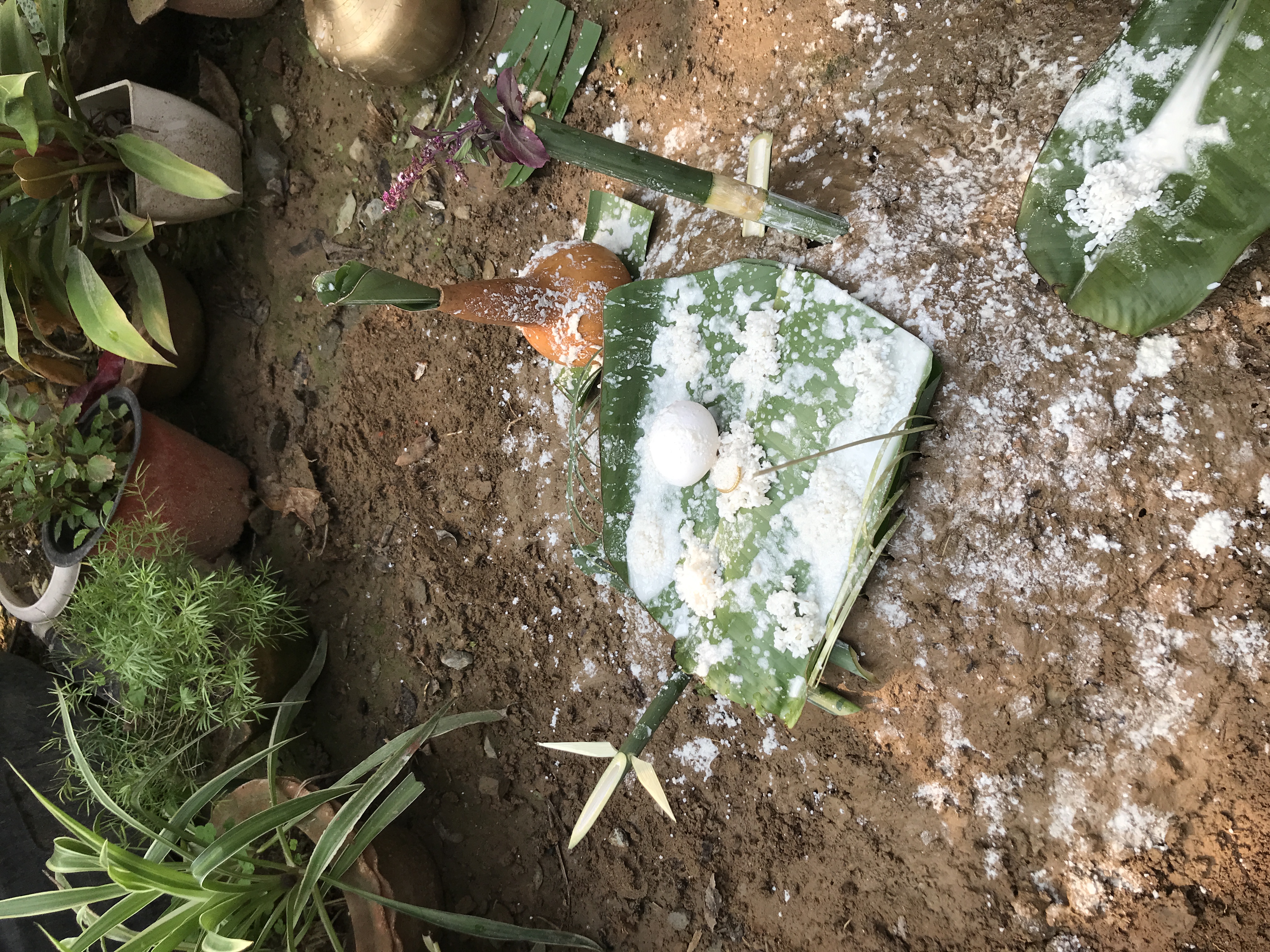
Deep within the undulating topography of Assam, where the Karbi Hills cradle verdant valleys and diverse communities, a profound annual ritual unfolds. This is the Rongker, the most significant festival of the Karbi people, a vibrant celebration steeped in ancient beliefs and agricultural rhythms. It is not merely a festivity but a vital communal observance, an elaborate offering to deities for a bountiful harvest, protection from illness, and the overall well-being of the village.
History & Context
The Karbi ethnic group, one of the indigenous communities of Assam, has historically been deeply connected to the land and its cycles. Their social and religious structures are largely animistic, revering a pantheon of deities associated with nature. Rongker, celebrated annually, is a testament to this profound relationship. It is a pre-harvest festival, typically observed before the critical sowing period for the main crops. The timing underscores its primary purpose: to invoke blessings for successful cultivation and to ward off natural calamities and epidemics that could jeopardize the community's livelihood. The festival serves as a cultural anchor, reinforcing social bonds and transmitting ancestral knowledge across generations.
What Makes It Distinctive
Unlike many harvest festivals that are riotous celebrations, Rongker is distinguished by its solemnity and a complex series of rituals and prohibitions. The core of the festival revolves around propitiating the various village deities, known as 'Hemphu', 'Ajo-Angtangli', 'Kukuri', and others, who are believed to protect the village from evil spirits and misfortune. The entire village participates, with specific roles assigned to different age groups and genders. Men, particularly the village elders and priests (known as 'Kurup'), lead the principal rituals, which include animal sacrifices, usually chickens and pigs, conducted at designated sacred spots outside the village boundary. The blood and meat are offered to the deities, symbolising a plea for protection. A unique aspect is the communal feast, where the sacrificed animals are cooked and shared among all villagers, fostering unity. During the festival's duration, certain restrictions are placed on the villagers, such as prohibitions against loud noises, quarrels, or leaving the village, all intended to maintain the sanctity of the ritual. The focus is singularly on collective well-being rather than individual revelry.
Best Time to Visit
Rongker is typically celebrated in January or February, after the winter harvest but before the new agricultural cycle begins. The exact dates are determined by the Karbi lunar calendar, so they vary slightly each year. During these months, the weather in Karbi Anglong district is generally pleasant, with cool mornings and evenings, and mild, sunny days. This period offers comfortable conditions for observing the outdoor rituals. Visitors should confirm the exact festival dates with local authorities or cultural organizations closer to their travel period.
How to Reach
Karbi Anglong district, where Rongker is primarily celebrated, covers a large geographical area in central Assam. The main town is Diphu.
- By Air: The nearest major airports are at Guwahati (GAU), approximately 250 km / 5-6 hours drive from Diphu, and Jorhat (JRH), approximately 150 km / 3-4 hours drive from Diphu. From these airports, one can hire private taxis or take state transport buses.
- By Rail: Diphu has its own railway station (DPU), which is well-connected to major cities in Assam like Guwahati and Lumding. Lumding Junction is a significant railway hub. For instance, a train from Guwahati to Diphu can take around 4-5 hours.
- By Road: Karbi Anglong is accessible by road. National Highway 27 (formerly NH 36) passes through the district. Diphu is approximately 250 km from Guwahati, a drive that can take 5-6 hours depending on road conditions. Regular private and state-run bus services connect Diphu with Guwahati and other towns in Assam.
Information on specific bus timings and fares is not officially published or may change. Visitors are advised to confirm locally before travelling.
Permits & Entry
No special permits are required for Indian citizens to visit Karbi Anglong district in Assam. Foreign nationals also do not require a Protected Area Permit (PAP) or Restricted Area Permit (RAP) for Assam. However, standard identification documents are always necessary for travel and hotel check-ins.
Nearby Attractions
- Singhason Peak: The highest peak in Karbi Anglong, offering panoramic views of the surrounding hills and valleys, ideal for trekking enthusiasts.
- Amreng Waterfall: A picturesque natural waterfall, especially vibrant during and after the monsoon season, located amidst lush greenery.
- Garampani Wildlife Sanctuary: Known for its hot springs and diverse avian population, a smaller sanctuary offering a glimpse into local biodiversity.
- Umrangso Lake: A large reservoir offering boating opportunities and serene landscapes, perfect for relaxation.
- Botanical Garden, Diphu: A well-maintained garden showcasing a variety of local flora, providing educational insights into the region's plant life.
Traveller Tips
- Cultural Sensitivity: Rongker is a sacred event. Observe rituals from a respectful distance and seek permission before taking photographs, especially of people.
- Modest Dress: Dress modestly, particularly if attending any parts of the ceremonies, to show respect for local customs.
- Local Transport: Public transport within Karbi Anglong can be limited. Hiring a private vehicle or shared taxi is often the most convenient way to explore.
- Connectivity: Mobile network coverage can be sporadic in remote parts of the district. Be prepared for limited internet access.
- Accommodation: Accommodation options in Diphu are generally basic. Booking in advance is advisable, especially during festival times.
- Food: Sample Karbi traditional cuisine, which often includes local herbs and meat preparations. Ask for local recommendations.
- Cash: While ATMs are available in Diphu, smaller towns or villages may have limited facilities. Carry sufficient cash for minor expenses.
- Guide: Consider hiring a local guide who can offer insights into the cultural significance of the festival and help navigate local customs.
Frequently asked
Related
Plan Your Journey with Living Roots Expeditions
Travel Northeast India with a private guide, hand-picked hosts, and an itinerary shaped around your interests — culture, wildlife, festivals, or slow discovery. If this subject is why you are travelling, see specialist festival expeditions in Northeast India.