Laokhowa Wildlife Sanctuary
On the Brahmaputra's southern bank, a story of ecological loss and the difficult road to recovery.
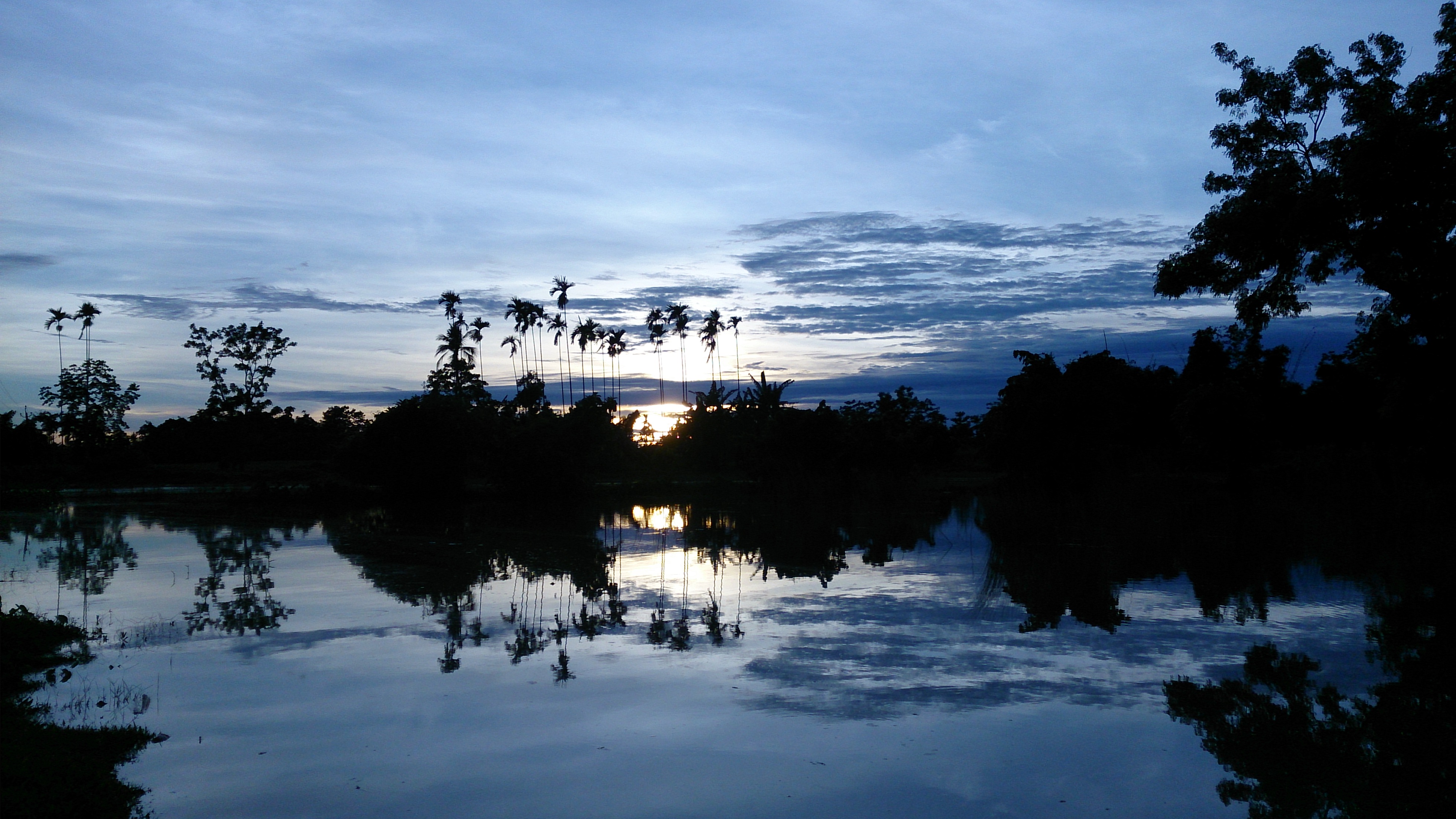
The grasslands ripple in the afternoon wind, stretching towards the vast, hazy expanse of the Brahmaputra River. This floodplain on the river’s southern bank holds a quiet but profound story. Once a haven for the Indian rhinoceros, Laokhowa Wildlife Sanctuary today stands as a testament to the fragility of ecosystems and the arduous, long-term commitment required for their restoration. To visit is not just to see wildlife, but to understand a landscape shaped by both nature's power and human fallibility.
History & Context
Officially designated a sanctuary on June 10, 1972, this 70 square kilometre patch was historically a vital rhino habitat. It formed a contiguous wildlife corridor with other protected areas along the Brahmaputra. The sanctuary's darkest chapter unfolded in the 1980s. A period of intense social unrest in Assam provided cover for organized poaching syndicates. Between 1983 and the early 1990s, the entire rhino population of Laokhowa, once numbering over 70 individuals, was systematically hunted and wiped out. This local extinction was a catastrophic blow to conservation efforts in the region.
For nearly two decades, the sanctuary remained a silent grassland, a ghost of its former self. The path to recovery began with recognizing its potential as part of a larger, functional landscape. The forest department and conservation partners focused on habitat restoration and strengthening anti-poaching measures, laying the groundwork for a future where rhinos might return.
What Makes It Distinctive
Laokhowa's unique identity today is inseparable from its neighbour, the Burhachapori Wildlife Sanctuary. Together, they form the Laokhowa-Burhachapori Protected Area Complex, a crucial ecological unit of over 114 square kilometres. This complex serves as a critical buffer and satellite habitat for the dense animal populations of Kaziranga and Orang National Parks. Its true significance lies in its role in the Indian Rhino Vision 2020 (IRV2020) program and subsequent efforts.
After years of preparation, rhinos were translocated from other parks back into the Burhachapori part of the complex, with the eventual goal of repopulating the entire landscape, including Laokhowa's grasslands. This makes a visit here a powerful experience: you are witnessing a landscape in the process of being healed. While rhino sightings are not guaranteed and far less common than in Kaziranga, the presence of elephants, wild water buffalo, hog deer, and a rich array of birdlife, including the Bengal Florican, make it a rewarding destination for the patient observer.
Best Time to Visit
Like most wildlife reserves in Assam, the ideal period to visit is during the dry winter and spring months.
- November to February: The weather is cool and pleasant. The post-monsoon vegetation has dried out, improving visibility for spotting animals. This period is excellent for birdwatching, as migratory species are present.
- March to April: Temperatures rise, but this is often the best time for mammal sightings. Animals are frequently drawn to the remaining water bodies (
beels) as other sources dry up. The park closes with the onset of the monsoon. - May to October: The sanctuary is closed to visitors as the monsoon rains inundate the low-lying grasslands, making roads impassable and allowing the ecosystem to regenerate.
How to Reach
- By Air: The nearest airport is Lokpriya Gopinath Bordoloi International Airport (GAU) in Guwahati, approximately 140 km away (a 3.5 to 4-hour drive).
- By Rail: The nearest major railway station is Guwahati (GHY). The closest local station is Nagaon (NBN), about 25 km from the sanctuary entrance.
- By Road: Laokhowa is well-connected by road. It is located about 25 km from Nagaon town, the district headquarters. From Guwahati, one can drive via NH27 towards Nagaon and then take the local road to the sanctuary.
Permits & Entry
As a wildlife sanctuary in Assam, Indian citizens do not require an Inner Line Permit (ILP), and foreign nationals do not require a Protected Area Permit (PAP). Standard entry and vehicle safari fees are applicable at the gate.
Information is not officially published or may change. Visitors are advised to confirm locally before travelling.
Nearby Attractions
- Burhachapori Wildlife Sanctuary: Immediately adjacent to Laokhowa, it forms the other half of the conservation complex and offers similar landscapes and wildlife viewing opportunities.
- Kaziranga National Park and Tiger Reserve: About 80 km east, this UNESCO World Heritage Site is world-famous for its dense population of Indian rhinoceros and tigers.
- Orang National Park and Tiger Reserve: Located on the north bank of the Brahmaputra, roughly 60 km away (though requiring a river crossing or a long road loop), it is often called 'Mini Kaziranga' for its similar terrain and fauna.
- Nagaon Town: The district hub, offering a glimpse into the life of central Assam with markets and local eateries.
- Bordowa Thaam: Located near Nagaon, this is the revered birthplace of the 15th-century Vaishnavite saint and reformer Srimanta Sankardeva, a major pilgrimage site in Assam.
Traveller Tips
- Manage expectations: This is not Kaziranga. Wildlife is more dispersed and sightings require more patience. The reward is a less crowded, more elemental experience.
- Hire a local guide. Their knowledge of the terrain and animal movements is invaluable. They can also share the oral history of the poaching crisis and subsequent recovery efforts.
- There are no ATMs or reliable mobile connectivity inside the sanctuary. Carry sufficient cash and inform your contacts of your plans beforehand.
- Wear muted, earth-toned clothing (khaki, green, beige) to blend in with the environment and avoid startling wildlife.
- Bring binoculars. Much of the viewing, especially for birds, happens at a distance across the grasslands and wetlands.
- For accommodation, options are limited to a basic forest rest house or hotels in the nearby town of Nagaon.
- The terrain is flat, but safari drives can be bumpy. Be prepared for a rustic ride.
- Drink sufficient water, especially from March onwards, as it can get quite hot and dry during the day.
Frequently asked
Related
Plan Your Journey with Living Roots Expeditions
Travel Northeast India with a private guide, hand-picked hosts, and an itinerary shaped around your interests — culture, wildlife, festivals, or slow discovery. If this subject is why you are travelling, see private wildlife and birding journeys.