Arunachal Pradesh
India's remote northeastern state, a land of diverse tribes, Himalayan vistas, and unparalleled biodiversity.
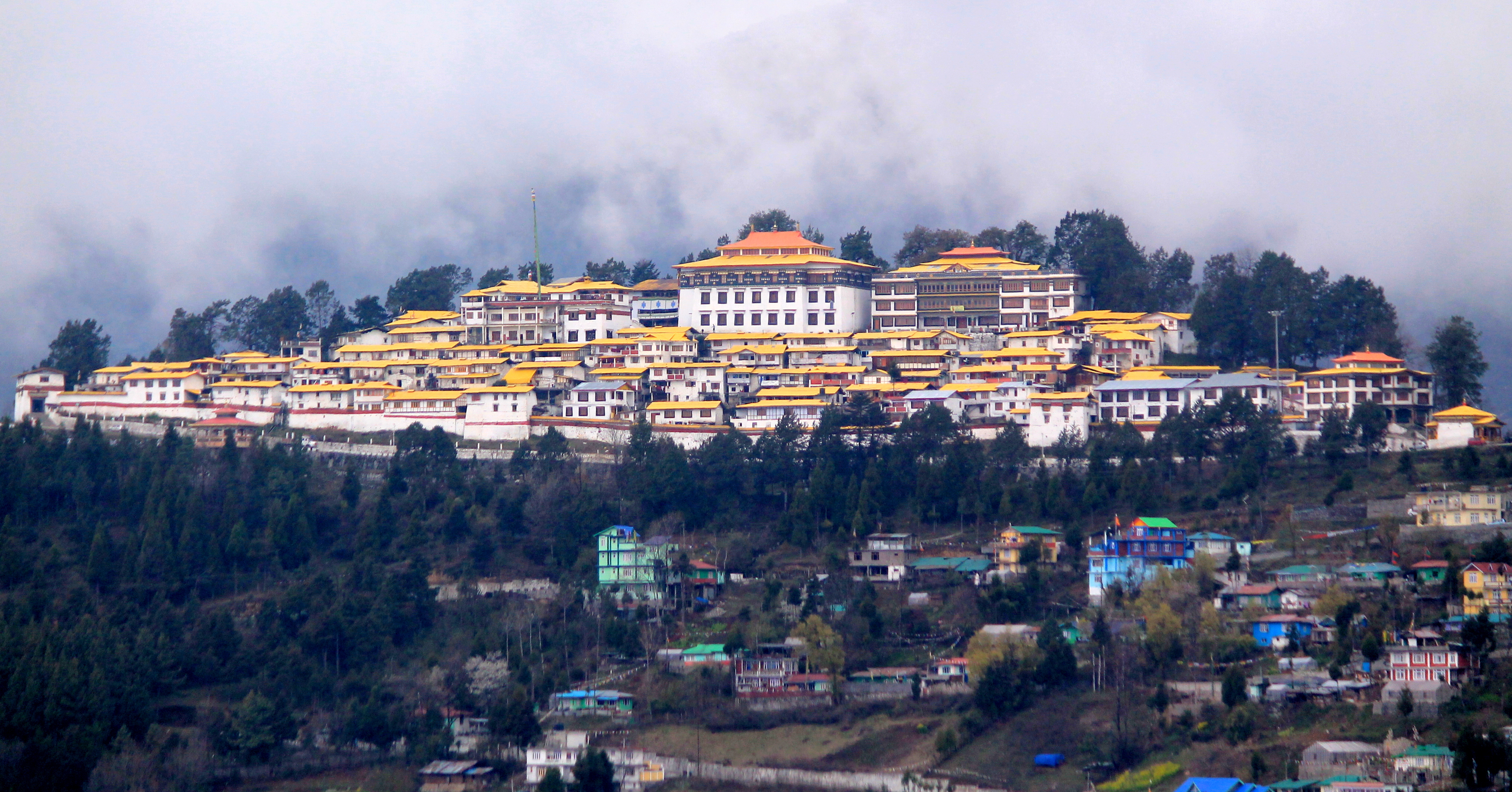
Referred to as the 'Land of the Dawn-Lit Mountains,' Arunachal Pradesh is India's northeastern-most state, sharing borders with Bhutan, China (Tibet), and Myanmar. It is a land of breathtaking natural beauty, characterized by rugged Himalayan terrain, lush forests, and a remarkable diversity of cultures and ecosystems.
History and Context
For much of its history, the region's mountainous terrain kept it relatively isolated. The area was historically known to the Ahom kings of Assam but was not formally integrated into British India. After India's independence in 1947, it was established as the North-East Frontier Agency (NEFA) and administered by the Ministry of External Affairs due to its strategic importance. The region was the site of significant conflict during the 1962 Sino-Indian War. It was granted Union Territory status on 20 January 1972 and renamed Arunachal Pradesh. It became a full-fledged state of the Indian Union on 20 February 1987.
Geography and Biodiversity
Arunachal Pradesh is almost entirely mountainous, with its elevation ranging from the Assam plains to glaciated peaks of the Eastern Himalayas. Major rivers, including the Kameng, Subansiri, Siang (the main trunk of the Brahmaputra), Dibang, and Lohit, carve deep gorges through the landscape.
The state is a global biodiversity hotspot. With over 80% forest cover, its ecosystems host an extraordinary range of flora and fauna. According to the Botanical Survey of India, Arunachal Pradesh has one of the highest diversity of plant species in the country. It is home to several key protected areas:
Key Protected Areas
- Namdapha National Park: Located in the Changlang district, it is unique in India as it is home to four species of big cats: the tiger, leopard, clouded leopard, and snow leopard. Its altitudinal variation from 200m to over 4,500m supports a wide range of habitats.
- Mouling National Park: Situated in the Siang Valley, this park was created to protect the region's biodiversity, particularly in the watershed of the Siang River.
- Sessa Orchid Sanctuary: Home to over 200 species of orchids, this sanctuary is a testament to the state's incredible botanical wealth.
Culture and People
Arunachal Pradesh is one of Asia's most ethnically diverse regions, home to a multitude of distinct tribal groups. The main tribes include the Adi, Nyishi, Apatani, Galo, Tagin, and the Monpa. While English is the official language, over 50 local dialects are spoken.
- The Monpa of Tawang and West Kameng are predominantly Tibetan Buddhists, and their culture is closely linked to that of Tibet. The 17th-century Tawang Monastery is one of the most important centers of Mahayana Buddhism in the world.
- The Apatani of the Ziro Valley are renowned for their sophisticated sustainable agriculture system, which integrates paddy cultivation with fish farming. The Apatani Cultural Landscape is on UNESCO's Tentative List for World Heritage status.
- The Nyishi are the most populous tribe, known for their traditional longhouses and distinctive cane helmets.
- Many other groups, like the Adi and Galo, traditionally follow the Donyi-Polo faith, an animistic belief system centered on the worship of the sun (Donyi) and moon (Polo).
How to Visit
Due to its sensitive border location, travel to Arunachal Pradesh is regulated.
- Inner Line Permit (ILP): Required for all domestic tourists (Indian citizens).
- Protected Area Permit (PAP): Required for all foreign nationals. Permits must specify the exact regions to be visited.
Major destinations include Tawang for its monasteries and high-altitude passes, Ziro Valley for its unique culture and the Ziro Festival of Music, the Siang Valley for adventure and river rafting, and Mechuka for its pristine landscapes.
Frequently asked
Related
Plan Your Journey with Living Roots Expeditions
Travel Northeast India with a private guide, hand-picked hosts, and an itinerary shaped around your interests — culture, wildlife, festivals, or slow discovery. If this subject is why you are travelling, see our Northeast India tour packages.