Anal people
An Indigenous Community of Manipur's Southeastern Hills
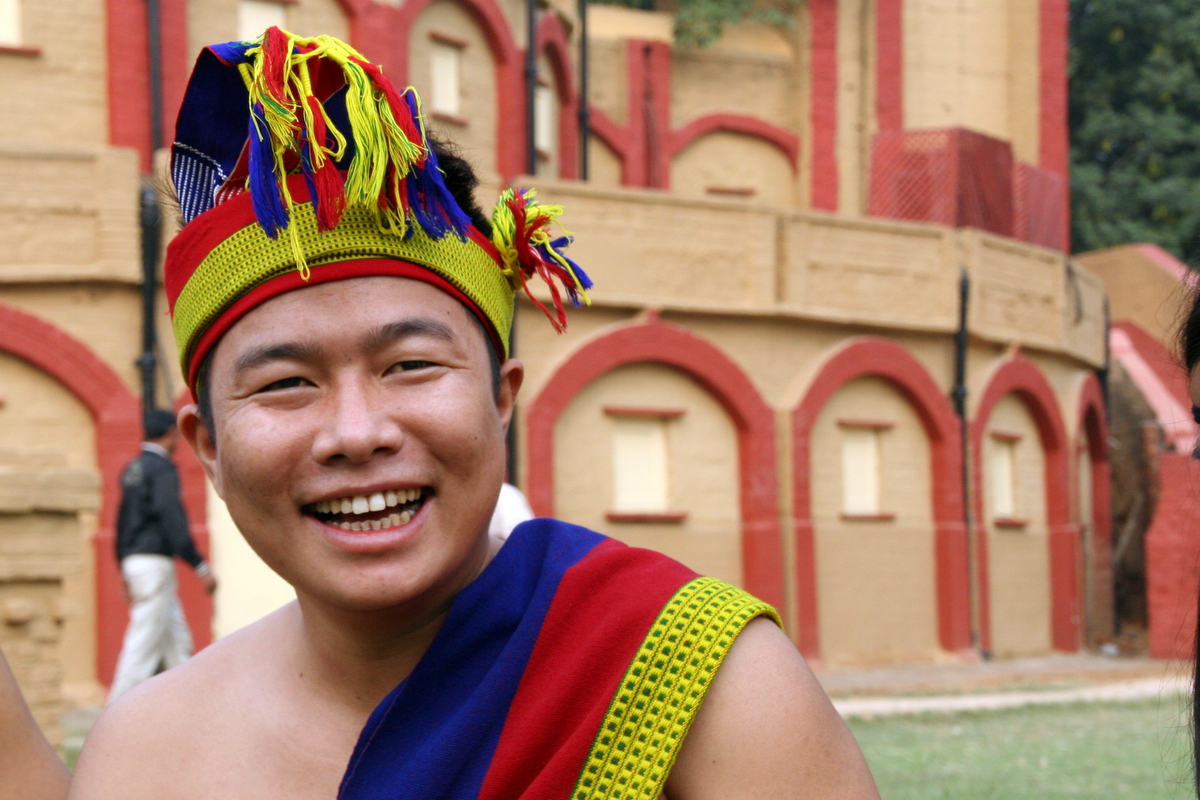
Anal People
The Anal people are an indigenous tribal community primarily inhabiting the southeastern part of Manipur, India, particularly concentrated in the Chandel district. They are recognized as one of the Scheduled Tribes of India. Their traditional territory extends into parts of neighboring Myanmar.
History and Origin
The Anal trace their ancestry to the 'Kuki' or 'Chin' group of tribes, a broad ethno-linguistic classification. Oral traditions and folklore suggest migrations from the regions now known as Myanmar. The term 'Anal' itself is believed to mean 'arrival' or 'come down from above', possibly referring to their migration history. Historically, the Anals, like many other hill tribes, maintained a self-sufficient village economy and governance structure, often characterized by a chiefdom system. Their history is intertwined with inter-tribal relations and, in later centuries, with the expanding influence of colonial powers and subsequently the Indian state.
Geography and Settlements
Anal villages are predominantly found in the hilly terrains of Chandel district, close to the international border with Myanmar. This geographical location has historically influenced their socio-economic life, involving trade and cultural exchange with communities across the border. Their settlements are typically nestled amidst hills and forests, reflecting a strong connection to their natural environment. The region is characterized by a monsoon climate, with dense vegetation and rivers, impacting their agricultural practices and daily life.
Language
The Anal people speak the Anal language, which belongs to the Kuki-Chin sub-branch of the Tibeto-Burman language family. The language has its own distinct phonology and grammar, though it shares features with other Kuki-Chin languages. While Anal is the primary language spoken within their communities, many Anals are also conversant in Meitei (Manipuri), the lingua franca of Manipur, and Hindi or English, especially the younger generations, due to education and increased interaction with external communities.
Culture and Traditions
Anal culture is rich and vibrant, characterized by distinctive customs, social structures, and festivals. Agriculture forms the backbone of their economy, with shifting cultivation (jhum) traditionally practiced, alongside settled agriculture. Rice is the staple crop, supplemented by various vegetables and fruits.
Social Organization: The Anal society is traditionally patriarchal, with clans playing a significant role in social identification and marriage alliances. Village elders and chiefs held considerable authority in resolving disputes and administering justice according to customary laws.
Festivals: Festivals are integral to Anal life, often centered around the agricultural cycle or significant social events. 'Ruithun' (harvest festival) and 'Asha' (a pre-harvest festival) are important occasions marked by traditional dances, songs, and communal feasts. These festivals are opportunities for community bonding and the reaffirmation of cultural identity.
Art and Craft: The Anals are known for their traditional weaving. Women intricately weave textiles with geometric patterns and vibrant colors, producing shawls, bags, and traditional garments. Wood carving, particularly household items and decorative motifs, also forms a part of their material culture.
Religion: While traditional Anal religion involved animistic beliefs and the worship of various spirits, a significant proportion of the community has converted to Christianity, largely due to missionary activities that began in the early 20th century. However, elements of their traditional beliefs and practices often persist alongside Christian faith, particularly in rituals and cultural expressions.
Contemporary Context
In modern India, the Anal community is navigating the challenges and opportunities of development, modernization, and cultural preservation. Efforts are being made by community organizations to document and promote their language, oral traditions, and cultural heritage. They participate in the democratic processes of the state, with representatives in local and state governance. Education and outreach are crucial for their continued socio-economic progress while maintaining their distinct cultural identity.
Frequently asked
Related
Plan Your Journey with Living Roots Expeditions
Travel Northeast India with a private guide, hand-picked hosts, and an itinerary shaped around your interests — culture, wildlife, festivals, or slow discovery. If this subject is why you are travelling, see our tribal tours of Northeast India.