Phodong Monastery
An Ancient Nyingma Monastery in North Sikkim
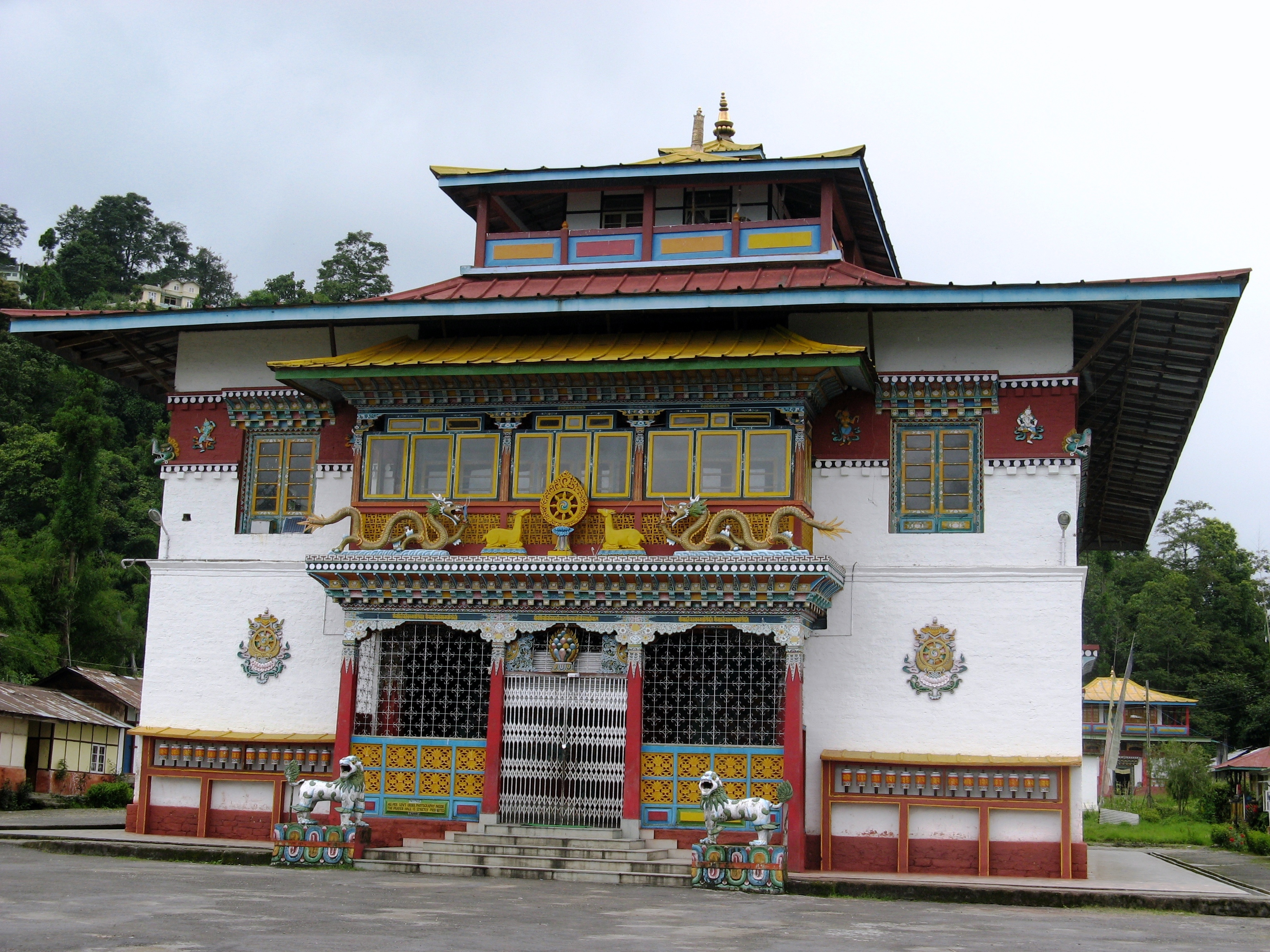
Amidst the deep green folds of the North Sikkim Himalayas, where prayer flags flutter against a backdrop of rhododendron-clad hills, stands Phodong Monastery. This 18th-century edifice, primarily belonging to the Nyingma order of Tibetan Buddhism, radiates a palpable sense of peace and history. Its architecture, adorned with rich frescoes and ancient thangkas, tells a narrative of centuries of spiritual practice and cultural preservation in a region where faith is deeply woven into the daily fabric of life.
History & Context
Phodong Monastery traces its origins to the early 18th century, established during the reign of Chador Namgyal, the third Chogyal (monarch) of Sikkim. While sources vary slightly on the exact founding year, it is widely accepted to have been completed around 1740 AD. The monastery has undergone several renovations and expansions over the centuries, notably a significant rebuilding in the early 20th century. Its affiliation with the Nyingma school, the oldest of the four major schools of Tibetan Buddhism, underscores its historical significance in bringing and propagating Vajrayana Buddhism in Sikkim. It served, and continues to serve, as a crucial spiritual and educational center for the local Buddhist community.
What Makes It Distinctive
What truly sets Phodong Monastery apart are its exquisite murals and its vibrant annual festivals. The monastery houses a remarkable collection of ancient frescoes that depict deities, mandalas, and scenes from Buddhist mythology. Unlike some of the newer, more brightly painted monasteries, Phodong's interior walls carry the patina of age, the colours softened but the narratives still powerful, offering a genuine glimpse into an older artistic tradition. The monastery is also renowned for its important annual masked dances, particularly the Cham dance performed during the Detor Chaam festival, usually in late December or early January. These dances, enacted by monks wearing elaborate masks and costumes, are not mere performances but sacred rituals believed to ward off evil and usher in good fortune for the new year. Another unique aspect is its relatively less frequented status compared to Rumtek or Tashiding, offering a more tranquil and intimate experience of monastic life.
Best Time to Visit
The most favourable time to visit is during the shoulder seasons of spring (April to May) and autumn (October to November). In spring, the rhododendrons bloom across the hillsides, adding vivid colour to the landscape, and the weather is pleasantly mild. Autumn offers clear skies, dry weather, and crisp views of the surrounding mountains, ideal for photography and exploration. Monsoons (July to September) bring heavy rainfall, making roads difficult and visibility poor, while winters (December to March) are very cold with chances of snowfall, especially in January, though the Detor Chaam festival can be a draw for those prepared for cold weather.
How to Reach
Phodong Monastery is located approximately 38 kilometers from Gangtok, the capital of Sikkim. The nearest airport is Pakyong Airport (PYG) in Sikkim, which is about 70 kilometers away by road. However, Bagdogra Airport (IXB) in West Bengal, approximately 135 kilometers from Gangtok, offers better connectivity with major Indian cities. From Bagdogra, one can hire a taxi to Gangtok (approx. 4-5 hours). The nearest major railhead is New Jalpaiguri (NJP) in West Bengal, also about 125-130 kilometers from Gangtok, taking roughly 4 hours by road. From Gangtok, shared taxis and private vehicles are readily available to Phodong. The journey from Gangtok takes approximately 1.5 to 2 hours, offering scenic views of the Tista River valley.
Permits & Entry
Indian nationals do not require an Inner Line Permit (ILP) to visit South and West Sikkim, but a Protected Area Permit (PAP) or Inner Line Permit (ILP) is required for certain areas of North Sikkim, though Phodong falls outside the strictly restricted zones. However, for foreign nationals, a Restricted Area Permit (RAP) is required to enter Sikkim itself, which can be obtained from designated offices (e.g., Siliguri, Bagdogra, or even on arrival at Rangpo/Melli). It is advisable to clarify any permit requirements with local authorities or tourism offices as rules can change. Entry to the monastery itself typically has no fee, but donations are welcome. Information on specific timings is not officially published or may change. Visitors are advised to confirm locally before travelling.
Nearby Attractions
- Kabi Lungchok: A historical site marking the signing of a treaty of brotherhood between the Lepchas and Bhutias, significant for understanding Sikkim's cultural origins.
- Seven Sisters Waterfalls: A series of seven distinct waterfalls cascading down a cliff face, particularly impressive during and after the monsoon.
- Phensang Monastery: Another important Nyingma monastery offering panoramic views, located relatively close to Phodong.
- Mangan: The district headquarters of North Sikkim, a small town with local markets and a central hub for further travel into the region.
- Singhik Viewpoint: Offers spectacular, unobstructed views of Mount Kanchenjunga and the Teesta River valley, especially on clear days.
Traveller Tips
- Dress Modestly: As a place of worship, modest attire covering shoulders and knees is appropriate and respectful.
- Footwear: Be prepared to remove your shoes before entering the main prayer hall. Slip-on shoes are convenient.
- Altitude: While Phodong itself is not at extreme altitude, it's good to be aware if travelling from lower elevations. Stay hydrated.
- Connectivity: Mobile network coverage can be sporadic in remote parts of North Sikkim. Inform family about your travel plans.
- Photography: Always ask for permission before photographing monks or devotees, especially during ceremonies. Some areas inside the monastery may prohibit photography.
- Cash: Carry sufficient cash as ATMs are scarce outside major towns like Gangtok and Mangan, and many smaller establishments do not accept digital payments.
- Water & Snacks: It's wise to carry your own water bottle and some light snacks, especially for longer journeys or if travelling outside peak season.
Frequently asked
Related
Plan Your Journey with Living Roots Expeditions
Travel Northeast India with a private guide, hand-picked hosts, and an itinerary shaped around your interests — culture, wildlife, festivals, or slow discovery. If this subject is why you are travelling, see our Northeast India tour packages.