Nameri
Assam's Riverine Birding Haven
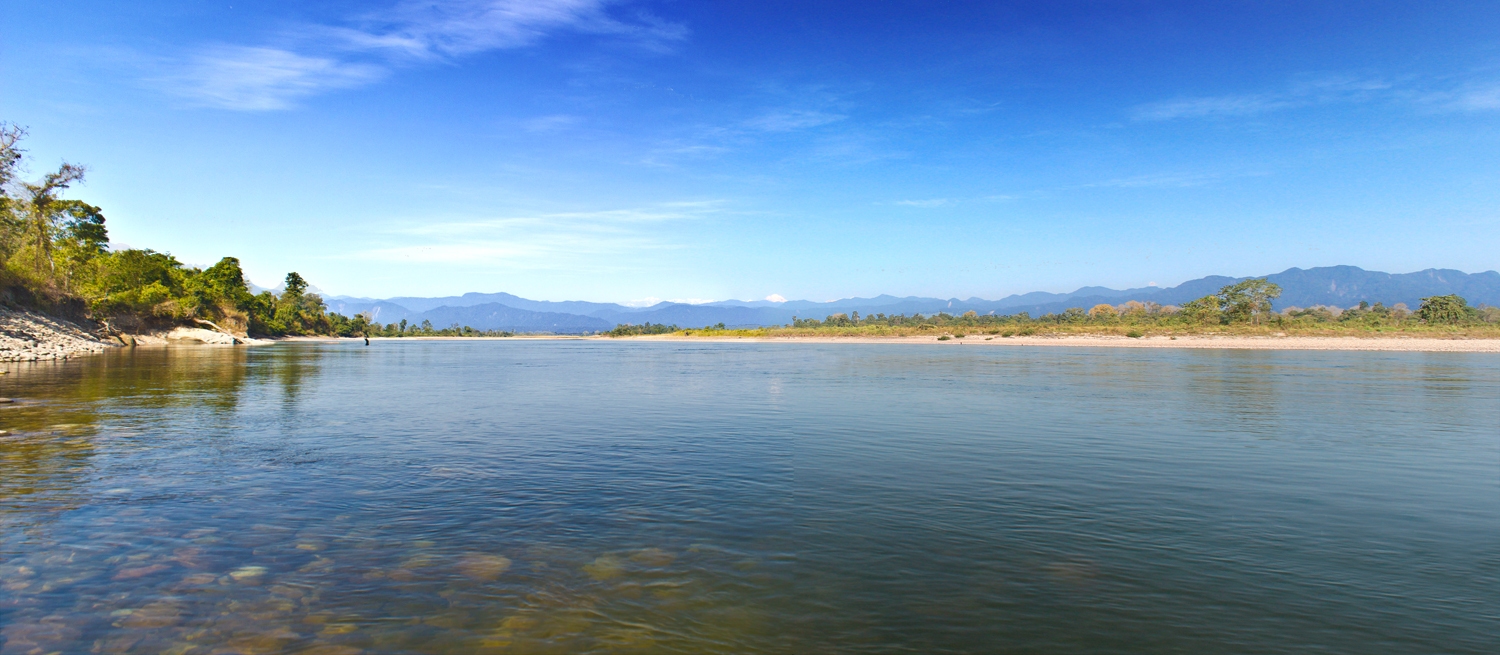
The early morning mist hangs heavy over the Jia Bhoreli River, carrying the calls of unseen birds echoing from the dense riverine forests. Along the banks, an Ibisbill, distinguished by its long, down-curved red bill, meticulously probes the gravel for insects, undisturbed by the slow drift of a raft carrying a few silent observers. This is Nameri National Park, a critical habitat sprawled across 200 square kilometres of the Eastern Himalayas' foothills in Assam, where the emphasis is on quiet observation and minimal disturbance to its rich avifauna and diverse ecosystems.
History & Context
Nameri's journey from a reserved forest to a protected area reflects a growing awareness of ecological preservation in Assam. It was declared a Reserved Forest in 1978. Witnessing its ecological significance and unique biodiversity, primarily due to its position in the Himalayan foothills and the Brahmaputra floodplains, it was officially designated a wildlife sanctuary in 1985. The sanctuary was upgraded to a national park in 1998, recognising its role in conserving rare and endangered species, particularly the globally threatened White-winged Duck. Its direct contiguity with Pakhui (Pakke) Tiger Reserve in Arunachal Pradesh forms a larger trans-boundary conservation landscape, allowing for seasonal migration of wildlife between the two areas, a testament to its broader ecological importance beyond its immediate boundaries.
What Makes It Distinctive
Unlike many national parks allowing vehicle safaris, Nameri largely promotes elephant safaris (often seasonal due to availability and operational changes) and guided forest walks, particularly focused on birdwatching. The most distinctive experience remains river rafting on the Jia Bhoreli. This unique approach allows for unobtrusive observation of riverine species like the Ibisbill, which prefers clear, fast-flowing rivers with shingle banks. The diverse forest types, ranging from semi-evergreen to moist deciduous, create microhabitats supporting over 300 bird species, including the critically endangered White-winged Duck, over 80 species of migratory waterfowl, and various raptors. The park also hosts a significant population of the rare and elusive Wreathed Hornbill, whose booming calls are often heard before they are seen high in the canopy.
Best Time to Visit
Nameri is best visited during the dry, cooler months, typically from November to April. During this period, the weather is pleasant, with daytime temperatures ranging from 15°C to 30°C, making forest walks and river activities comfortable. Migratory birds are abundant from December to February. The park closes for visitors during the monsoon season, from May to October, due to heavy rainfall and the consequent swelling of the Jia Bhoreli, which can make access and activities unsafe. Early mornings offer the best chances for bird sightings, irrespective of the month.
How to Reach
The nearest airport to Nameri National Park is Tezpur Airport (TEZ), approximately 35 km away. Flights operate from Kolkata and Guwahati. Guwahati's Lokpriya Gopinath Bordoloi International Airport (GAU) offers wider connectivity, with Nameri about 200 km / 4-5 hours' drive. The nearest major railhead is Rangapara North, approximately 45 km from the park entrance. However, Tezpur Railway Station (TPZ), 35 km away, is also an option. From Tezpur, private taxis or shared jeeps can be hired to reach the park. The park is accessible by road from major cities in Assam; National Highway 15 (NH15) passes close to the park.
Permits & Entry
Entry to Nameri National Park requires obtaining permits from the forest department office in Potasali, near the park entrance. Indian citizens do not require an Inner Line Permit (ILP) for Assam. Foreign nationals do not require a Protected Area Permit (PAP) for Nameri. Information on entry fees for Indians and foreigners, camera charges, and elephant safari or rafting charges are not officially published or may change. Visitors are advised to confirm locally before travelling. The park generally opens from dawn to dusk.
Nearby Attractions
- Tezpur: Explore historic sites like Agnigarh Fort and scenic spots along the Brahmaputra River.
- Orang National Park: Often called the 'mini Kaziranga', known for its rhinoceros population, approximately 60 km away.
- Bhalukpong: A charming town on the Assam-Arunachal Pradesh border, offering river rafting and angling opportunities.
- Tipi Orchidarium: Located close to Bhalukpong, this research centre boasts thousands of orchid species.
- Pakhui Tiger Reserve (Arunachal Pradesh): Nameri's contiguous neighbour, for those seeking a deeper wildlife experience across the state border.
Traveller Tips
- Connectivity: Mobile network coverage is erratic within the park; expect limited to no service. Inform contacts of potential communication gaps.
- ATMs: The nearest ATM is in Tezpur or Bhalukpong. Carry sufficient cash for park fees, guides, and any local purchases.
- Dress Code: Wear neutral-coloured clothing (greens, browns) to blend with the environment, especially for birdwatching. Long sleeves and trousers are recommended to protect against insects.
- Footwear: Comfortable walking shoes are essential for forest trails. Waterproof footwear might be useful during specific seasons.
- Accommodation: Resorts and eco-camps are available around the park entrance; booking in advance is advisable, particularly during peak season.
- Photography: A good telephoto lens is crucial for bird photography. Be patient and maintain a respectful distance from wildlife.
- Guide Requirement: It is mandatory to be accompanied by a forest guard (often also acting as a guide) for all park activities, including walks and rafting.
- Ethical Practices: Avoid littering, do not disturb wildlife, and refrain from feeding animals. Follow all instructions from your guide.
Frequently asked
Related
Plan Your Journey with Living Roots Expeditions
Travel Northeast India with a private guide, hand-picked hosts, and an itinerary shaped around your interests — culture, wildlife, festivals, or slow discovery. If this subject is why you are travelling, see private wildlife and birding journeys.