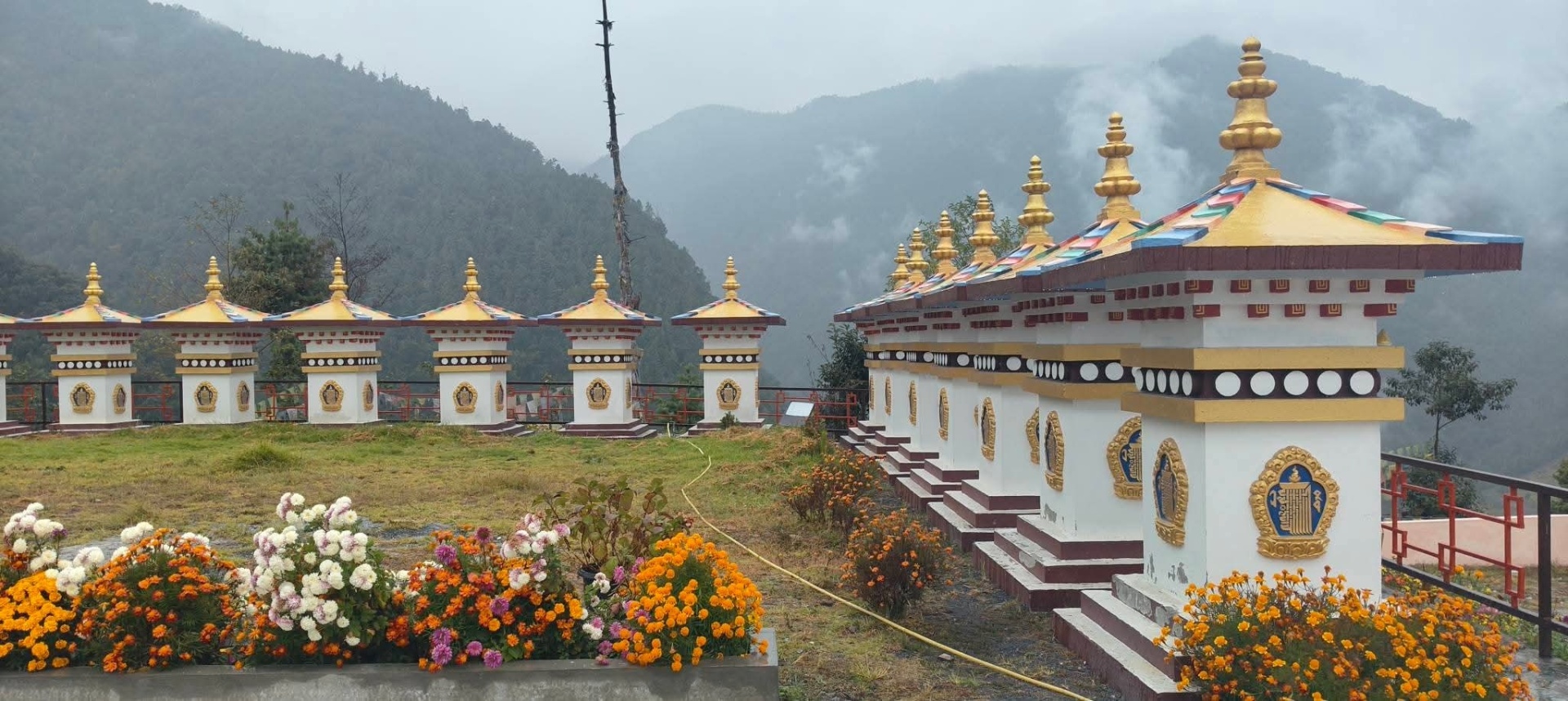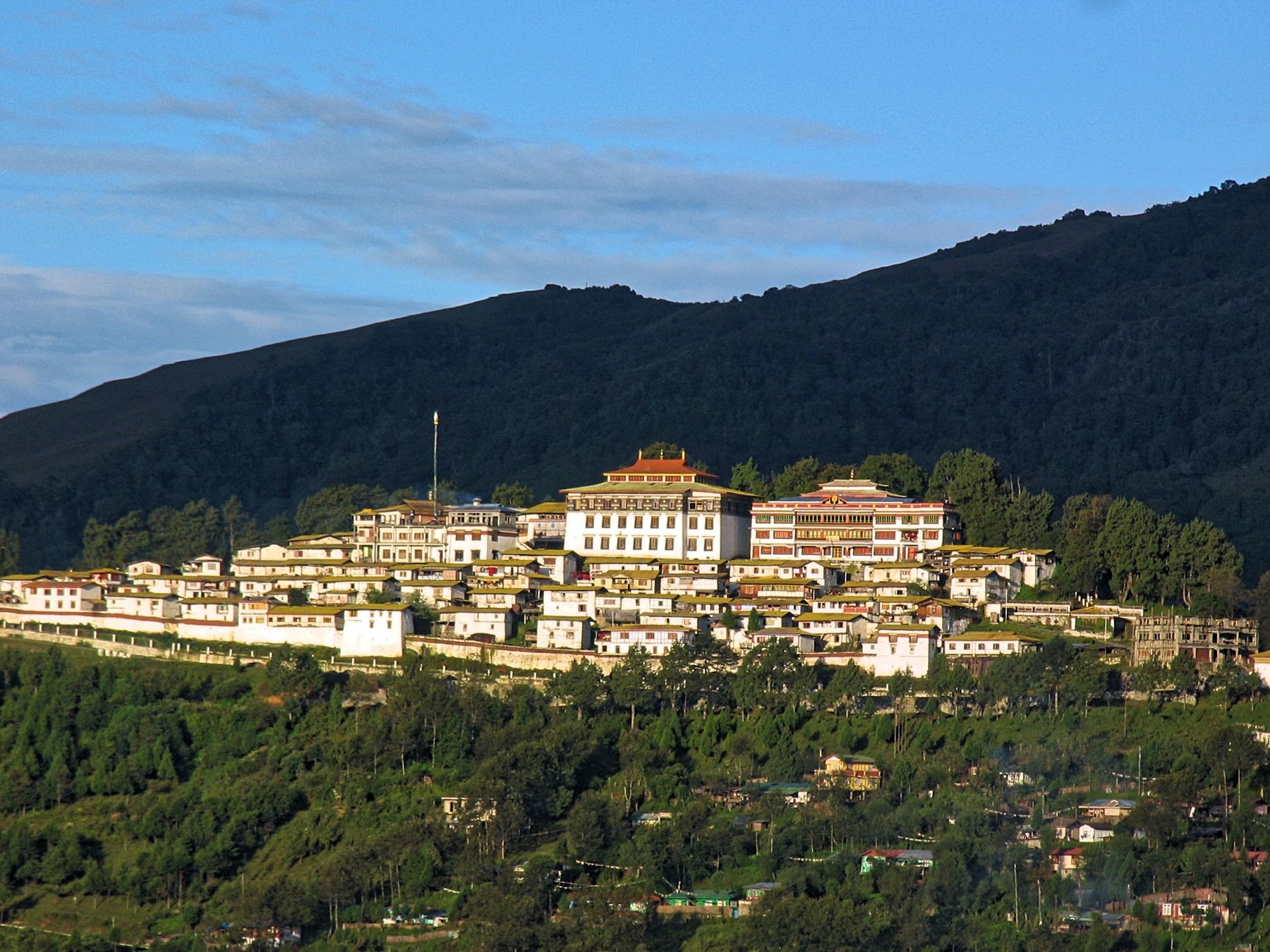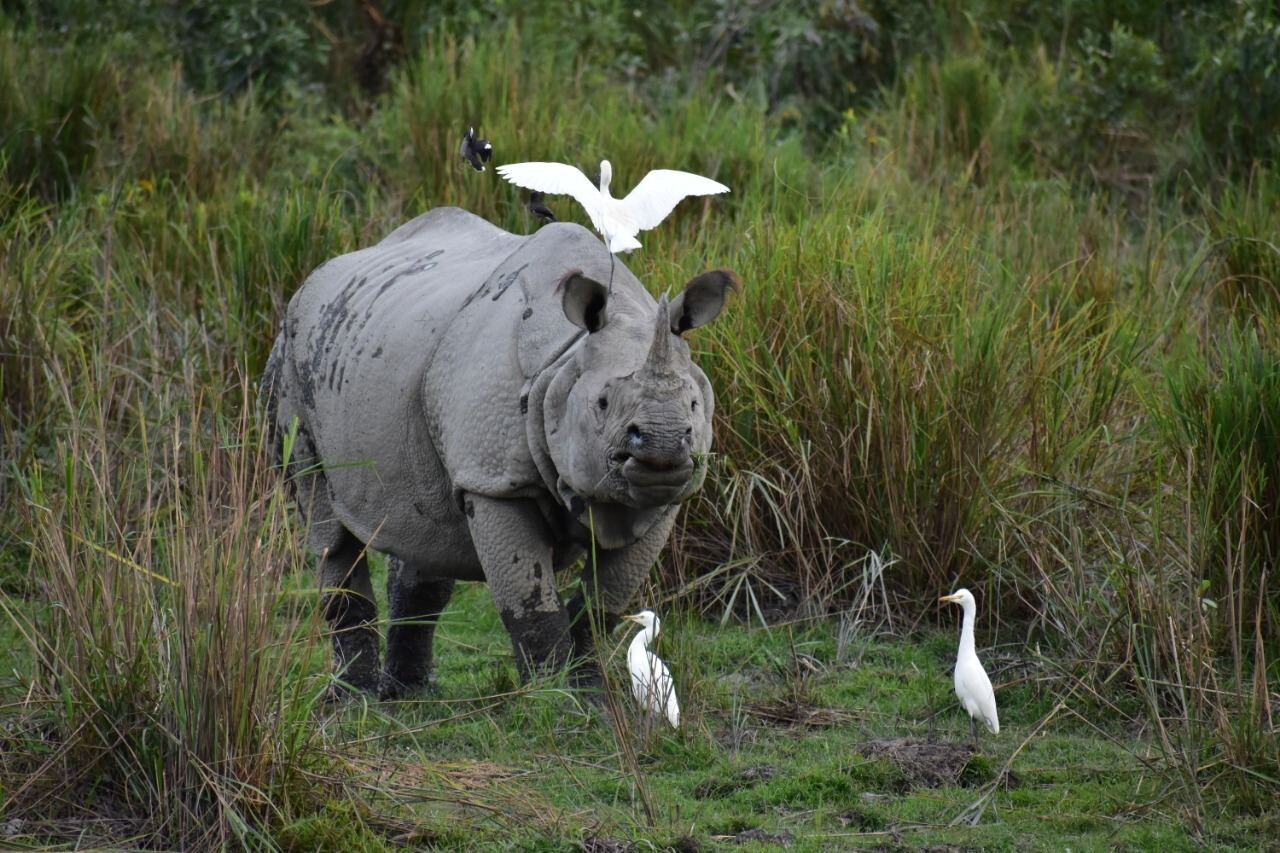
One-horned rhinoceros in grassland during a Northeast India wildlife journey

Wildlife & Birding

Northeast India Wildlife & Birding Toursthe eastern Himalaya, at bird pace.

Northeast India holds the meeting point of the Himalayan and Indo-Burmese biodiversity hotspots — one-horned rhino in the Brahmaputra floodplain, hoolock gibbon in the Dihing Patkai rainforest, and an eastern Himalayan bird list that runs from Eaglenest's Bugun liocichla to Namdapha's understorey specialities. Our journeys are guided by specialist naturalists and paced for observation rather than distance.

Best Time
November to April
Ideal Length
10–18 days

Route Focus

  • Kaziranga
  • Manas
  • Eaglenest
  • Namdapha
  • Dihing Patkai
  • Dibang Valley
  • Nameri
01

Parks and forests we work in

Each reserve rewards a different pace. Kaziranga's ranges suit multiple safaris across several days; Eaglenest and Namdapha are slow, altitude-banded birding, walked rather than driven.

  • Kaziranga — rhino, elephant, wild buffalo, swamp deer, tiger
  • Manas — a Himalayan-foothill mosaic on the Bhutan border
  • Eaglenest — eastern Himalayan birding along an altitude gradient
  • Namdapha — lowland to temperate rainforest birding and mammals
  • Dihing Patkai — hoolock gibbon and rainforest specialities
  • Nameri and the Dibang Valley for river and wilderness extensions

02

How the birding days are run

Dawn starts, long stationary sessions at productive stretches, and a naturalist who knows the local calls rather than a general guide reading a checklist. Vehicles stop on request; the day is not run to a schedule.

  • Specialist birding naturalist throughout
  • Dawn and late-afternoon field sessions
  • Camp-based nights where lodges do not exist
03

Permits, seasons and access

Kaziranga is closed through the monsoon and reopens for the dry season; Eaglenest and Namdapha require permits and, in places, camping. We handle permits and confirm park opening status before dates are fixed.

  • Inner Line and Protected Area Permits arranged
  • Park opening confirmed before booking
  • Photography hides and boat sessions where sanctioned

Sample Pace

  1. Days 1–4

    Kaziranga

    Multiple ranges across several days — grassland dawns, woodland edges and the Brahmaputra channel.

  2. Days 5–8

    Nameri and Eaglenest

    River birding, then the climb through Eaglenest's altitude bands with camp nights.

  3. Days 9–13

    Dihing Patkai or Namdapha

    Rainforest walks for gibbon and understorey birds, with slow forest days.

  4. Days 14–18

    Manas or Dibang extension

    Finish on the Bhutan border or push into the Dibang wilderness for a remote wildlife extension.

Traveller Questions

Planning details that matter.

When is the best time for birding in Northeast India?

November to April. Kaziranga is at its best from November to March, and the eastern Himalayan birding at Eaglenest peaks from late March into April as breeding activity rises.

Do you provide specialist birding guides?

Yes. Birding journeys are led by naturalists who work these forests regularly, alongside the expedition leader handling logistics.

Is Namdapha difficult?

It is the most demanding site we work in — limited infrastructure, walking and camping. We plan it only where the party is comfortable with basic conditions and say so clearly in the proposal.

Email Us