01
Hornbill Festival
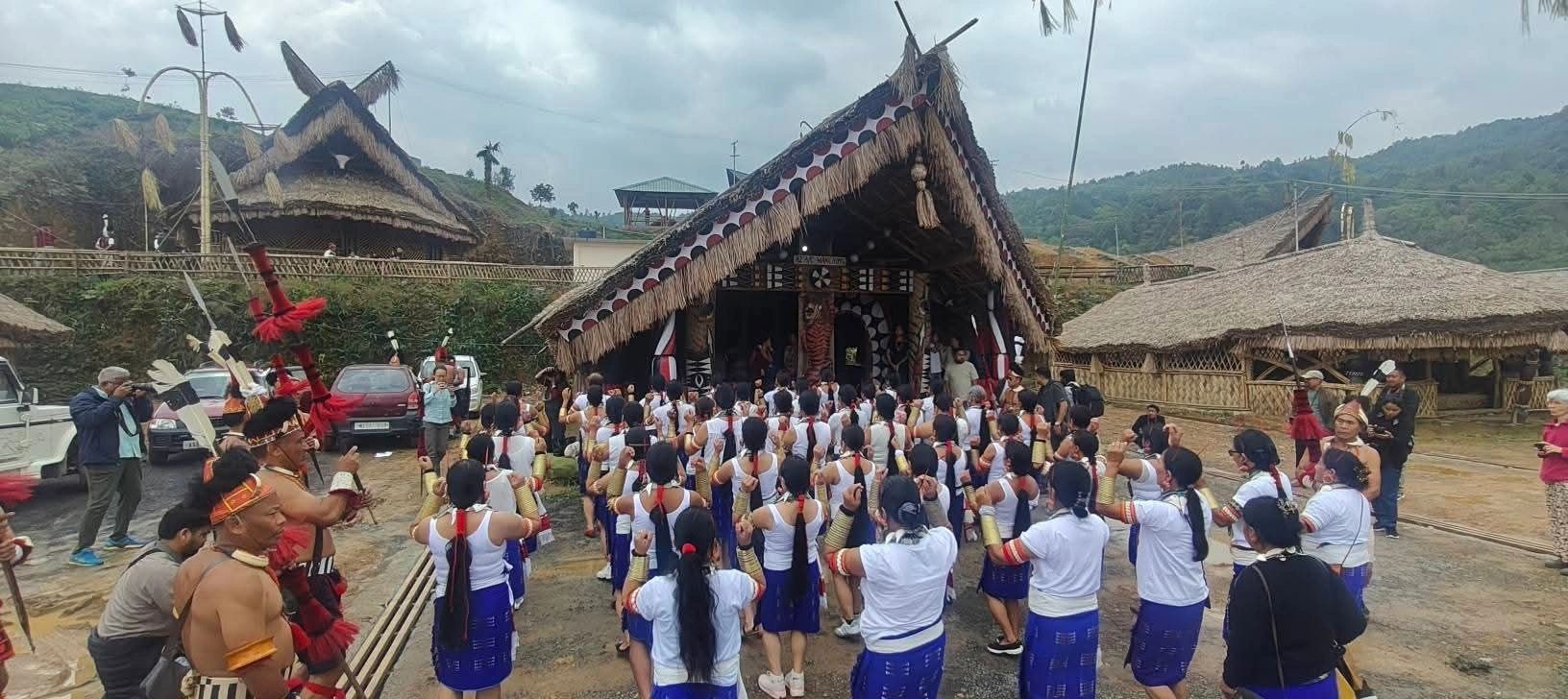
Curated access to the Hornbill Festival at Kisama in early December — with private vantage points, tribal morung visits and post-festival journeys into the home districts of each community.
Destination Folio
The Region
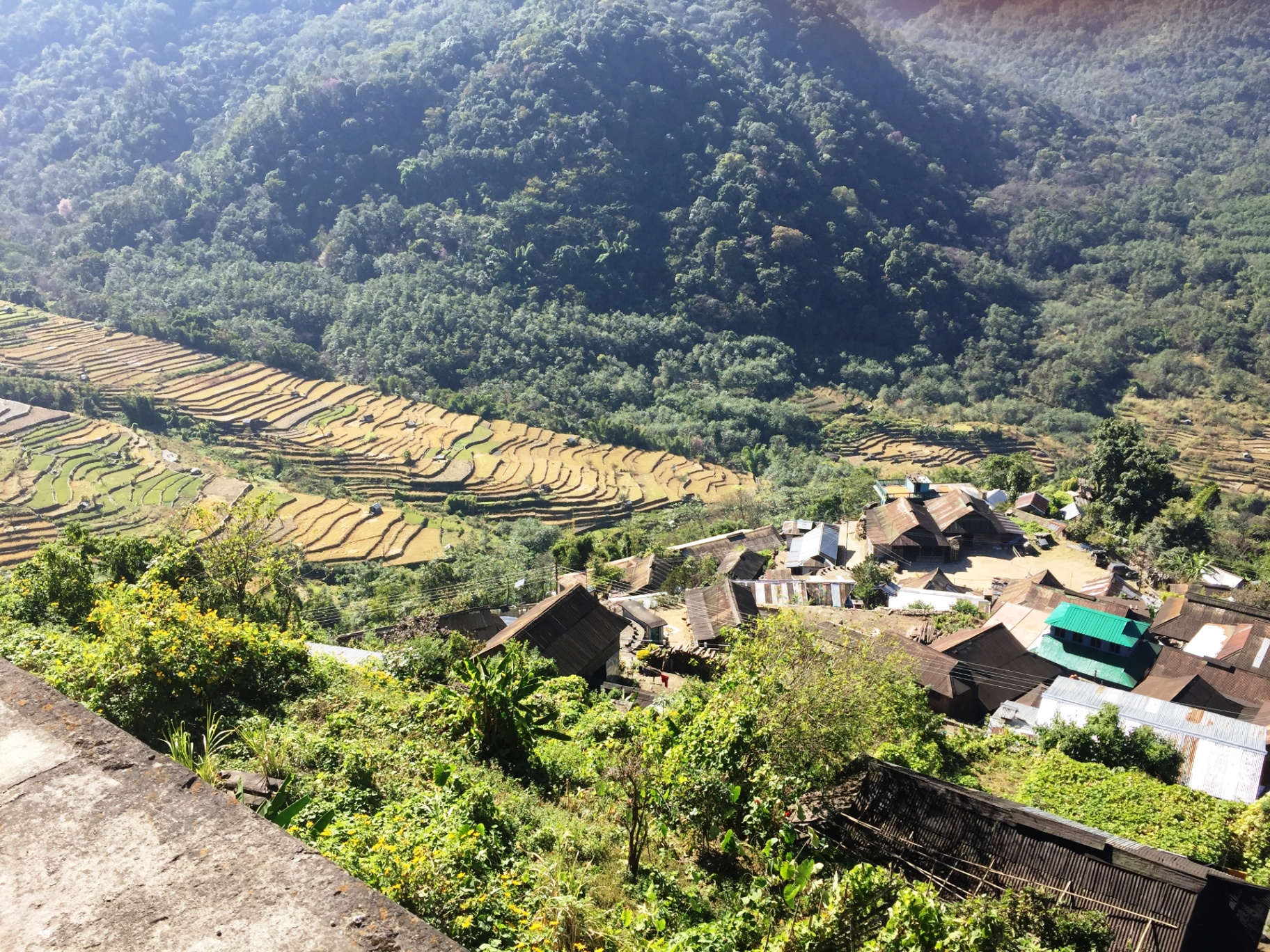
Nagaland's hills hold sixteen recognised tribes, each with their own language, weave and ritual calendar. Our journeys move beyond Kohima — into Mon, Tuensang, Phek and Khonoma — where festivals are still rooted in community, not stage.
Best time
October to April (Hornbill in December, Aoling in early April)
Permits
Foreign nationals must follow the current permit and registration requirements; Indian travellers require an Inner Line Permit (ILP). Living Roots assists confirmed package guests with documentation and coordinates the applicable process through authorised channels.
Recommended days
6–12 days
Key regions
Kohima & Khonoma · Dzukou Valley · Mokokchung (Ao country) · Mon & Longwa (Konyak country) · Phek (Chakhesang) · Tuensang
Living Roots Archive
Cultural Heritage
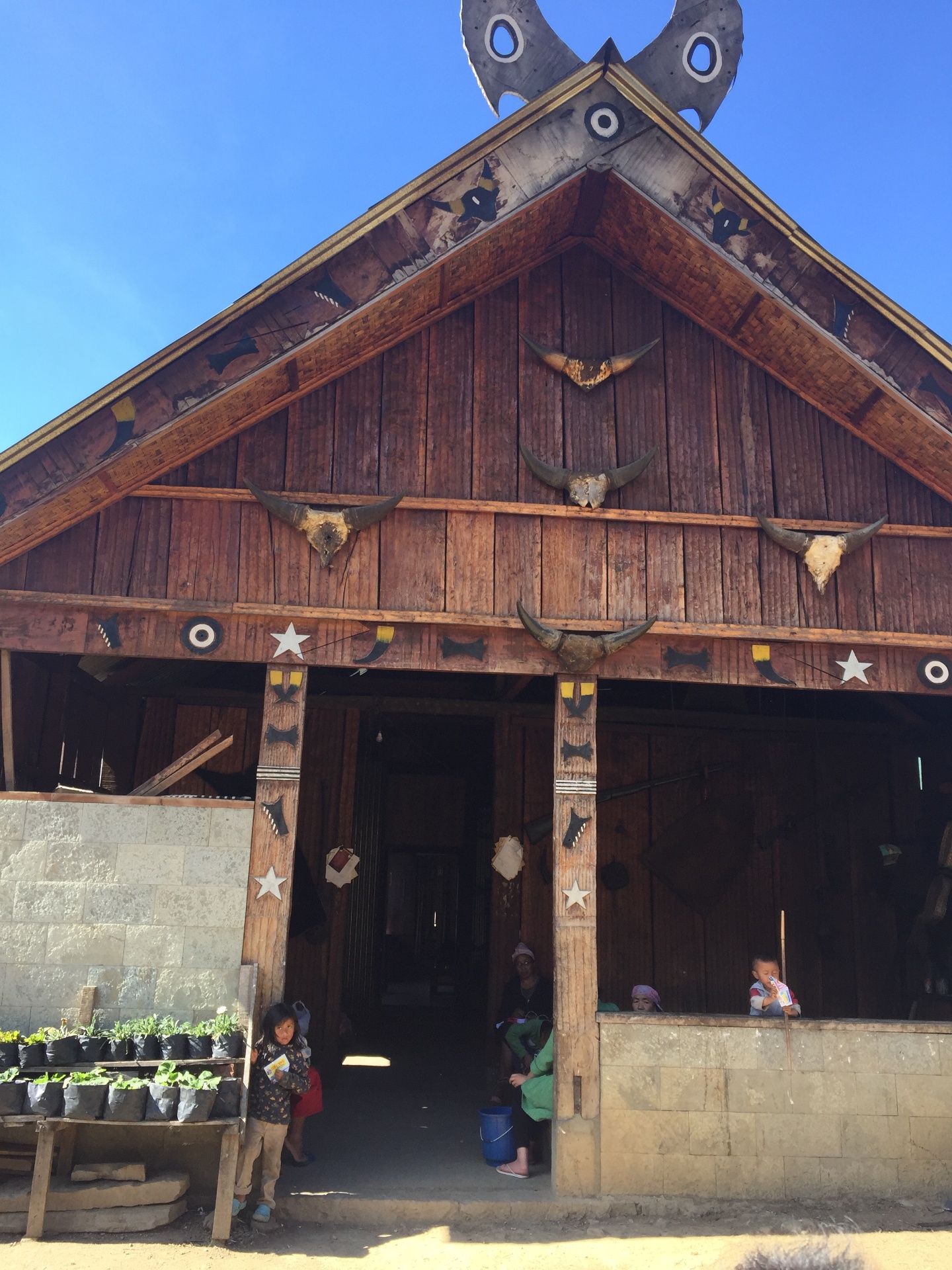
Nagaland recognises sixteen major tribes, each with its own language, textile and ritual calendar. The Naga identity is plural — every village has historically been a sovereign republic.
Kohima, Khonoma, Viswema
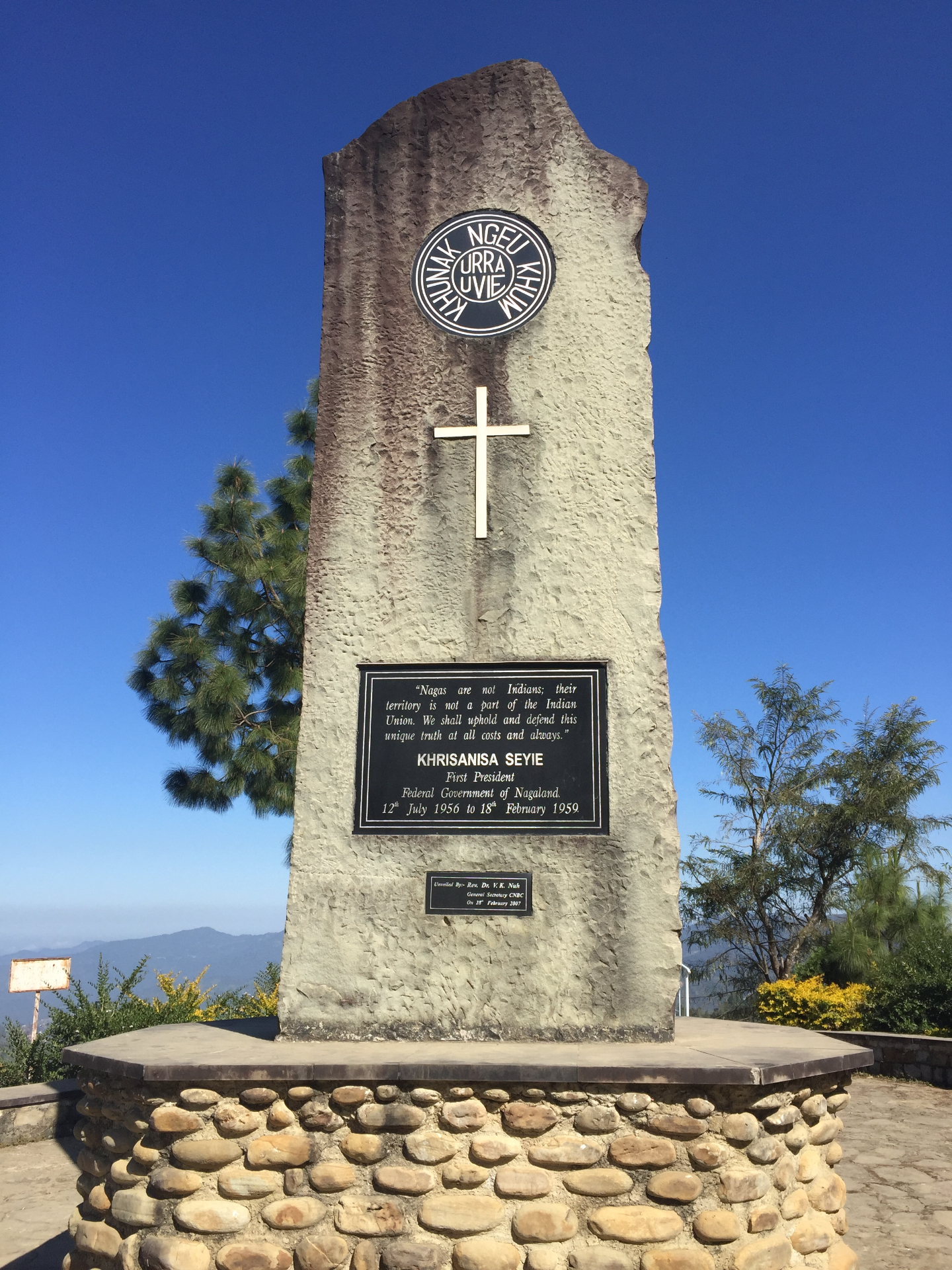
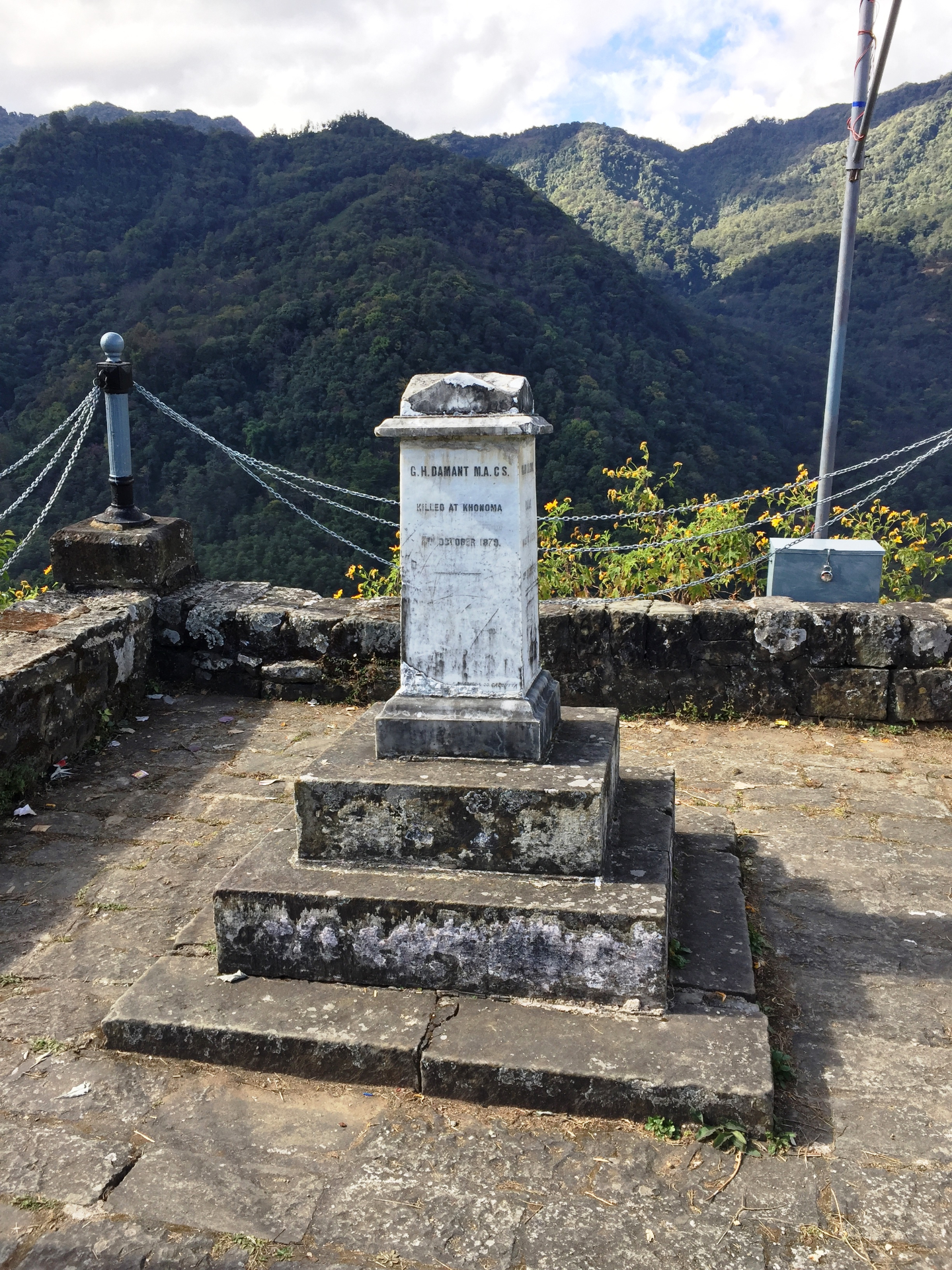
Terraced wet-rice farmers — Sekrenyi purification festival, the first green village of Khonoma, and the warriors of the Naga National Movement.
Mokokchung
The first Naga community to embrace Christianity in the 1870s — Moatsu spring festival, Longkhum hilltop village, lyrical Ao folk songs.
Mon district & Longwa
Former headhunters — the last facially tattooed warriors, Aoling spring festival and chiefs (Anghs) whose realm spans the India-Myanmar border.
Phek
Famed for the Chakhesang shawl, terraced rice paddies and the gateway to Dzukou Valley.
Zunheboto
Tuluni summer festival, intricate beadwork and the Sumi cuisine of fermented soybean and bamboo shoot.
Wokha
Tokhu Emong post-harvest festival and a strong textile tradition of red, black and yellow Lotha shawls.
Tuensang & Longleng
Smaller eastern communities with distinct festivals — Monyu and Metumneo — and exquisite cane and bamboo work.
Festivals
Kisama, near Kohima
The 'festival of festivals' — all sixteen Naga tribes gather at the Kisama heritage village for ten days of music, dance, indigenous games and food.
Mon district (Tangnyu, Longwa)
The Konyak new year — three days of feasting, log drums and Anghs in full regalia, marking the end of headhunting season.
Angami villages, Kohima district
Angami purification festival — ten days of cleansing rituals, the Thekra Hie singing and the spring blessing of warriors.
Ao villages, Mokokchung
Ao post-sowing festival — rice beer, log drums, the Sangpangtu fire ceremony and inter-village feasting.
Sumi villages, Zunheboto
The Sumi harvest celebration — the most prosperous festival of the year, marked by the sharing of meat and rice beer.
Lotha villages, Wokha
Nine-day Lotha post-harvest festival — feasts, traditional shawls and the singing of folk ballads.
Wildlife & Protected Areas
Naga forests survived headhunting and now survive logging through community conservation. Khonoma was India's first declared green village.
Park
Tropical foothill forest in Peren — hoolock gibbon, sloth bear and a strong birdlife of broadbills and barbets.
Sanctuary
Remote Tuensang district forest — clouded leopard country bordering Myanmar.
Reserve
Community-protected forest west of Kohima — the global stronghold of Blyth's Tragopan, declared by the Angami themselves.
Sanctuary
Sacred hill outside Kohima — Naga blood pheasant and dawn views over the valley.
Birding Opportunities
Nagaland is the centre of the global range of Blyth's Tragopan and a key migration corridor for the Amur Falcon — once Asia's largest annual raptor slaughter, now its most successful community-led roosting site at Pangti.
Explore birding expeditions →Key hotspots
Notable species
Textiles & Crafts
Every Naga tribe has its own shawl — and the shawl is a literal CV of status, marriage, hunting and ritual achievement. A man's shawl could once be earned only after a Feast of Merit.
Angami men
Black-and-white striped Angami shawls — variants record social and ritual status.
Konyak Mon & Longwa
Indigo-dyed cotton with cowrie shells, beads and feathers — the warrior shawl of the Mon district.
Chakhesang weavers, Phek
GI-tagged Chakhesang textile — red, black and white panels woven on loin looms.
Wokha & Mokokchung
Distinctive striped weaves marking village and lineage — Tsungkotepsu of the Ao is among the most celebrated.
Destinations & Landscapes
The permanent Hornbill Festival ground — a reconstruction of each tribe's traditional morung.
Angami warrior village, India's first declared green village and gateway to the Tragopan sanctuary.
The Konyak village whose Angh's longhouse straddles the India-Myanmar border.
Seasonal alpine valley between Nagaland and Manipur — Dzukou lilies bloom in July and August.
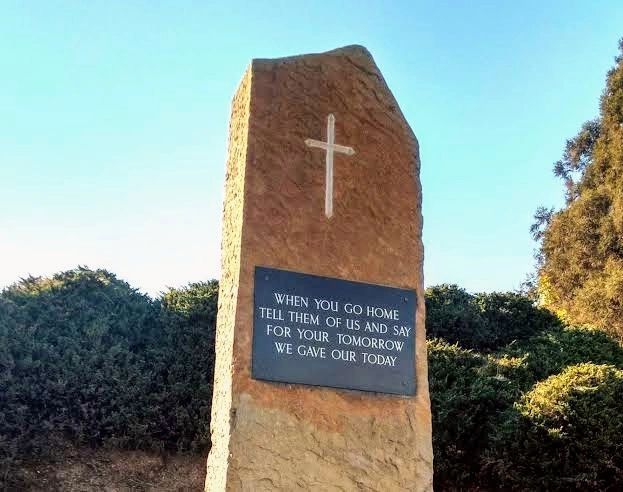
The Commonwealth war graves of 1944 — the easternmost battlefield of the Second World War.
Ao cultural capital — Ungma is reckoned the oldest Naga village.
Photography
Nagaland's strongest photographic windows are festival weeks — Hornbill in December, Aoling in early April — but Khonoma's terraces, Longwa's morungs and Dzukou's lily fields reward longer stays.
Photography expeditions →Locations to shoot
Suggested Expeditions
Itinerary
8 nights / 9 days
Itinerary
13 nights / 14 days
Itinerary
8 nights / 9 days
Itinerary
9 nights / 10 days
Expedition
Expedition
Expedition
Related Topics
Specialist Journeys · Nagaland
Cluster · Nagaland · 1–10 December
Specialist Journeys · Konyak Country
Specialist Reference · Cultures
Specialist Journeys · Textile
Curated access to the Hornbill Festival at Kisama in early December — with private vantage points, tribal morung visits and post-festival journeys into the home districts of each community.
The most important Konyak celebration of the year, held in early April across Mon district. We host guests in Tangnyu and Longwa villages with respected family hosts and former headmen.
Time with the last generation of tattooed Konyak warriors — quiet, considered conversations with elders, walks through morungs and homes where Naga history is still oral.
Stays in Khonoma — India's first green village — and quiet Angami, Chakhesang and Ao homes across the Naga hills. Cooking over open hearths, weaving demonstrations and forest walks with hunters-turned-conservationists.
World War II battlefield history at Kohima, the Khonoma fort, traditional Naga textile journeys and visits to community museums maintained by village councils.
Frequently Asked
Early December for the Hornbill Festival at Kisama; early April for Aoling in Mon district. October to April is the broad clear-weather window.
Indian travellers need an Inner Line Permit (ILP). Foreign nationals must follow current PAP and registration requirements. Living Roots assists confirmed package guests with documentation and coordinates the applicable process through authorised channels.
Mon is reached by road from Dibrugarh (Assam) — a 6–8 hour drive. We arrange private 4x4 transfers and village hosts, and assist confirmed package guests with applicable permit documentation through authorised channels.
Plan Your Nagaland Journey
Share the season, the pace and the company you are travelling with. We will design a nagaland journey around it — from heritage stays to remote field camps.