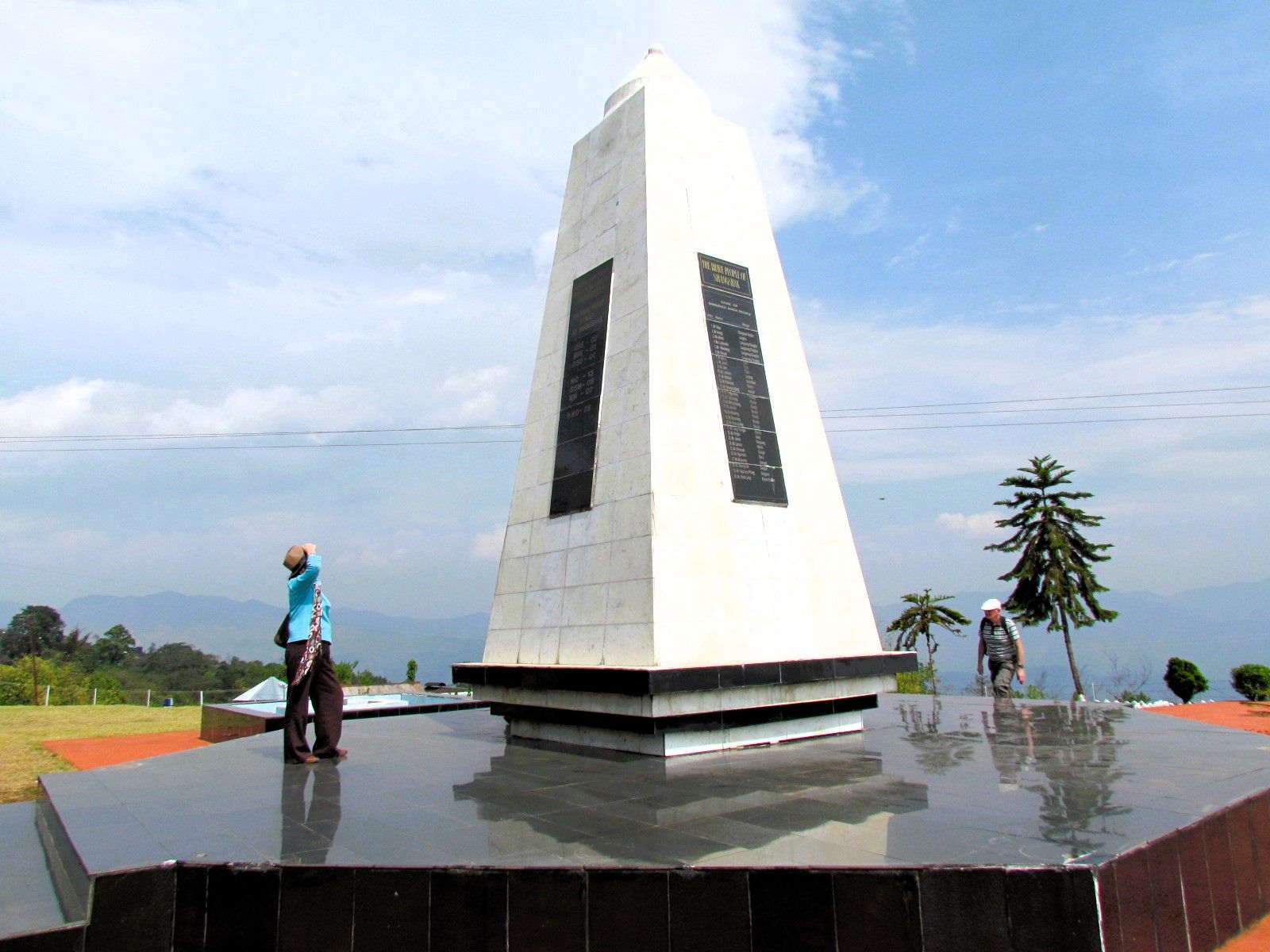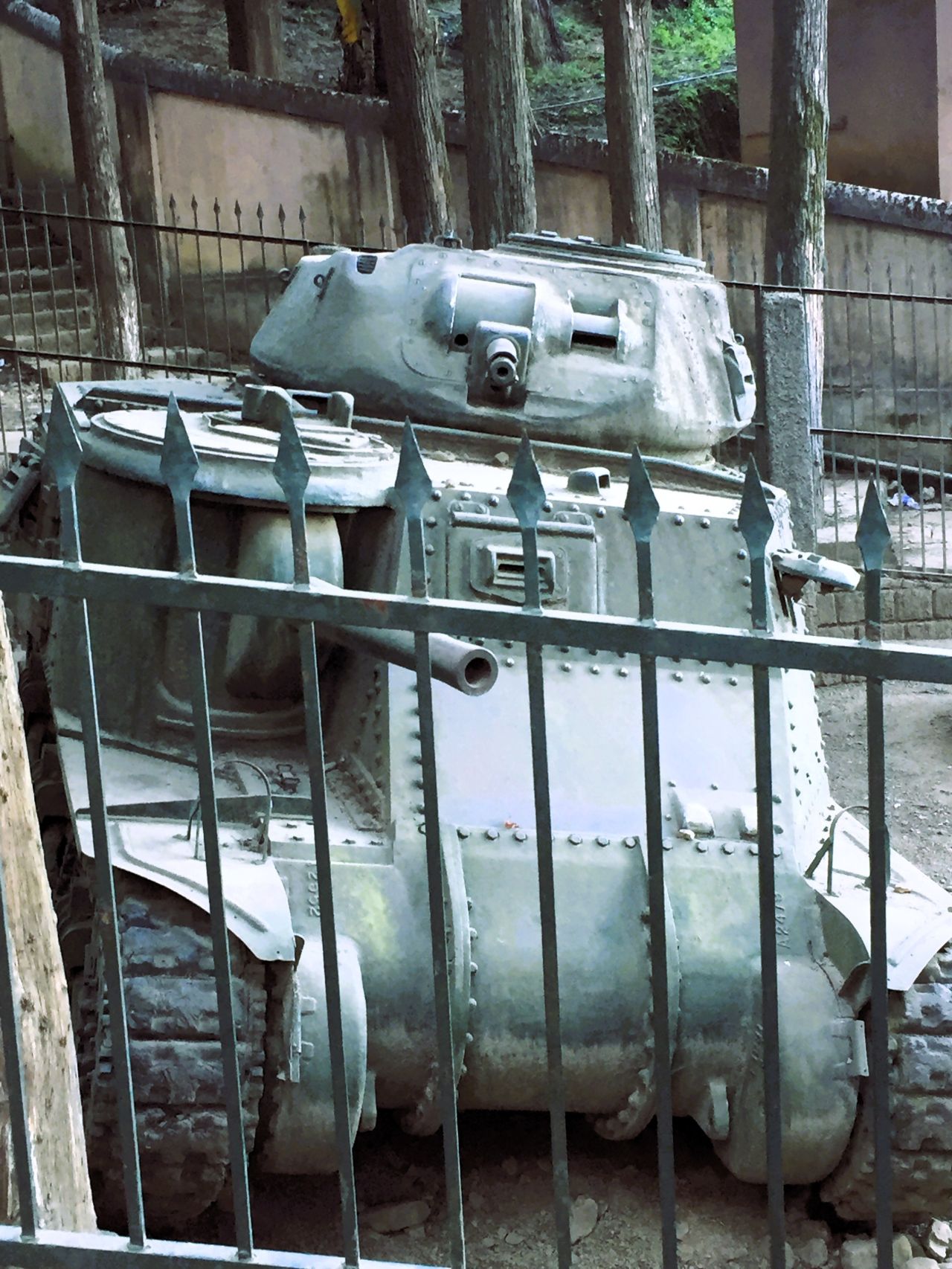
The battles of Kohima and Imphal turned the war in Asia — an overlooked chapter of World War II hidden in Northeast India's hills.
Deep within the dense jungles and rugged hills of Northeast India, some of the fiercest battles of World War II unfolded — yet few outside the region truly know their story. In 1944, the battles of Kohima and Imphal became decisive turning points in the Burma Campaign and played a critical role in stopping the Japanese advance into British India.
Today, these battlefields remain among the most historically significant yet under-recognized wartime landscapes in Asia.
The Japanese army aimed to capture Imphal and Kohima in an attempt to weaken Allied control over the region and cut off vital supply routes. A successful invasion would have opened the gateway into the Indian subcontinent. However, the mountainous terrain, dense forests, heavy monsoon conditions and fierce resistance from British and Indian forces created enormous challenges for the advancing Japanese troops.
Kohima and Imphal soon became sites of brutal and exhausting warfare. Soldiers fought under extreme conditions, facing food shortages, disease, relentless rain and difficult terrain. In Kohima, combat often took place at dangerously close range, with opposing forces positioned only a few yards apart. Historians have frequently compared the intensity of these battles to some of the most difficult confrontations fought in Europe during the war.
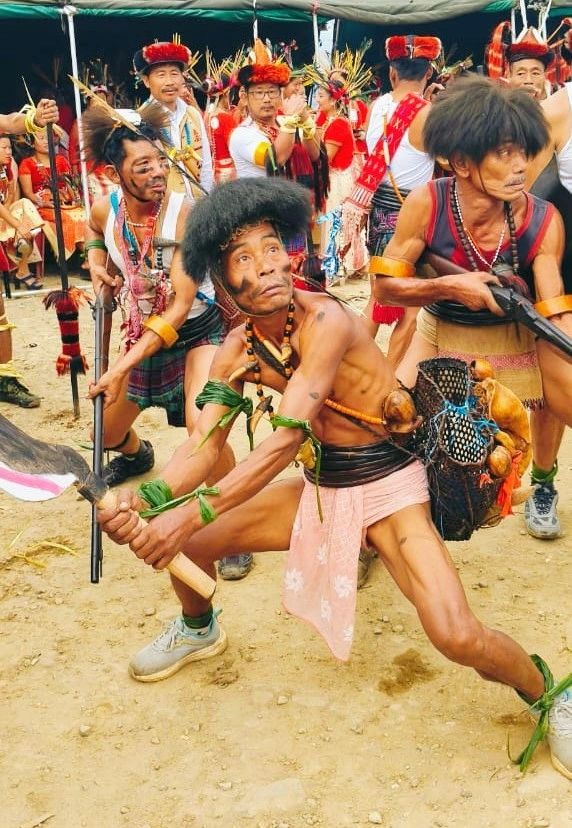
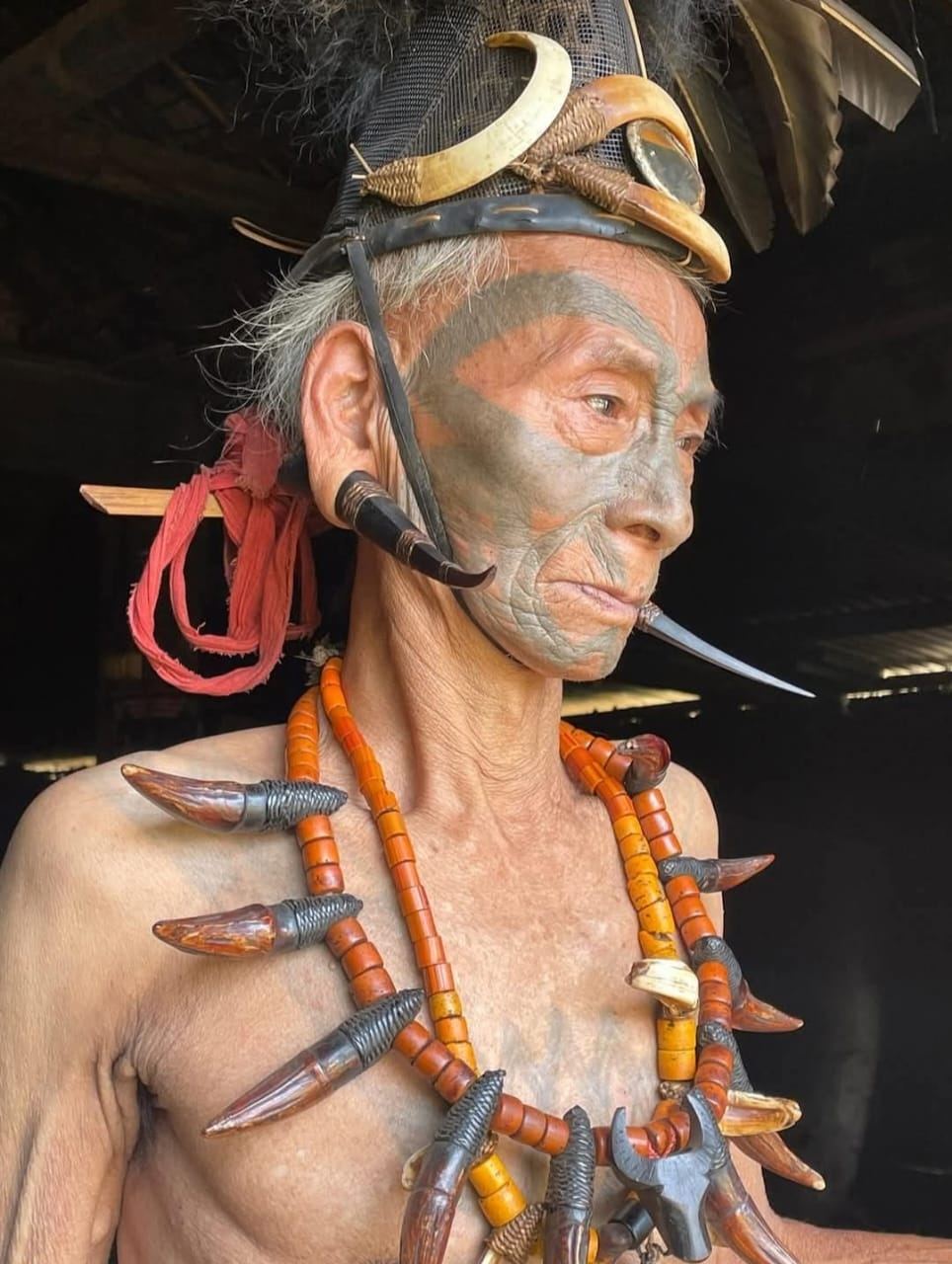
Beyond the soldiers on the frontlines, local communities across Northeast India played a deeply important role during the conflict. Many members of the Naga and Kuki communities assisted Allied forces as guides, scouts, porters and informants. Their knowledge of the mountains, forests and remote routes became invaluable during military operations across the region.
Villagers also risked their lives carrying food, medicine and supplies through dangerous terrain despite the constant threat of attack. For many families, the war arrived directly at their doorstep, forever changing their lives and communities.
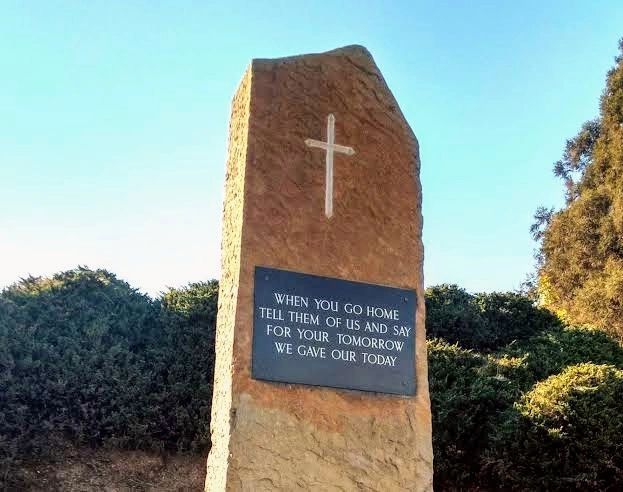
Even today, traces of this wartime history remain across the Northeast. The Kohima War Cemetery stands as one of the most moving reminders of the sacrifices made during the conflict. Its famous inscription reads:
When you go home, tell them of us and say, for your tomorrow, we gave our today.
The cemetery continues to honor the thousands of soldiers who never returned home and serves as a lasting symbol of courage and sacrifice.
While much of the world remembers the major battlefields of Europe and the Pacific, the stories of Kohima and Imphal are often overlooked in mainstream discussions of World War II. Yet these battles played a defining role in shaping the future of the war in Asia.
Remembering them is not only about military history — it is also about acknowledging the resilience of the people and landscapes of Northeast India that stood at the centre of one of history's most significant global conflicts.