01
Living Root Bridges
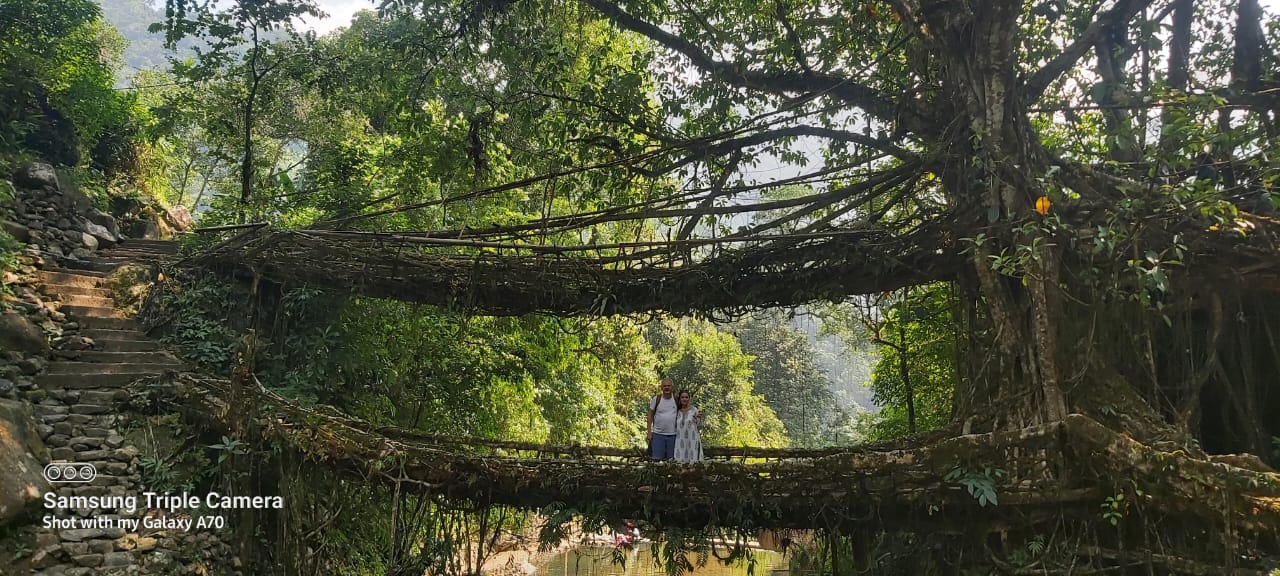
Guided walks to single and double-decker living root bridges in Nongriat, Rangthylliang and lesser-known Jaintia villages. Overnight stays with families who maintain these bridges as living infrastructure, not monuments.
Destination Folio
The Region
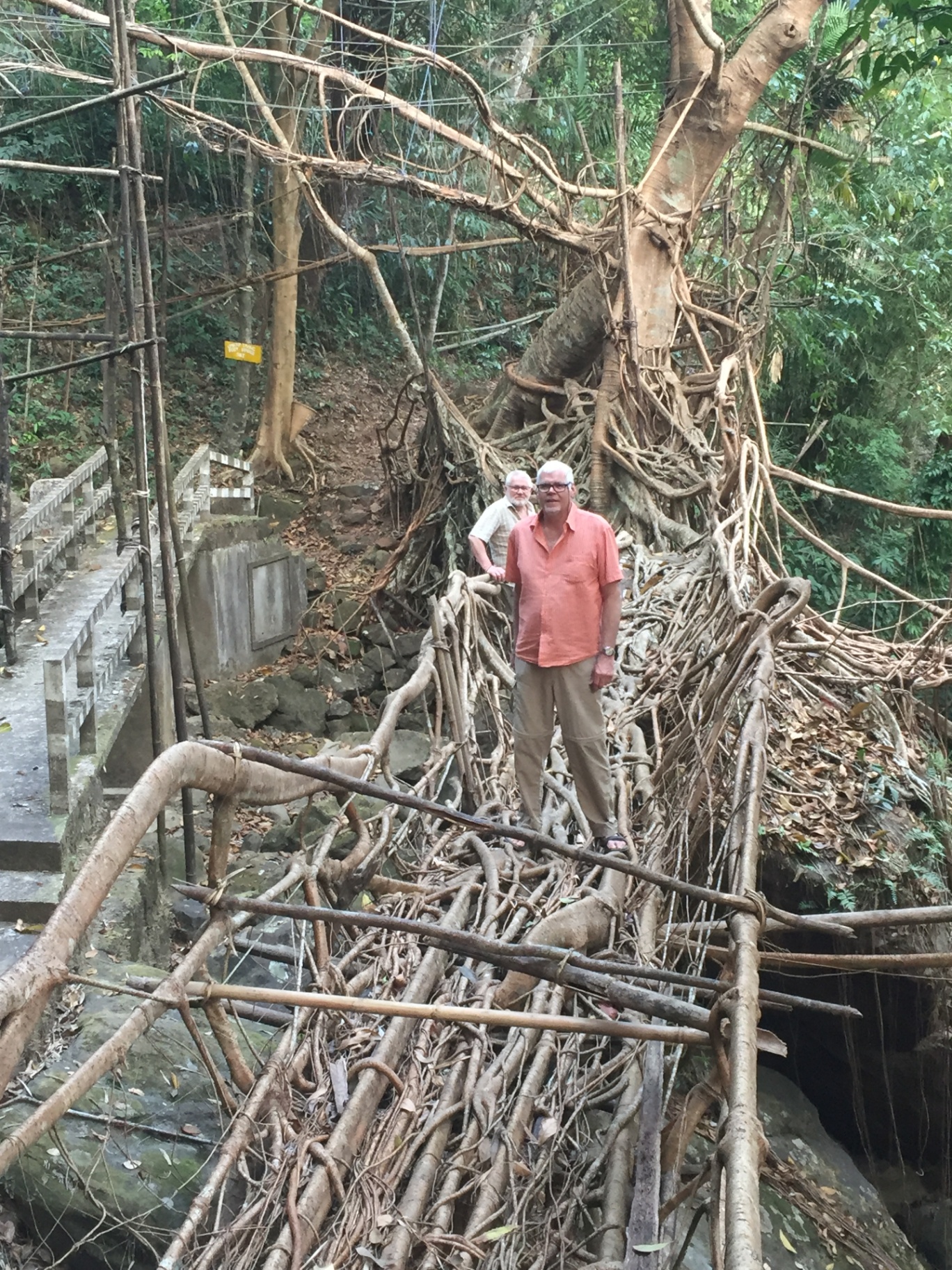
In the Khasi and Jaintia Hills, generations have grown bridges from the aerial roots of rubber fig trees. Our Meghalaya journeys move slowly through cloud forests, sacred groves and quiet riverside villages — far from the day-trip circuits.
Best time
October to April (caving); June to September (monsoon waterfalls)
Permits
No special permits required.
Recommended days
5–9 days
Key regions
Khasi Hills · Jaintia Hills · Garo Hills · Cherrapunji & Mawsynram · Dawki & the Umngot · Mawphlang sacred forest
Cultural Heritage
Meghalaya is the home of three matrilineal indigenous nations — the Khasi, Jaintia and Garo — among the few matrilineal societies left in the world. Lineage, land and the family name pass through the youngest daughter.
East & West Khasi Hills
Austroasiatic-speaking matrilineal community of Shillong, Cherrapunji and the root-bridge villages — Niam Khasi animist faith and bamboo architecture.
Jaintia Hills
Cousins of the Khasi — megalithic monolith culture, Behdienkhlam summer festival and the limestone caves around Jowai.
Garo Hills, western Meghalaya
Tibeto-Burman matrilineal community of Tura and the Nokrek biosphere — Wangala harvest festival and the long Nok·pante bachelors' houses.
Southern Khasi & Jaintia escarpment
The southern villages — Nongriat, Rangthylliang, Shnongpdeng — who still grow the living root bridges from Ficus elastica.
Festivals
Garo Hills (Asanang, Tura)
The Garo Hundred Drums festival — harvest thanksgiving to Misi Saljong, the sun-god, danced over two days.
Shillong
The Khasi 'dance of the joyful heart' — three days of slow, dignified dance by unmarried men and women in heirloom finery.
Jowai, Jaintia Hills
The Pnar monsoon festival — towering raths called rots, wooden Khnong poles and a community football match in mud.
Smit village
Five-day Khasi thanksgiving to U Blei Synshar Wa, hosted by the Syiem of Khyrim — goat sacrifice, sword dance and silk turbans.
Wildlife & Protected Areas
Meghalaya is more forest than not — 76 percent tree cover. Its protected areas combine cloud forest, limestone karst and lowland Garo rainforest.
Park
Garo Hills plateau of canyons and grassland — clouded leopard, marbled cat and the Garo creation-myth landscape.
Park
UNESCO biosphere — the ancestral home of Citrus indica, the world's wild ancestral orange.
Sanctuary
Subtropical forest near Nongpoh — Rufous-necked hornbill, clouded leopard, golden cat.
Reserve
Community-protected animist forest — nothing may be removed, not even a fallen leaf.
Birding Opportunities
The Khasi-Jaintia plateau is one of the wettest places on earth and a year-round refuge for endemic Eastern Himalayan species and Southeast Asian winter migrants.
Explore birding expeditions →Key hotspots
Notable species
Textiles & Crafts
Meghalaya's textile traditions sit closer to bamboo and cane than to silk — but the Khasi jainsem, the Garo dakmanda and the woven cane mats of Nongkrem are everyday wearable heritage.
Khasi women
The two-panel wrapped dress worn over a blouse, in eri silk for ceremony and cotton for daily wear.
Garo women
Hand-loomed wraparound from the Garo Hills — fine ribbed weave in red, black, white and yellow.
War-Khasi villages
Bridges, mats, fish traps and bowls — the same craft that grows the living root bridges over generations.
Destinations & Landscapes
Single and double-decker bridges grown from Ficus elastica over generations.
Animist community-protected forest at the heart of Khasi cosmology.
India's longest natural cave system, in the Jaintia limestone belt.
The clearest river in India, on the Bangladesh border.
Among the wettest inhabited places on earth — escarpments, waterfalls, monsoon clouds.
Often called the cleanest village in Asia — Khasi matrilineal life on display.
Photography
Meghalaya is a photographer's monsoon studio — but the cool October-to-April light is more practical for cave, gorge and root-bridge work.
Photography expeditions →Locations to shoot
Suggested Expeditions
Related Topics
Specialist Journeys · Abode of Clouds
Field Guide · Culture
Specialist Reference · Cultures
Specialist Reference · Responsibility
Field Guide · Photography
Travel Guides
Guided walks to single and double-decker living root bridges in Nongriat, Rangthylliang and lesser-known Jaintia villages. Overnight stays with families who maintain these bridges as living infrastructure, not monuments.
Spend time in matrilineal Khasi homes — joining cooks at the wood-fired hearth, learning about traditional smoked meats, bamboo-shoot preparations and tea rituals passed through grandmothers.
Walks through Mawphlang and Law Kyntang — community-protected sacred groves where nothing is taken out, not even a fallen leaf. Quiet, animist landscapes where ecology and belief are inseparable.
Meghalaya holds some of the longest cave systems in South Asia. Guided exploration of Krem Mawmluh, Krem Liat Prah and Jaintia limestone caves — with experienced safety teams.
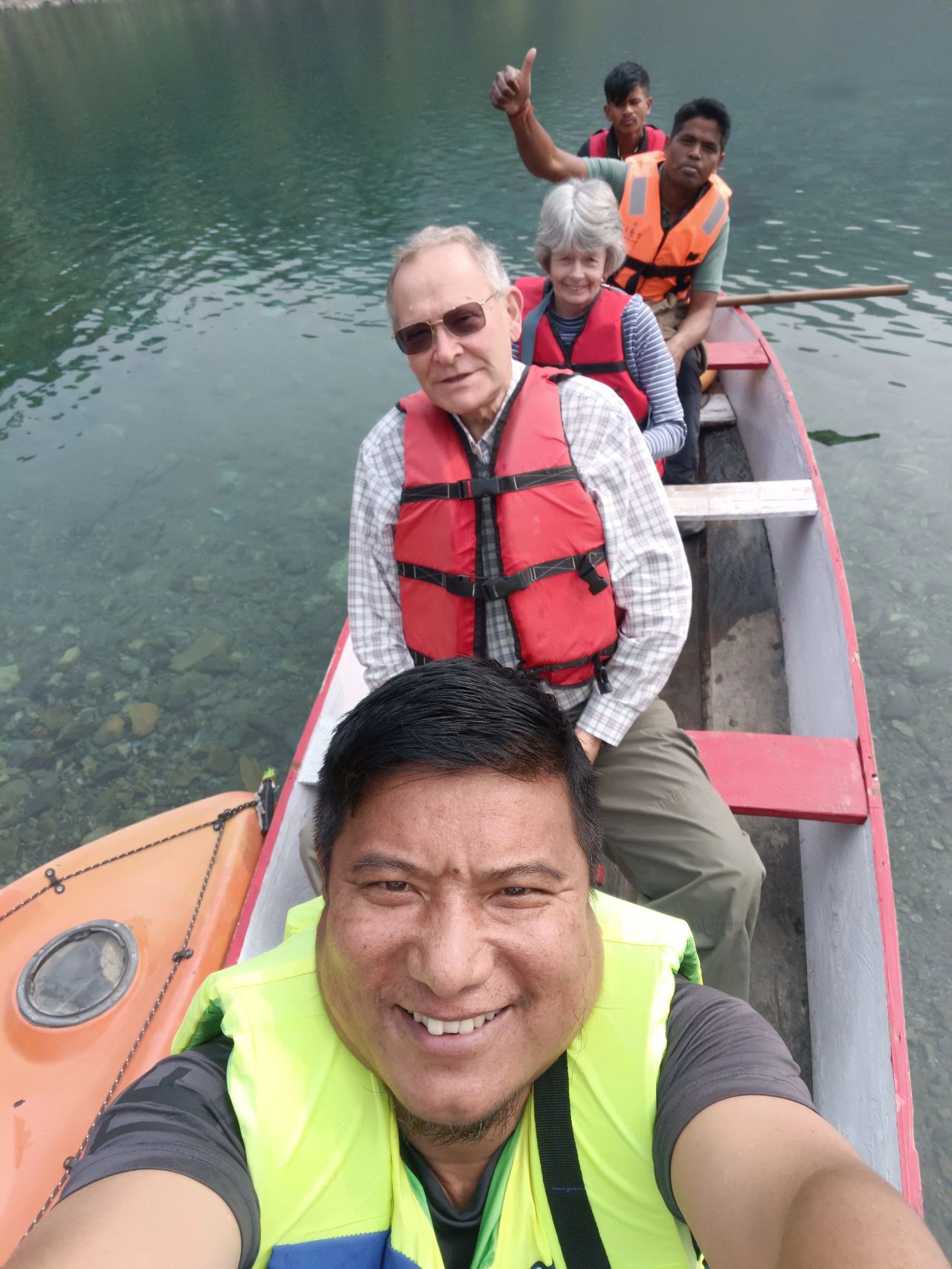
Private boat journeys on the crystal Umngot at Dawki, slow drives through Cherrapunji and Mawsynram, and quiet stays in boutique riverside lodges. Each itinerary is curated end-to-end.
Frequently Asked
October to April for trekking, root bridges and caves. June to September delivers the most dramatic monsoon waterfalls but trails are slippery and caves are off-limits.
No permits are required for Meghalaya for Indian or foreign visitors.
Nongriat requires roughly 3,500 stone steps down and back — moderate to strenuous. Easier root bridges exist near Mawlynnong, Rangthylliang and the Jaintia Hills.
Plan Your Meghalaya Journey
Share the season, the pace and the company you are travelling with. We will design a meghalaya journey around it — from heritage stays to remote field camps.