The expedition view
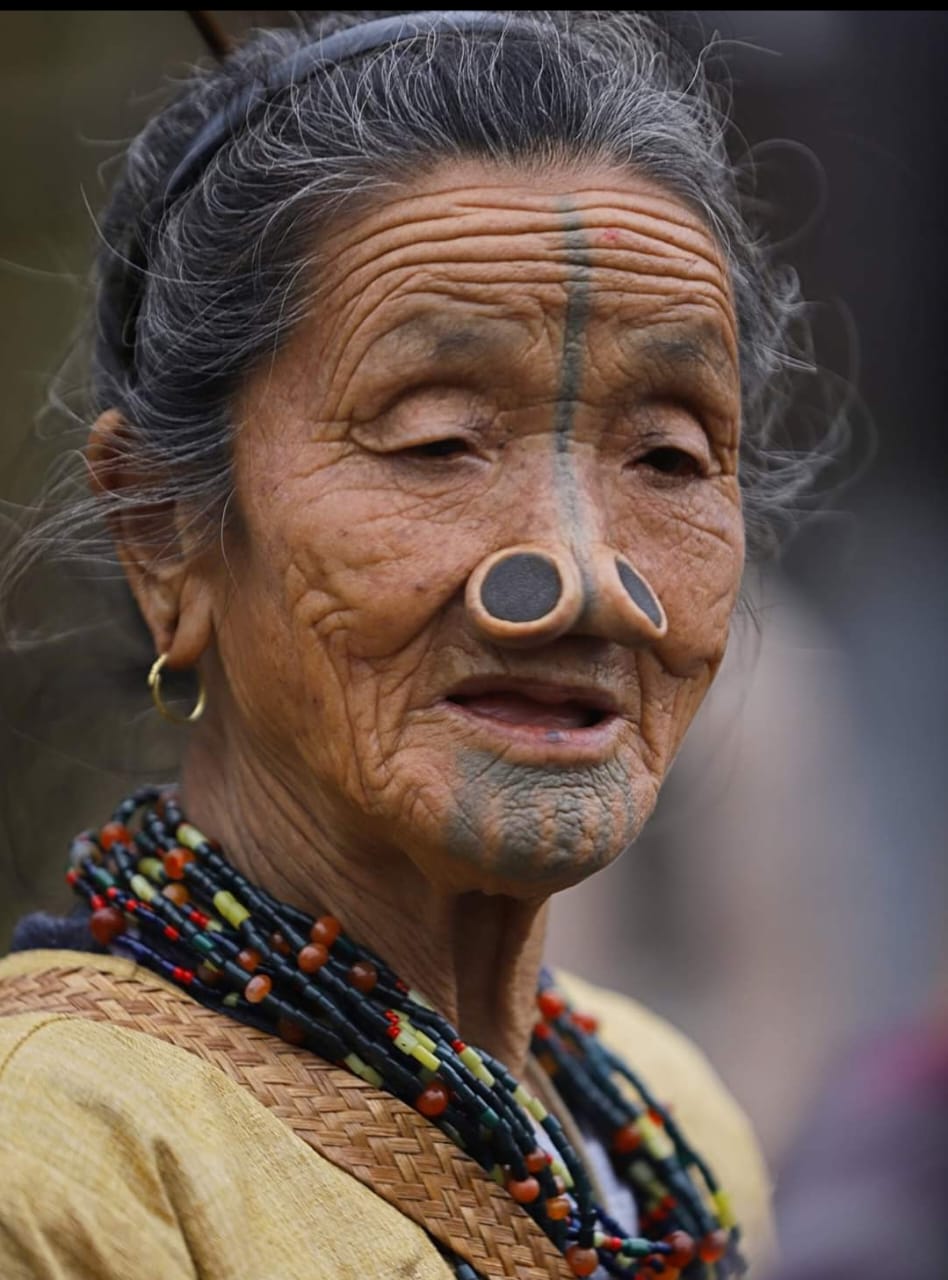
Northeast India is the most culturally dense region of the country — over two hundred distinct indigenous communities speaking more than two hundred and twenty languages across eight states. To call it diverse is to underdescribe it. The region is, on any honest reading, several distinct civilisational worlds compressed into a single political map: Tibetan-Buddhist highlands, animist Donyi Polo valleys, matrilineal Khasi-Jaintia hills, Vaishnavite river-island monasteries, Christian Naga and Mizo highlands, and the Indo-Aryan Brahmaputra plains, all in eight contiguous states.
This page is our specialist reference on who lives where, what they hold, and how to travel through their homelands with care. It is also the spine for the topic-and-journal cluster we publish — every editorial piece we run, every regional cluster, every cultural expedition we operate connects back to this page.
The four major cultural blocks
Tibeto-Burman is the largest linguistic block — almost all of Arunachal Pradesh, Nagaland, Mizoram, the Manipur hills and the Meghalaya Garo Hills. This includes the Monpa, Apatani, Nyishi, Adi, Mishmi, Galo, Tagin, all seventeen Naga tribes, the Mizo, Kuki and the valley-dwelling Meitei of Manipur. Austroasiatic anchors most of Meghalaya — the Khasi, Jaintia and War-Khasi of the central and southern hills speak languages from the Mon-Khmer family with closer relatives in Southeast Asia than in mainland India. Indo-Aryan dominates the Brahmaputra valley — Assamese-speaking communities, with Sanskritic Vaishnavism layered onto older indigenous substrates. Tai survives in pockets — Ahom (the founding kingdom of medieval Assam), Khampti (Lohit district), Phake and Tai-Aiton — Theravada Buddhist Tai-language communities with Southeast Asian roots.
Two hundred tribes, two hundred and twenty languages, eight states — and several distinct civilisational worlds compressed into a single political map.
Matrilineal Northeast
Meghalaya's Khasi, Jaintia and Garo are among the world's last large matrilineal societies — property and clan pass through the youngest daughter (Ka Khadduh in Khasi tradition), and the husband moves into his wife's mother's household. The Idu Mishmi of Arunachal lean matrilineal in shamanic and household authority. These are not heritage curiosities but living systems that shape land ownership, inheritance and conflict resolution today. The Khasi root-bridge villages are the most photographed expression of this culture; the daily reality of matrilineal inheritance runs much deeper.
Living religion across the eight states
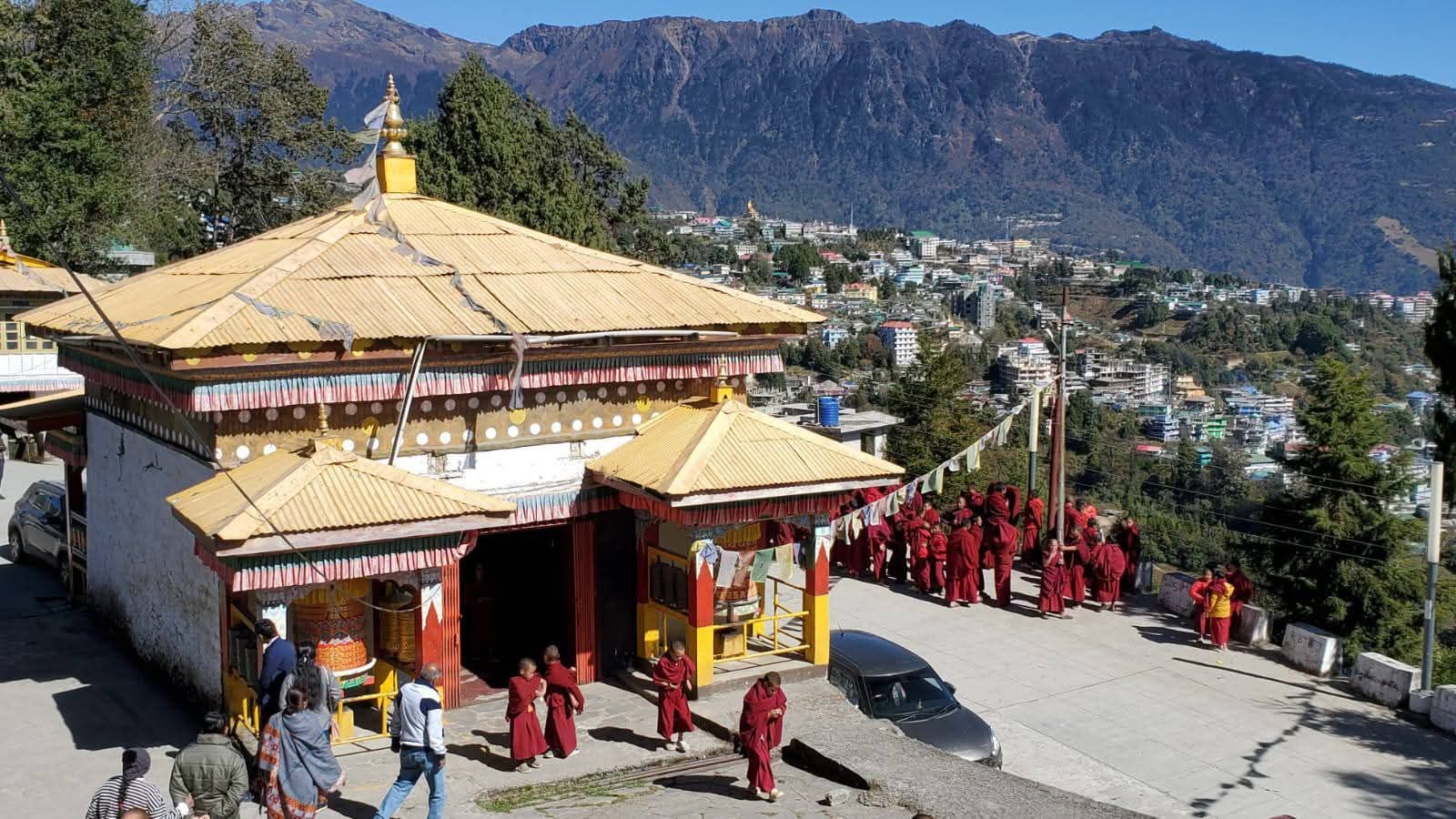
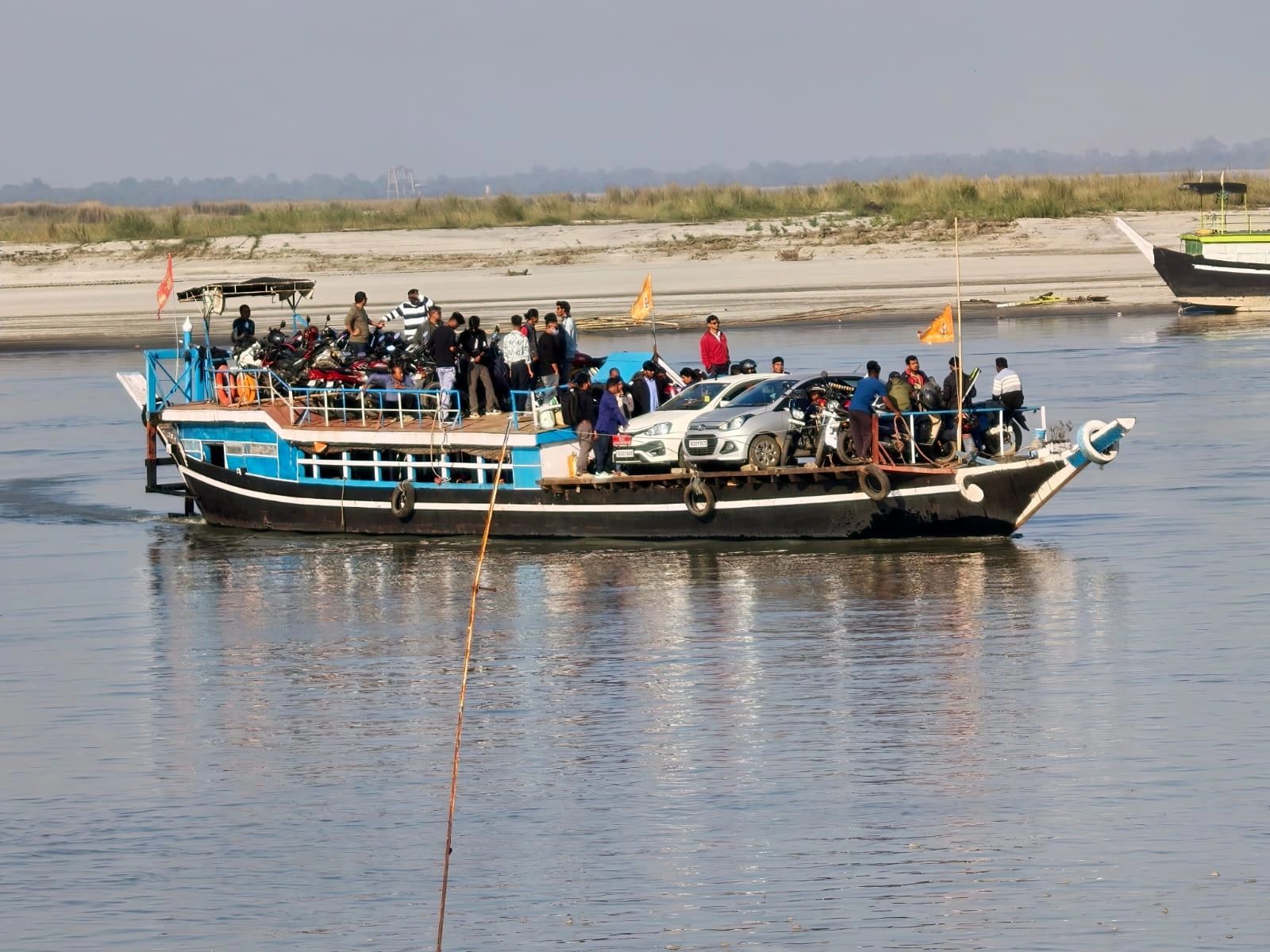
Tibetan Buddhism in Tawang, Dirang and West Kameng (Monpa) and in Khampti Theravada country in Lohit. Animism and Donyi Polo (sun-and-moon faith) across most of central and eastern Arunachal — a codified indigenous religion with its own scripture, festivals and growing institutional structure. Vaishnavite Hinduism on Majuli, organised around twenty-two satras (monastic seats) founded by the saint Srimanta Sankardev in the 16th century. Christianity (predominantly Baptist) across Nagaland, Mizoram and much of Meghalaya, layered onto pre-Christian indigenous belief systems that often survive in festival cycles and oral traditions. Sanamahi indigenous religion among the Meitei of Manipur, which is undergoing significant revival. Islam in pockets of Assam. Our [Indigenous Cultures journal] documents specific community expressions of these traditions through the year.
Architecture and material culture
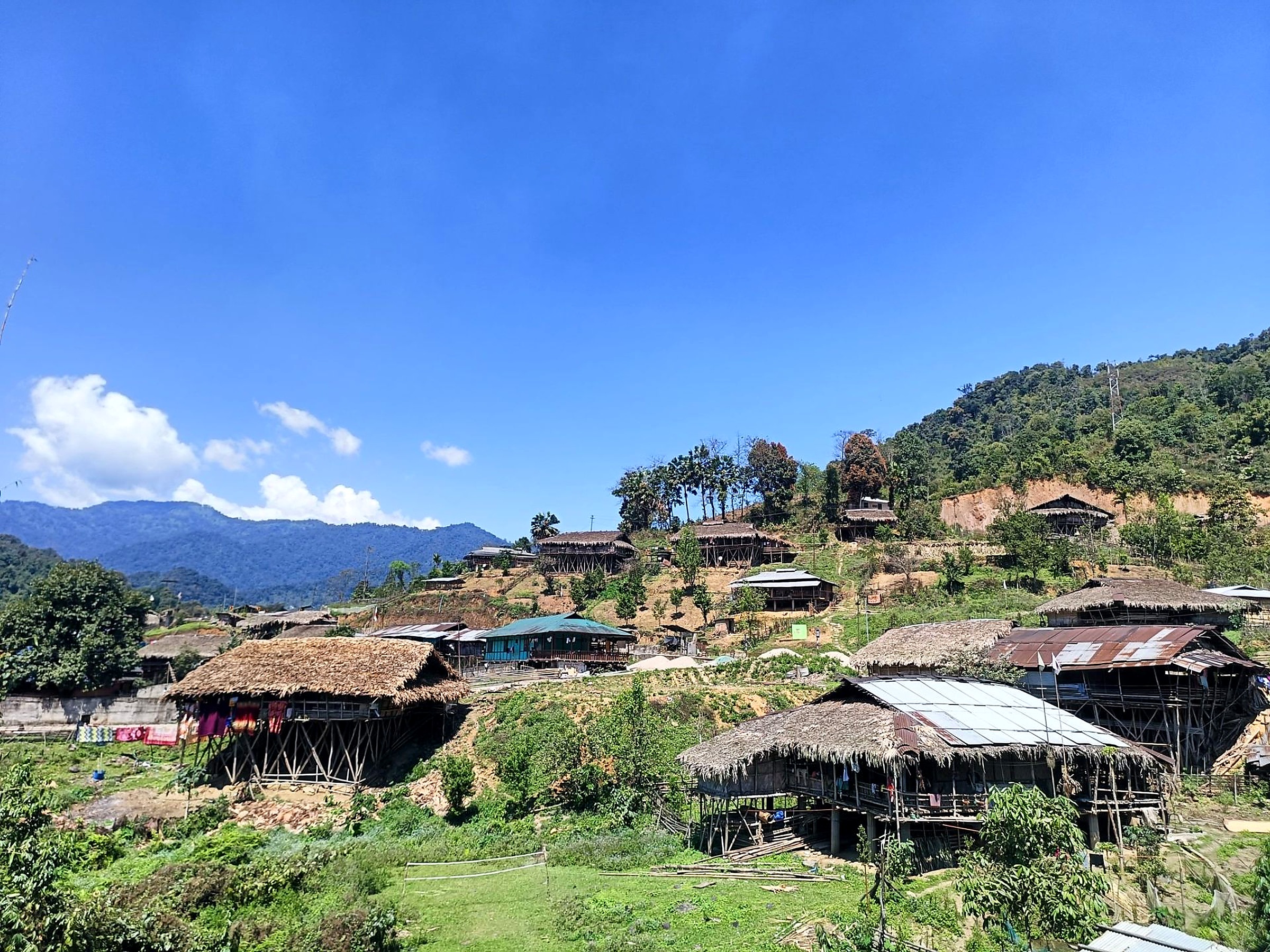
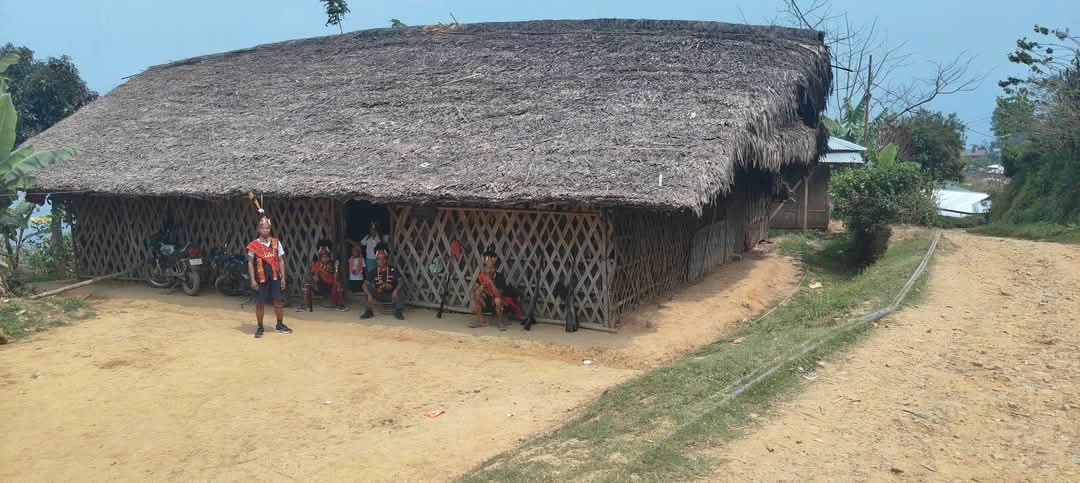
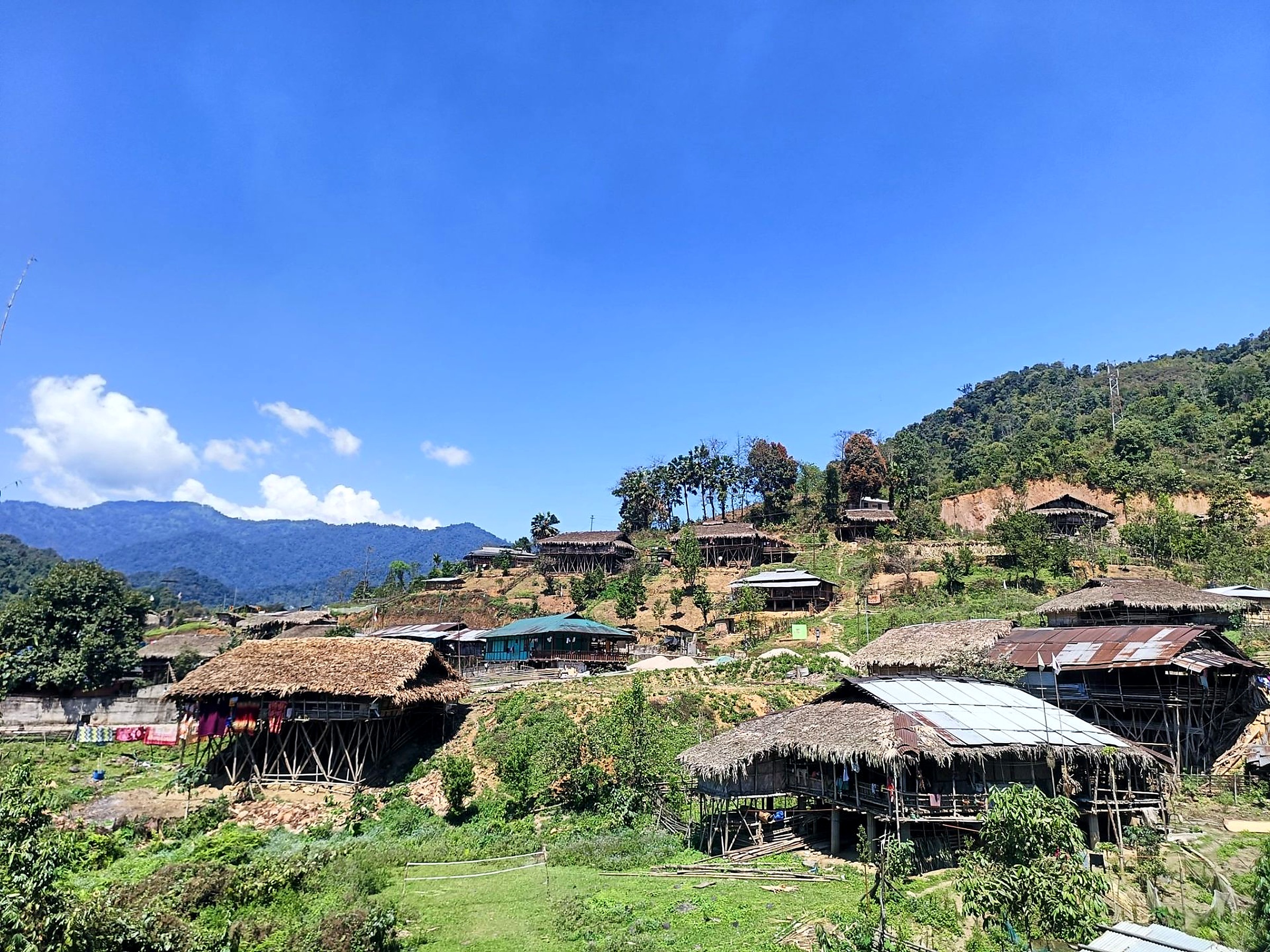
The bamboo-and-thatch stilt house is the dominant indigenous architectural form across Arunachal and the Naga hills — designed for flood, earthquake, smoke management and storage, with every part of the structure load-bearing or thermally functional. Our Galo villages journal piece reads them as engineering. Konyak morungs (youth dormitories) are the social anchor of every village in Mon. Apatani houses combine traditional bamboo with adapted modernity. Khasi root bridges are the single most famous expression of indigenous bioengineering in the region. Textile traditions — Eri and Muga silk in Assam, Naga loin-loom weaves, Apatani backstrap looms, Mising and Bodo weaves, Manipuri phanek — are covered in detail in our Textile and tribal heritage tours hub.
Travelling with cultural respect
Always ask before photographing — especially elders, and inside morungs, satras and monasteries. Carry no shoes into homes or sacred spaces. Drink the offered rice beer if you can; decline politely if you cannot. Tip the field guides who feed you context, not the elders who feed you tea. Our responsible travel code is the longer published version of this. The communities that have welcomed us for over a decade did so because the relationships were built on continuity and reciprocity — and those are the only terms on which our journeys operate.
Where to start
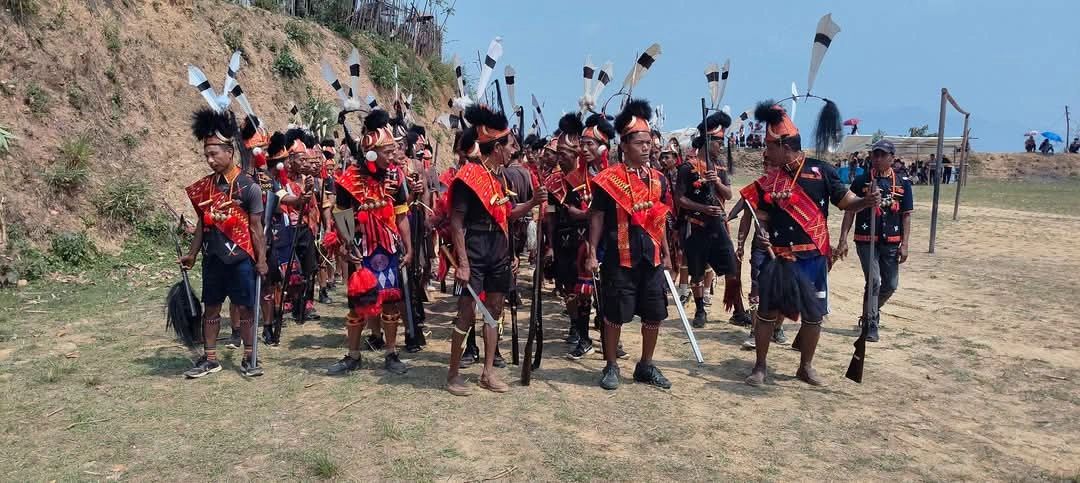
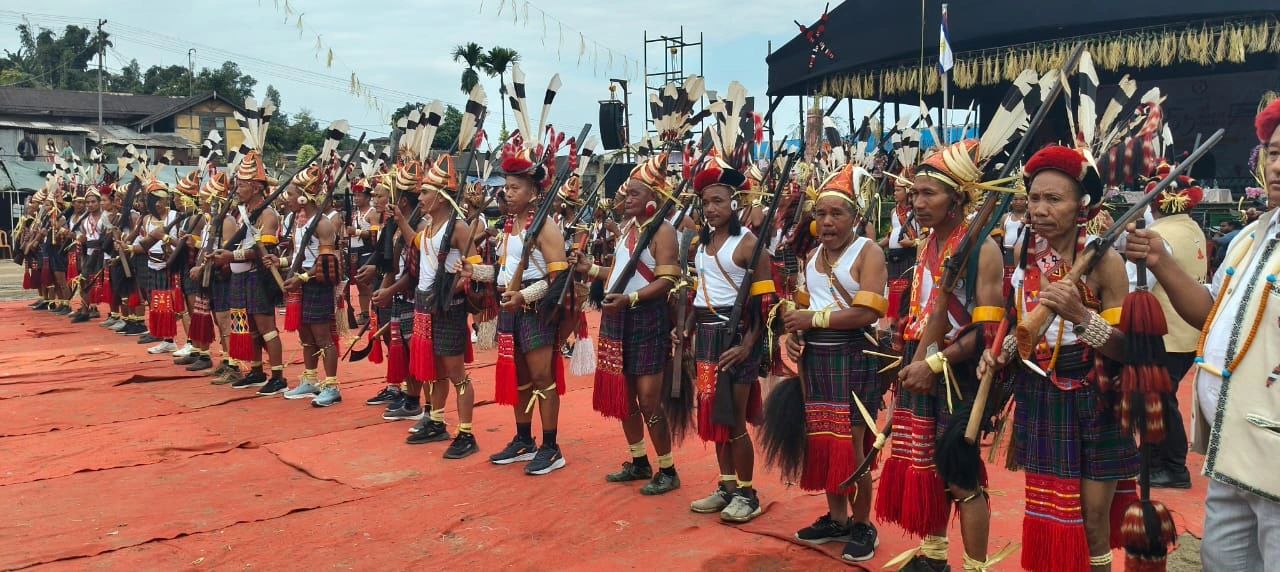
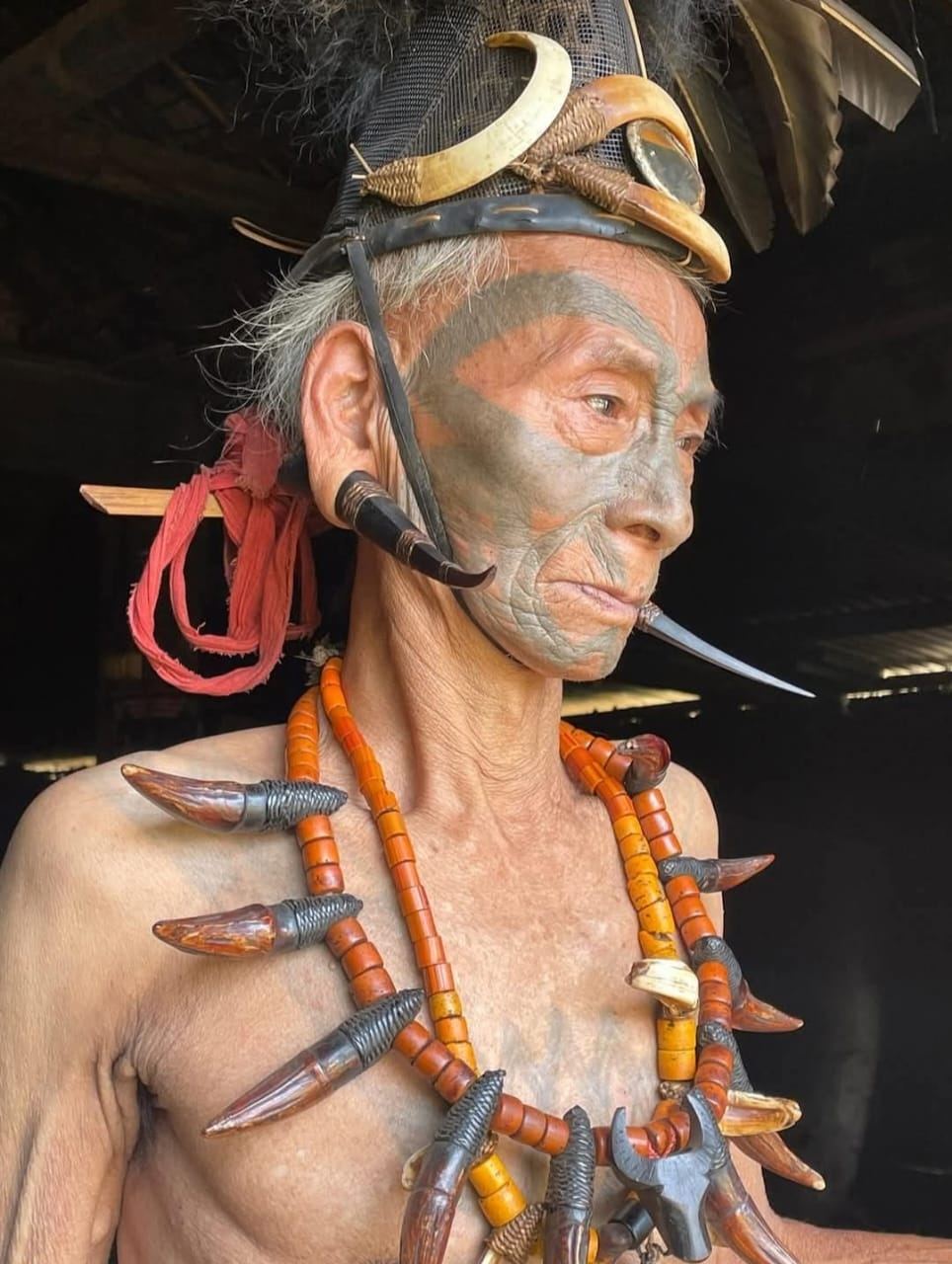
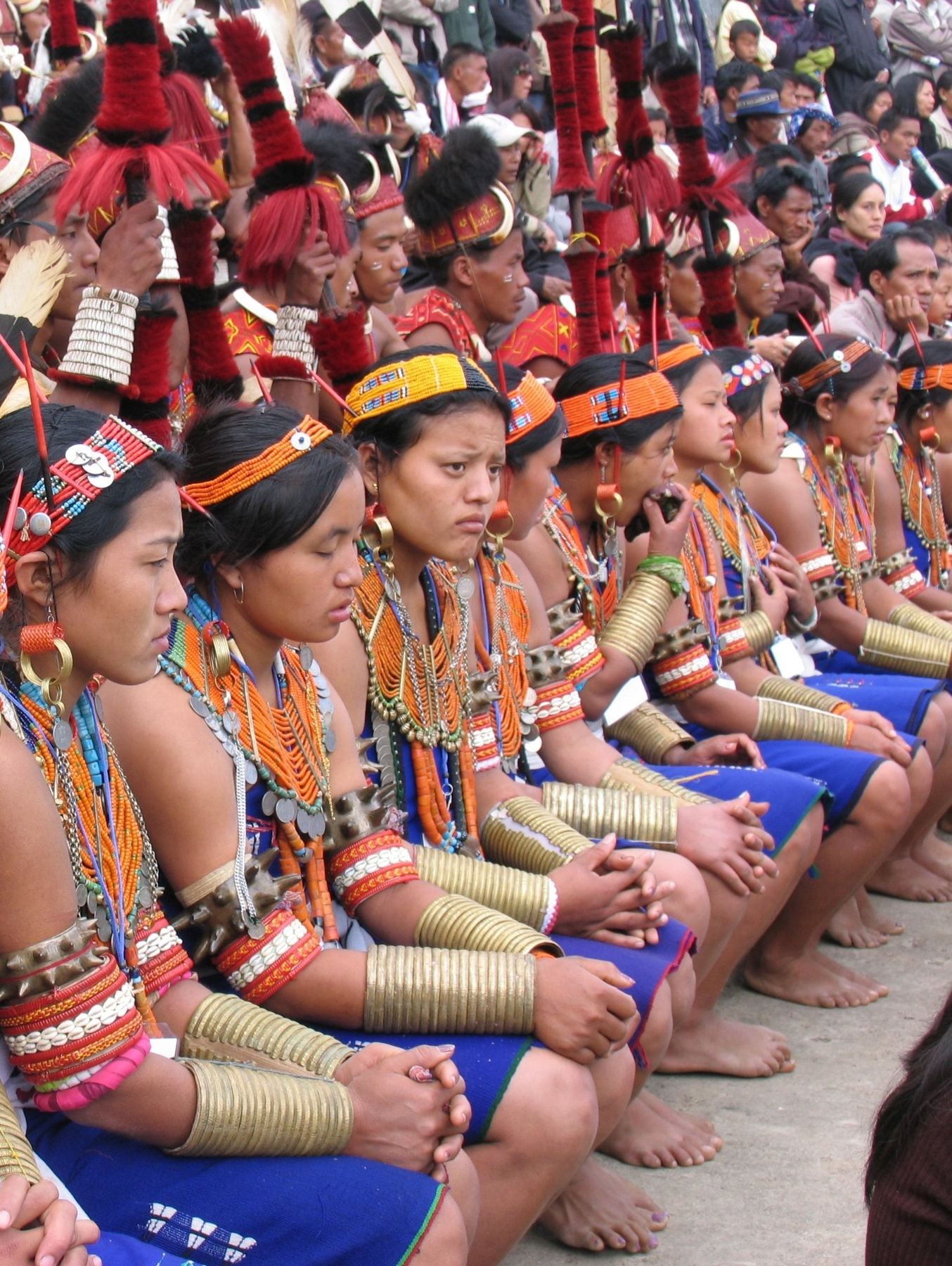
If you are reading this before a first trip, the natural entry points are: Tawang and Ziro in Arunachal for monastic-and-agrarian highland culture; Mon in Nagaland for Konyak warrior heritage; Majuli in Assam for Vaishnavite satras and Mising stilt-house life; the Khasi root-bridge villages of Meghalaya for matrilineal Austroasiatic culture; the Hornbill Festival in December for breadth across seventeen Naga tribes in one place. The full route structures sit in Nagaland tribal expeditions, Arunachal cultural journeys and Northeast India cultural tours.