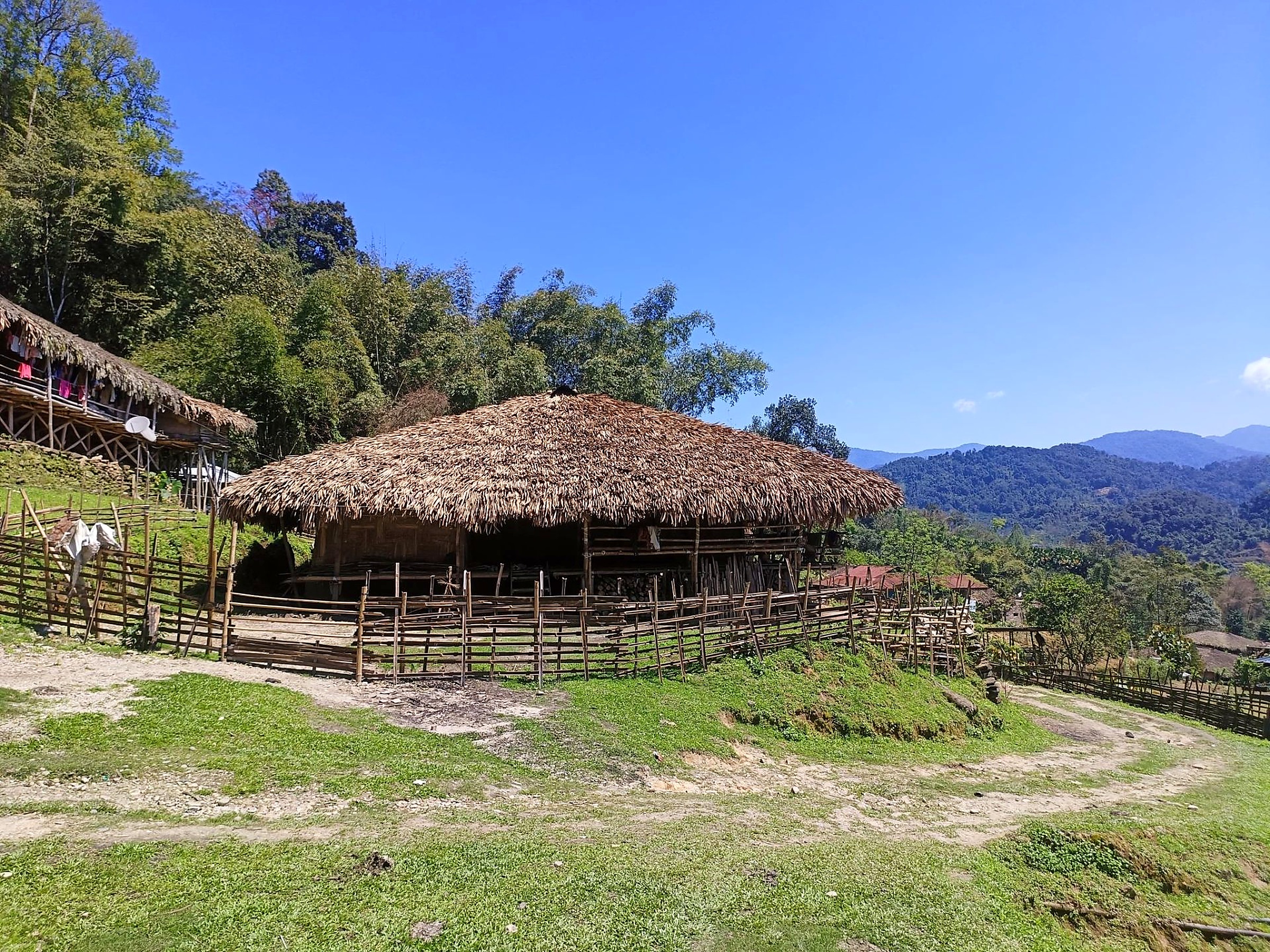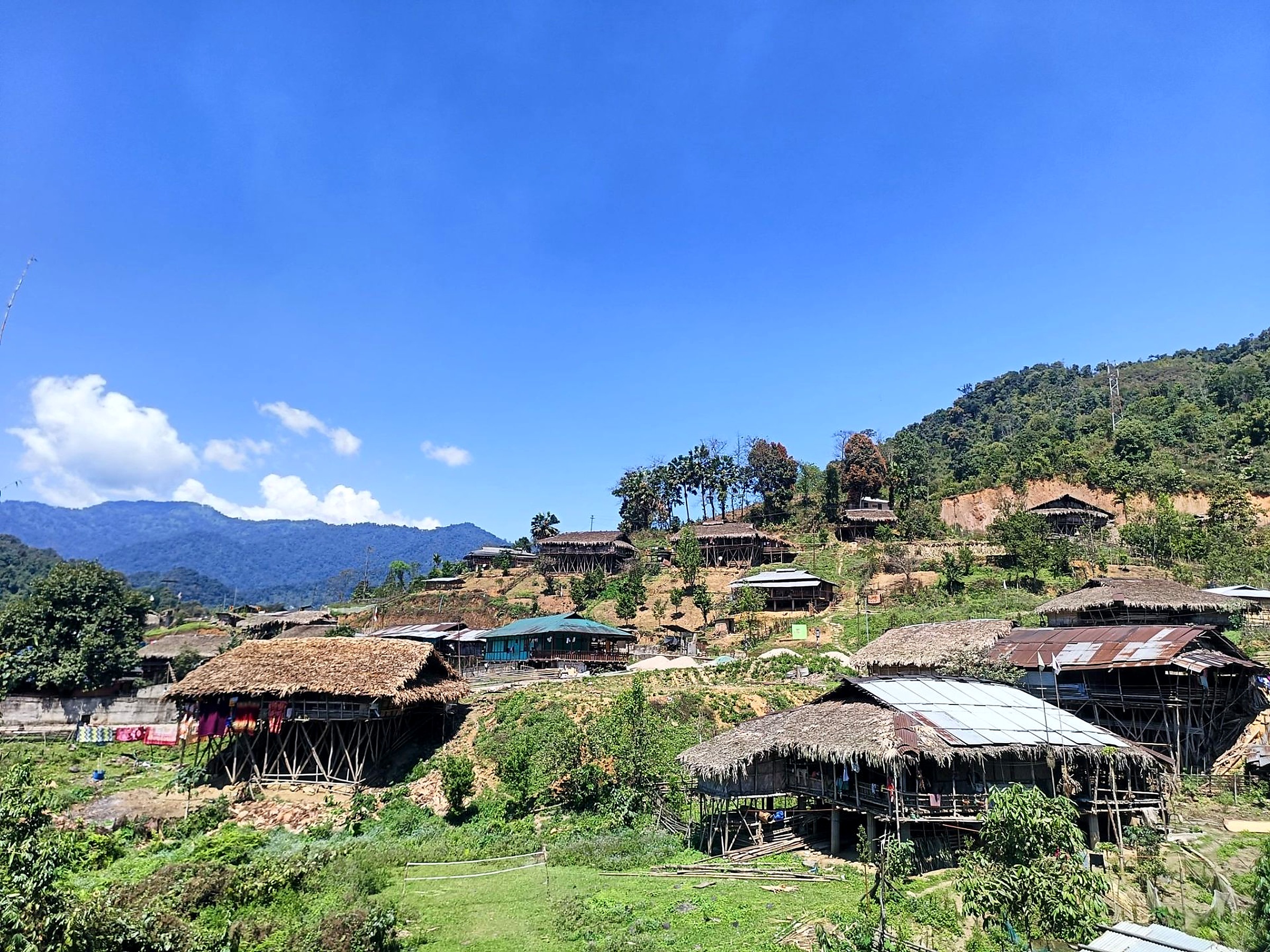
In remote Galo villages of Arunachal, bamboo-and-thatch homes reflect centuries of environmental wisdom, resilience and life in harmony with nature.
What may appear simple at first glance is often the result of generations of remarkable indigenous knowledge.
In the remote Galo villages of Arunachal Pradesh, architecture is not defined by concrete walls, modern luxury or elaborate design. Instead, it is built around survival, sustainability and an intimate understanding of the surrounding landscape.
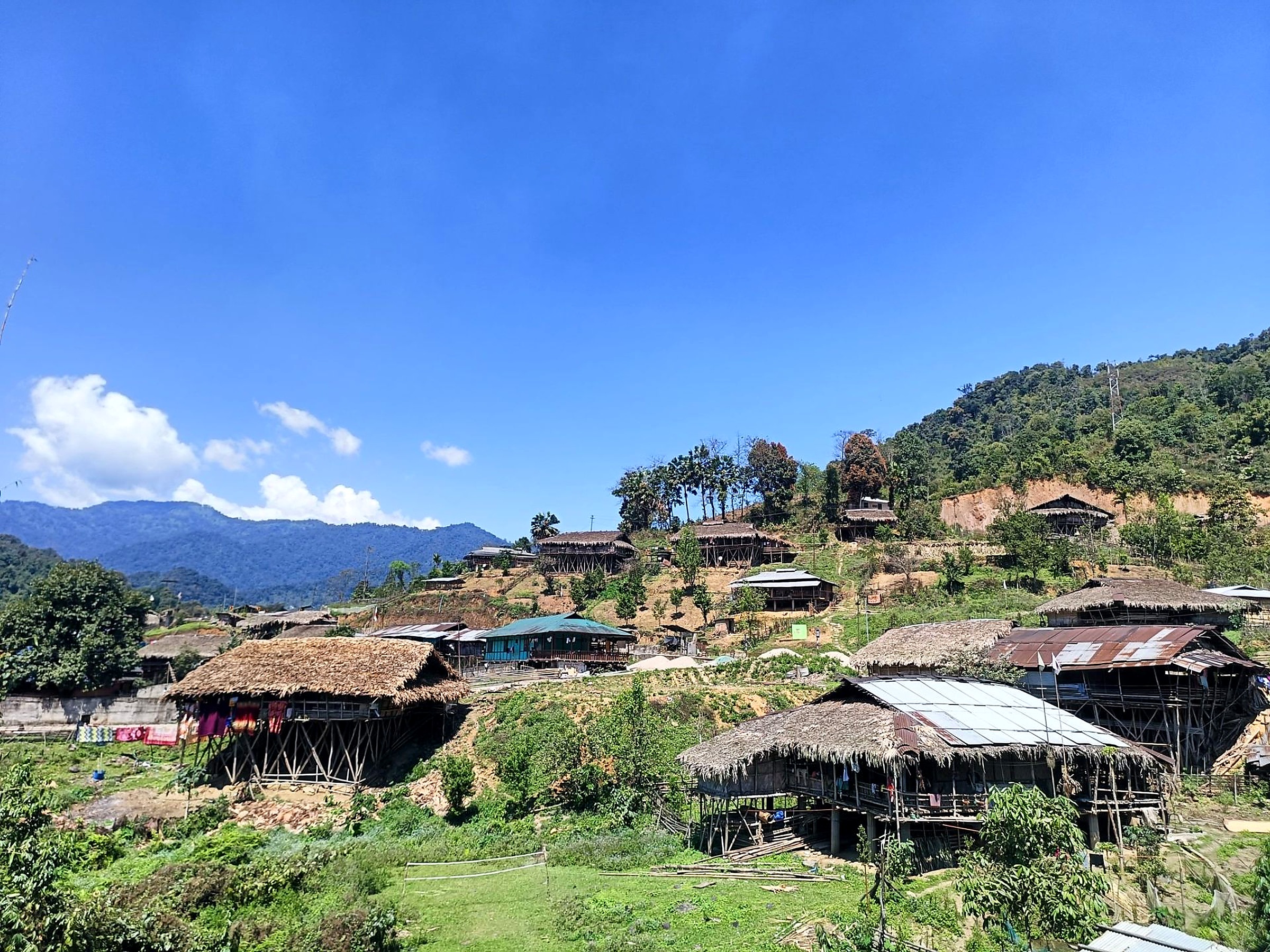
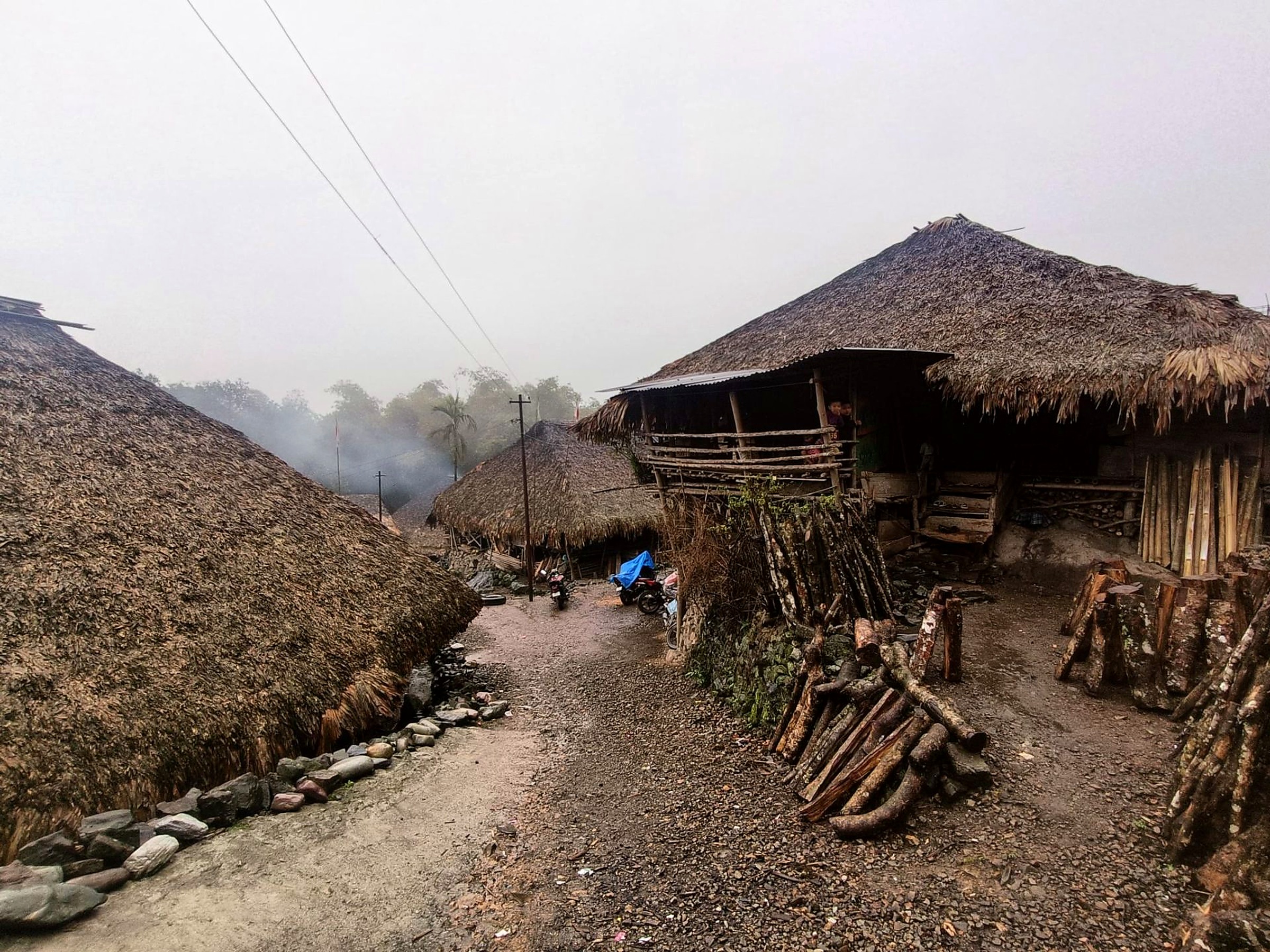
Traditional homes are constructed using bamboo, timber and thatch — materials sourced directly from the forests around the village. Raised high on stilts, these homes are carefully designed to withstand floods, earthquakes, heavy monsoon rains and even wild animals. The open space beneath the house often serves as storage or shelter for livestock, making every part of the structure purposeful.
Across the village, one begins to notice how deeply practical and environmentally adapted these structures truly are.
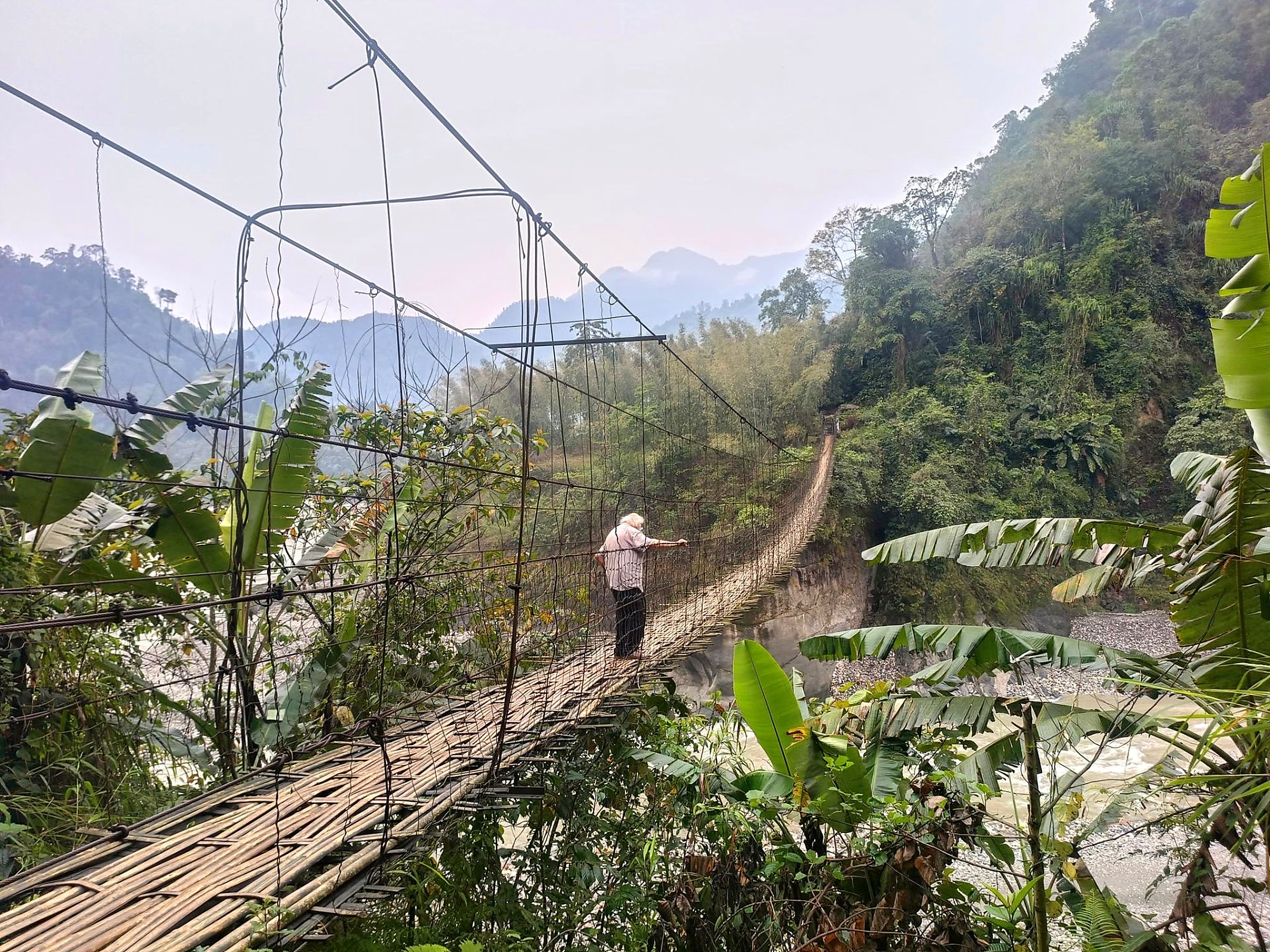
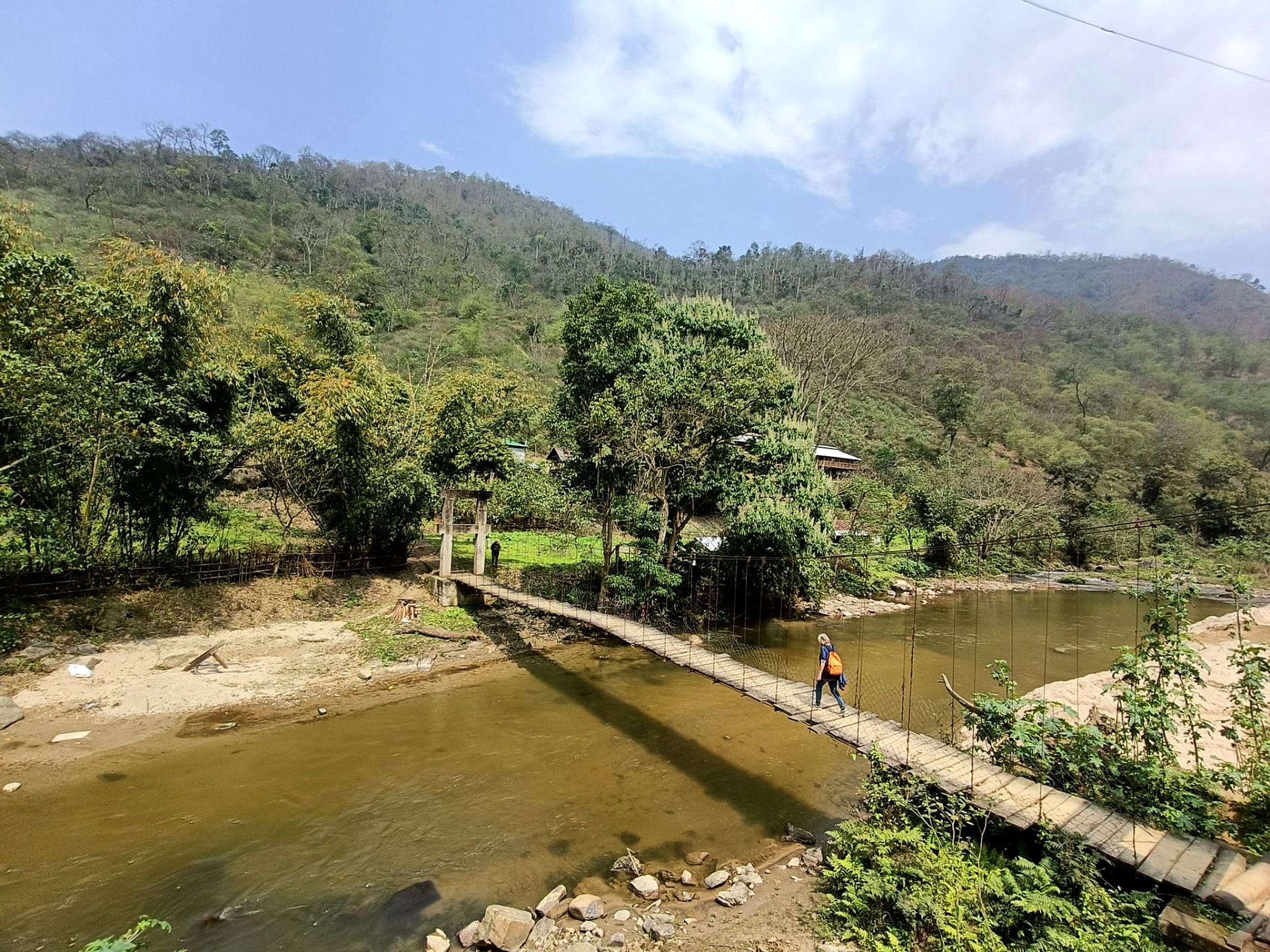
Bamboo floors naturally breathe with the changing seasons. Roofs are designed to release smoke while protecting interiors from rain. Hanging bridges woven from bamboo and cane once served as vital lifelines across powerful mountain rivers. While many modern iron bridges now replace them, bamboo craftsmanship still remains inseparable from the identity of the region.
Another striking symbol seen across many homes is the white flag marked with a red circle — representing the Donyi Polo faith, the indigenous belief system centered around the Sun (Donyi) and Moon (Polo) as guiding forces of life and nature.
Standing in these villages, it becomes clear that this is far more than architecture.
Engineering without blueprints. Sustainability without slogans. Innovation without textbooks.
Long before the modern world began speaking about eco-conscious living and sustainable design, communities like the Galo people were already practicing it through a lifestyle deeply rooted in balance with nature.
For travellers exploring Northeast India, experiences like these reveal a different understanding of progress — one where tradition, resilience and harmony with the environment continue to shape everyday life.
Sometimes, the most advanced design is the one that leaves the lightest footprint on the earth.