01
Loktak Lake
Sunrise and sunset boat journeys across Loktak — the largest freshwater lake in Northeast India — with stays in family fishing villages on its eastern shore.
Destination Folio
The Region
Manipur is the cradle of polo, classical Manipuri dance and the only floating national park in the world. Our journeys here move between the Imphal valley and the Tangkhul and Mao hills.
Best time
October to March (Lai Haraoba in April–June; Sangai festival in November)
Permits
Foreign nationals must register on arrival; no special permit for Indian travellers.
Recommended days
5–8 days
Key regions
Imphal valley · Loktak & Keibul Lamjao · Ukhrul (Tangkhul Naga) · Senapati (Mao & Poumai) · Andro & Heritage Park
Cultural Heritage
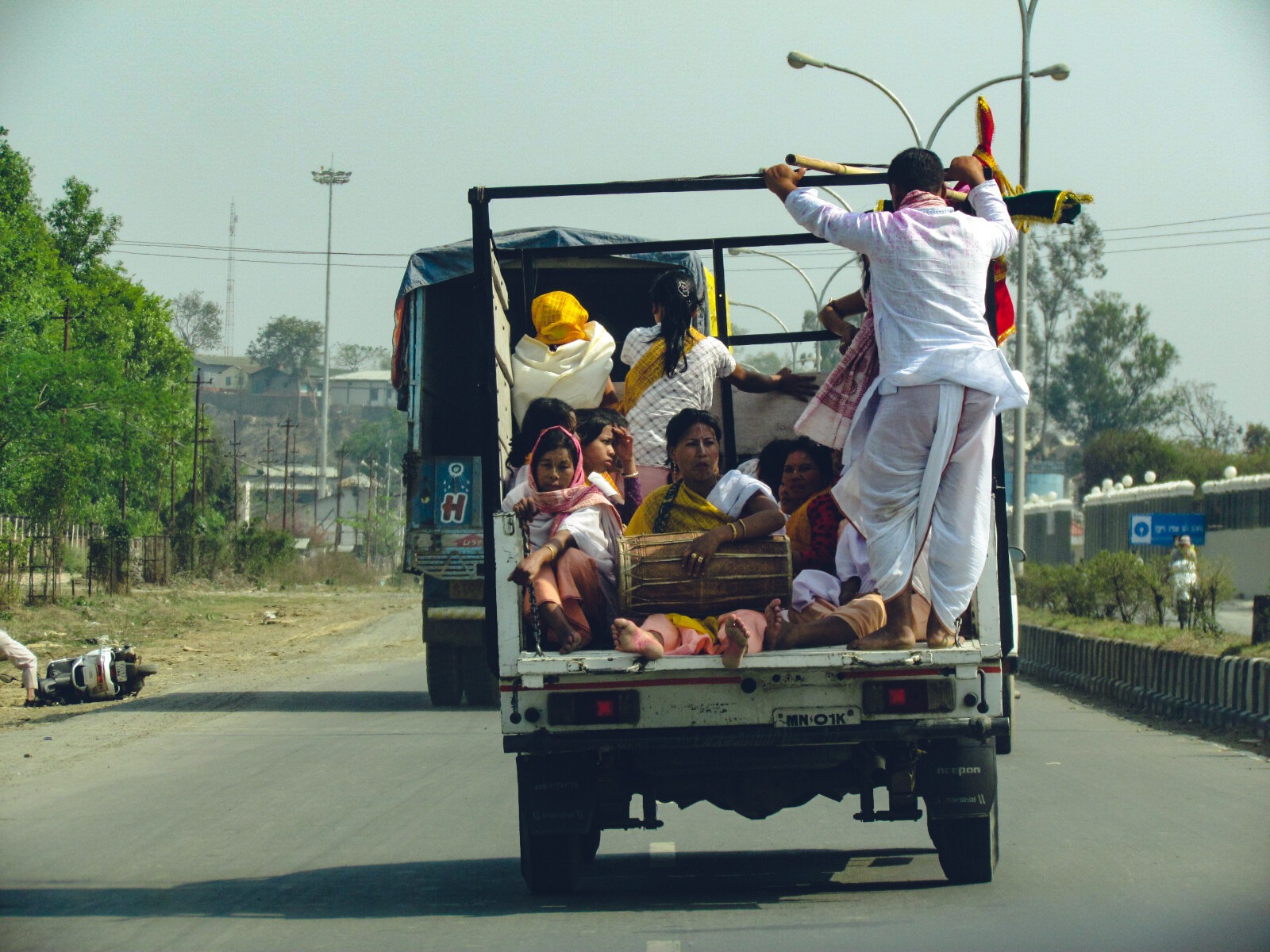
Manipur is the meeting place of the valley-dwelling Meitei — among India's oldest classical cultures — and the hill Naga (Tangkhul, Mao, Poumai) and Kuki-Zo communities.
Imphal valley
Vaishnavite Hindu and indigenous Sanamahi society — classical Manipuri dance, polo and the Meetei Mayek script.
Ukhrul district
Hill Naga community of the Indo-Myanmar border — Luira spring festival, terraced paddies and intricate loin-loom weaving.
Senapati district
Northern Naga groups — Saleni festival, stone-megalith villages and proximity to Dzukou Valley.
Churachandpur, Pherzawl
Tibeto-Burman hill communities sharing roots with the Mizo and Chin.
Chandel
Smaller eastern Naga groups along the Myanmar border with distinct festivals and weaves.
Festivals
Imphal valley
Manipuri Holi — five days of Thabal Chongba moonlight dance, sports and devotional singing.
Meitei villages, Imphal
The 'pleasing of the gods' — the indigenous Sanamahi-Meitei pre-Hindu ritual cycle, performed by maibis (priestesses).
Tangkhul villages, Ukhrul
Tangkhul Naga seed-sowing festival — five days of feasts, traditional dress and inter-village dance.
Imphal valley
Meitei women's festival — married daughters return to their natal homes for a family feast.
Imphal
Manipur's official cultural festival — Ras Lila, polo, indigenous food and crafts from all communities.
Wildlife & Protected Areas
Manipur protects the only floating national park in the world — Keibul Lamjao on Loktak Lake, the last refuge of the dancing Sangai deer.
Park
Floating national park on Loktak — last natural habitat of the Sangai (Manipur brow-antlered deer), the state animal.
Park
Ukhrul district — the home of the Shirui Lily, which blooms only in May–June on Shirui peak.
Sanctuary
Tropical forest on the Myanmar border — slow loris, Phayre's langur and rare hoolock gibbon.
Sanctuary
Lake-and-forest sanctuary in Tamenglong — Asian black bear and serow.
Birding Opportunities
Loktak's wetlands and the Tamenglong hills together hold a strong birdlife, including the elusive Amur Falcon roost at Tamenglong each October.
Explore birding expeditions →Key hotspots
Notable species
Textiles & Crafts
Manipur's classical Meitei loin-loom weaving and the Tangkhul Naga shawls together represent one of India's most layered handloom traditions.
Meitei women
The Phanek wraparound and Innaphi shawl — striped horizontal weaves, often in maroon, black and gold.
Moirang weavers
GI-tagged Meitei textile with the distinctive Moirang temple motif borders.
Tangkhul Naga, Ukhrul
Red-and-black striped warrior shawls — Luirim and Haora — once earned only after a ritual feast.
Imphal weavers
Translucent white woven cotton — historically the dress of Meitei royal women.
Destinations & Landscapes
The largest freshwater lake in Northeast India — covered in floating phumdis.
The world's only floating national park.
The ancient seat of the Meitei kingdom in Imphal.
The largest all-women-run market in Asia — 4,000 women traders.
Home of the Shirui Lily — blooms only in May–June on this single peak.
Heritage Meitei pottery village near Imphal.
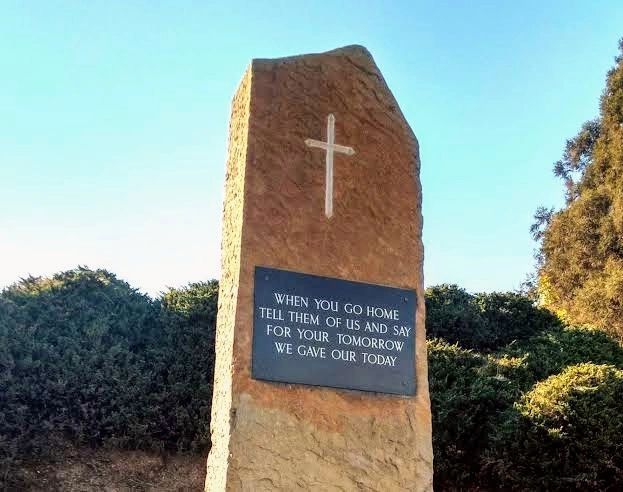
Sites of the 1944 Battle of Imphal — INA memorial and the Red Hill.
Photography
Manipur rewards photographers who can plan around festival calendars and the floating-island sunrise on Loktak.
Photography expeditions →Locations to shoot
Suggested Expeditions
Related Topics
Sunrise and sunset boat journeys across Loktak — the largest freshwater lake in Northeast India — with stays in family fishing villages on its eastern shore.
Walks across the phumdis of Keibul Lamjao — home to the endangered Sangai deer — guided by community researchers from the surrounding villages.
Kangla Fort, Ima Keithel (the all-women's market) and the spiritual landscape of the Meitei — Sanamahi temples, Lai Haraoba rituals and Vaishnavite traditions.
Classical Manipuri Raas Leela performances, polo at its birthplace, Loin-loom weaving with Tangkhul families and pottery in the Andro heritage village.
Field Journal
Frequently Asked
October to March is the broad clear window. November's Sangai Festival is the cultural high point; May–June is the Shirui Lily season.
No Inner Line Permit is required, but foreign nationals must register on arrival at Imphal.
Travel conditions vary by district. We monitor advisories closely, route journeys through stable areas and brief guests fully before each trip.
Plan Your Manipur Journey
Share the season, the pace and the company you are travelling with. We will design a manipur journey around it — from heritage stays to remote field camps.