Specialist Journeys · Birding

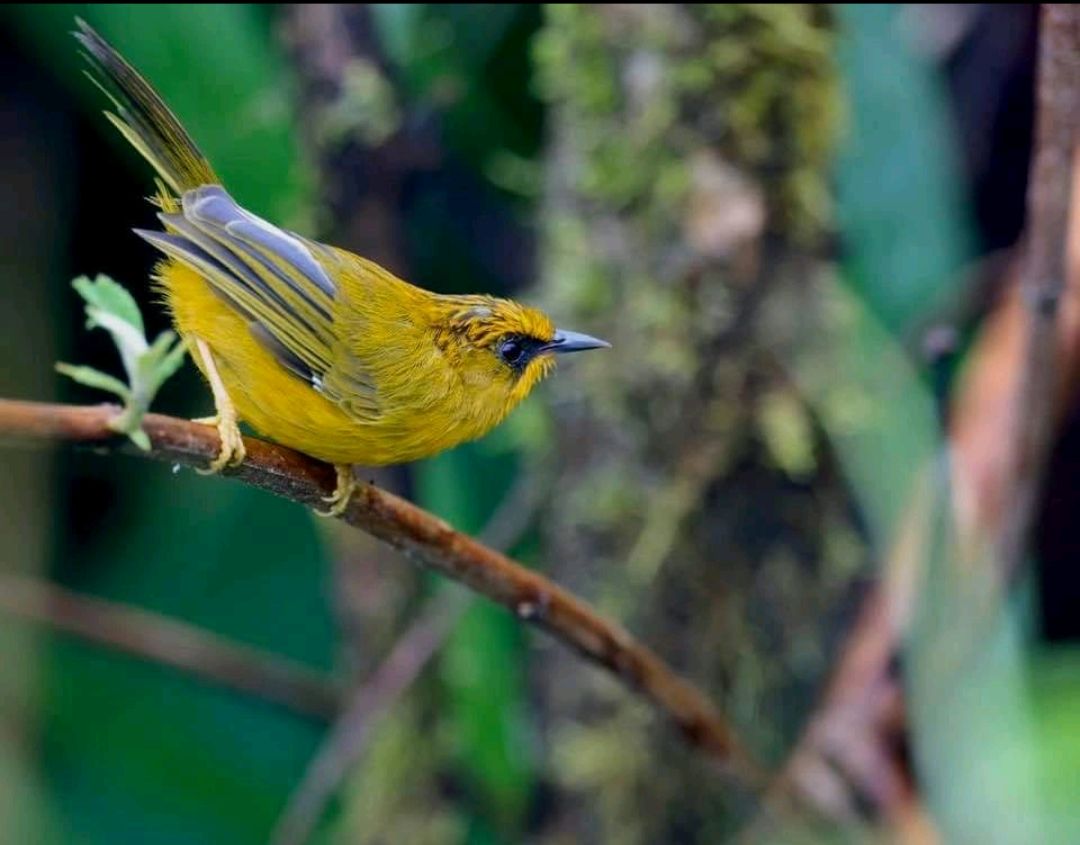
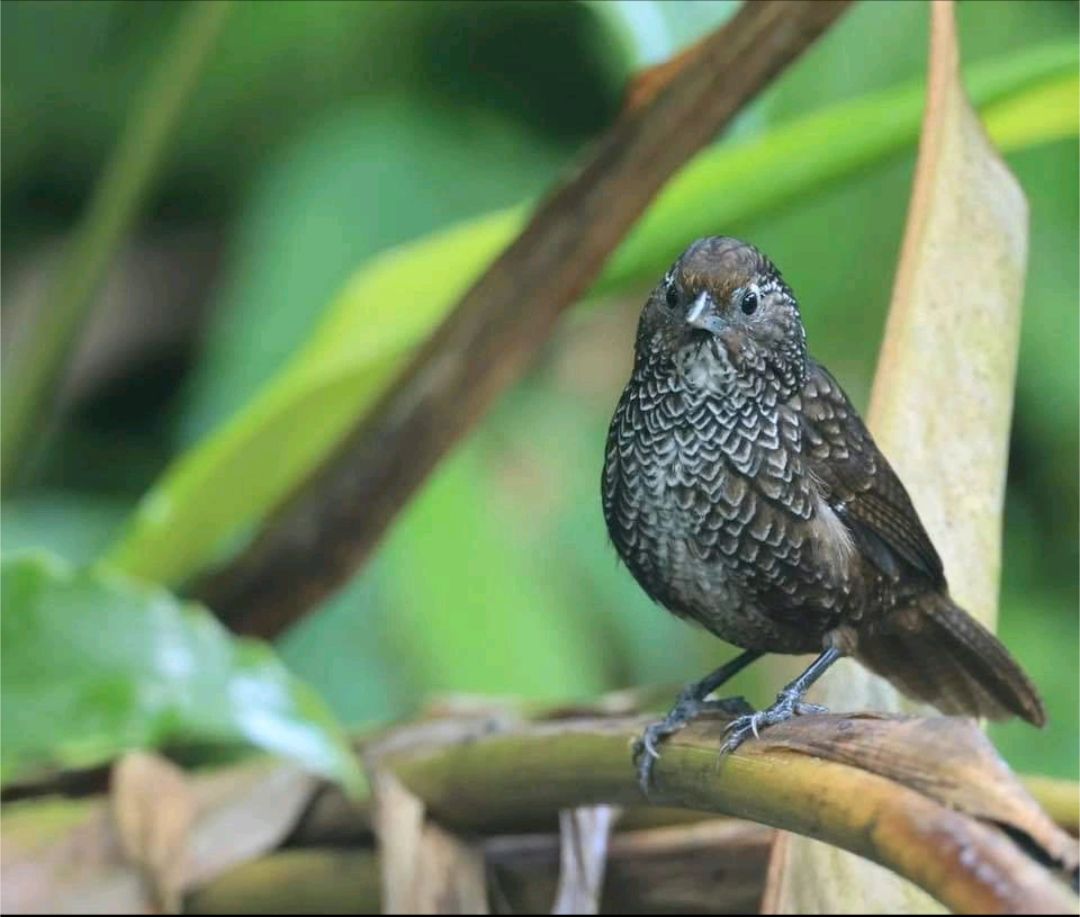
Birdwatching Tours in Northeast Indiathe Bugun, the Ward's, the Mishmi wren-babbler.

Northeast India sits at the convergence of the Indo-Malayan and Sino-Himalayan zoogeographic zones — which is why a single state, Arunachal Pradesh, holds over 700 bird species, more than half of India's total. Our birding journeys are private, paired with resident naturalists who know the territories, and routed through Eaglenest, Pakke, Mishmi, Namdapha, Manas and Kaziranga.

Birdwatching Tours in Northeast India — Living Roots Expeditions

The expedition view

Northeast India sits at the convergence of the Indo-Malayan and Sino-Himalayan zoogeographic zones — the meeting line of two of the world's largest faunal regions runs through these hills. That single fact explains why a single state, Arunachal Pradesh, holds more than 700 bird species, why over 850 species have been recorded across the wider Northeast, and why every serious birder eventually finds their way here.

Living Roots Expeditions runs private birding journeys paired with resident naturalists — not general drivers — across Eaglenest, Pakke, Namdapha, Mishmi Hills, Manas, Kaziranga and the lesser-travelled grasslands and wetlands of the Brahmaputra valley. Our Northeast India birding paradise journal piece is the field-led overview; the rest of this page is the planning framework.

Eaglenest — the single richest birding circuit in India

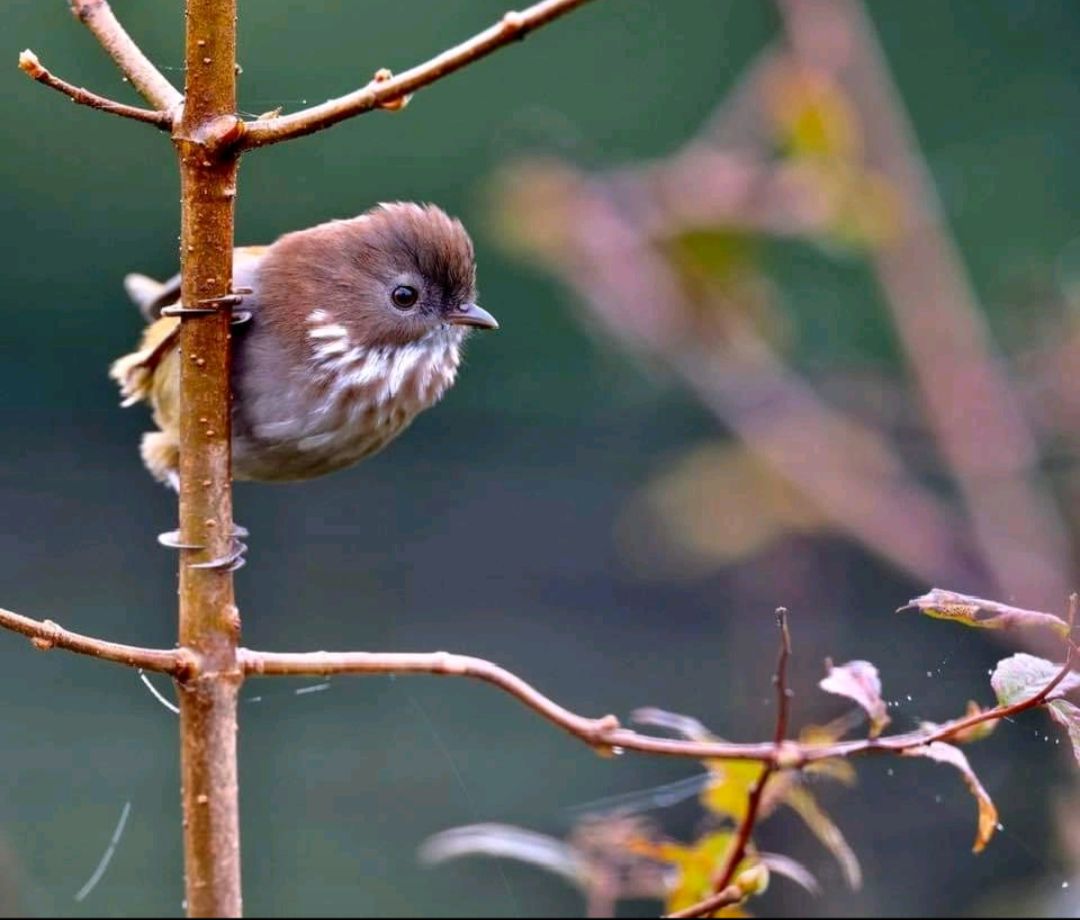
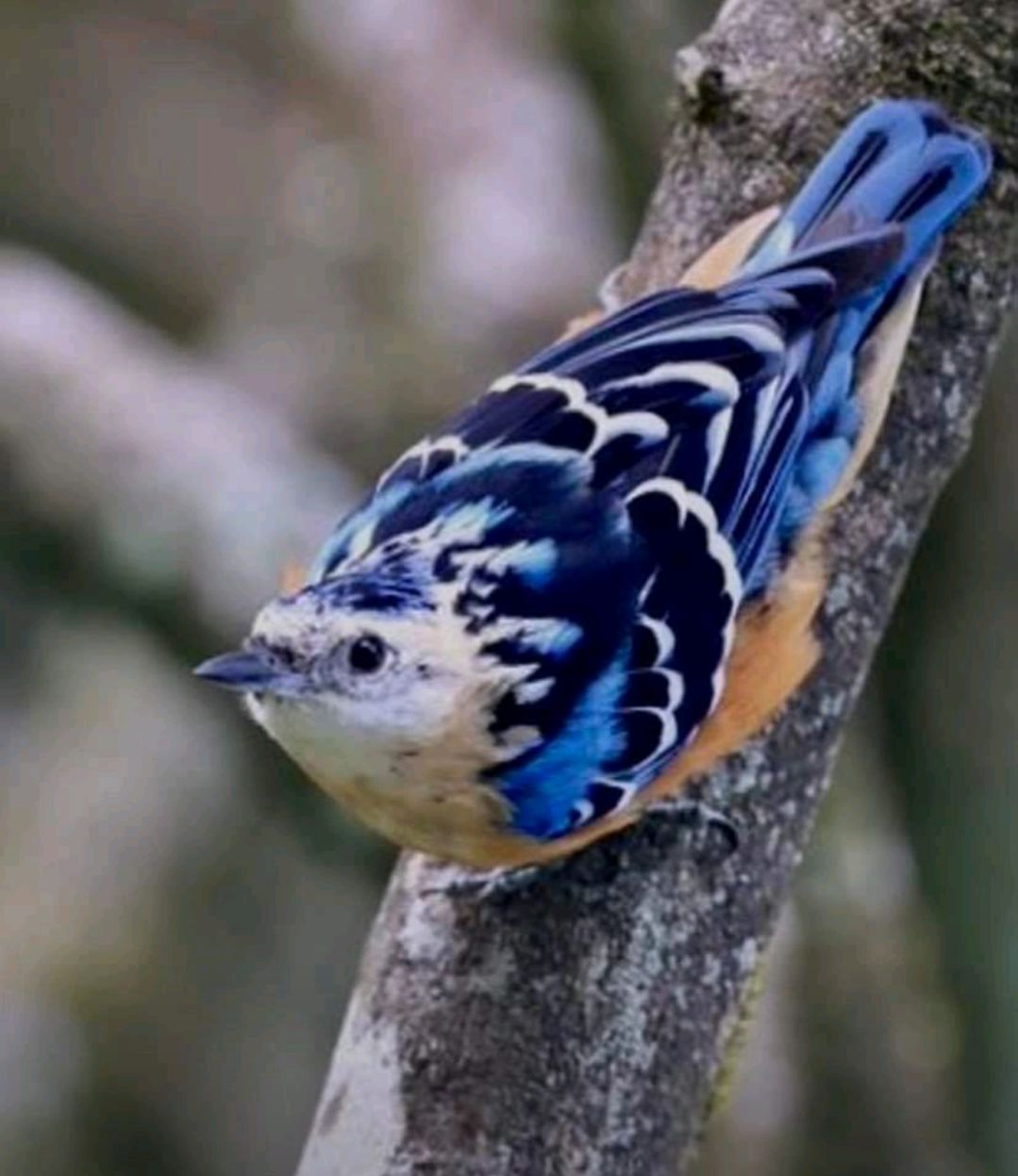
Eaglenest Wildlife Sanctuary in West Kameng (Arunachal Pradesh) holds over 450 bird species in roughly a hundred square kilometres of pristine montane forest. The Bugun liocichla — discovered new to science here in 2006 and named after the Bugun community that protects it — is the marquee endemic, but the list includes Ward's trogon, beautiful nuthatch, wedge-billed wren-babbler, three species of cutia, and the rare Sclater's monal at altitude. Camp at Bompu, Sessni and Lama Camp gives access from lowland sub-tropical to high temperate forest in a single circuit. The sanctuary is co-managed with the Singchung Bugun Village Reserve — one of South Asia's strongest community-conservation models. We pair Eaglenest with [Dirang] as a recovery base.

Over 850 species recorded across one corner of India — the single richest birding region in the country and one of the richest on the planet.

Pakke, Namdapha and the Mishmi Hills

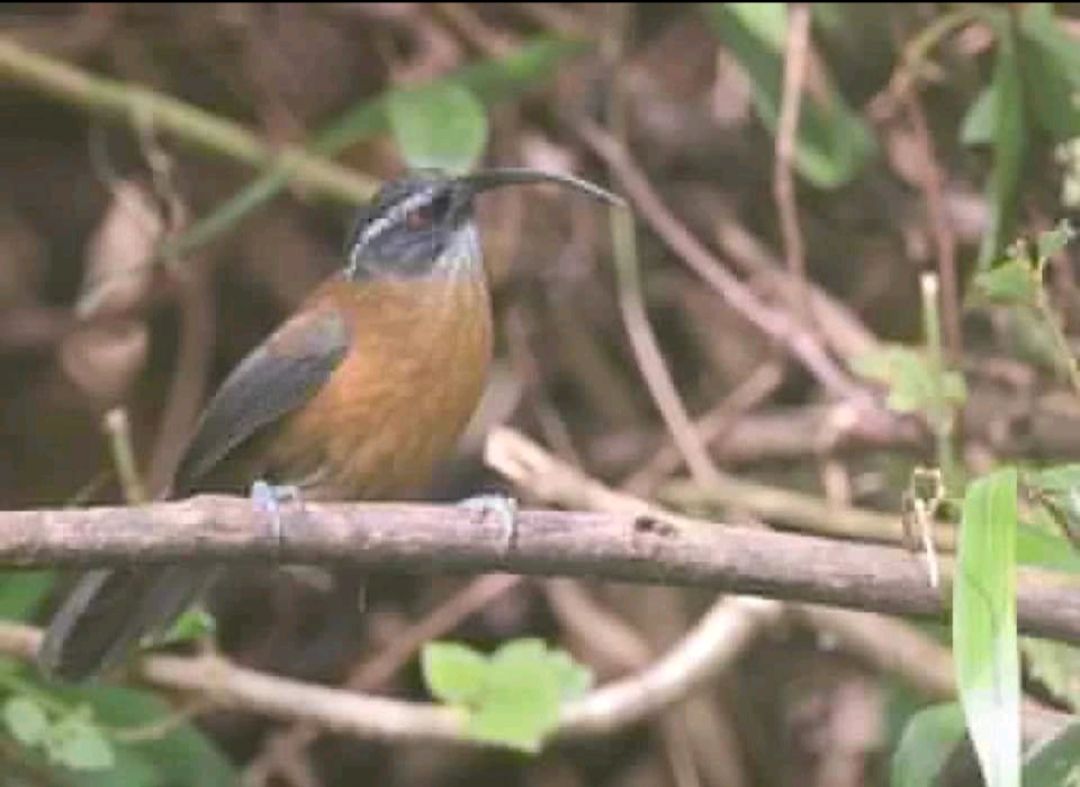
Pakke Tiger Reserve is India's strongest hornbill sanctuary — four species (great, wreathed, oriental pied, rufous-necked) nest here, and the Nyishi-led Hornbill Nest Adoption Programme is one of the most successful community conservation stories in South Asia. Namdapha — India's northernmost lowland rainforest, near the Myanmar border in Changlang district — holds the snowy-throated babbler (endemic), white-bellied heron (critically endangered), ruddy kingfisher and four sympatric cat species in a single park. The Mishmi Hills above Roing in the Lower Dibang Valley hold Mishmi wren-babbler, Ward's trogon, blood pheasant and red panda. We cover the cultural context of Mishmi country in our Arunachal cultural journeys hub.

Kaziranga, Manas and the grassland-wetland axis

Drop into the Brahmaputra valley and the avifauna shifts entirely. Kaziranga holds greater adjutant, Bengal florican, swamp francolin, white-winged duck, Pallas's fish eagle and finn's weaver in densities you will not see anywhere else in India. Manas adds golden langur (the world's rarest primate) and the wreathed hornbill in the same circuit. Nameri on the Jia Bhoroli is the white-winged duck stronghold and the ibis-bill window. Hoollongapar Gibbon Sanctuary outside Jorhat holds the only ape in India alongside seven primate species. The wetlands of Majuli and Dibru-Saikhowa anchor the migratory waterfowl story between November and March.

How to plan a birding journey

Twelve days is the right minimum for an Eaglenest + Pakke + Kaziranga circuit, with a Dirang night and a Nameri night woven in. Add four days for the Mishmi Hills; add six days for Namdapha (the access road is genuinely difficult). November to April is the sweet spot — drier conditions, fewer leeches, more accessible roads. March to May is the breeding window for Eaglenest residents; January is the peak window for Bugun liocichla photography. Every journey is private, paired with a resident naturalist, and routed through community-managed reserves that channel a portion of the booking back into conservation. The full structure sits in our Arunachal Pradesh tour package; the wildlife-focused parallel is the Northeast India wildlife tours cluster.
01

Eaglenest Wildlife Sanctuary

The single most species-rich birding circuit in India — over 450 species in a hundred square kilometres of West Kameng. The Bugun liocichla (discovered here in 2006), Ward's trogon, beautiful nuthatch, wedge-billed wren-babbler, three species of cutia and the rare Sclater's monal at altitude. Camp at Bompu, Sessni and Lama. Run by the Bugun community itself at Singchung Bugun Village Reserve.

02

Pakke Tiger Reserve

India's strongest hornbill sanctuary — four species (great, wreathed, oriental pied, rufous-necked) nest here. The Nyishi-led Hornbill Nest Adoption Programme is one of South Asia's most successful community conservation stories.

03

Namdapha and Mishmi Hills

Namdapha — India's northernmost lowland rainforest, with the snowy-throated babbler, white-bellied heron, ruddy kingfisher and four cat species. Mishmi Hills above Roing for Mishmi wren-babbler, ward's trogon, blood pheasant and the rare red panda.

04

Kaziranga and Manas grassland and wetland

Greater adjutant, Bengal florican, swamp francolin, white-winged duck, Pallas's fish eagle, finn's weaver — Kaziranga's grasslands hold species you cannot find anywhere else in India in these numbers. Manas adds golden langur and the wreathed hornbill.

05

How to plan a birding journey

Twelve days is the right minimum for Eaglenest-plus-Pakke-plus-Kaziranga. Add four days for Mishmi, six for Namdapha. November to April is the sweet spot — drier, lower leeches, more accessible.

Featured photography

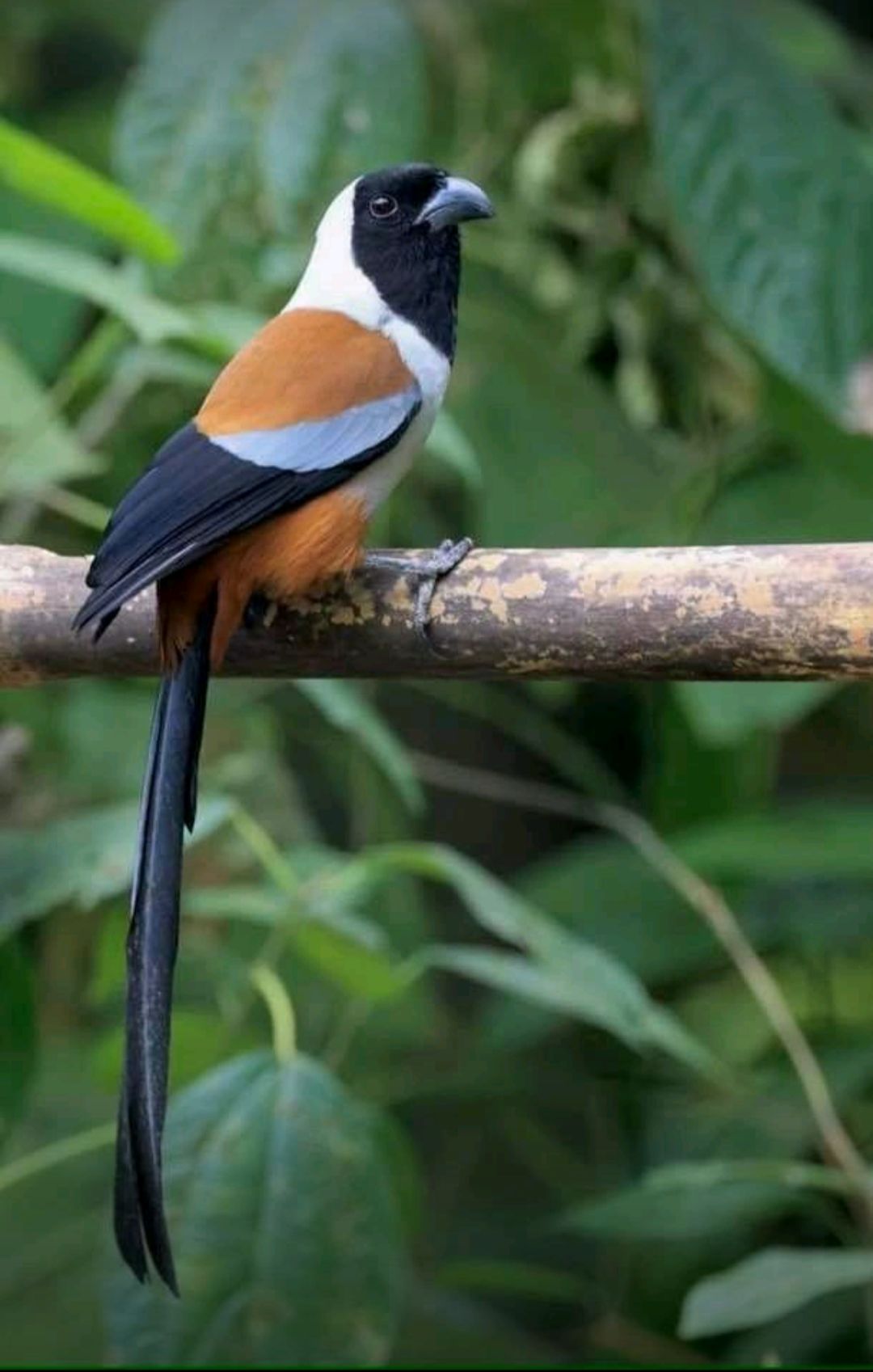
Endemic bird species, Eaglenest Wildlife Sanctuary, Arunachal Pradesh
Eaglenest endemic · Arunachal
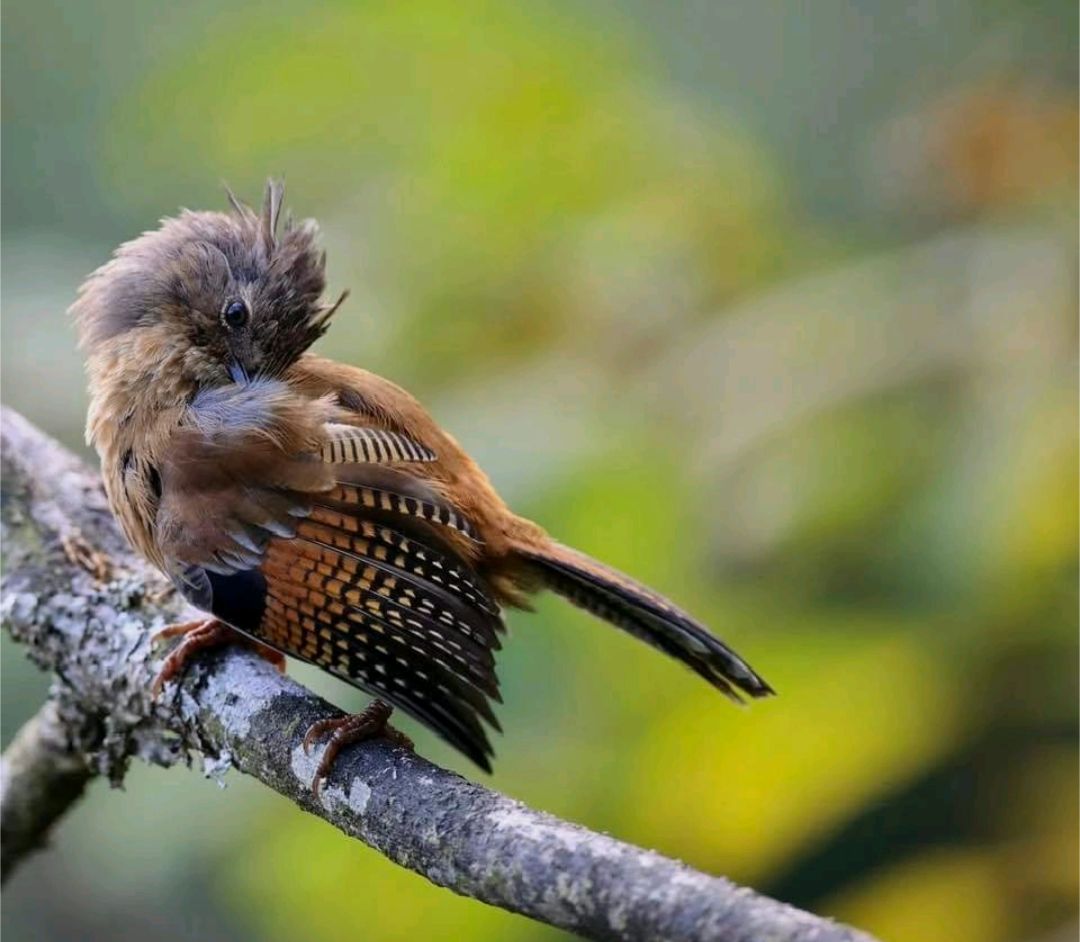
Himalayan birdlife, Mishmi Hills, Arunachal Pradesh
Mishmi Hills birding
Rainforest birding in Northeast India
Lowland rainforest species
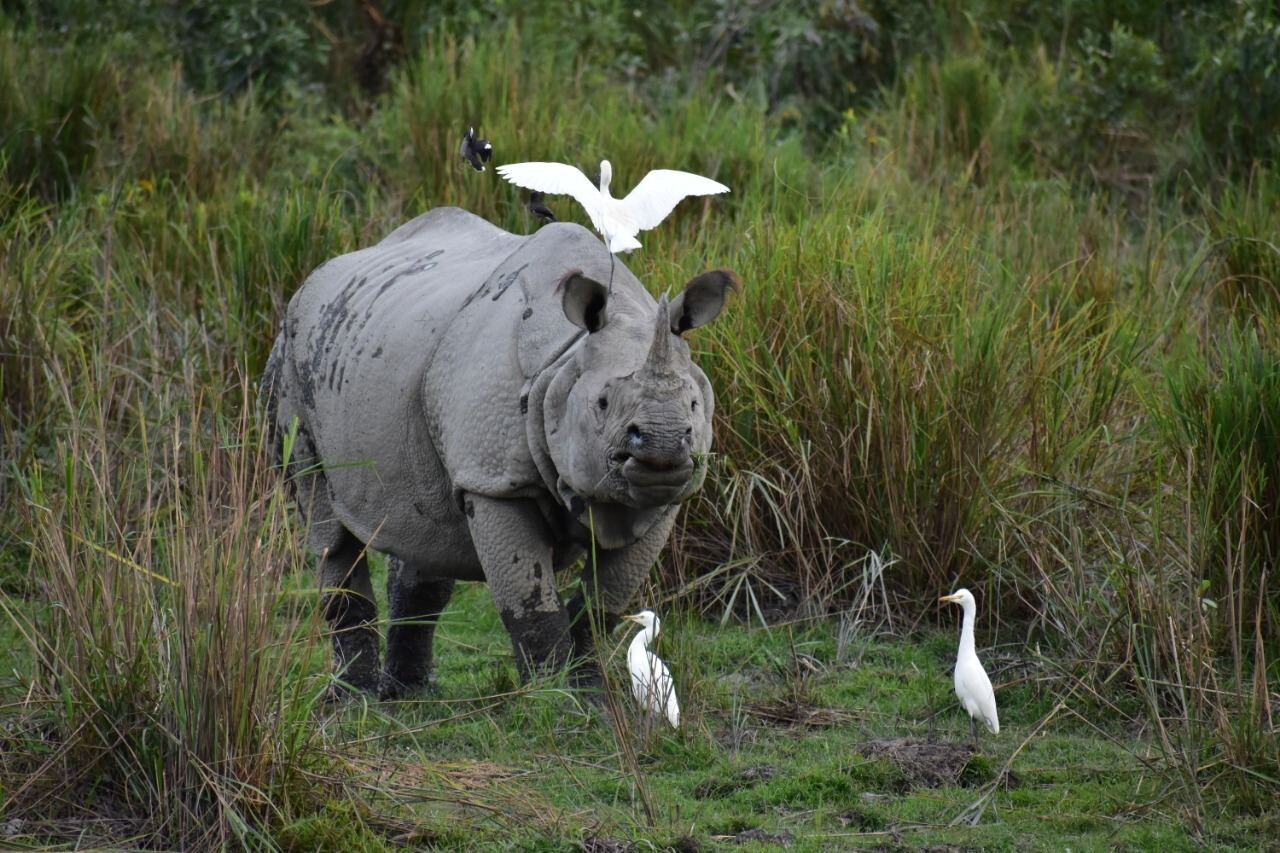
Grassland bird, Kaziranga National Park, Assam
Kaziranga grassland species
Hornbill species, Pakke Tiger Reserve, Arunachal Pradesh
Hornbill, Pakke
Wetland birding on the Brahmaputra floodplain
Brahmaputra wetland

Related topics

Specialist Journeys · Wildlife

Northeast India Wildlife Tours

Northeast India holds India's last great rhino population, four of the country's six wild cats, the only ape in the subcontinent, and bird endemism that puts the region on every serious naturalist's life list. Our wildlife journeys are led by resident naturalists, sit on long-term relationships with park staff, and route a portion of every trip back into the communities that protect these landscapes.

Specialist Journeys · Kaziranga

Kaziranga Wildlife Safari Tours

Kaziranga National Park, a UNESCO World Heritage Site on the south bank of the Brahmaputra, holds the planet's largest concentration of one-horned rhinoceros — more than 2,600 — alongside one of India's densest tiger populations, wild Asian elephants, eastern swamp deer and water buffalo. Our Kaziranga journeys are private, naturalist-led and built around the park's four ranges and the rhythms of the river.

Specialist Journeys · Arunachal

Arunachal Pradesh Cultural Journeys

Arunachal Pradesh is India's largest, least-travelled and most culturally diverse state — twenty-six major tribes and over a hundred sub-tribes living across the eastern Himalaya from the Bhutan border to Myanmar. Living Roots Expeditions has worked in Arunachal since our earliest seasons; our specialist cultural journeys move slowly through Monpa, Apatani, Idu Mishmi, Nyishi and Nocte country with field guides drawn from each community.

Specialist Journeys · Photography

Photography Tours in Northeast India

Photography journeys are how Living Roots Expeditions began. Our trips are designed around dawn light, festival rhythm, monastery prayer cycles and animal activity — not around how many sites a day. Private vehicles, naturalist or cultural guides who hold access, and itineraries built by photographers for photographers.

Specialist Reference · Responsibility

Responsible and Sustainable Travel

Northeast India is the wrong region for extractive tourism. Its strength is its cultural and ecological fragility — exactly what makes it worth coming for. Living Roots Expeditions was built as a specialist DMC because the region needed travel companies that route value back into communities, not strip it out. This page is our public code.

Specialist Journeys · Monpa Country

Tawang & The Monpa Highlands

Tawang sits at 3,048 metres in the far west of Arunachal Pradesh — the spiritual heart of the Monpa people and home to one of the largest monasteries in the Buddhist world. This hub gathers our Monpa cultural expeditions, monastic dawn-prayer access, Dirang village stays and the Eaglenest birding traverse on the route up.

Frequently asked

How many bird species can I expect to see on a Northeast India birding tour?

On a focused twelve-day Eaglenest-Pakke-Kaziranga circuit, experienced birders typically log 250–350 species with a resident naturalist. Add Mishmi or Namdapha and the count rises further. Lifetime lists from serious birders coming repeatedly to the region run well over 600 species.

When is the best season for birding in Northeast India?

November to April is the broad window. November–February is best for migratory waterfowl at Kaziranga, Manas and the Brahmaputra wetlands. March–May is the breeding window for Eaglenest and Pakke residents. January is the peak window for Bugun liocichla photography at Eaglenest. The monsoon (June–September) is birding-difficult due to leeches and washed-out roads, though Namdapha rainforest endemics are still accessible.

Do I need permits for the major birding sanctuaries?

Yes. Eaglenest, Pakke, Namdapha and the Mishmi Hills are all in Arunachal Pradesh, which requires an Inner Line Permit (Indian travellers) or Protected Area Permit (foreign nationals). We arrange both with two to three weeks' notice. Park entry permits at each sanctuary are handled in the field by your naturalist guide.

How physically demanding is birding in Northeast India?

Variable. Eaglenest involves long drives on rough roads and basic camp accommodation at altitude (1,200–3,200 m); pre-dawn starts are standard. Pakke and Kaziranga are vehicle-led with light walks. Namdapha requires multi-day jungle camp with porters. Mishmi Hills involve high-altitude road birding above Mayodia Pass. We brief on physical demands in writing before booking and match accommodation grade to your tolerance.

Is birding compatible with cultural travel in Northeast India?

Yes — and we structure it that way often. Eaglenest pairs naturally with Monpa culture in Dirang and Tawang; Pakke pairs with Nyishi villages; Mishmi pairs with Idu shamanic visits in Roing; Kaziranga pairs with Karbi villages and Majuli. Our culture-and-birding hybrids run fourteen to eighteen days and are among our most-requested formats for international birders bringing non-birding partners.

Plan a Private Journey
Email Us