The expedition view
Arunachal Pradesh is India's largest, least-travelled and most culturally diverse state — twenty-six major tribes and over a hundred sub-tribes living across the eastern Himalaya from the Bhutan border in the west to the Myanmar frontier in the east. There is no single Arunachali culture and no single climate: in a fortnight here you can move from Tibetan Buddhist monastery courtyards at 3,000 metres to Donyi Polo animist villages in subtropical valleys, from Mishmi shamanic households on the Lohit to Nocte longhouses near Khonsa.
Living Roots Expeditions has worked in Arunachal since our earliest seasons. Our specialist cultural journeys are private, slow and accompanied by field guides drawn from the communities you visit — Monpa in Tawang and Dirang, Apatani in Ziro, Galo in Aalo, Mishmi in Roing, Nocte in Tirap. The depth of access we hold is the product of more than a decade of repeat visits to the same households, not the result of a booking engine.
Monpa country — Tawang and Dirang
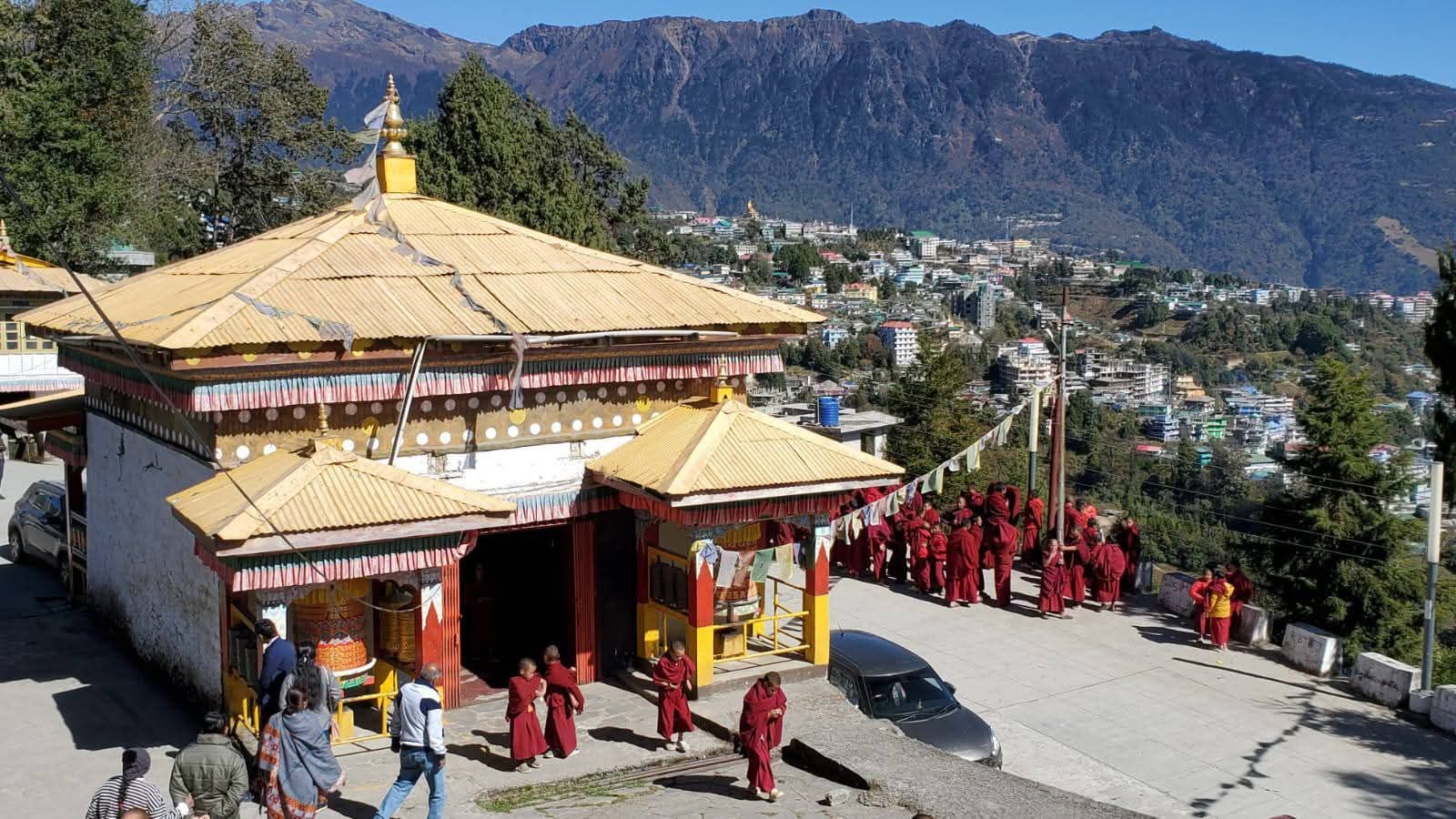
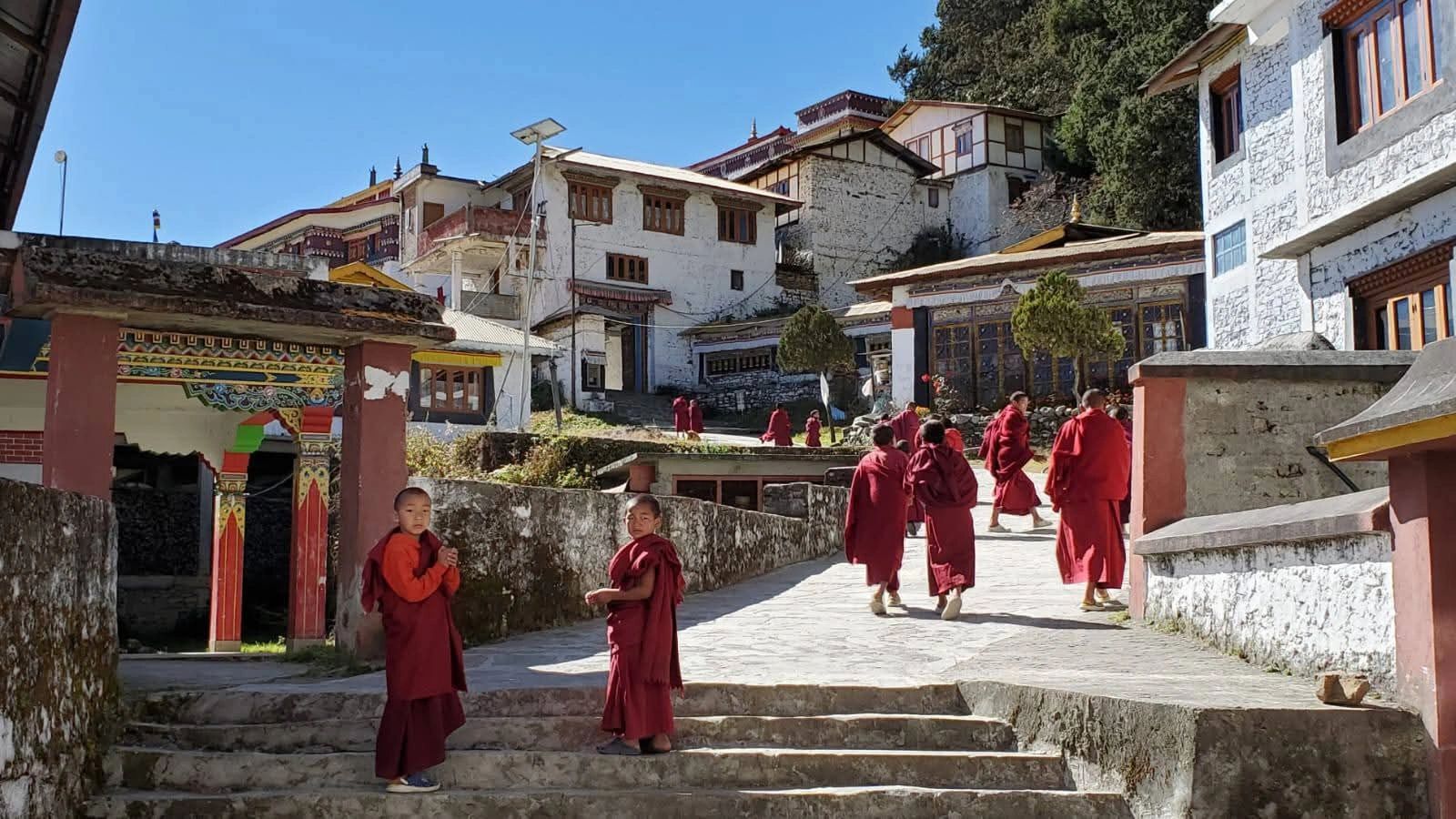
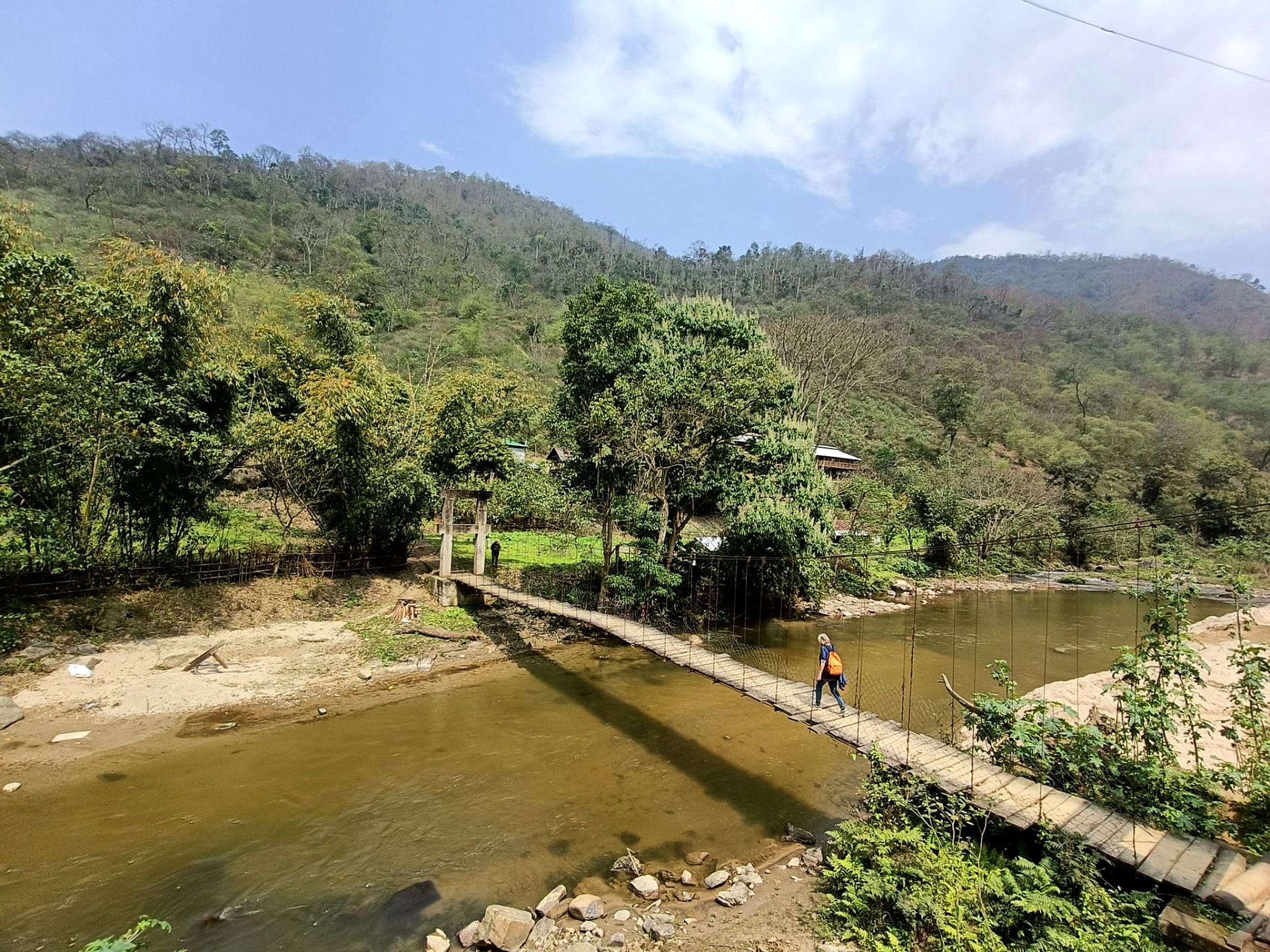
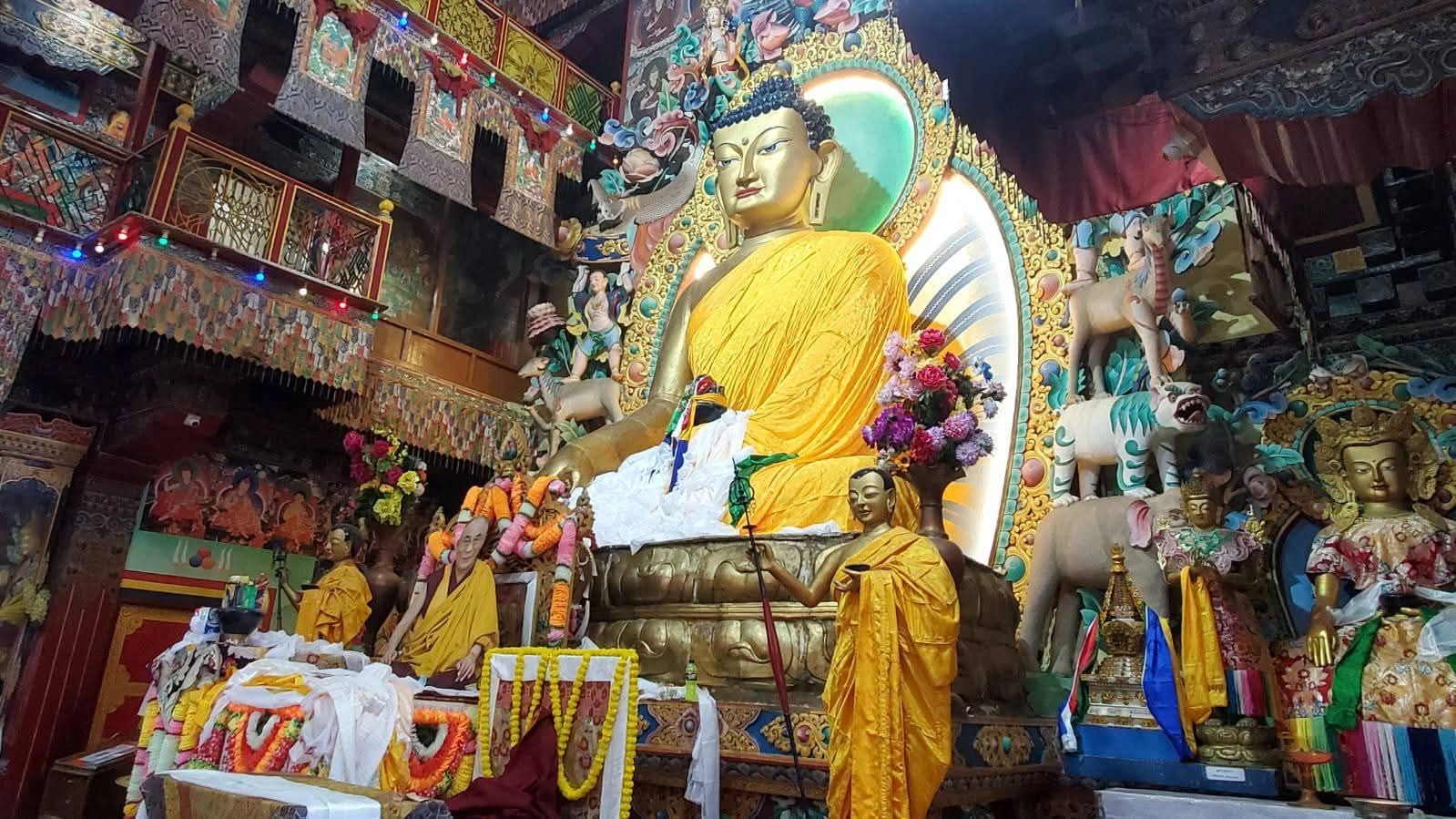
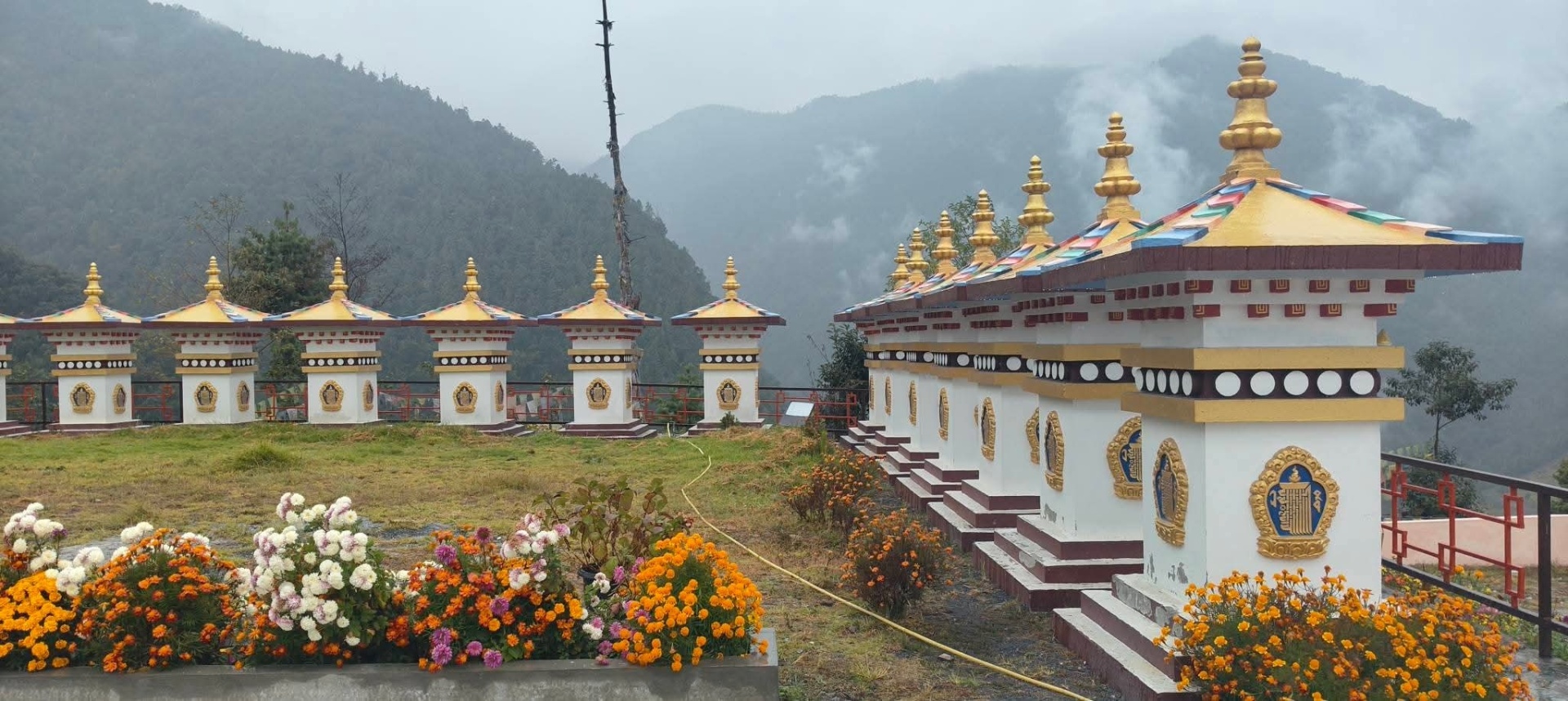
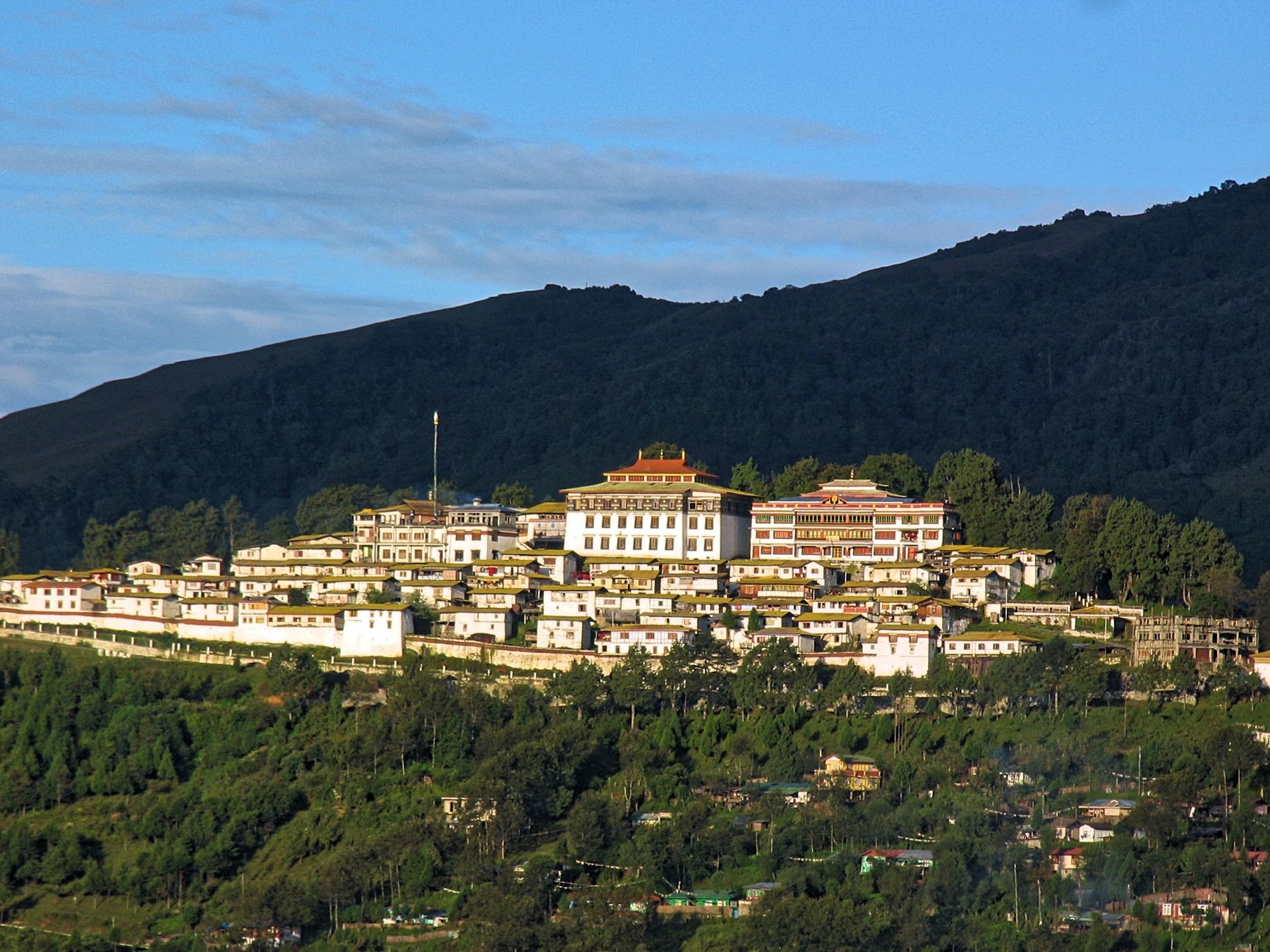
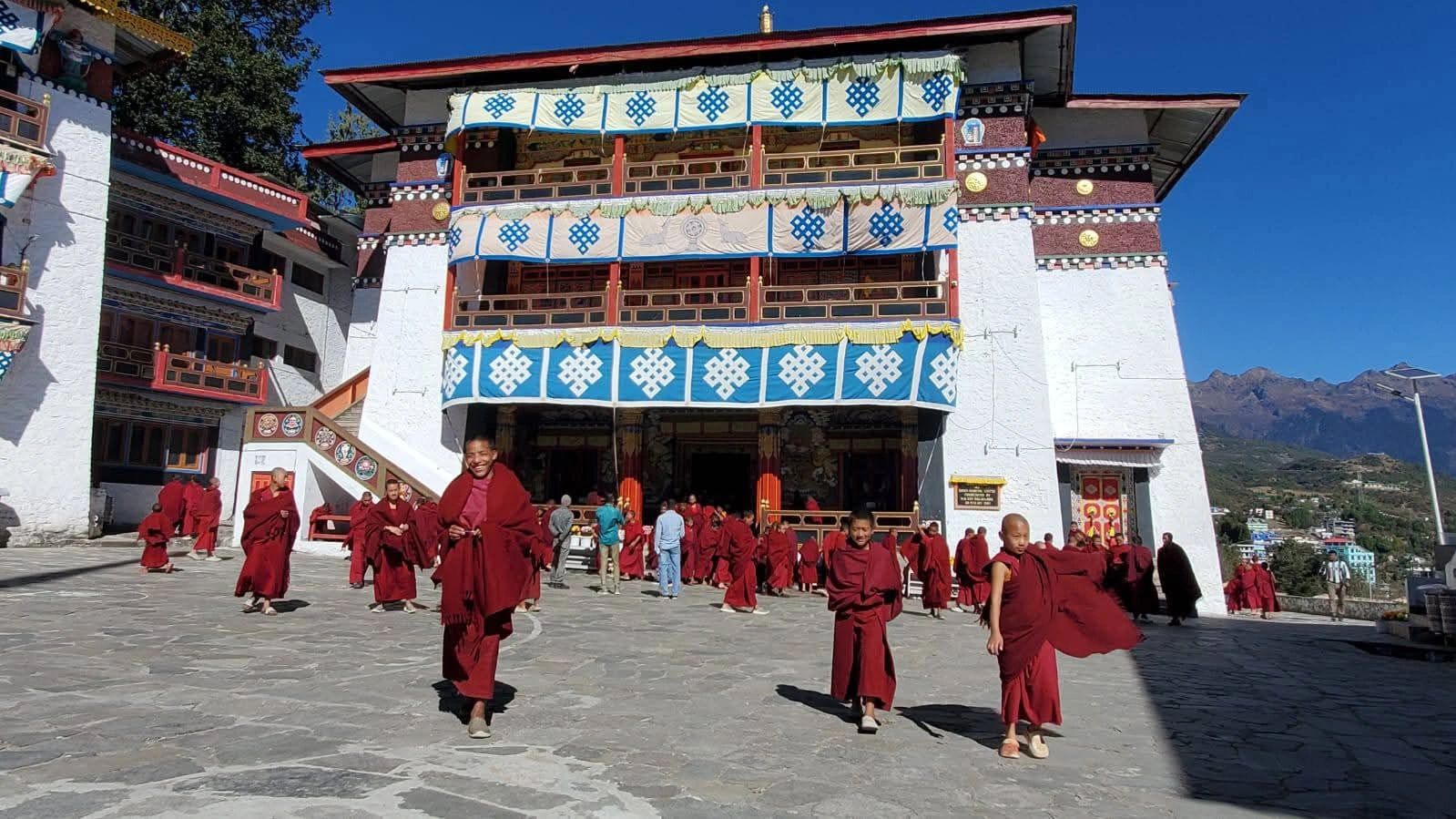
The western circuit climbs from the Assam plains through Bhalukpong and Bomdila to Dirang, the Monpa apple-and-kiwi valley, and on across the 4,170-metre Sela Pass to Tawang. The 17th-century Tawang Monastery — the second largest in the Buddhist world — anchors the cultural landscape. Dawn prayer assembly inside the prayer hall, with young novice monks in crimson robes filing into rows, is the single most powerful Himalayan experience we run. Our field journal piece on the young monks of Tawang sits inside that morning. Beyond the monastery, Monpa villages around Mukto and Lumla still use bamboo cane-bridge crossings; Bumla on the China border is a permitted day excursion.
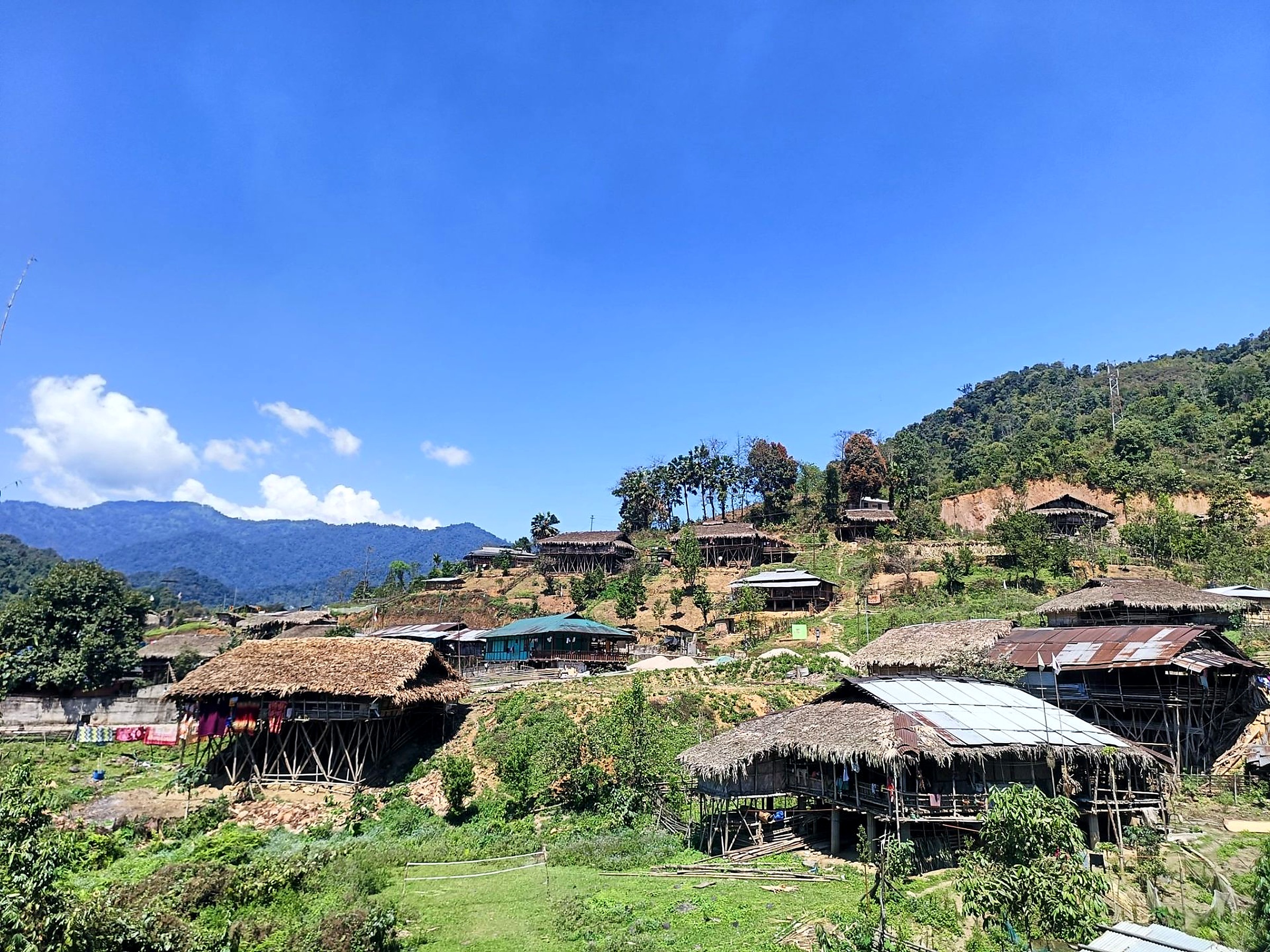
Bamboo floors that breathe with the season, roofs designed to release smoke, structures raised on stilts against earthquake and flood — a tradition of indigenous architecture older than any textbook on sustainability.
Apatani, Galo and the central valleys
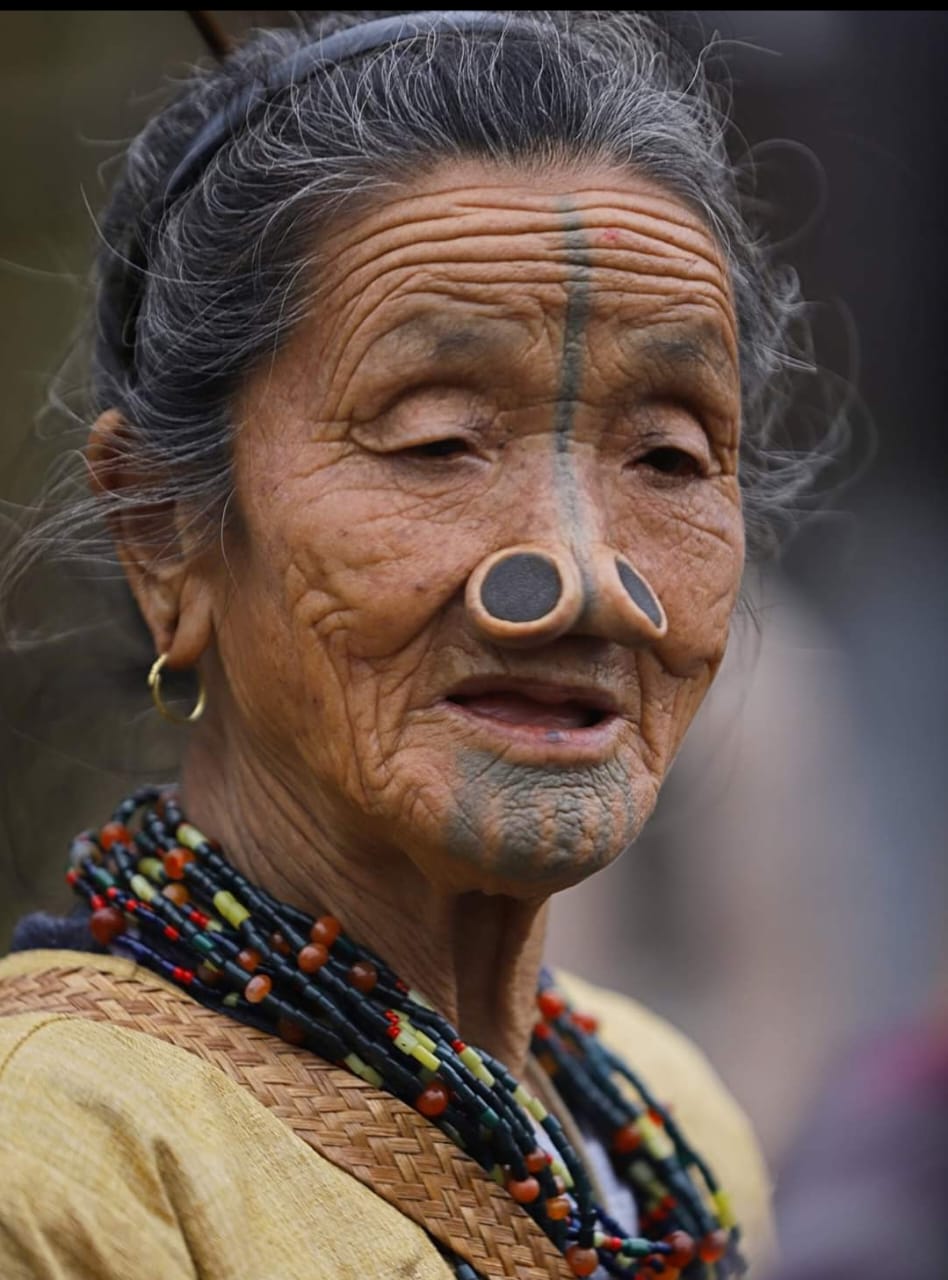
Move east into central Arunachal and the cultural register changes completely. The Apatani of Ziro Valley are India's most distinctive agroforestry community — the women's facial tattoos and nose plugs (a generation now ending), the integrated rice-fish-bamboo farming system, the sacred Mount Niiv, and the seasonal Myoko (March) and Dree (July) rituals. UNESCO has tentative-listed the cultural landscape and it remains one of the most photographed villages in the Northeast. Further east still, in West Siang district, the Galo villages around Aalo hold something rarer: an unbroken tradition of bamboo-and-thatch stilt-house architecture, with the white-flag-red-circle Donyi Polo emblem flying over every household. Our field piece on Galo architecture reads the houses as engineering — flood-resilient, earthquake-resilient, smoke-managed.
Mishmi country and the far east
Cross the Brahmaputra at Pasighat and you enter Idu Mishmi country — matrilineal-leaning Tibeto-Burman, with a living shamanic tradition. The Igu shamans of the Idu still officiate over birth, death, illness and harvest, and Roing in the Lower Dibang Valley is the gateway. The Mishmi Hills above Roing hold red panda, tiger, takin and Mishmi wren-babbler — one of the planet's richest mid-elevation rainforest mosaics. Continuing east, the Nyishi (Arunachal's largest tribe) wear cane helmets crowned with hornbill beaks — now mostly fibreglass replicas through a successful Pakke conservation programme. The Nocte in Tirap celebrate Chalo Loku in late November and live in long bamboo communal houses.
Birding, photography and the broader Northeast
Arunachal sits at the convergence of two zoogeographic zones, which is why it holds over 700 bird species in one state — half of India's total. Eaglenest, Pakke, Namdapha and the Mishmi Hills are covered separately in our Birdwatching tours in Northeast India hub, with the Birding paradise journal piece as the field-led overview. Photographically the state is structured around dawn light and ritual — most days have two distinct light windows, and our Photography tours in Northeast India are built that way. For travellers planning a multi-state journey, the Arunachal Pradesh tour package is the standard structure; the Arunachal luxury tour adds boutique highland stays.
Permits, pace and planning
Indian travellers need an Inner Line Permit; foreign nationals travelling to applicable protected areas may require a Protected Area Permit. Living Roots assists confirmed package guests with documentation and coordinates the process through applicable authorised channels, subject to eligibility and government approval. Plan ten days minimum for a single regional circuit, fourteen days for two regions, eighteen days for a full Tawang–Ziro–Dibang traverse. Roads are slow and weather-dependent; we build buffers into every itinerary. Two-night minimums at every base. The reward for the slowness is depth — the kind that doesn't survive a checklist itinerary.