01
Monasteries & Spiritual Journeys
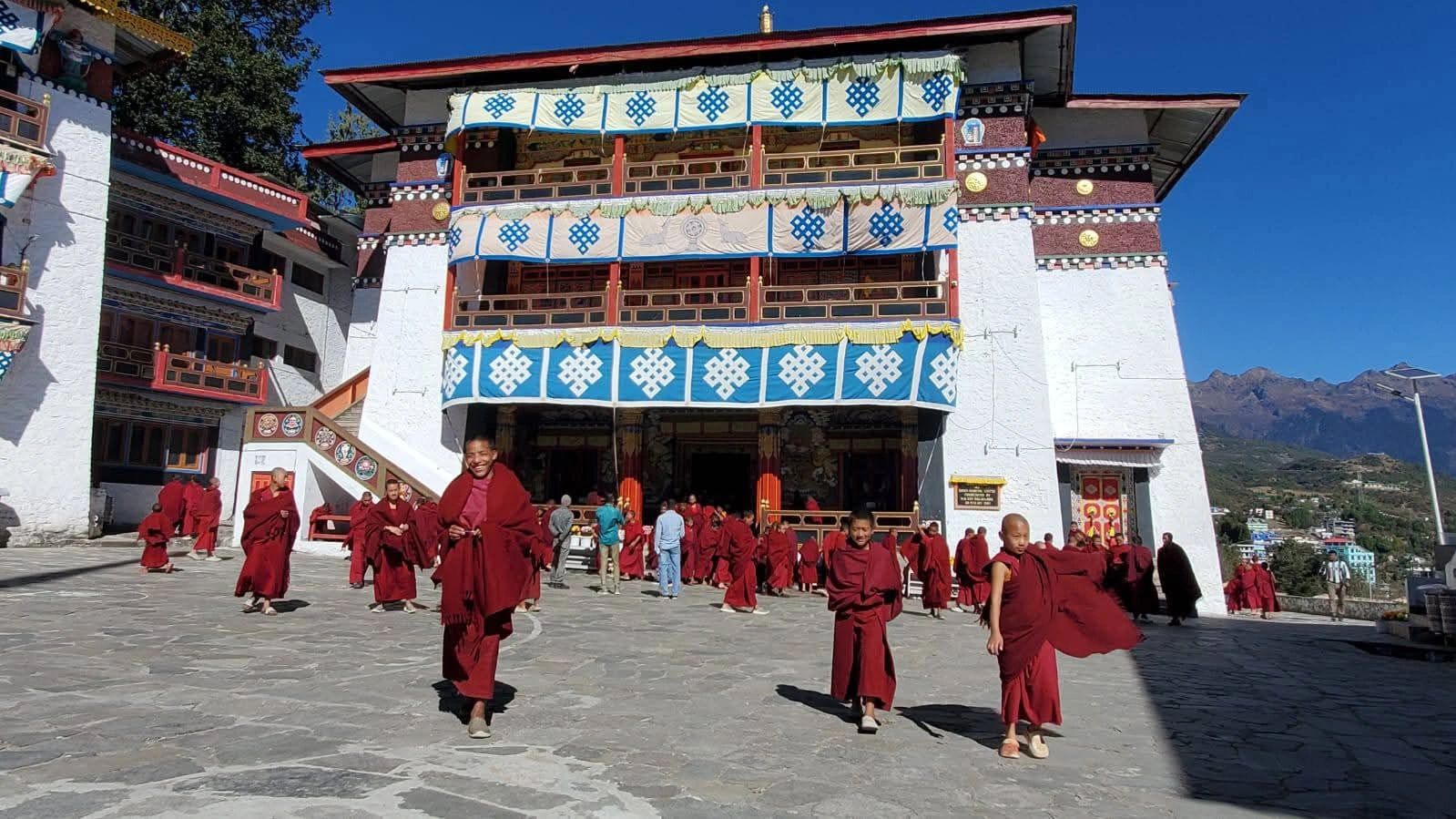
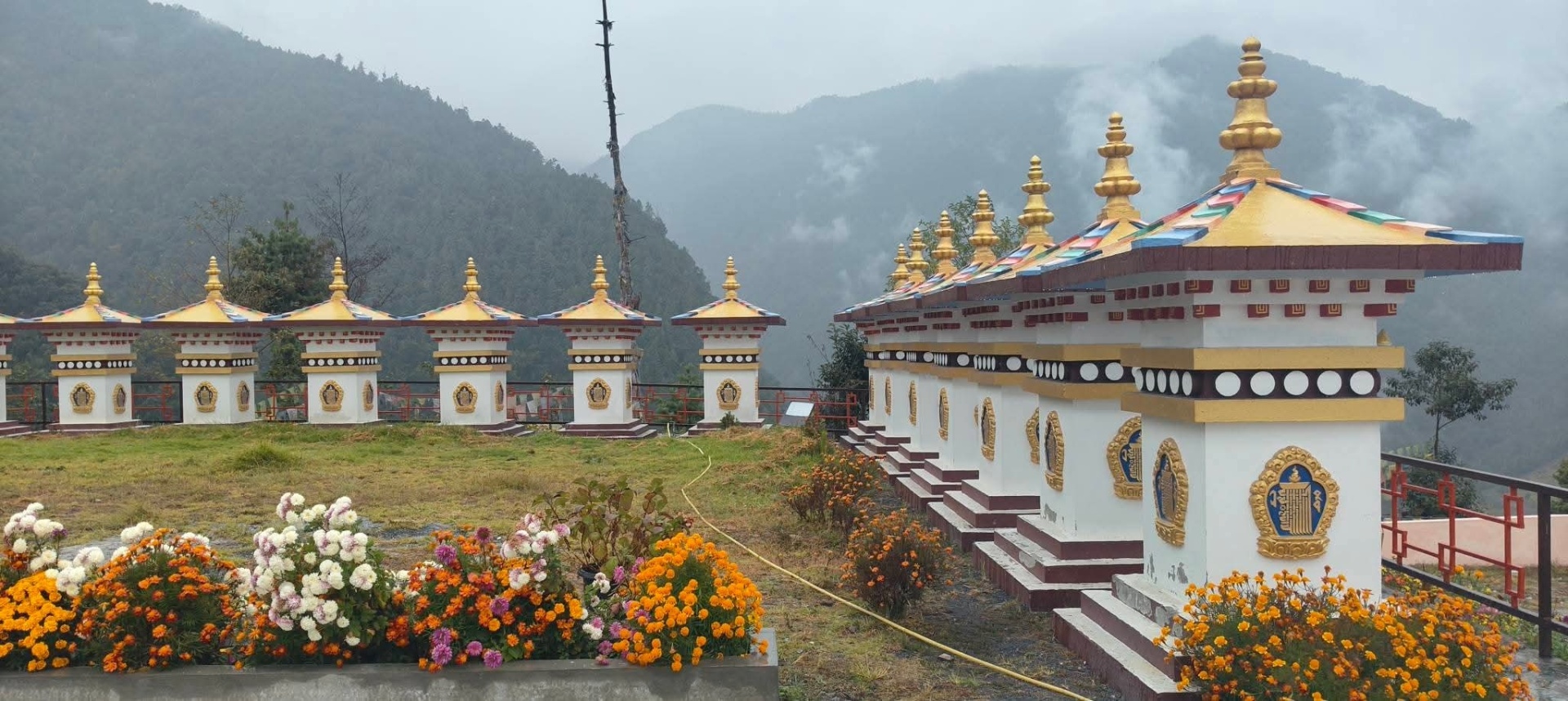
Time at Tawang Monastery — the largest in India — and lesser-known gompas across the Monpa country. Early-morning prayer halls, conversations with monks, and walks across Sela Pass at over 13,700 feet.
Destination Folio
The Region
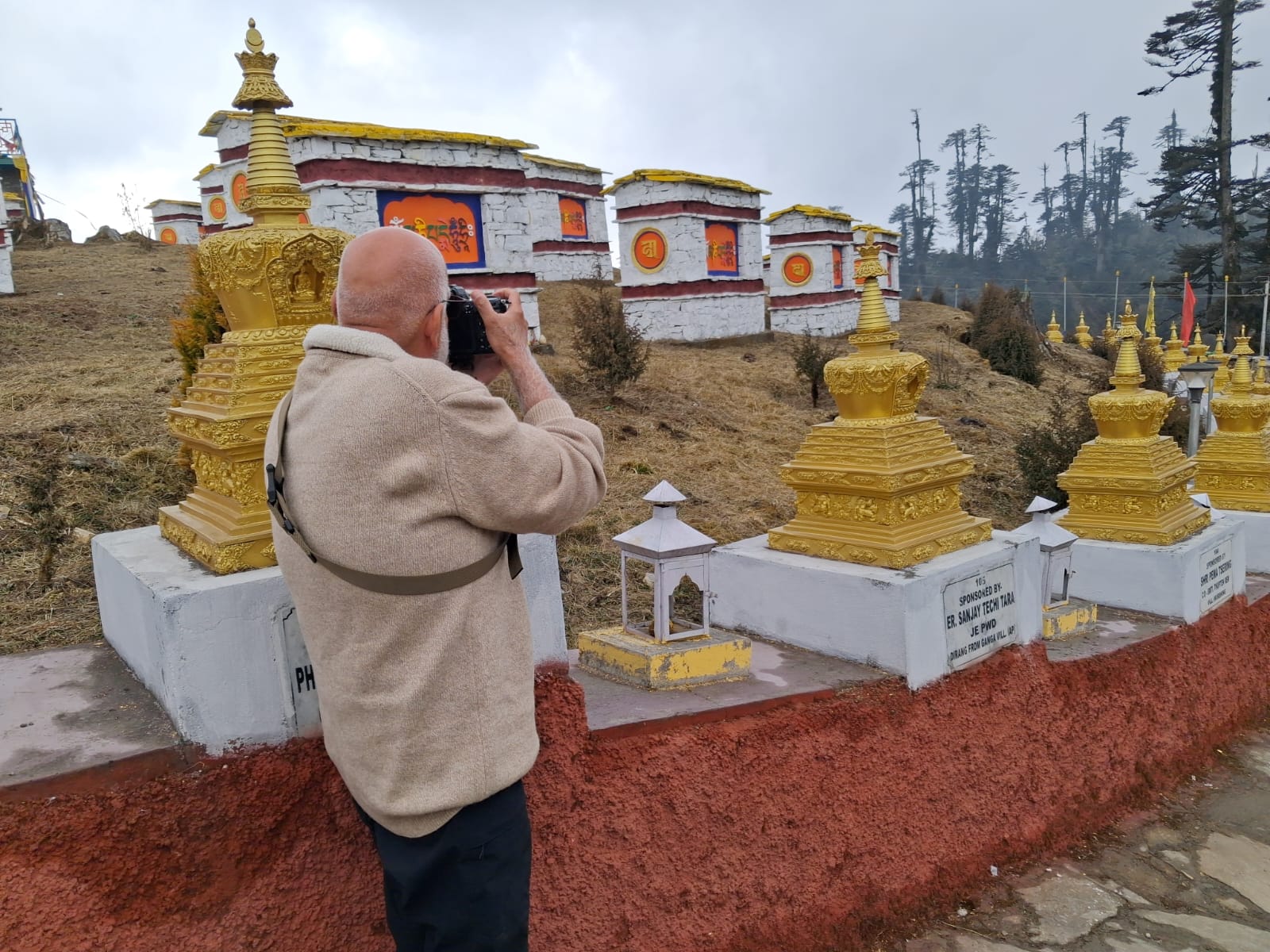
Arunachal is India's last great frontier — high Himalayan passes, ancient Buddhist monasteries, Apatani rice valleys and tribes whose calendars are still set by the forest. Our journeys here are private, slow and deeply local.
Best time
October to April (winter sun, festivals); March–May (birding)
Permits
Inner Line Permit (ILP) for Indian travellers; foreign nationals may require a Protected Area Permit (PAP). Living Roots assists confirmed package guests with documentation and coordinates applications through applicable authorised channels, subject to eligibility and government approval.
Recommended days
8–16 days
Key regions
Tawang & the Monpa highlands · Ziro & the Apatani valley · West Siang (Galo, Adi) · Mishmi Hills & Dibang Valley · Eaglenest & Pakke · Namdapha & the eastern frontier
Living Roots Archive
Cultural Heritage
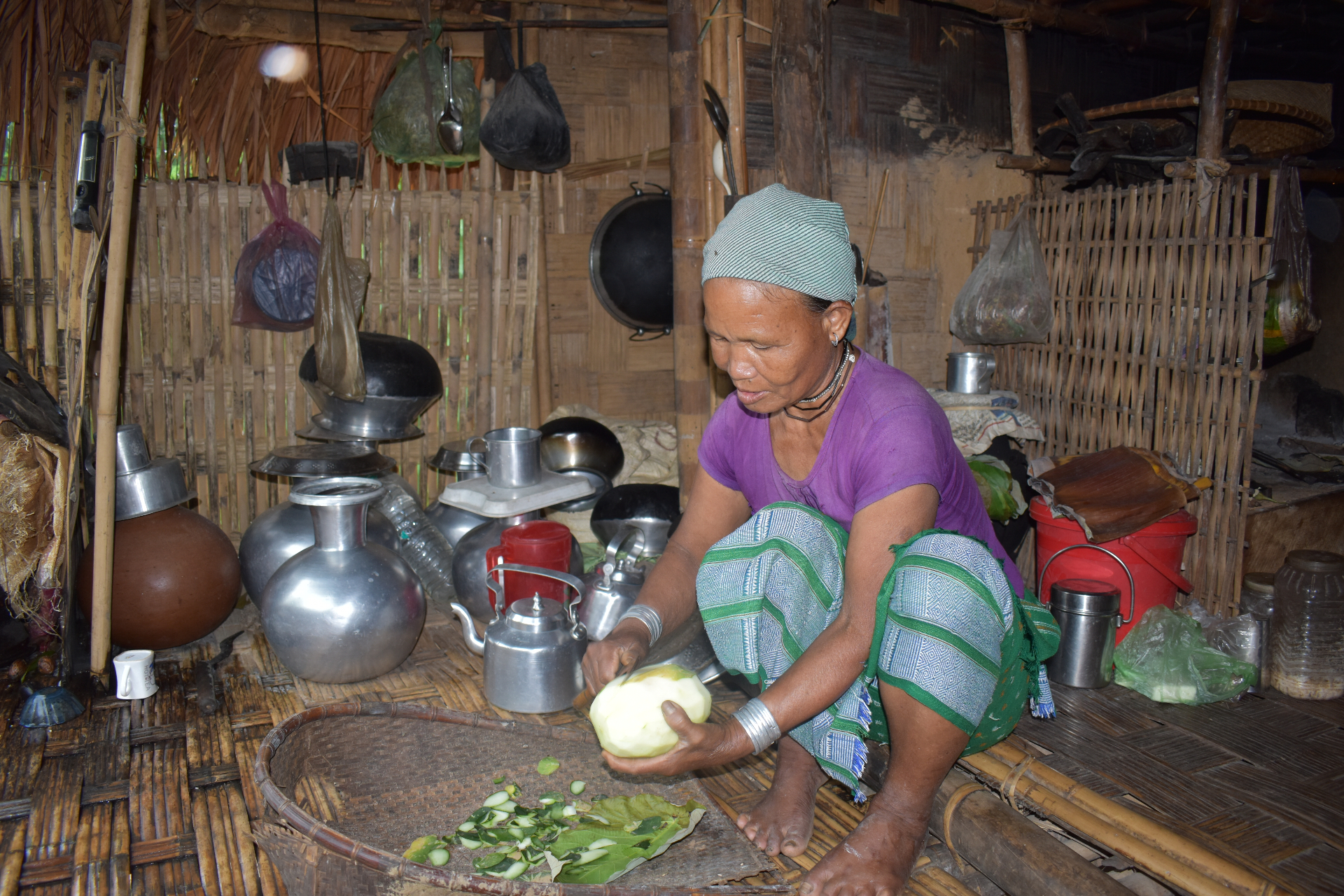
Arunachal Pradesh is home to 26 major tribes and over 100 sub-tribes — the deepest indigenous cultural diversity in India, ranging from Tibetan-Buddhist Monpa to animist Idu Mishmi and lowland Tai-Khamti.
Tawang & West Kameng
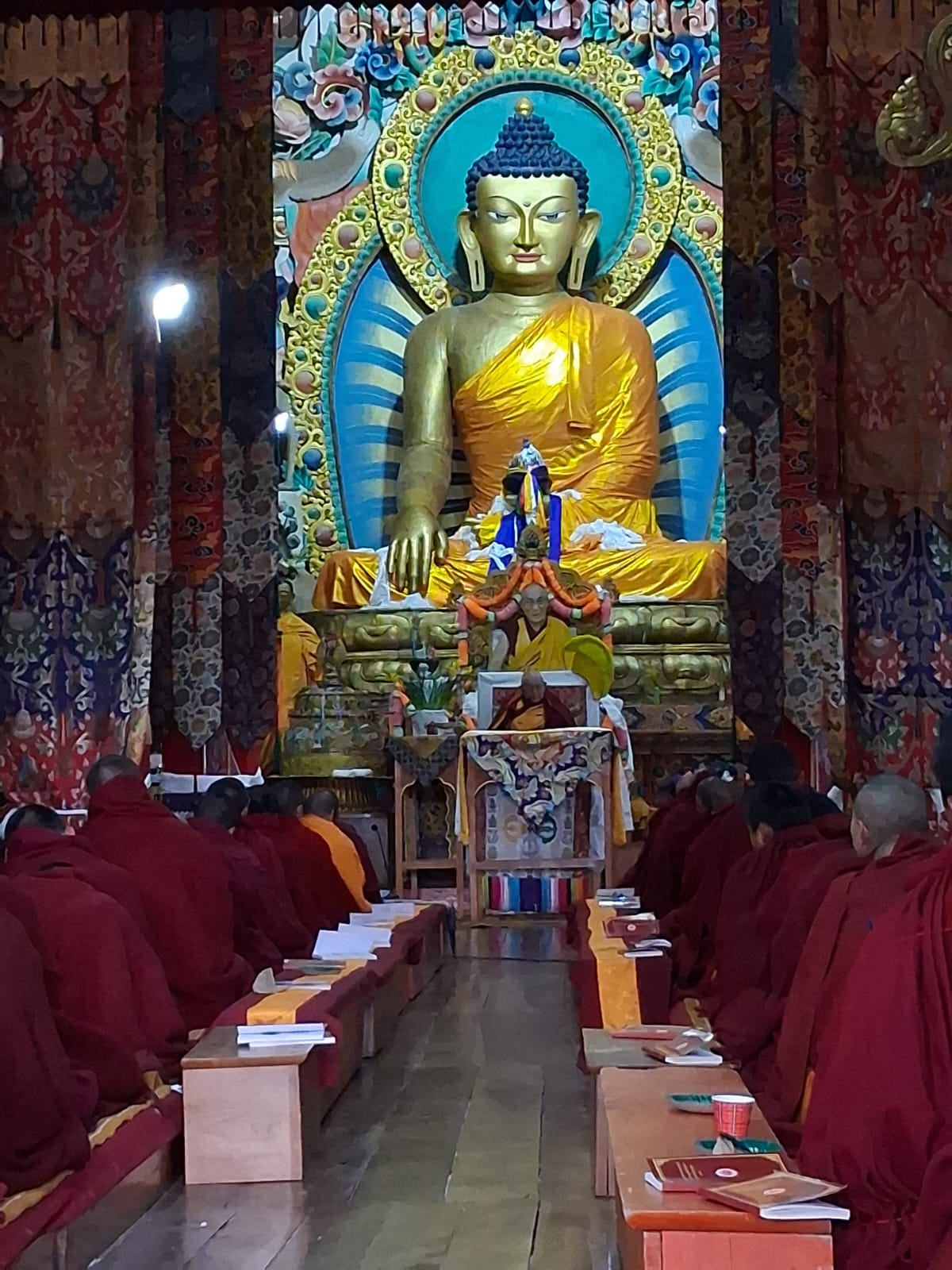
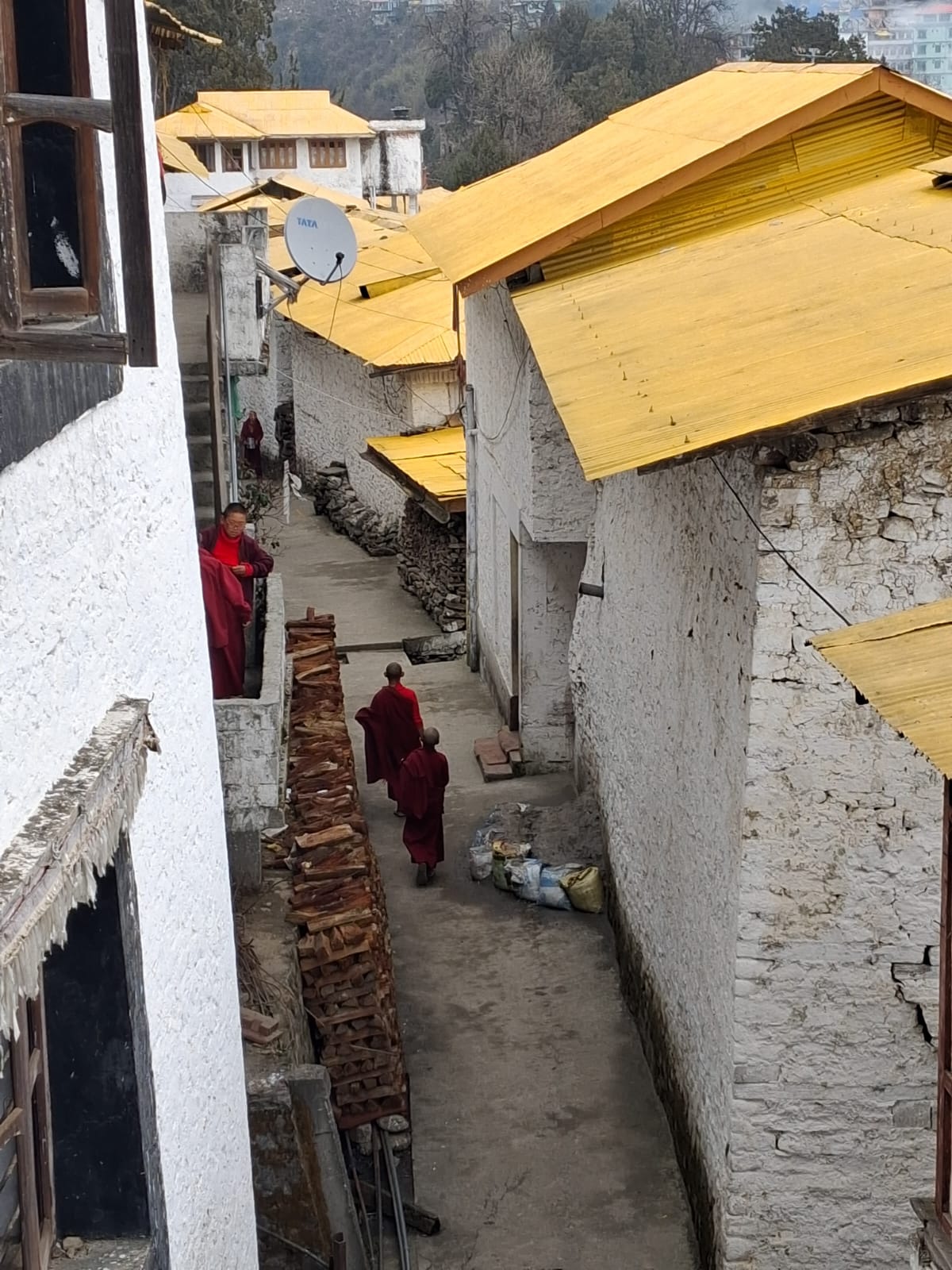
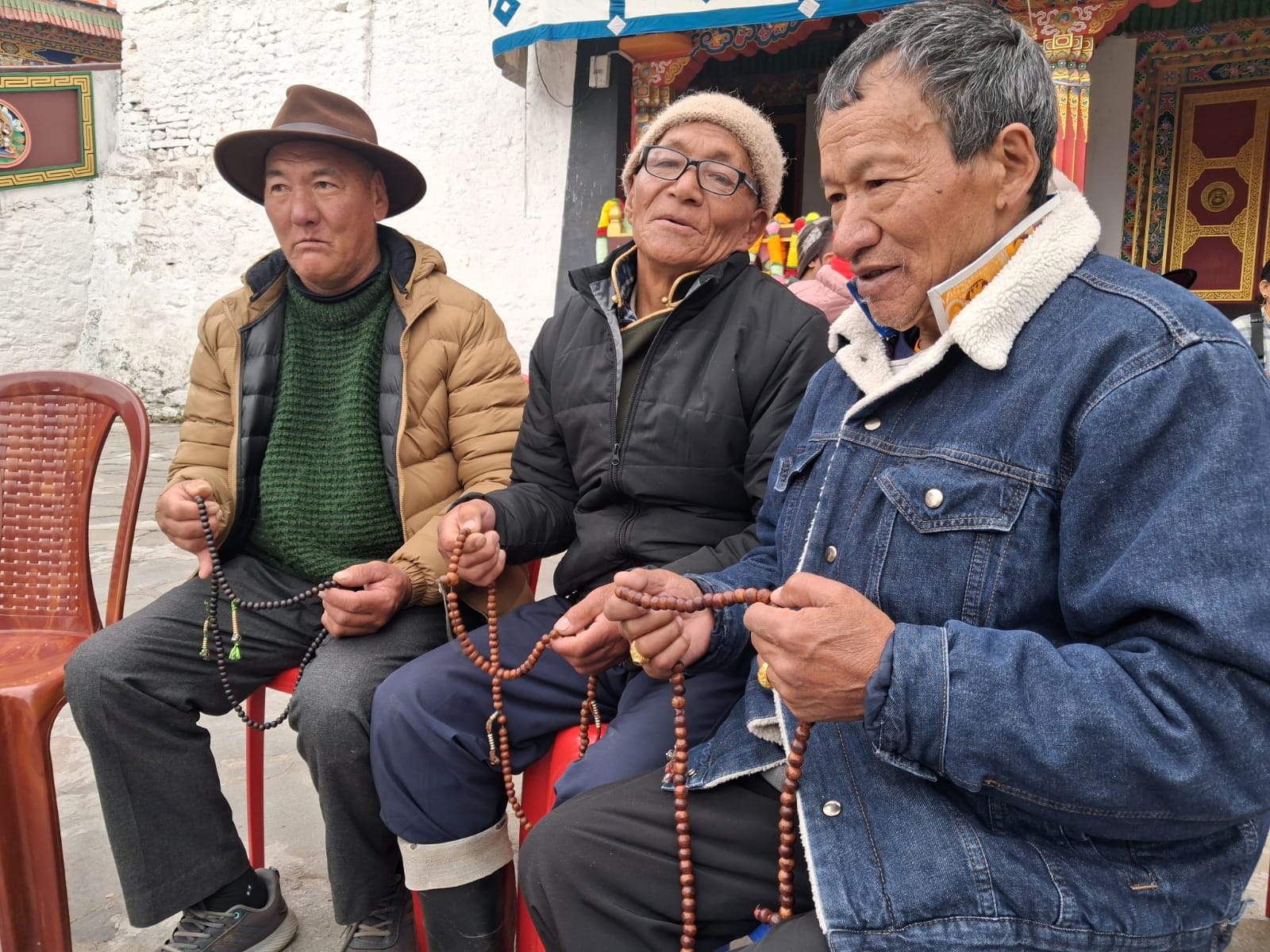
Tibetan-Buddhist highland community — yak herders, thangka painters and the spiritual heart of Tawang Gompa.
Ziro Valley
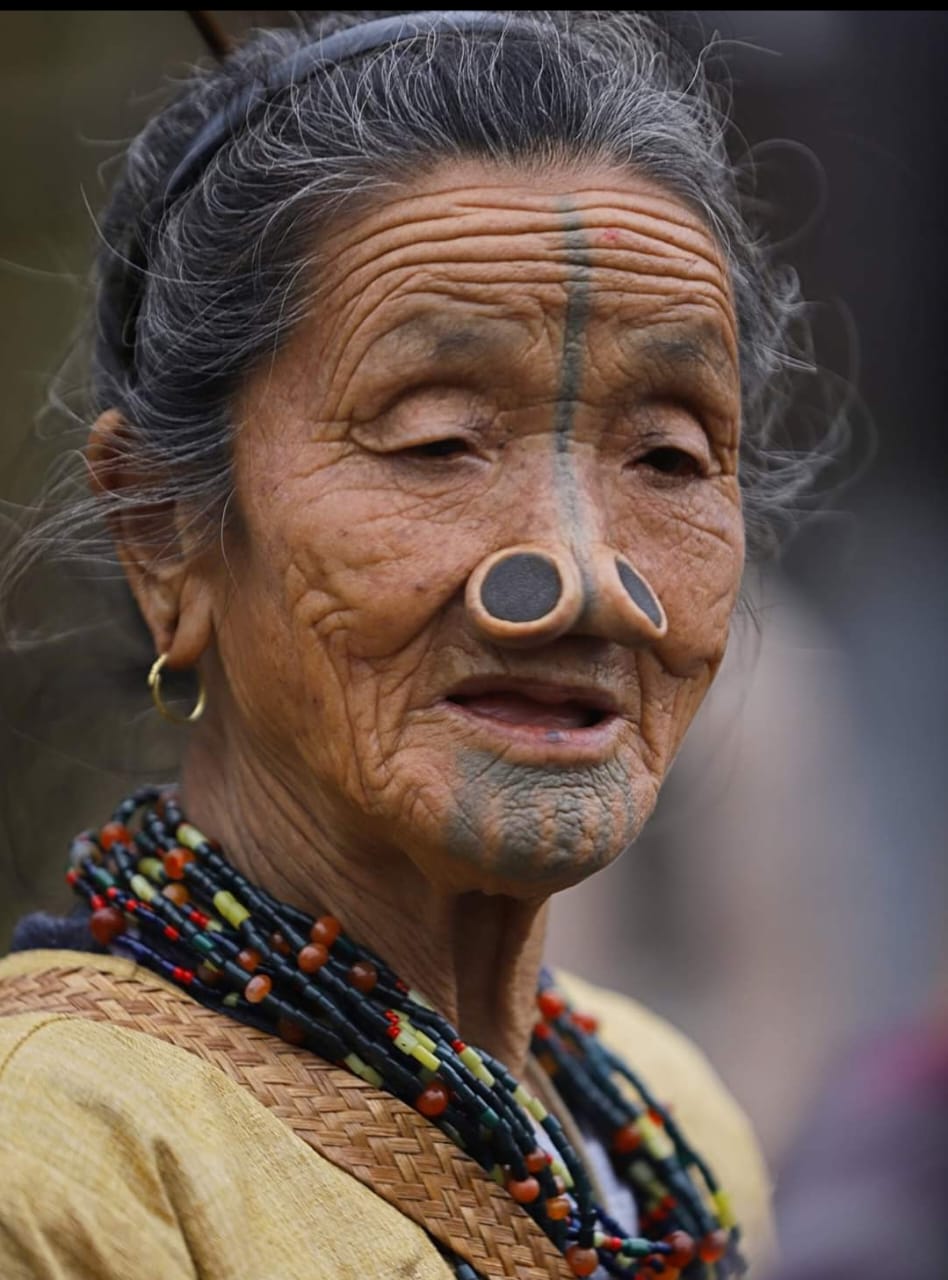
Famed for nose-plugs, facial tattoos and one of the finest wet-rice fish-farming systems in Asia. UNESCO tentative-list cultural landscape.
West Siang, around Aalo
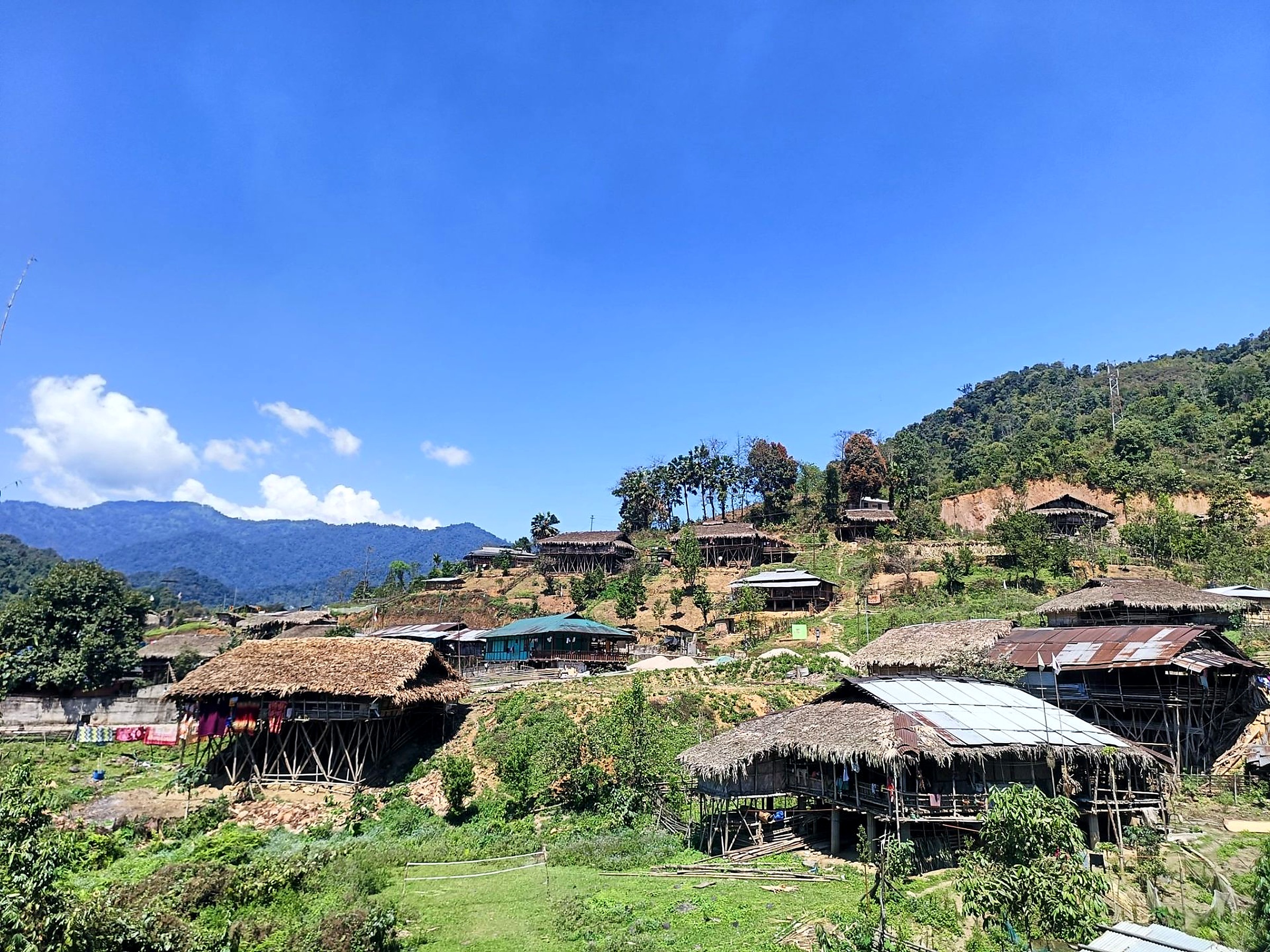
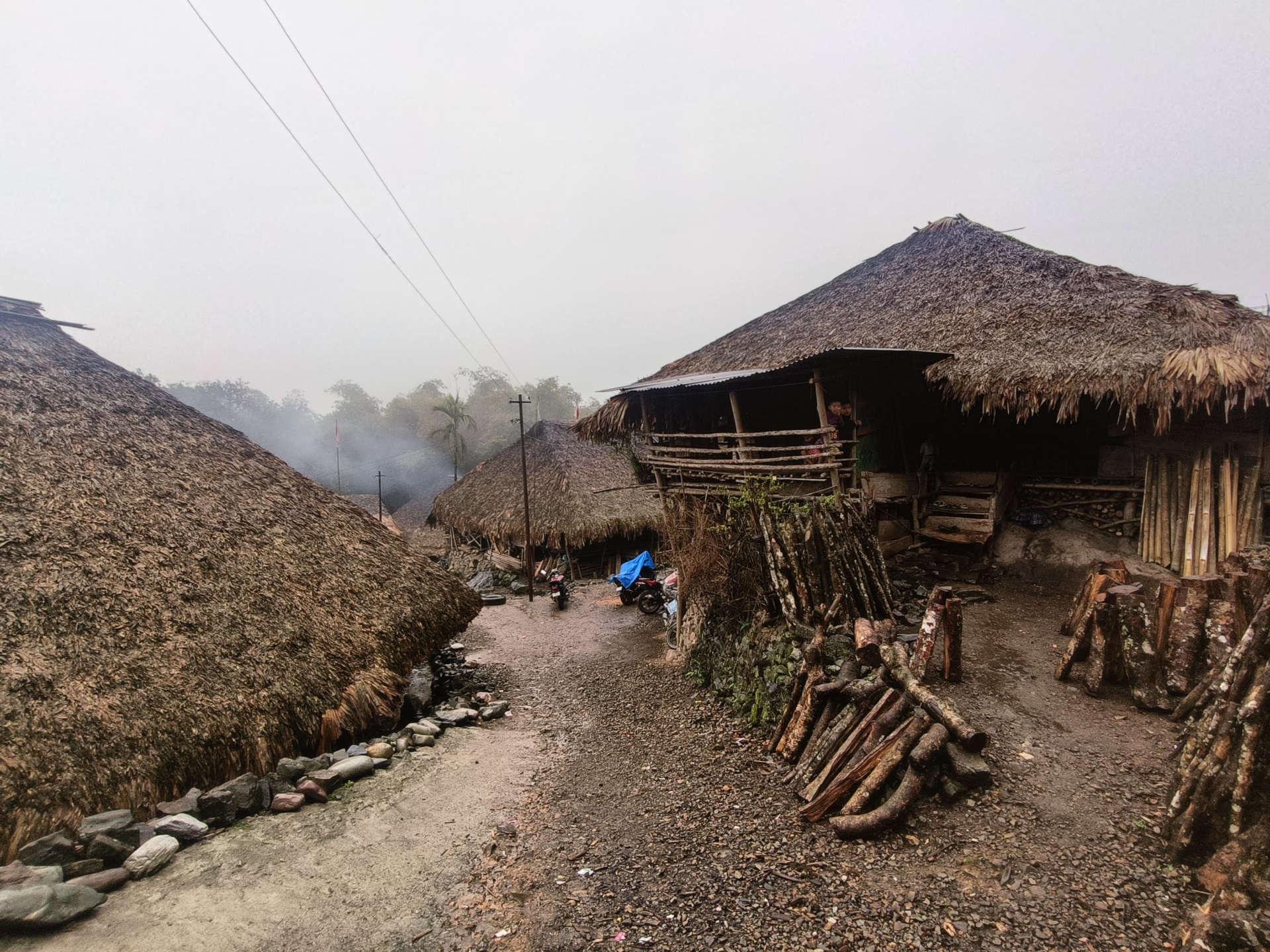
Tani-speaking community of bamboo-stilt longhouses, Mopin spring festival and Donyi-Polo sun-and-moon faith.
East Siang & Upper Siang
Hill agriculturists of the Siang gorge — Solung festival, hanging cane bridges and a strong oral-historical Aabang tradition.
Central Arunachal
The largest tribe of the state — recognisable by the hornbill-beak bopa headdress, now woven from fibre to protect the bird.
Dibang Valley
Animist shamanic culture of remote upper Dibang — Reh festival, igu priests and the country's tightest tiger-leopard cultural protection.
Tirap & Longding
Headhunting heritage now turned to peace — Chalo Loku and Oriah festivals, intricate beadwork and bamboo-bead crowns.
Festivals
Tawang & Monpa villages
Tibetan-Buddhist new year — three days of monastic mask dances, prayer-flag raising and butter-lamp offerings.
Ziro Valley
Apatani inter-village friendship festival — month-long shamanic rituals, mithun sacrifice and ancestral chanting.
Galo villages, West Siang
Galo spring festival of prosperity and cleansing — rice powder smeared on every face, Popir dance and apong rice beer.
Adi villages, East Siang
Five-day Adi harvest festival — Ponung dance, Kiding ritual and the building of bamboo Yidung altars.
Nocte villages, Tirap
Nocte harvest festival of unity and abundance — bamboo bead crowns, hornbill-feather warrior dances.
Idu Mishmi country, Roing & Anini
Idu Mishmi reaffirmation of cosmic harmony — igu priests, mithun sacrifice and three days of community feasting.
Wildlife & Protected Areas
Arunachal protects more than 80 percent of its land under forest — from tropical evergreen Namdapha to alpine Sela. Tiger density in the Dibang highlands is among the world's most surprising recent discoveries.
Park
India's third-largest park and the only place with four big cats — tiger, leopard, snow leopard and clouded leopard.
Reserve
Foothill rainforest north of Assam — home of the Pakke Paga hornbill festival and the four Arunachal hornbills.
Sanctuary
Birding capital of South Asia — the type locality of the Bugun Liocichla, described as recently as 2006.
Park
Remote Upper Siang park — sub-tropical to temperate forest, takin and red goral.
Sanctuary
Mishmi Hills wilderness — high-altitude tiger, takin and the sacred Idu Mishmi landscape.
Sanctuary
Roing's cloud-forest reserve — Mishmi hopping mouse, hoolock gibbon and rich birdlife.
Birding Opportunities
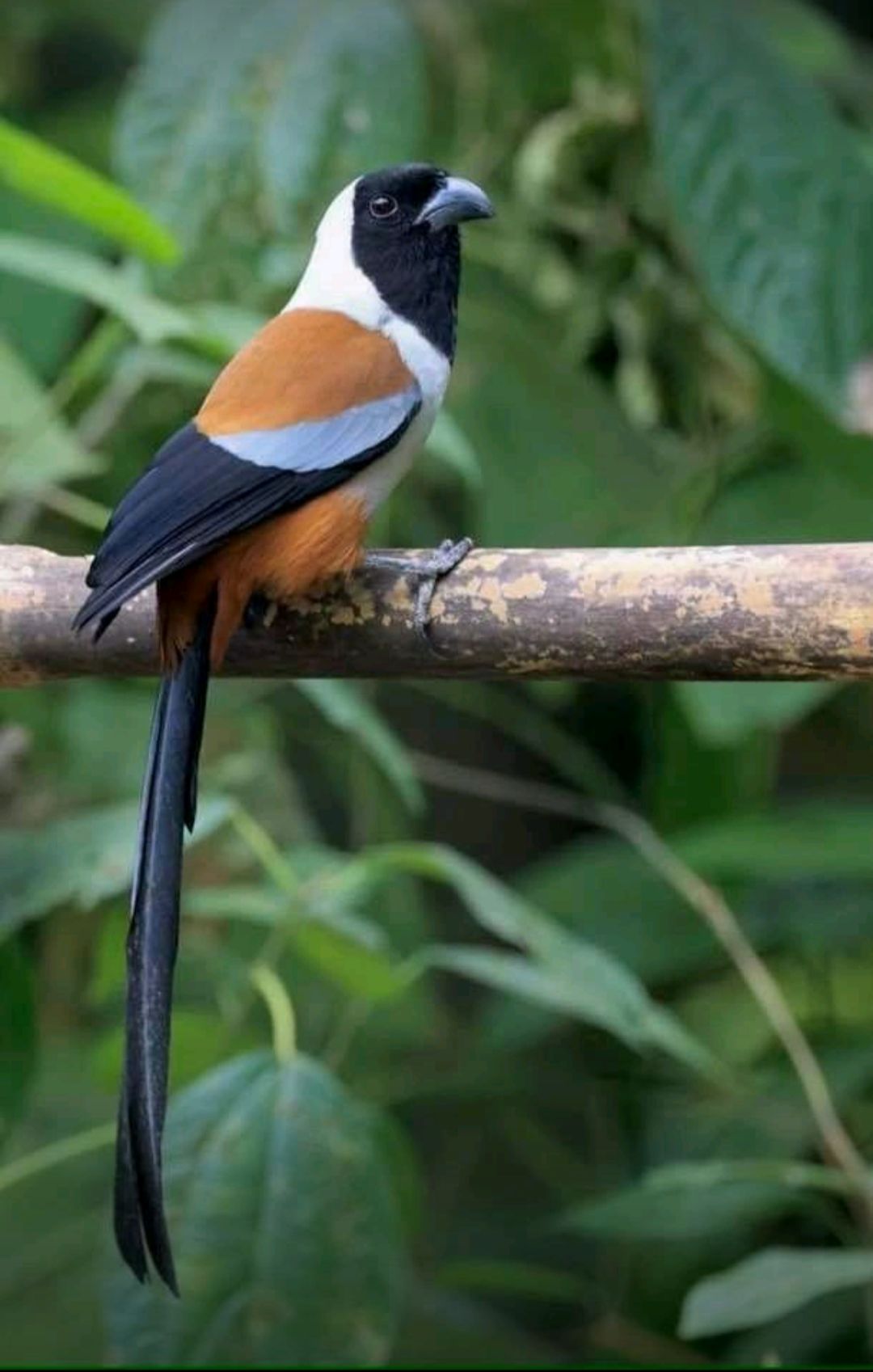
Arunachal Pradesh is the single richest birding state in India — over 700 species, multiple type localities and four of the five Indian hornbills. Eaglenest, Mishmi and Namdapha together yield the bulk of the country's must-see lifers.
Explore birding expeditions →Key hotspots
Notable species
Textiles & Crafts
Arunachal's looms travel from the Tibetan-influenced wool of Tawang to the back-strap cotton of the Adi and Galo, the bead and bark-cloth traditions of Tirap and the embroidered gale of the Apatani.
Monpa weavers, Tawang
Hand-knotted woollen rugs, snow boots and the gho — a Tibetan-Buddhist tradition kept alive in Lhou and Mukto.
Apatani women, Ziro
Geometric back-strap weaves in dark indigo, brown and white — patterns recording lineage and ritual.
Adi & Galo women, Siang
Cotton wraparounds — gale and galuk — in vivid red, black, white and yellow with mithun and sun motifs.
Tirap & Longding
Bamboo bead crowns, glass-bead necklaces and tattoo-pattern bark cloths from former headhunting societies.
Destinations & Landscapes
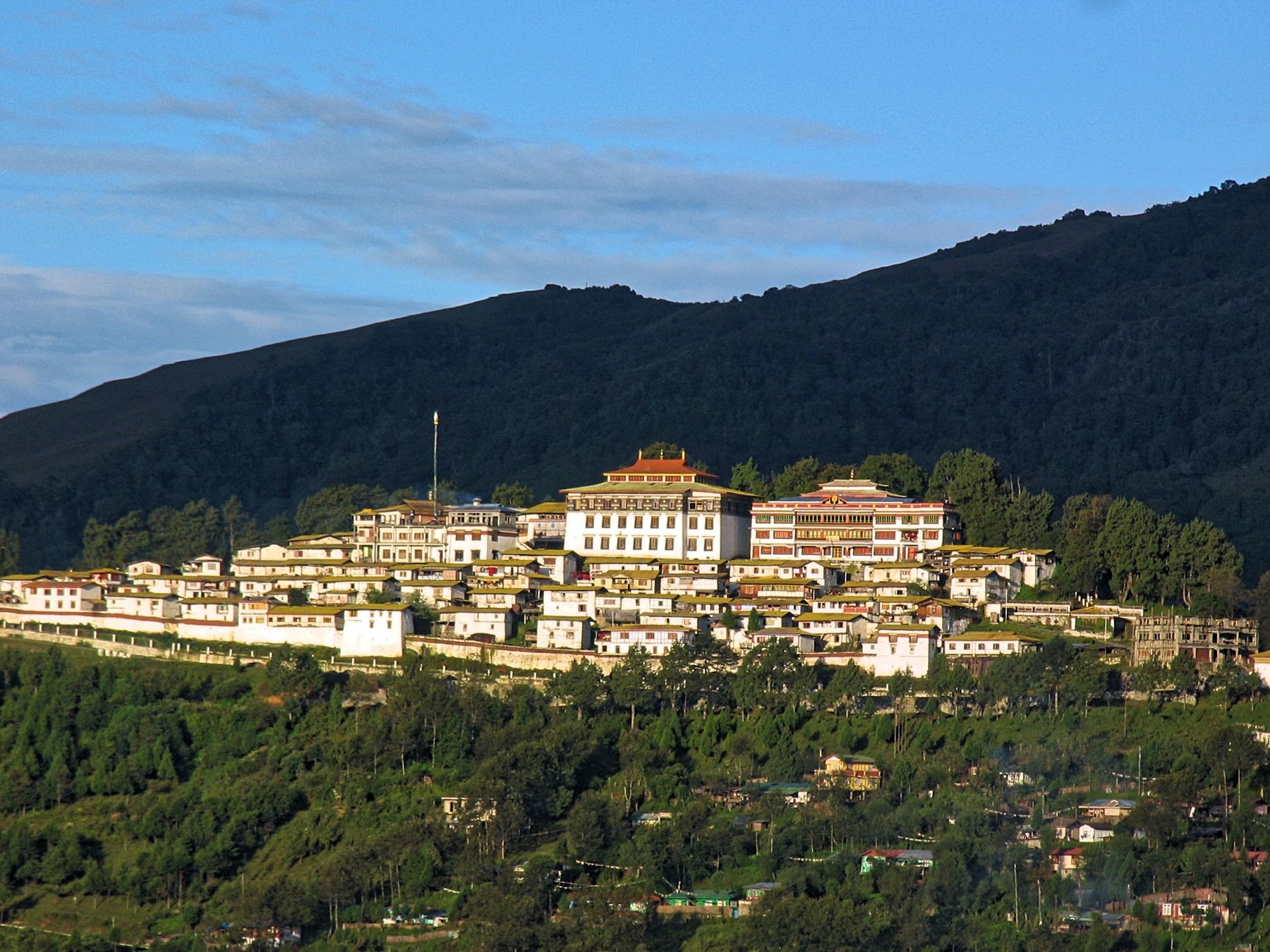
The largest gompa in India and the second-largest in the world — birthplace of the 6th Dalai Lama.
13,700-ft Himalayan pass — frozen lakes and Madhuri Lake below.
Apatani UNESCO-tentative cultural landscape — wet-rice paddies and bamboo villages.
The single best birding sanctuary in India — Bugun Liocichla type locality.
Roing to Anini road — Idu Mishmi country and India's eastern-most tiger landscape.
Remote Tibetan-border valley — Memba Buddhist culture and the Samten Yongcha Gompa.
Pilgrimage site on the Lohit river, gateway to Walong and the Eastern frontier.
Photography
Arunachal rewards photographers who can take a week and travel slowly — light at altitude, ritual at dawn and rainforest interiors are all best in the dry months.
Photography expeditions →Locations to shoot
Suggested Expeditions
Related Topics
Specialist Journeys · Arunachal
Specialist Journeys · Monpa Country
Field Guide · Birding
Specialist Reference · Cultures
Field Guide · Photography
Travel Guides
Time at Tawang Monastery — the largest in India — and lesser-known gompas across the Monpa country. Early-morning prayer halls, conversations with monks, and walks across Sela Pass at over 13,700 feet.
Eaglenest, Pakke, Mishmi Hills and Namdapha — among the planet's richest birding regions. The Bugun Liocichla, Ward's Trogon, Blyth's Tragopan and rare wren-babblers are all within reach.
Quiet, respectful time with Apatani, Galo, Adi, Nyishi, Idu Mishmi and Nocte communities — Myoko in Ziro, Solung in the Adi villages, and harvest festivals across the eastern districts.
Slow-paced overland journeys across Tawang, Mechuka, Anini and the Dibang Valley — landscapes still without cell towers, where the only sound at night is a river.
Namdapha, Dibang and Mouling — biodiversity hotspots where tropical lowland forest climbs to alpine ridgelines in under a hundred kilometres.
Field Journal
Frequently Asked
October to April for culture, monasteries and high passes. March to May is the prime birding window across Eaglenest, Pakke and the Mishmi Hills.
Indian travellers need an Inner Line Permit (ILP). Foreign nationals travelling to applicable protected areas may require a Protected Area Permit (PAP). Living Roots assists confirmed package guests with documentation and coordinates the permit process through applicable authorised channels, subject to eligibility and government approval.
Some routes are — Tawang reaches 13,700 ft at Sela Pass, and Mishmi roads are long. We pace journeys for acclimatisation and comfort, with private vehicles throughout.
Plan Your Arunachal Pradesh Journey
Share the season, the pace and the company you are travelling with. We will design a arunachal pradesh journey around it — from heritage stays to remote field camps.