Specialist Journeys · Textile

Textile and Tribal Heritage Toursevery weave is a language.

Northeast India holds one of the richest living textile traditions on the subcontinent — Assam's Eri, Muga and Pat silks, the loin-loom weaves of every Naga tribe, the Apatani backstrap looms of Ziro, the Mising fabrics of Majuli and the Bodo dokhona. Our textile journeys are private, slow and built with the weaver collectives and master craftsmen we have worked with for years.

01

Assam — Eri, Muga and Pat

Sualkuchi, the silk village outside Guwahati, weaves Muga and Pat on traditional throw-shuttle looms. Eri (ahimsa silk) is hand-spun in Bodo villages around Kokrajhar. We arrange weaver-led demonstrations, dye-house visits and direct purchase at fair prices.
02

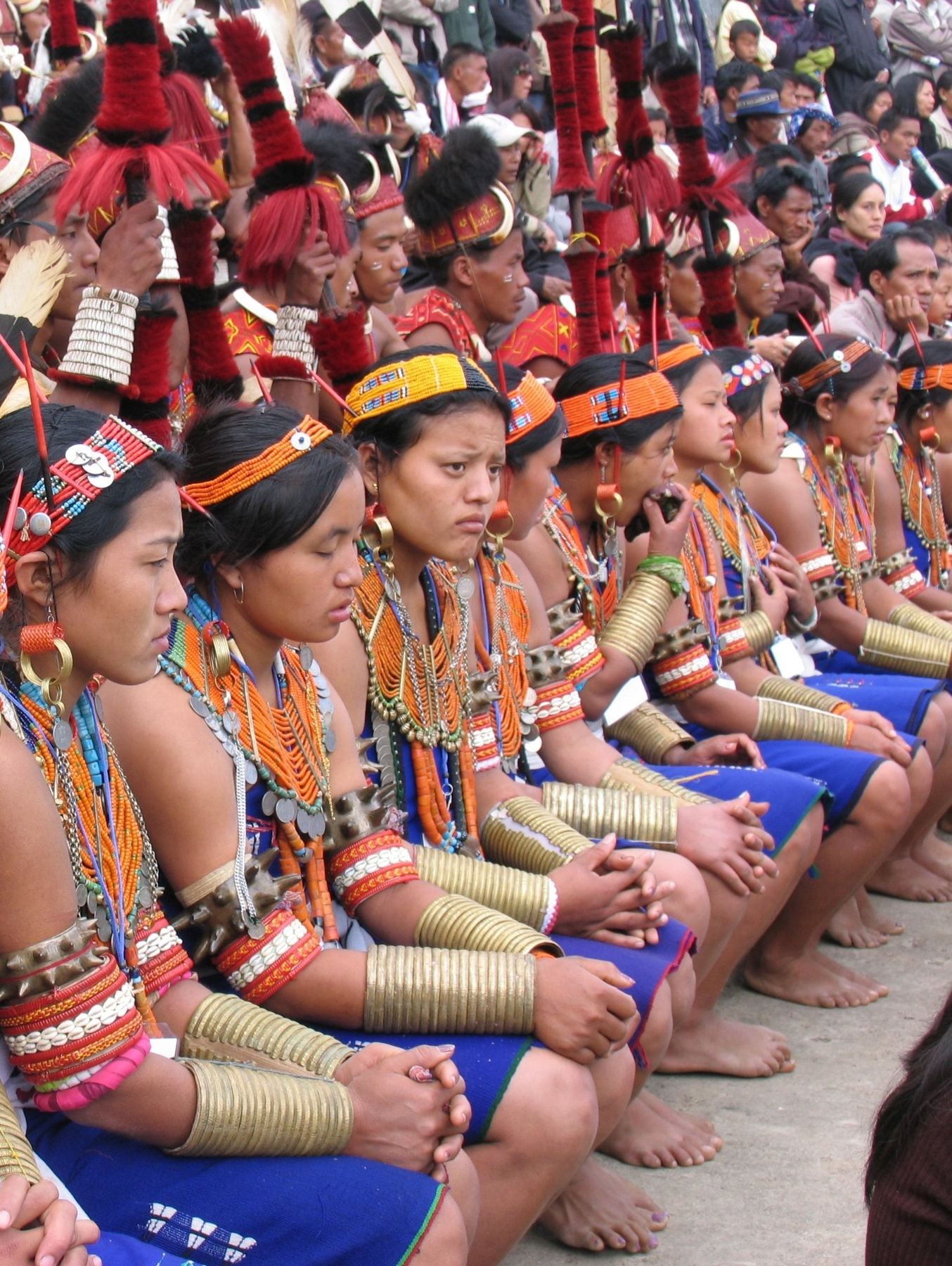
Nagaland — loin-loom and tribal motifs

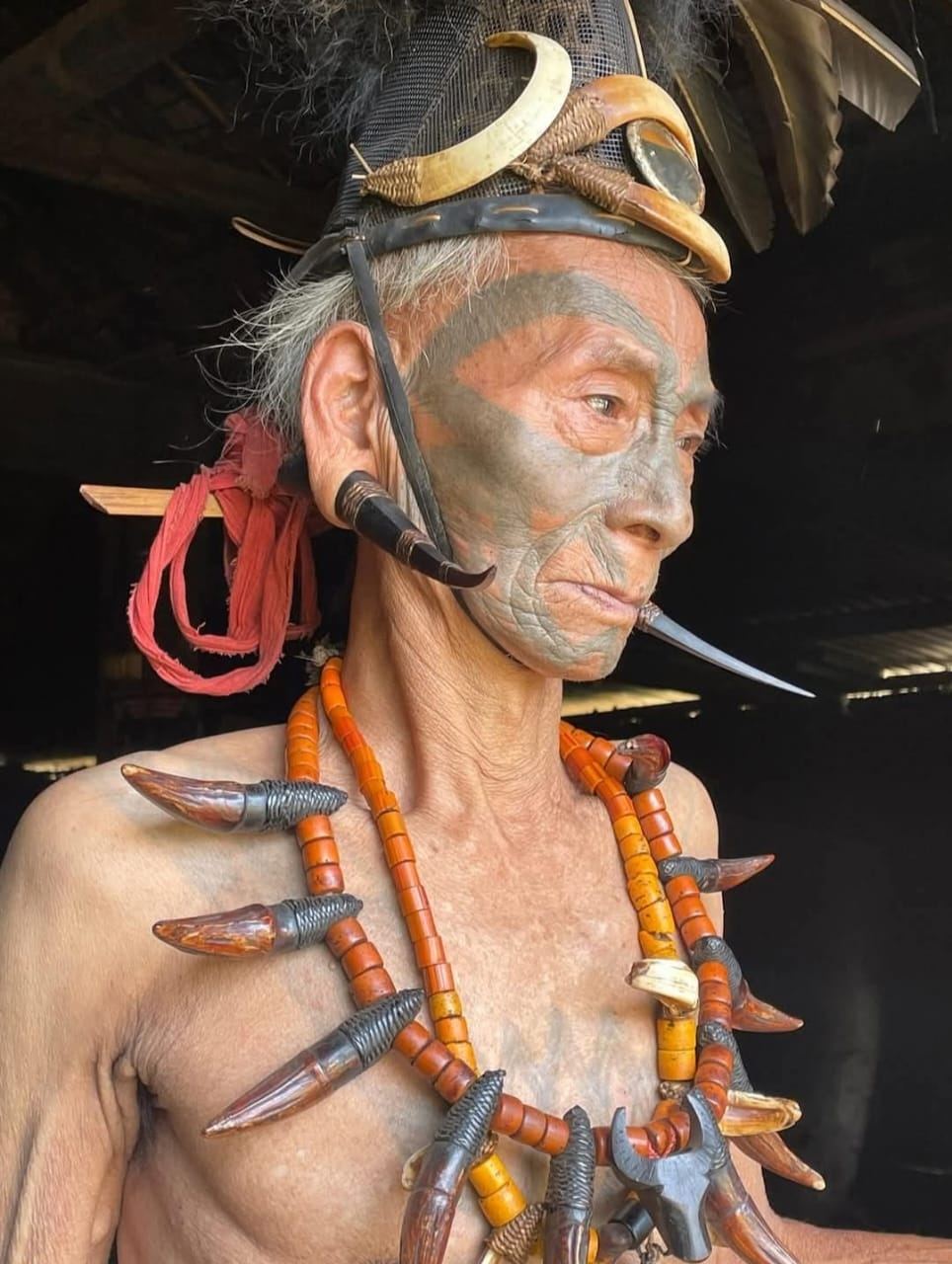
Each Naga tribe weaves its own shawl with its own pattern — Angami in Khonoma, Chakhesang in Khuzama and Pfutsero, Lotha in Wokha, Ao in Mokokchung. We visit weaver collectives, sit at the looms and explain the meaning behind motifs — many of which are still warrior-coded.

03

Arunachal — Apatani, Adi, Monpa

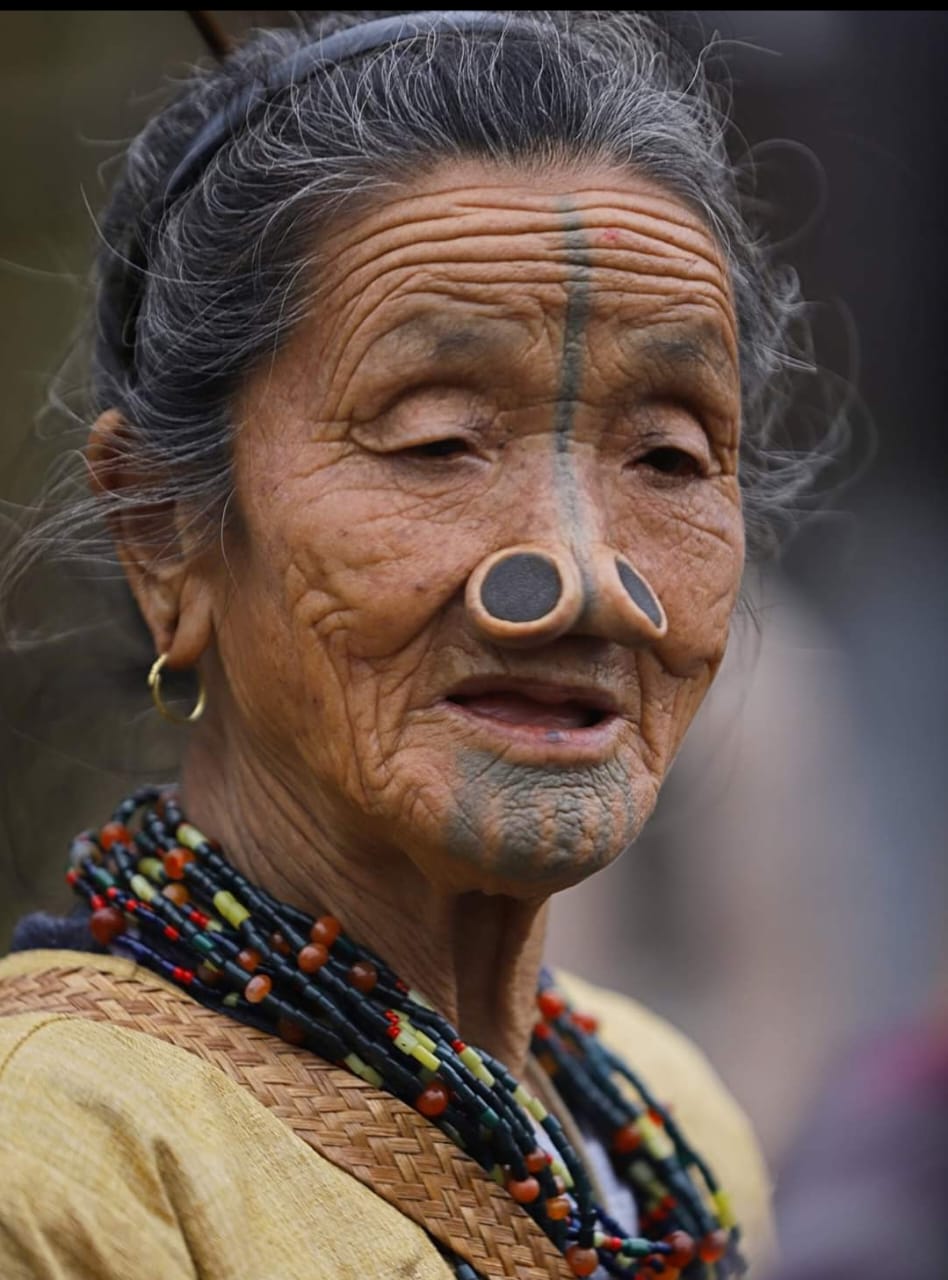
Apatani backstrap weaves with geometric motifs in Ziro; Adi gale in the Siang valley; Monpa wool weaves and the chuba in Tawang; the cane and bamboo of every village. Workshops with master weavers and dyers can be arranged with notice.

04

Meghalaya, Manipur, Mizoram, Tripura

Khasi and Garo weaves in Meghalaya; the Manipuri phanek and innaphi (Manipur is one of India's textile capitals); Mizo puan; Tripuri rignai. Often combined as the cultural spine of a larger Northeast journey.

05

How to plan a textile journey

Twelve to fourteen days for a focused Assam–Nagaland or Assam–Arunachal weave circuit, with optional museum and archive stops in Guwahati. We also build trade-buyer journeys for designers and boutique retailers — discreet pricing, direct introductions, export logistics handled.

Plan a Private Journey
Email Us