Specialist Journeys · Nagaland

Nagaland Tribal Expeditionsseventeen tribes, one slow circuit.

Nagaland is not a single culture. It is seventeen major tribes, each with its own language, dress, architecture and history — Konyak, Angami, Ao, Sumi, Lotha, Chakhesang, Phom, Chang, Sangtam, Yimkhiung and more. Our Nagaland expeditions are private, slow and built on the village-level relationships our team has carried for over a decade.

Nagaland Tribal Expeditions — Living Roots Expeditions

The expedition view

Nagaland is not a single culture and never has been. It is seventeen recognised major tribes — Konyak, Angami, Ao, Sumi, Lotha, Chakhesang, Phom, Chang, Sangtam, Yimkhiung and others — each with its own language, dress, architecture, festival calendar and pre-colonial history of warfare and trade. To travel here well, you accept that early: the state on the map is one administrative line drawn across seventeen sovereign cultural worlds.

Living Roots Expeditions has worked across Nagaland since our earliest seasons. Our circuits are private, slow and built on decade-long village-level relationships — not booked through middlemen in Kohima or Guwahati. Most of our field guides were born in the morungs they show you. That distinction matters here more than almost anywhere else in India.

Mon district and the last tattooed generation

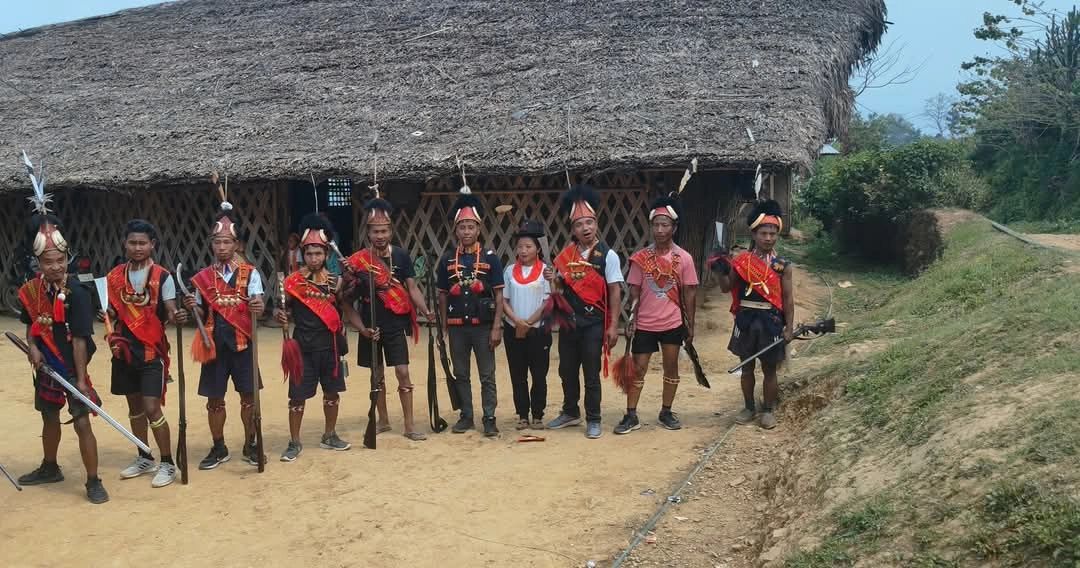
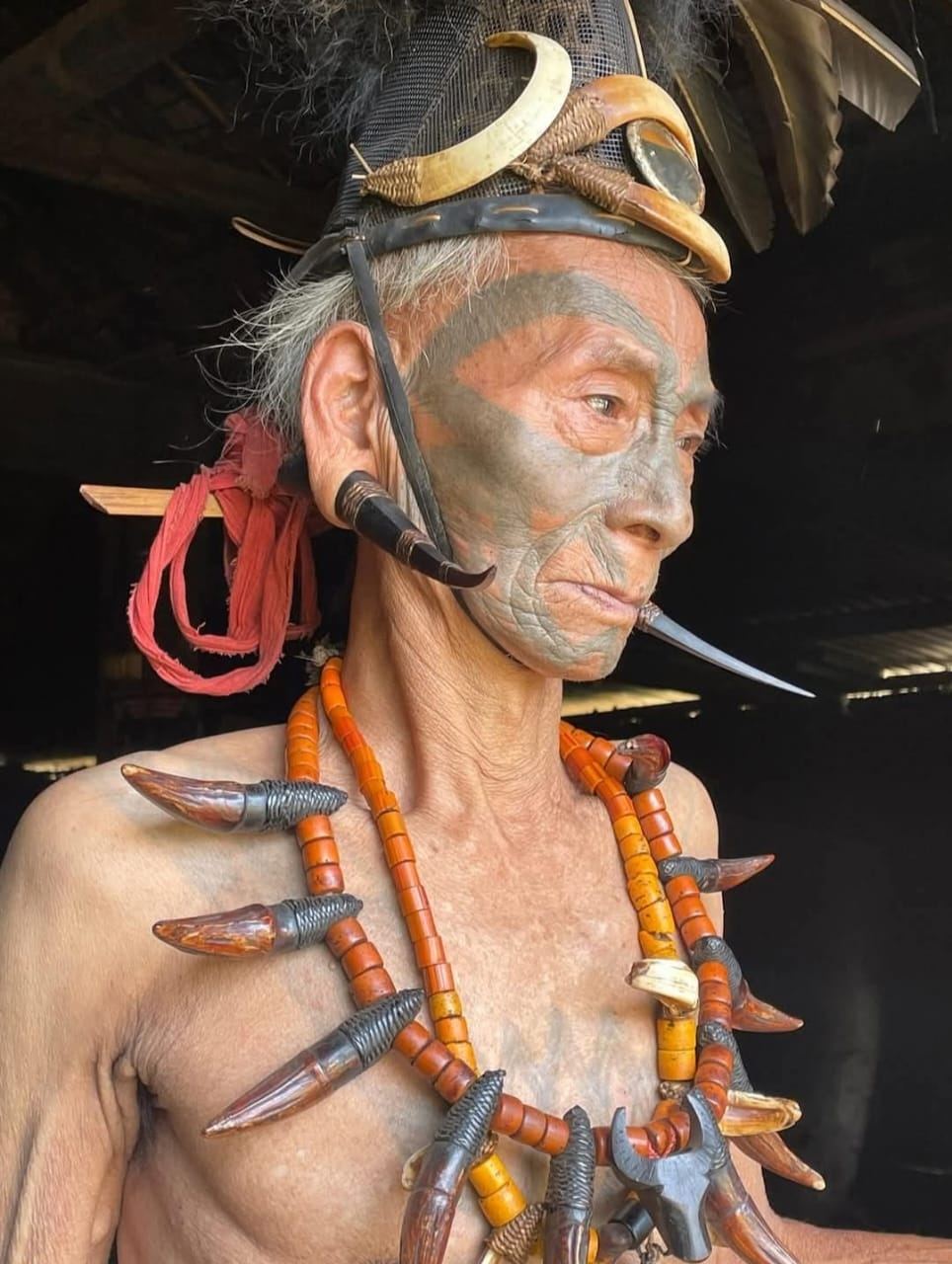
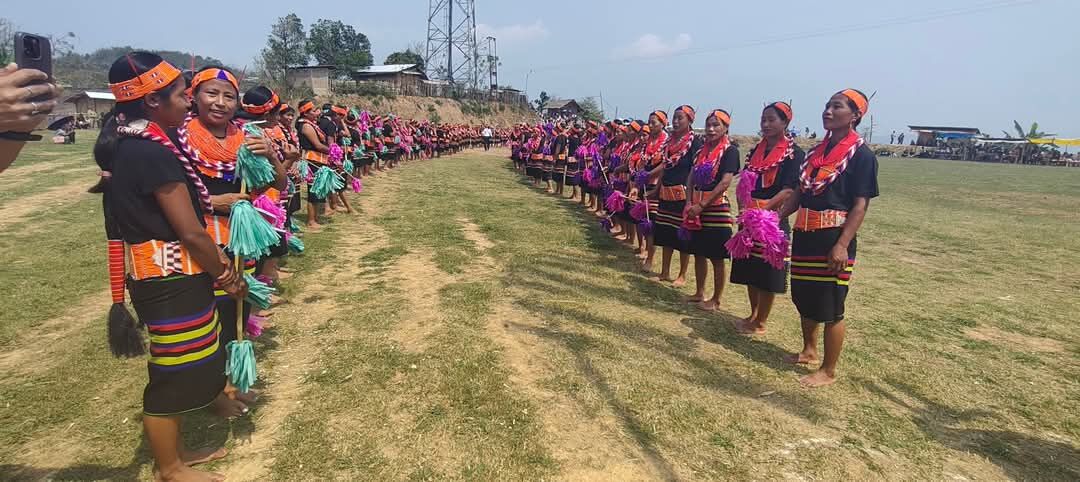
The Konyaks of Mon district are the most photographed Naga tribe and also the most misunderstood. Headhunting was outlawed in 1960, but the last generation that practised it is still alive — barely — and lives across villages like Longwa, Shangnyu, Hongphoi, Chui and Tangnyu. The facial tattoos earned through warfare, the brass-head necklaces that mark lives taken, the hornbill-feather headdresses worn for the Aoling festival, and the morung as the village's living-room — all of this is still daily reality in the remote ridges of Mon. It is not a heritage performance. Our field journal piece on Aoling at Tangnyu sits with the village rather than over it.

The state on the map is one administrative line drawn across seventeen sovereign cultural worlds.

Khonoma, Kohima and the Angami highlands

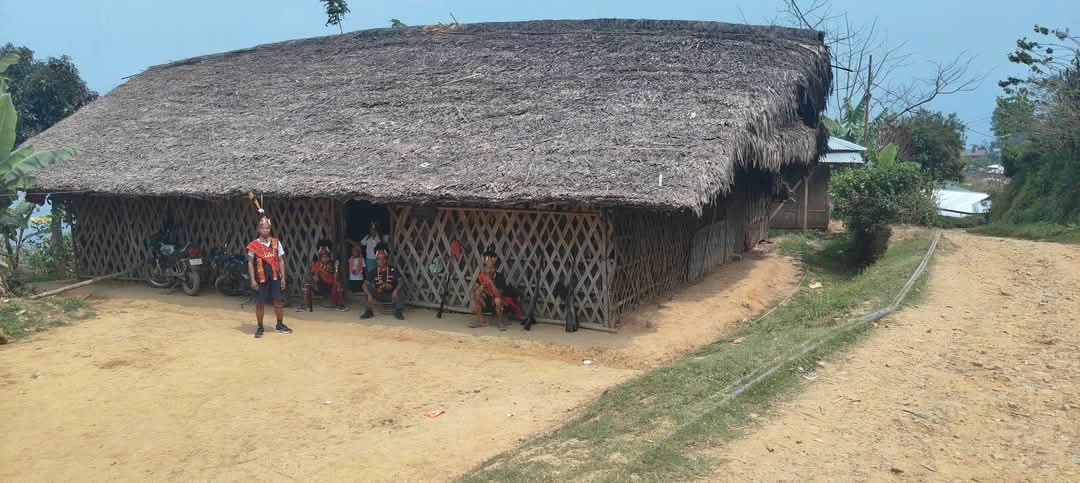
South of Mon, the landscape and the culture shift. Khonoma — Asia's first declared green village and the site of the last great Anglo-Naga battles of the 1870s — is Angami country, with terraced rice fields stacked down the hillsides and a community-led hunting ban that protects the Khonoma Nature Conservation Reserve. We stay in Angami heritage homes and walk the fields with the village council members who run the conservation work. Kohima itself holds the WWII history that pulled Northeast India to the centre of the Pacific war — a thread we follow in our journal piece on Kohima and Imphal in 1944.

The Chakhesang weavers and the eastern tribes

Beyond Kohima, in Phek district, the Chakhesang weavers of Khuzama and Pfutsero still hand-weave on backstrap looms with natural dyes — among the last villages in Nagaland to do so. The motifs are not decorative; many are still warrior-coded, restricted to specific clans and ranks. We weave Chakhesang visits into longer cultural circuits and into our Northeast India textile heritage journeys. Further east, the Phom, Chang, Yimkhiung and Sangtam tribes live in landscapes that almost no commercial tour ever reaches.

The Hornbill Festival in context

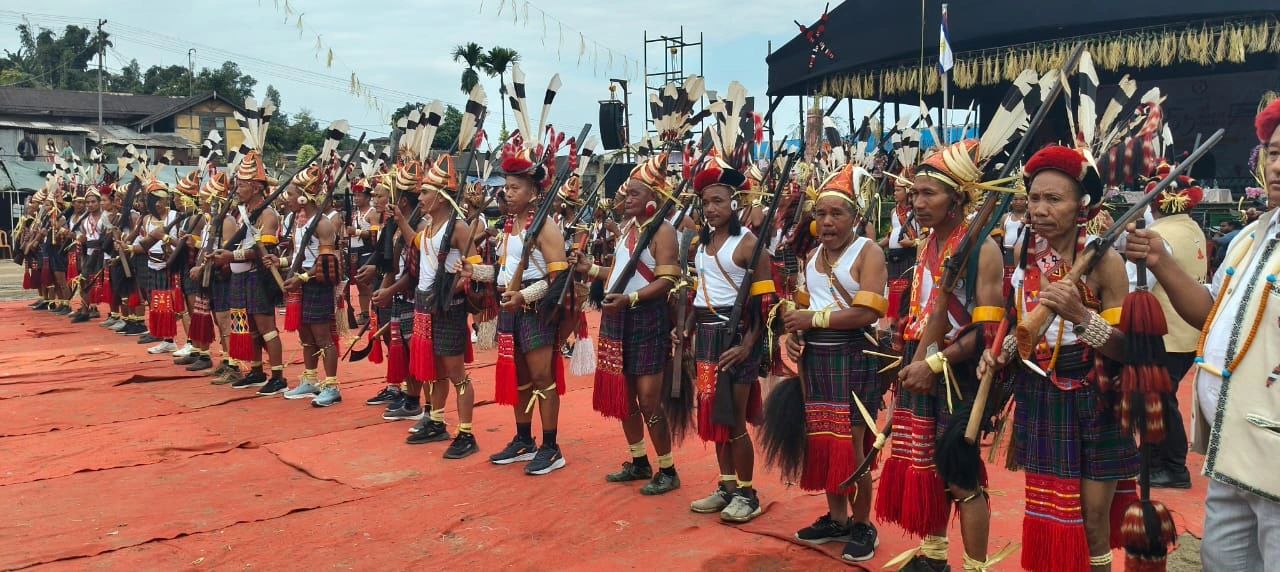
Most travellers come to Nagaland for the Hornbill Festival (1–10 December, Kisama Heritage Village). It is the single best window for cultural breadth — all seventeen tribes in one place, morung-level access, photography from first light. It is also the most logistically demanding window of the year: Kohima boutique inventory and Khonoma village homes book out by August. We pre-block accommodation in July and run private departures that target days two to six (the strongest performance window), with optional Mon and Khonoma extensions on either side. The Hornbill Festival package is the most-booked product in our catalogue for a reason — but it is not the only way to see Naga culture.

How to plan a Nagaland expedition

Foreign nationals register on entry to Nagaland; Indian travellers need an Inner Line Permit, which we arrange. Plan ten days minimum for a Konyak-only circuit (Dibrugarh-in, Mon, Hongphoi, Longwa, back to Dibrugarh); fourteen days to combine Mon with Kohima, Khonoma and Phek; eighteen days to traverse east into Phom and Yimkhiung country. We do not run group departures. Every Nagaland journey is private, paired with a Naga field guide and built around the village calendar — Aoling in April, Chalo Loku in November, Hornbill in December, weaving and harvest cycles in between. For the deeper editorial context, see our Arunachal cultural journeys and Indigenous Cultures of Northeast India reference, both of which connect this region to the wider tribal Northeast.
01

Mon and Longwa — Konyak country

The last generation of tattooed Konyak headhunters still lives in Mon district. Longwa village famously straddles the India–Myanmar border, with the Angh's longhouse split between two countries. We spend two to three nights in Konyak homes, sit with the Angh, photograph the morung at first light and travel onward to Shangnyu and Hongphoi. This is the most powerful cultural experience in India and the hardest to reach — eleven hours by road from Dibrugarh.

02

Khonoma — Angami warrior village

Asia's first green village, the site of the last great Anglo-Naga battles and now a community-conservation model with the Khonoma Nature Conservation Reserve. We stay in restored Angami heritage homes, walk the terraced rice fields and meet the elders behind the village's hunting ban.

03

Phek and the Chakhesang weaving villages

Among the last villages in Nagaland still hand-weaving on backstrap looms with natural dyes. We visit weaver collectives at Pfutsero and Khuzama, with introductions through our long-standing partners.

04

Hornbill Festival access

If your trip falls in early December, the Hornbill Festival at Kisama Heritage Village is the country's strongest cultural showcase. We arrange morung-level access, photography windows at first light and pre-blocked Kohima and Khonoma accommodation that books out by August.

05

Logistics, permits and pace

Foreign nationals register on entry; Indian travellers need an ILP, which we arrange. Plan a minimum of ten days for a Konyak-only circuit, fourteen days to combine Mon with Kohima, Khonoma and Phek. The roads are slow — that is the point.

Featured photography

Konyak warrior in ceremonial dress, Tangnyu village, Mon
Aoling Festival, Tangnyu · Mon district
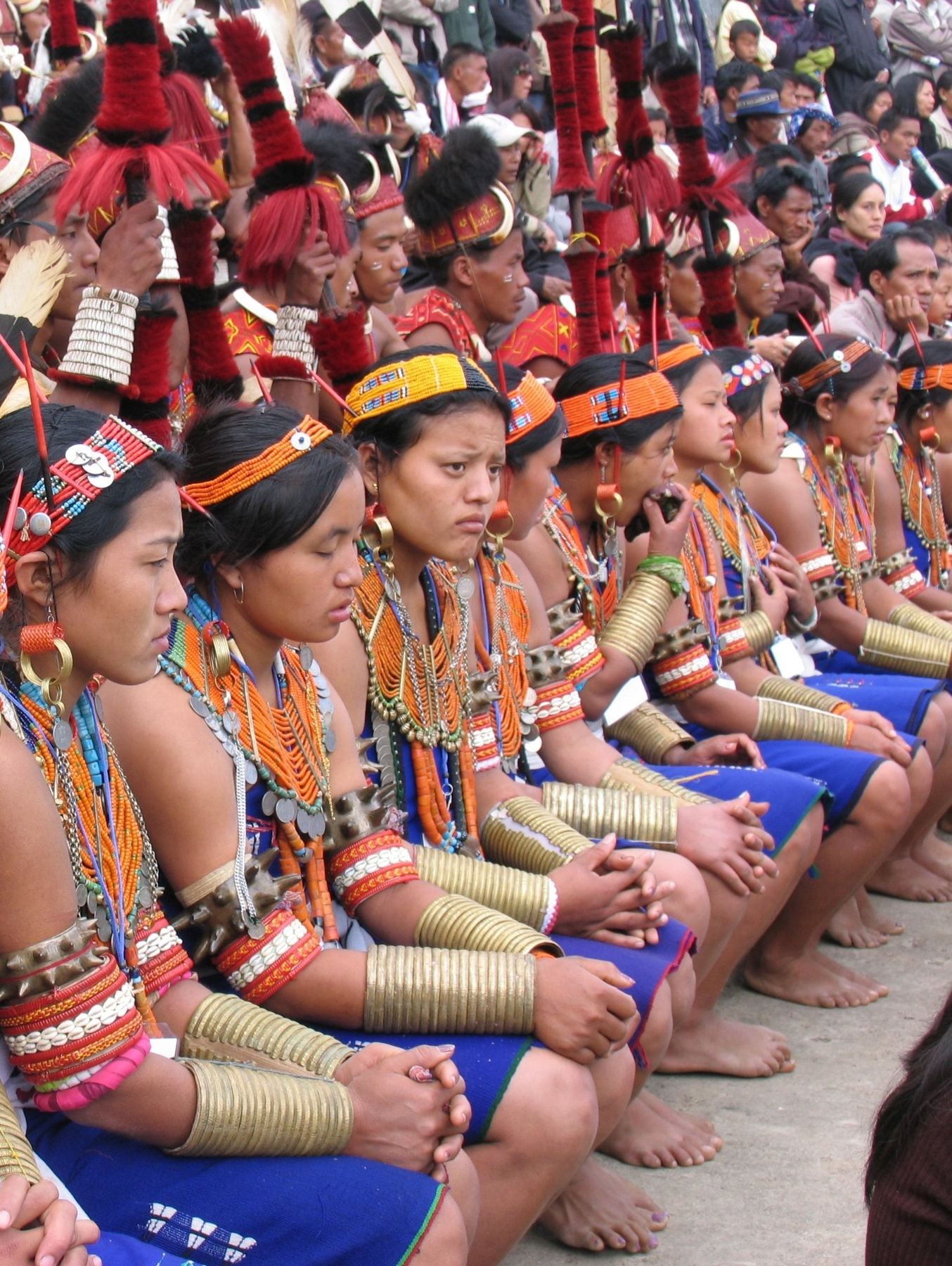
Konyak elders gathered for Aoling, Nagaland
Konyak elders · Aoling, April
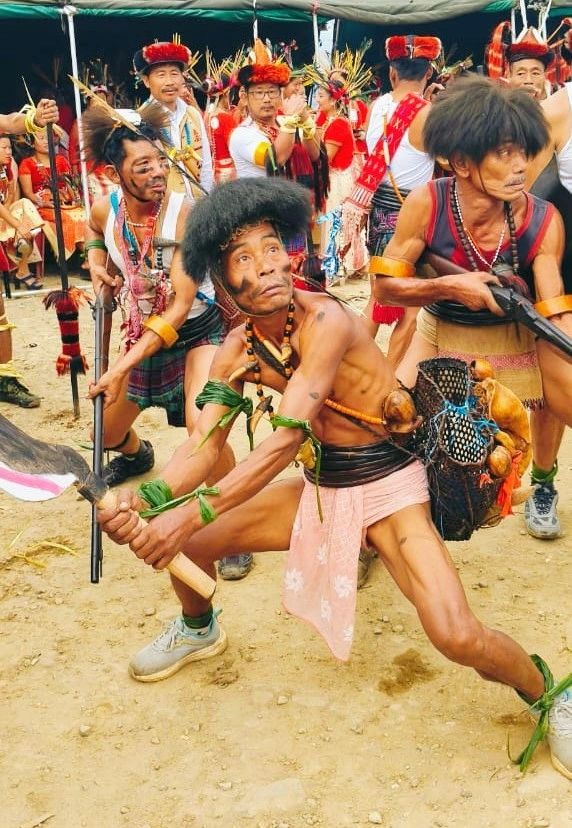
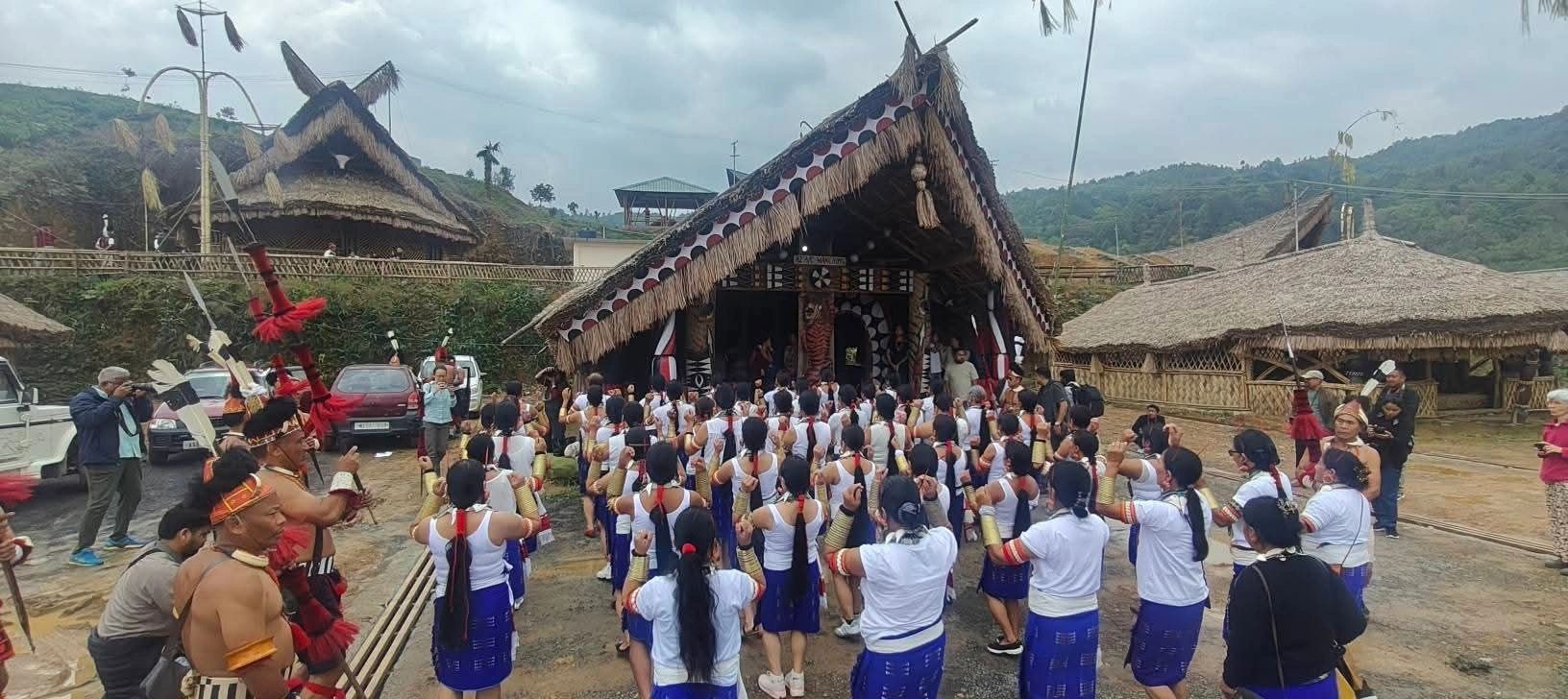
Aoling Festival drummers, Mon district, Nagaland
Drumlines at first light
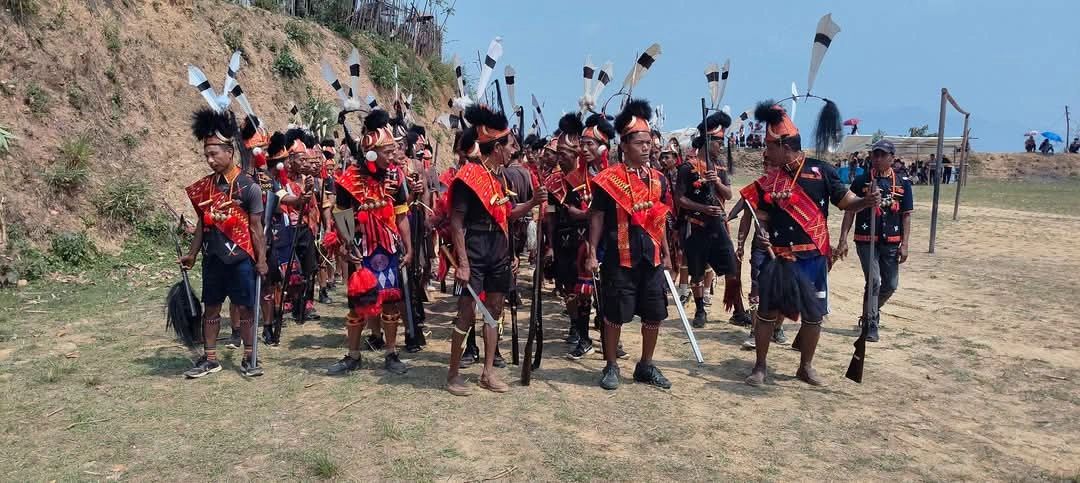
Nocte men in red ceremonial dress at Chalo Loku, Khonsa
Chalo Loku · Nocte country, November
Chalo Loku Festival celebration in Khonsa, Arunachal–Nagaland frontier
Chalo Loku · Khonsa
Aoling ceremonial portrait, Konyak village, Nagaland
Konyak portrait · Mon

Related topics

Specialist Journeys · Konyak Country

Mon and Longwa Cultural Tours

Mon district, in the far north-east of Nagaland on the Myanmar border, is the heartland of the Konyak Nagas — the warrior tribe whose tattooed elders are the last living generation of practising headhunters. Longwa village famously sits on the international border, with the Angh's longhouse split between India and Myanmar. Our Mon journeys are private, deeply pre-arranged and accompanied throughout by Konyak-speaking field guides.

Cluster · Nagaland · 1–10 December

Hornbill Festival

The Hornbill Festival is the cultural showcase of Nagaland — held every 1 to 10 December at Kisama Heritage Village, 12 km from Kohima. Each of the 17 major Naga tribes builds its own morung, and the result is one of the most photogenic and culturally rich festivals in India. This is the cluster page where we collect everything we publish about visiting it.

Specialist Journeys · Arunachal

Arunachal Pradesh Cultural Journeys

Arunachal Pradesh is India's largest, least-travelled and most culturally diverse state — twenty-six major tribes and over a hundred sub-tribes living across the eastern Himalaya from the Bhutan border to Myanmar. Living Roots Expeditions has worked in Arunachal since our earliest seasons; our specialist cultural journeys move slowly through Monpa, Apatani, Idu Mishmi, Nyishi and Nocte country with field guides drawn from each community.

Specialist Reference · Cultures

Indigenous Cultures of Northeast India

Northeast India is the most culturally dense region of the country — over 200 distinct indigenous communities speaking more than 220 languages across eight states. This reference page is our specialist overview of who lives where, what they hold, and how to travel through their homelands with care.

Specialist Journeys · Textile

Textile and Tribal Heritage Tours

Northeast India holds one of the richest living textile traditions on the subcontinent — Assam's Eri, Muga and Pat silks, the loin-loom weaves of every Naga tribe, the Apatani backstrap looms of Ziro, the Mising fabrics of Majuli and the Bodo dokhona. Our textile journeys are private, slow and built with the weaver collectives and master craftsmen we have worked with for years.

Specialist Journeys · Photography

Photography Tours in Northeast India

Photography journeys are how Living Roots Expeditions began. Our trips are designed around dawn light, festival rhythm, monastery prayer cycles and animal activity — not around how many sites a day. Private vehicles, naturalist or cultural guides who hold access, and itineraries built by photographers for photographers.

Frequently asked

When is the best time to visit Nagaland for tribal culture?

Three windows stand out. Aoling (Konyak New Year, 1–6 April) in Mon district is intimate, low-crowd and intensely cultural. Hornbill Festival (1–10 December) at Kisama gives breadth across all seventeen tribes in a single week. Chalo Loku (around 25 November) in Nocte country adjacent to the Arunachal border offers a third, very different harvest festival. October to early May is the broader sweet spot — dry roads, comfortable temperatures.

Do foreign nationals need a permit for Nagaland?

Foreign nationals no longer need a Protected Area Permit (PAP) for Nagaland but must register on entry — we handle the registration as part of your itinerary. Indian travellers need an Inner Line Permit (ILP), which we arrange with two to three weeks' notice. Mon district has additional informal village-level introductions that we secure through long-standing local relationships.

Is Mon district safe and how remote is it really?

Mon is safe with proper local arrangement; it is also genuinely remote. Plan eleven hours by road from Dibrugarh in Assam through Sonari and Naginimora, with one overnight if you are coming in from outside. Accommodation in Konyak villages is basic homestay or boutique-rustic. We do not recommend independent travel into Mon without a Konyak-speaking field guide and pre-arranged village hosts.

How is the Hornbill Festival different from visiting Konyak villages directly?

Hornbill is a curated showcase at Kisama Heritage Village near Kohima where all seventeen tribes perform — extraordinary for breadth and photography, but it is a festival ground, not a village. Visiting Mon and Konyak villages directly is the opposite: one tribe, multi-day immersion, hosted in homes. Many of our travellers do both — Hornbill for the panorama, Mon for the depth.

Can you arrange private photography access during Hornbill?

Yes — we hold pre-booked morung access at first light, dedicated cultural-guide interpretation in each tribe's enclosure, and quiet windows for portrait work outside the main performance arena. Press credentials are not required; respectful pre-introduction by your guide is what unlocks the strongest portraits. We have hosted journeys for National Geographic Traveller, Condé Nast Traveller and Sanctuary Asia photographers.

How many days do I need in Nagaland?

Ten days minimum for a focused Konyak circuit. Fourteen days to combine Mon with Kohima, Khonoma and the Angami heartland. Eighteen days to add the Chakhesang weaving villages of Phek and reach the eastern tribes (Phom, Sangtam, Yimkhiung). For Hornbill, plan seven days minimum on the ground with arrival and departure buffers.

Plan a Private Journey
Email Us