Cluster · Nagaland · 1–10 December

Hornbill Festivalten days, seventeen Naga tribes.

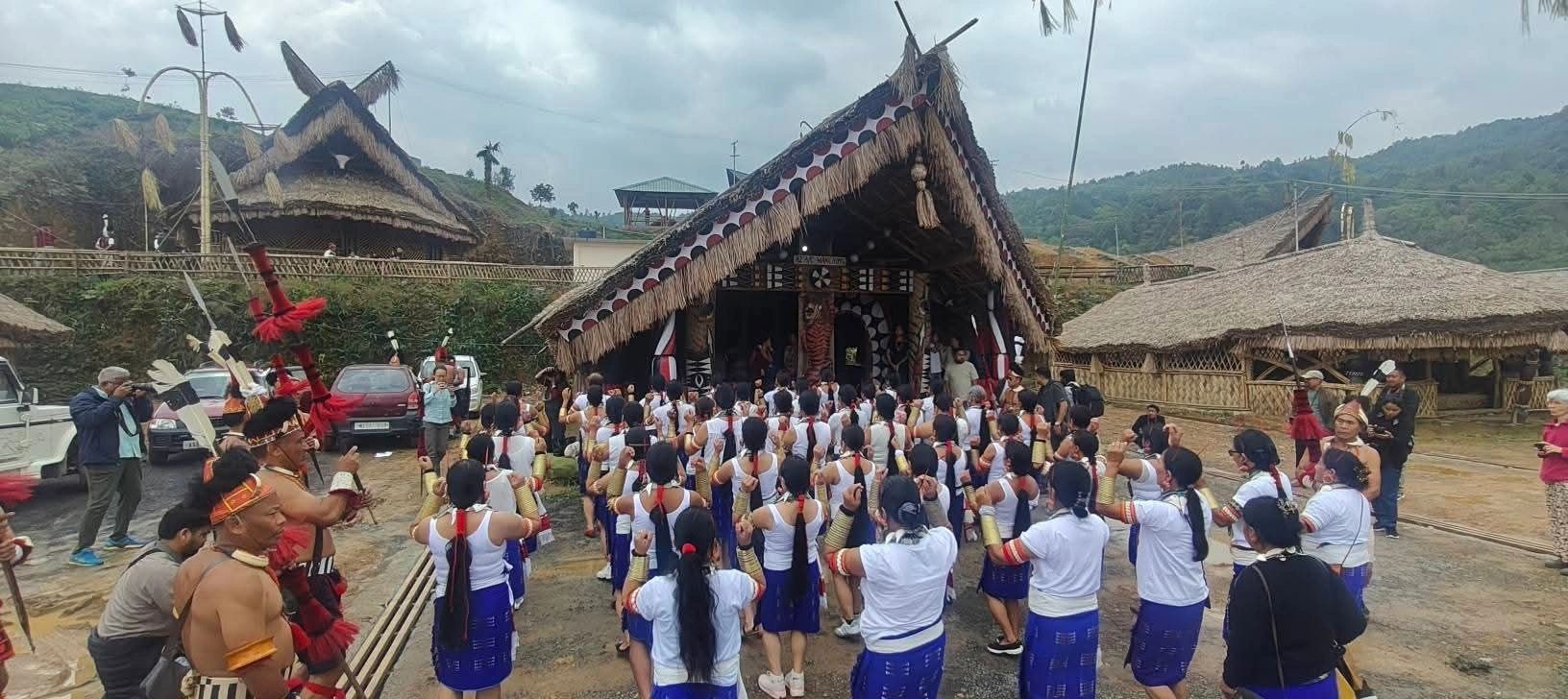
The Hornbill Festival is the cultural showcase of Nagaland — held every 1 to 10 December at Kisama Heritage Village, 12 km from Kohima. Each of the 17 major Naga tribes builds its own morung, and the result is one of the most photogenic and culturally rich festivals in India. This is the cluster page where we collect everything we publish about visiting it.

Hornbill Festival — Living Roots Expeditions

The expedition view

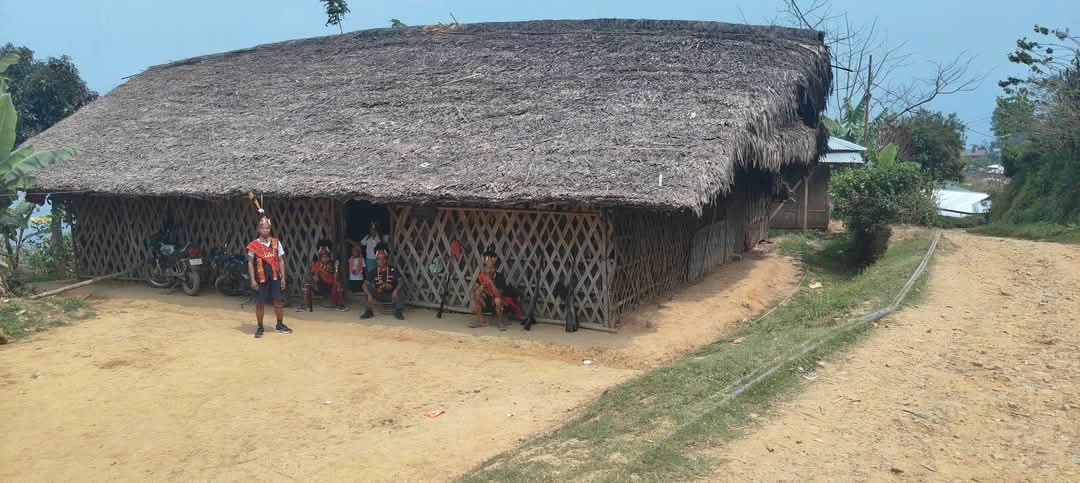
The Hornbill Festival is the cultural showcase of Nagaland and the single best-known festival in Northeast India — held every 1 to 10 December at Kisama Heritage Village, twelve kilometres from Kohima. Each of the seventeen recognised Naga tribes builds its own morung (traditional youth dormitory) on the festival grounds, and the result is one of the most photogenic and culturally rich gatherings in the country. But the deeper story of festivals across the Northeast is wider than Hornbill alone — and Living Roots Expeditions has built our reputation on the village-led festivals that sit outside the showcase, as much as on Hornbill itself.

What actually happens during Hornbill

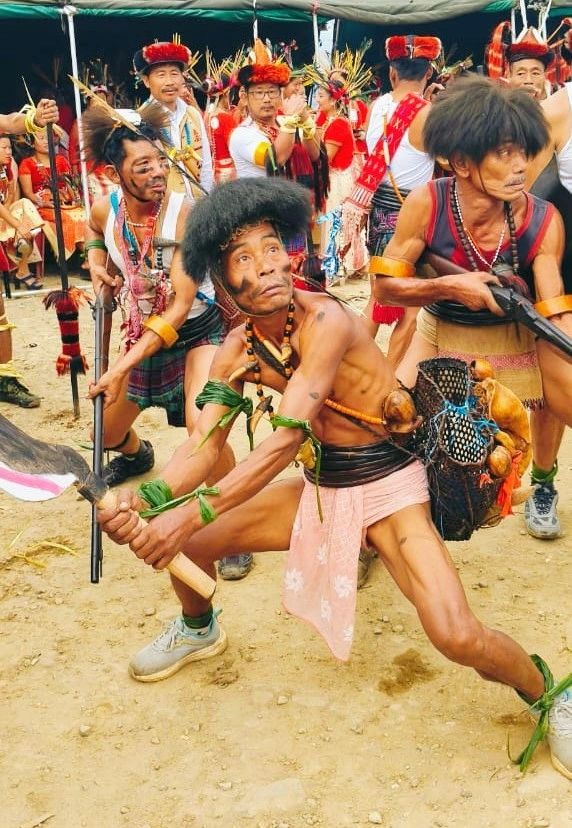
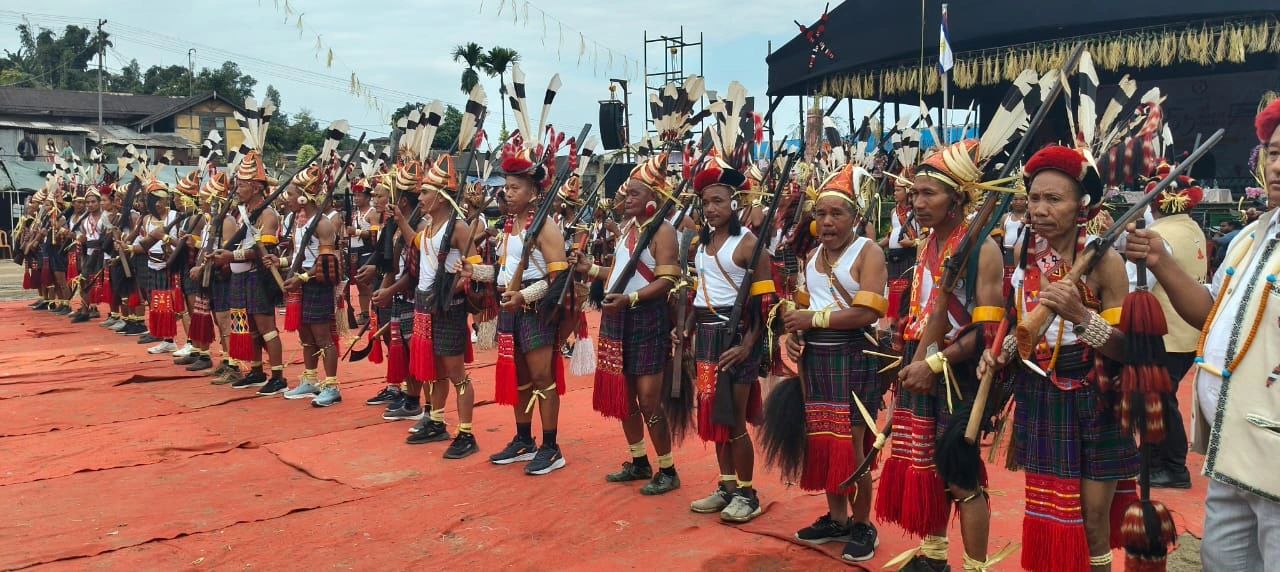
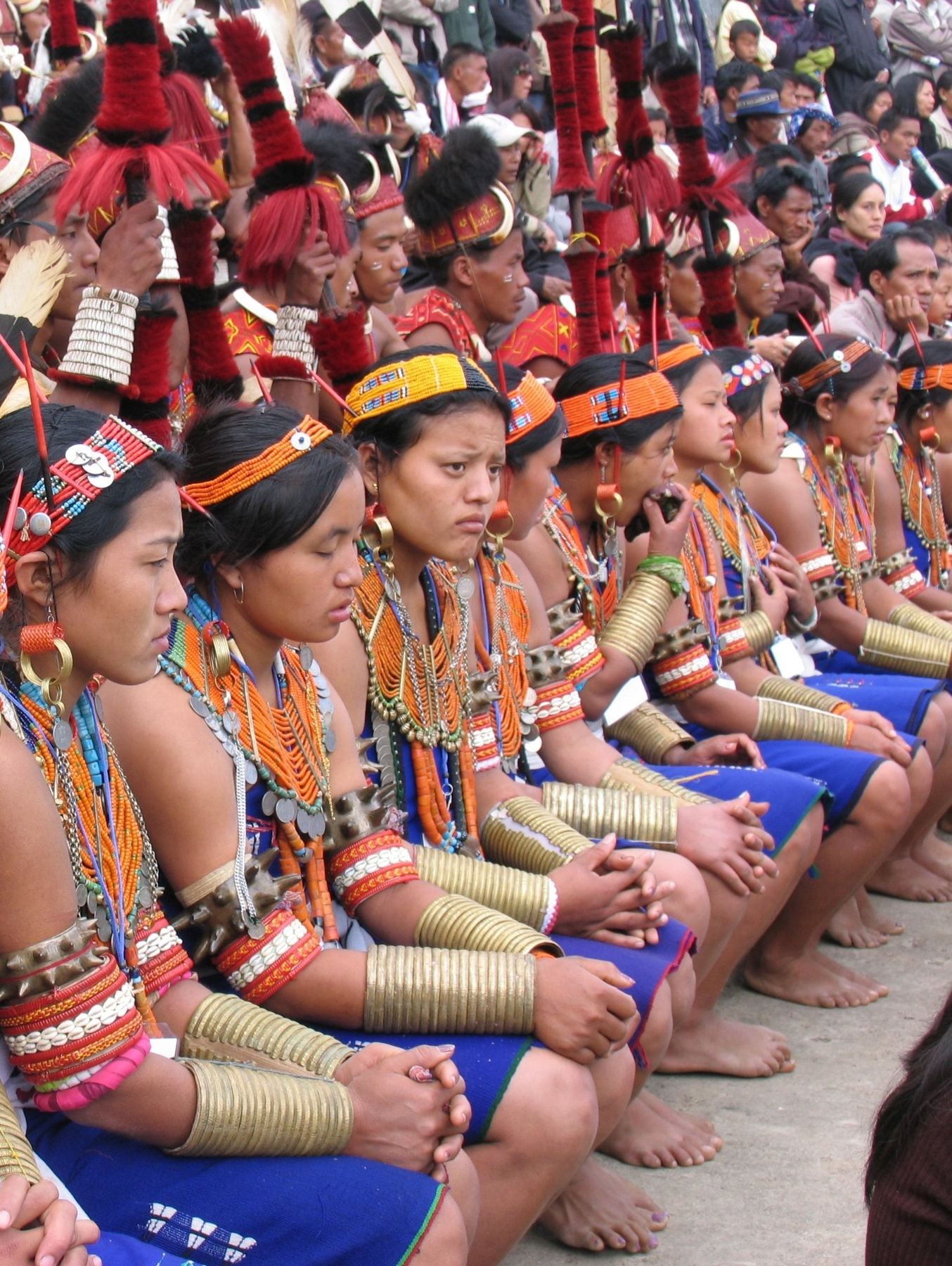
Mornings begin in the morungs. Each tribe's enclosure operates as a hosted welcome point — rice beer, smoked meat, ceremonial dress, and unhurried conversation if you have a guide who can introduce you. Mid-mornings move to the central arena for warrior dances, log-drum performances, indigenous games and the chilli-eating contest that gets the international press. Afternoons run cultural performances and craft demonstrations. Evenings move into the WW2-themed rock concert and Hornbill Night Carnival in Kohima town. Days two through six (2–6 December) hold the strongest performance windows; the opening and closing days are ceremonial and quieter. Our private Hornbill Festival package targets that core window with morning morung access pre-arranged through cultural guides who grew up in the tribes you are visiting.

Hornbill is the panorama. Aoling, Chalo Loku and Wangala are where the panorama becomes a portrait.

Aoling — Konyak New Year in Mon district

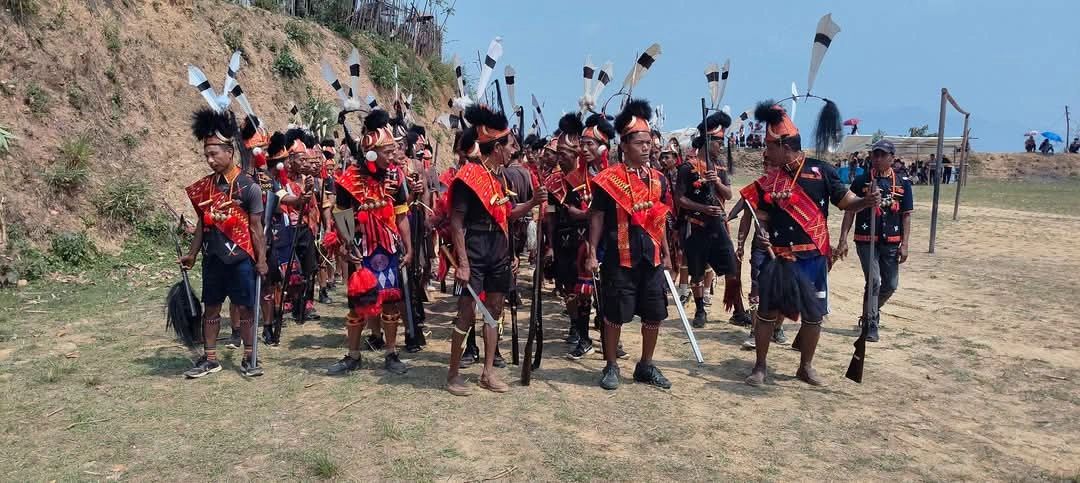
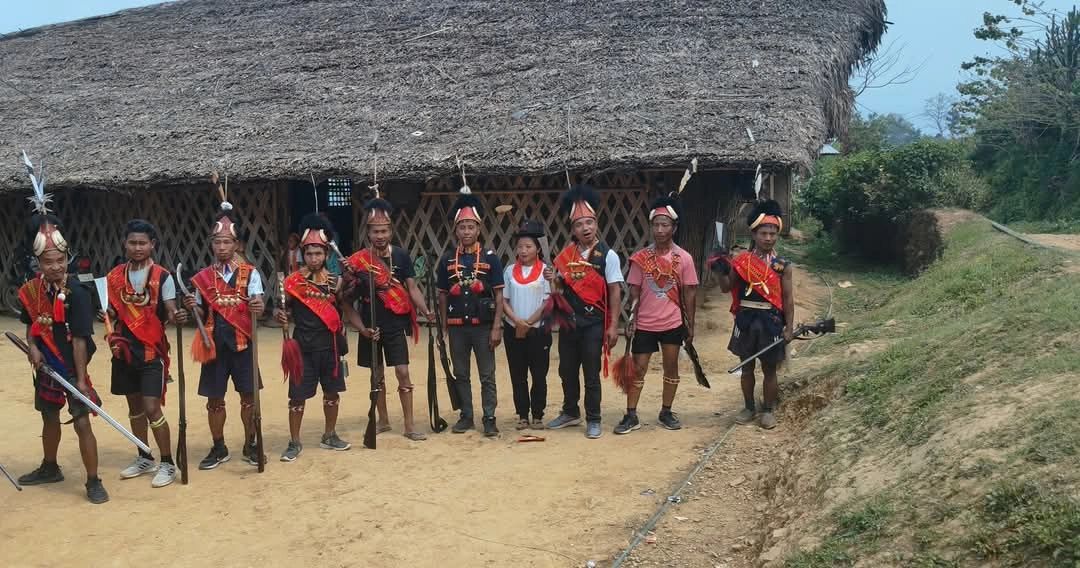
If Hornbill is the festival you have heard of, Aoling is the festival you should plan a second trip around. Held 1–6 April every year in the Konyak heartland of Mon district, Aoling marks the Konyak New Year and the start of the agricultural cycle. It is celebrated in the home villages — Tangnyu, Mopong, Longwa and others — rather than on a festival ground. Warrior dances, log-drum lines, pork feasting, rice-beer hospitality and ancestral songs run for three days, with the last generation of tattooed Konyak elders still presiding. Our field journal from Aoling at Tangnyu is the closest written account we publish.

Chalo Loku — Nocte harvest in Tirap

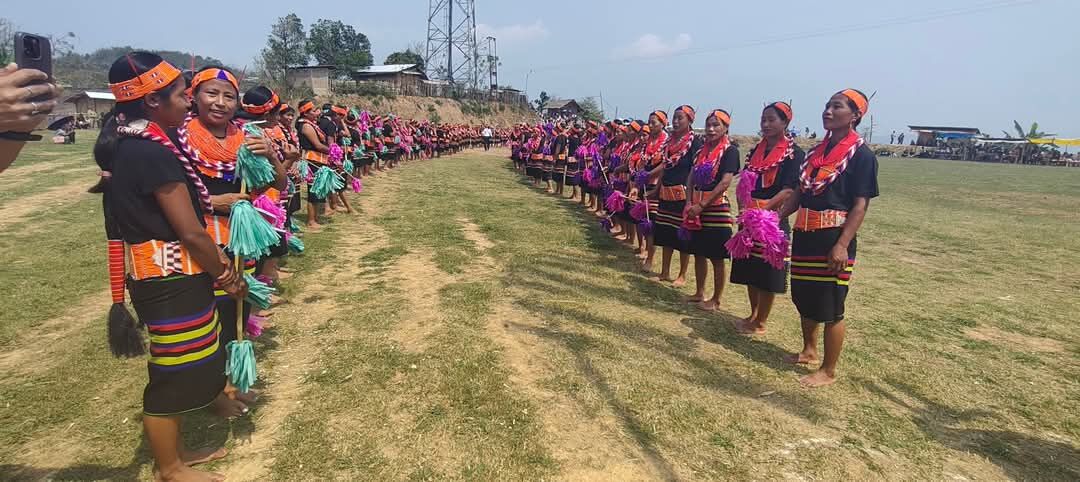
Around 25 November every year, the Nocte tribe of Tirap district in Arunachal Pradesh — adjacent to the Nagaland border — celebrates Chalo Loku, one of the most visually striking harvest festivals we cover. A sea of red traditional attire, rhythmic drumbeats, ancestral songs and community feasts mark three days of celebration in the hills around Khonsa, four hours from Dibrugarh. The festival sits firmly outside mainstream tourism, accommodation is limited, and the village-level access we hold has been built over years. Our Chalo Loku field piece documents the 2024 gathering.

Other festivals worth planning around

Beyond the three above, the Northeast festival calendar runs almost year-round. Myoko of the Apatani (Ziro, March) is a deeply ritual seven-day cycle restricted to specific villages on rotation. Mopin of the Galo (early April, West Siang) celebrates the harvest with white-rice-flour blessings. The Wangala 100-Drum Festival of the Garo (Meghalaya, November) is the only festival in Northeast India built around a hundred simultaneous drums. Sangken in Khampti country (Lohit, April) is a water-blessing Theravada Buddhist festival. Ziro Music Festival (September) is the contemporary outlier — an indie music gathering set in the Apatani rice fields. We build private journeys around all of these and our seasonal itineraries hub is structured month-by-month for exactly this reason.

How to plan and book a festival journey

Hornbill accommodation in Kohima and Khonoma books out by August for December — we pre-block boutique inventory in July. Aoling village hosting in Mon requires direct village-level introductions and limited boutique-rustic accommodation. Chalo Loku in Khonsa similarly relies on a small number of homestays. Plan minimum eight days for Hornbill, seven for Aoling, six for Chalo Loku — and longer if you want to combine. For breadth, see our Nagaland tribal expeditions hub and our Arunachal cultural journeys hub; for depth on the Konyak heartland specifically, see Mon and Longwa cultural tours.
01

What happens at the festival

Mornings begin in the morungs — each tribe's traditional youth dormitory — with hosts, rice beer and quiet conversation. Mid-mornings shift to the central arena for warrior dances, log-drum performances, indigenous games and the chilli-eating contest. Afternoons run cultural performances; evenings move into the WW2-themed rock concert in Kohima town.

02

The best days to attend

Days 2 to 6 (2–6 December) are the strongest performances. The opening (1 December) is ceremonial; the closing (10 December) tends to be quieter. Our private departures target days 1 to 8 with arrival and Khonoma extensions.

03

Where to stay

Kohima boutique stays book six to nine months ahead. Heritage Touphema cottages, Khonoma village homes and a small handful of new boutique hotels in Kohima are the best inventory. We pre-block these by August for December departures.

04

Photography & access

Press passes are not required for general entry. The morungs at first light and the warrior performances at noon are the strongest photo windows. We work with local cultural guides who facilitate respectful portraits and access to elders.

05

How to book a Hornbill Festival package

Six to nine months ahead is ideal — by July at the latest for December. Our private Hornbill Festival package combines Kisama days with Khonoma village stays, Kohima WWII walks and optional Mon/Konyak extensions.

Featured photography

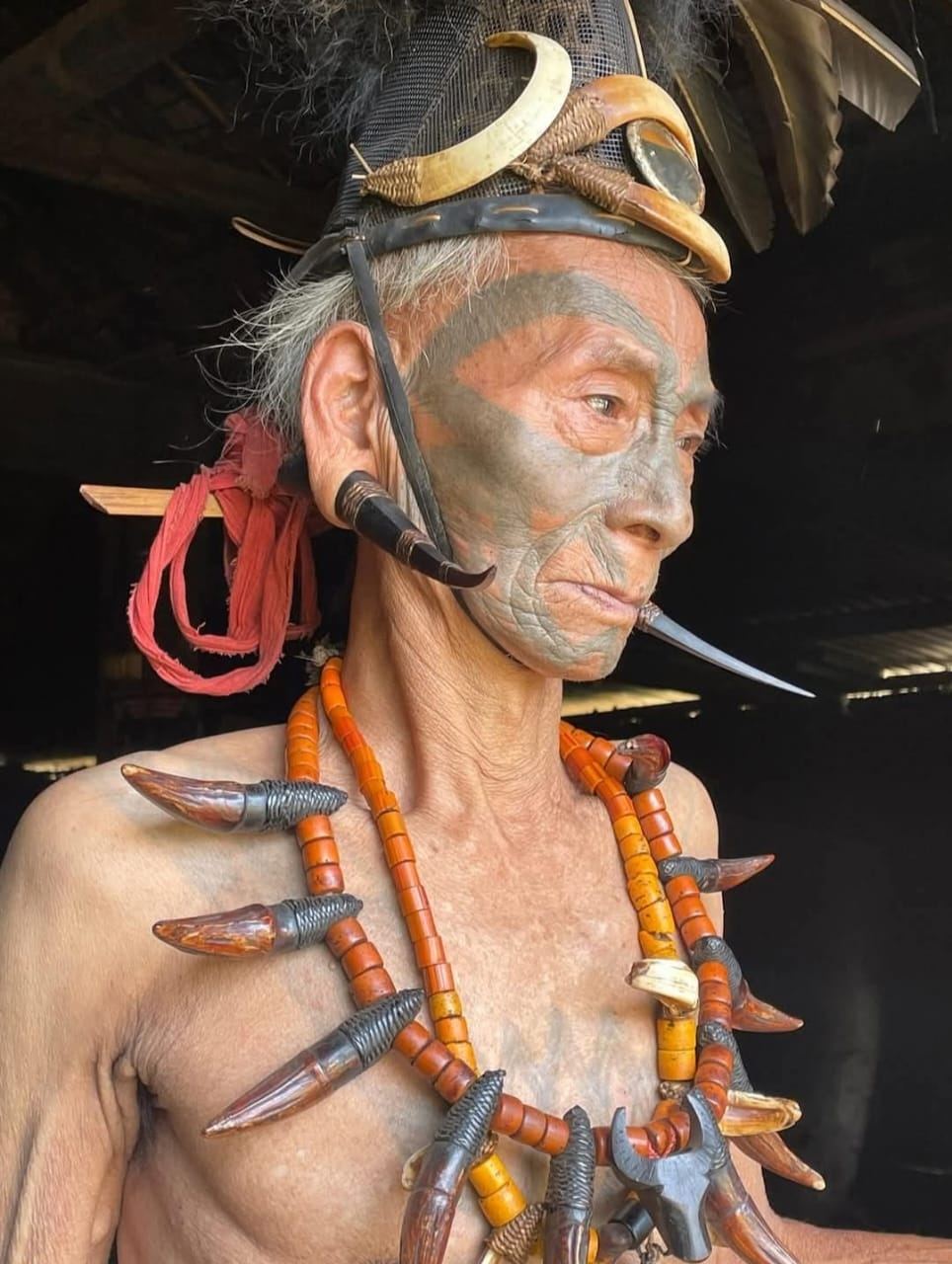
Konyak warrior in ceremonial dress, Nagaland festival
Konyak warrior dress · Aoling, Mon
Aoling festival drummers at first light, Tangnyu village
Drumlines at first light
Chalo Loku Festival, Khonsa, Nocte tribe
Chalo Loku · Nocte country, November
Nocte men in red ceremonial dress, Chalo Loku
Nocte red dress · Khonsa
Konyak elders at Aoling Festival, Tangnyu village
Elders at Aoling · Tangnyu
Ceremonial portrait at Aoling Festival, Mon, Nagaland
Konyak portrait, Mon district

Related topics

Specialist Journeys · Nagaland

Nagaland Tribal Expeditions

Nagaland is not a single culture. It is seventeen major tribes, each with its own language, dress, architecture and history — Konyak, Angami, Ao, Sumi, Lotha, Chakhesang, Phom, Chang, Sangtam, Yimkhiung and more. Our Nagaland expeditions are private, slow and built on the village-level relationships our team has carried for over a decade.

Specialist Journeys · Konyak Country

Mon and Longwa Cultural Tours

Mon district, in the far north-east of Nagaland on the Myanmar border, is the heartland of the Konyak Nagas — the warrior tribe whose tattooed elders are the last living generation of practising headhunters. Longwa village famously sits on the international border, with the Angh's longhouse split between India and Myanmar. Our Mon journeys are private, deeply pre-arranged and accompanied throughout by Konyak-speaking field guides.

Specialist Journeys · Arunachal

Arunachal Pradesh Cultural Journeys

Arunachal Pradesh is India's largest, least-travelled and most culturally diverse state — twenty-six major tribes and over a hundred sub-tribes living across the eastern Himalaya from the Bhutan border to Myanmar. Living Roots Expeditions has worked in Arunachal since our earliest seasons; our specialist cultural journeys move slowly through Monpa, Apatani, Idu Mishmi, Nyishi and Nocte country with field guides drawn from each community.

Specialist Journeys · Photography

Photography Tours in Northeast India

Photography journeys are how Living Roots Expeditions began. Our trips are designed around dawn light, festival rhythm, monastery prayer cycles and animal activity — not around how many sites a day. Private vehicles, naturalist or cultural guides who hold access, and itineraries built by photographers for photographers.

Specialist Reference · Cultures

Indigenous Cultures of Northeast India

Northeast India is the most culturally dense region of the country — over 200 distinct indigenous communities speaking more than 220 languages across eight states. This reference page is our specialist overview of who lives where, what they hold, and how to travel through their homelands with care.

Specialist Journeys · Culture

Northeast India Cultural Tours

Living Roots Expeditions is a specialist destination management company built for travellers who come to Northeast India for its people. We design slow, private cultural journeys with the families, elders, weavers, monks, hunters and farmers we have worked with for over a decade — not staged performances, not bus-load itineraries.

Frequently asked

When exactly is the Hornbill Festival held?

Every year from 1 to 10 December, at Kisama Heritage Village, 12 km south of Kohima in Nagaland. Days 2 to 6 hold the strongest cultural performances; days 1 and 10 are ceremonial. Our private Hornbill departures typically run 1 to 8 December with optional Mon and Khonoma extensions.

How far in advance do I need to book a Hornbill Festival trip?

Six to nine months ahead is ideal — by July at the latest for December. Kohima boutique hotels and Khonoma village homestays book out by August, and we pre-block inventory in July to guarantee placements. Last-minute Hornbill bookings (October onwards) often end up in lower-grade accommodation outside the city, which significantly weakens the experience.

Are there other Northeast India festivals worth planning around?

Yes — several. Aoling (Konyak New Year, 1–6 April, Mon district, Nagaland) is the most intimate and culturally intense. Chalo Loku (Nocte harvest, around 25 November, Tirap, Arunachal) is the visually striking sea-of-red celebration. Wangala (Garo 100-Drum Festival, November, Meghalaya), Myoko (Apatani, March, Ziro), and Mopin (Galo, April) round out the strongest calendar. The Ziro Music Festival (September) is the contemporary indie-music outlier.

Can I attend Hornbill on my own, or do I need a tour operator?

Independent entry to the Kisama festival grounds is straightforward — no press pass required for general admission. What a specialist operator adds is morung-level access (cultural guides who introduce you inside specific tribe enclosures), pre-booked accommodation in Kohima or Khonoma (which would otherwise be unavailable), private transport (Kohima traffic during Hornbill is severe), and curated photography windows at first light and last light. Most international travellers we host had originally planned to do Hornbill independently and re-routed via Living Roots.

Is Hornbill photography-friendly?

Yes, extraordinarily so. The morungs at first light and the warrior performances at noon are the strongest windows. Press credentials are not required for general photography. We work with cultural guides who facilitate respectful portraits and access to tribal elders. We have hosted journeys for Condé Nast Traveller, National Geographic Traveller, Lonely Planet and Sanctuary Asia photographers.

Plan a Private Journey
Email Us