Jampui Hills
Home to Tripura's Mizo community and its fabled orange orchards, this range offers a cultural and ecological experience unlike any other in the state.
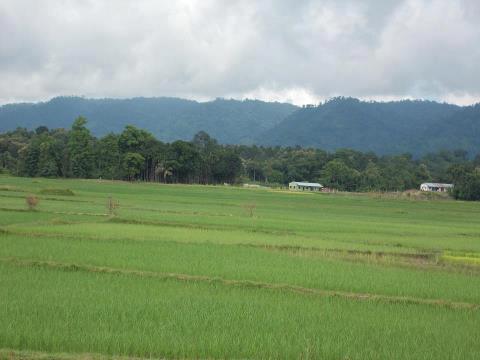
The air shifts on the final ascent. As the road corkscrews up from the plains of North Tripura, the humidity gives way to a cool, clean breeze that carries the scent of damp earth and woodsmoke. This is the welcome of the Jampui Hills, a compact range that forms a natural border with Mizoram. Far from the political and commercial centers of Tripura, this region feels like another state entirely—a cultural island of the Mizo people, defined by their Christian faith, distinct language, and a deep, complicated relationship with the oranges that made their home famous.
History & Context
The hills, often called the 'eternal hills of spring' for their pleasant climate, have been the adopted home of Mizo communities for over two centuries. Migrating from the Lushai Hills of what is now Mizoram, they established villages governed by their own chiefs. British colonial administration formally recognized their settlement, and the region has since retained its unique Mizo identity within Bengali-majority Tripura. This heritage is visible everywhere: in the tidy, well-kept villages, the central role of the church in community life, and the Mizo language that is spoken exclusively. The largest village, Vanghmun, serves as the administrative and cultural hub for the handful of other settlements scattered along the ridge.
What Makes It Distinctive
For decades, the name Jampui was synonymous with oranges. The region's unique microclimate and soil produced famously sweet and juicy fruit, making it a cornerstone of the local economy. However, the true story is more complex than a simple postcard image. In recent decades, a combination of crop disease (notably the Citrus Tristeza Virus) and the impacts of climate change led to a catastrophic decline in orange production. What makes a visit so compelling now is witnessing this story of ecological challenge and community resilience. While the orchards are not what they once were, efforts are underway to revive cultivation with disease-resistant saplings. The annual Orange & Tourism Festival, held in November, has evolved from a celebration of harvest to a symbol of this determined hope. It is this living history—not just the views—that sets the place apart.
Best Time to Visit
- October – February: This is the ideal window. The monsoon has passed, leaving the hillsides lush and green. Skies are generally clear, offering spectacular sunrises and sunsets from viewpoints like Betlingchip. The weather is cool and pleasant, perfect for walking. November is the highlight, with the Orange & Tourism Festival providing a vibrant glimpse into Mizo culture.
- March – April: The weather remains pleasant, though it begins to get warmer. It's a good time for travel before the heat of the lowlands becomes intense.
- May – September: The monsoon season brings heavy and consistent rainfall. Travel can be difficult and uncomfortable due to slippery roads and the risk of landslides. This period is best avoided.
How to Reach
- By Air: The nearest airport is Maharaja Bir Bikram Airport (IXA) in Agartala, located approximately 200 km away. From the airport, you must travel by road.
- By Rail: The closest major railway station is Dharmanagar (DMR), about 75 km from the main village of Vanghmun. Dharmanagar is well-connected to Agartala and other parts of India like Guwahati and Kolkata. Some passenger trains may also stop at Kanchanpur, which is slightly closer.
- By Road: From Agartala, it is a 6-7 hour drive. A more common route is to take a train or bus to Dharmanagar. From Dharmanagar, shared jeeps or private hire vehicles are available for the final, steep 75 km journey to Vanghmun, which takes around 3-4 hours due to road conditions.
Permits & Entry
- Indian Citizens: No Inner Line Permit (ILP) is required to visit any part of Tripura, including the Jampui Hills.
- Foreign Nationals: No Protected Area Permit (PAP) or Restricted Area Permit (RAP) is required for foreigners to visit the main tourist areas of Tripura, including Jampui.
Nearby Attractions
- Betlingchip (Thaidawr): At approximately 975 meters, this is the highest peak in Tripura. A short trek leads to a viewpoint offering panoramic views across the hills and valleys into neighbouring Mizoram and Bangladesh on a clear day.
- Vanghmun Village: The largest and most accessible village in the hills. It's the best place to find homestays, understand local Mizo life, and visit the century-old church.
- Unakoti: Located about 90 km from Dharmanagar, this ancient Shaivite pilgrimage site features massive rock-cut carvings and stone images. It's a significant archaeological site and can be combined with a trip to the hills.
- Dharmanagar: The entry town to the region, it has bustling markets and serves as the primary transport hub for accessing the hills.
Traveller Tips
- Carry sufficient cash. There are no reliable ATMs in the hills; the last dependable ones are in Dharmanagar or Kanchanpur.
- Mobile connectivity is extremely limited. BSNL has the best chance of sporadic service. Do not expect internet access.
- Book accommodation in advance, especially around the November festival. Options are limited to a few government-run tourist lodges and a growing number of family-run homestays.
- The local culture is conservative and deeply religious. Dress modestly, particularly if you plan to visit a church or are invited into a home.
- Always ask for permission before photographing people. A simple smile and a gesture go a long way.
- Learn a few basic Mizo phrases. "Chibai" (Hello/Greetings) is a warm and appreciated gesture.
- Homestay food is a highlight. Be open to trying Mizo dishes, which often feature pork, chicken, bamboo shoots, and locally grown vegetables.
- Roads leading up the hills can be rough and winding. If you are prone to motion sickness, take precautions.
Frequently asked
Related
Plan Your Journey with Living Roots Expeditions
Travel Northeast India with a private guide, hand-picked hosts, and an itinerary shaped around your interests — culture, wildlife, festivals, or slow discovery. If this subject is why you are travelling, see our Northeast India tour packages.