Kra Daadi district
A remote and recently-formed district in central Arunachal Pradesh, homeland of the Nyishi tribe
Introduction
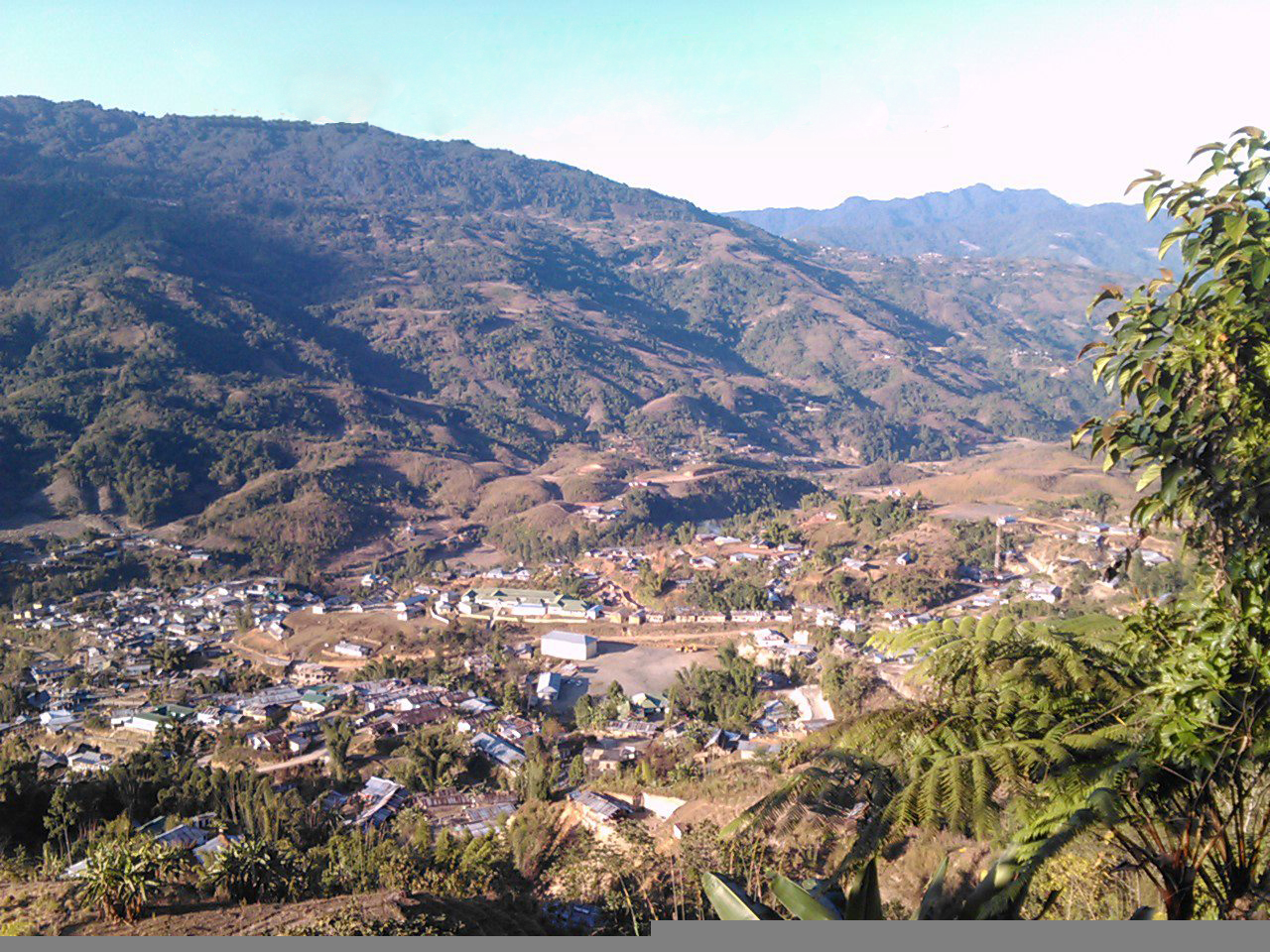
Kra Daadi is a district in the central part of Arunachal Pradesh, India. Formed in 2015, it is one of the state's newest administrative units. The district is characterized by its rugged, mountainous terrain, dense forests, and vibrant culture, dominated by the Nyishi people. The permanent district headquarters is designated as Jamin, although administrative functions are currently carried out from a temporary headquarters at Palin, which is also the largest town in the area.
History and Formation
Kra Daadi district was officially inaugurated on February 7, 2015, by the then Chief Minister of Arunachal Pradesh, Nabam Tuki. It was created by bifurcating the Kurung Kumey district, a long-standing demand of the local population to bring administration closer to the people in this remote region. The creation was formalized under the Arunachal Pradesh (Re-organization of Districts) (Amendment) Act. The name "Kra Daadi" is derived from the names of two local deities.
Geography and Climate
Located in the Eastern Himalayas, Kra Daadi is a land of steep hills and narrow valleys. The district covers an area of approximately 2,202 square kilometers. It is bordered by Kurung Kumey district to the west and north, Upper Subansiri district to the east, and Papum Pare district to the south. The region's topography is challenging, with limited flat land, making agriculture and infrastructure development difficult. Numerous small rivers and streams, which are tributaries of the major river systems like the Kurung and Subansiri, crisscross the landscape.
The climate is largely influenced by altitude. The lower valleys experience a humid subtropical climate, while higher elevations have a temperate or even alpine climate. The monsoon season, from May to September, brings heavy rainfall, which often triggers landslides and disrupts road connectivity.
Administrative Divisions
For administrative purposes, Kra Daadi district is divided into eight circles: Palin, Jamin, Yangte, Chambang, Tarak Langdi, Gangte, Tali, and Pipsorang. The district falls under two Assembly Constituencies of the Arunachal Pradesh Legislative Assembly: 20-Tali (ST) and 21-Palin (ST).
Demographics and Culture
According to the 2011 Census data for the areas that now form the district, the population is 22,290. The district is almost entirely inhabited by the Nyishi tribe, one of the largest ethnic groups in Arunachal Pradesh. The principal language spoken is Nyishi.
The Nyishi are known for their rich cultural heritage and strong community bonds. Traditionally, they lived in longhouses (Namlo), which could house an entire extended family. While this practice is becoming less common, the social structure remains deeply rooted in a clan system. The men's traditional attire often includes a distinctive headdress decorated with a hornbill beak, symbolizing their status and bravery, though this is now mostly ceremonial.
Nyokum Yullo is the most important festival of the Nyishi people, celebrated with great fervor in February. It is a pre-harvest festival dedicated to the goddess Nyokum for a bountiful harvest, prosperity, and harmony for all humankind.
Economy and Livelihood
The economy of Kra Daadi is primarily agrarian and based on subsistence farming. The traditional method of cultivation is Jhum (slash-and-burn agriculture), with rice being the main crop. People also grow maize, millet, and various local vegetables. Horticulture is gradually gaining ground, but the potential is limited by a lack of market access and infrastructure. The remoteness and challenging terrain are significant impediments to economic development.
Tourism and Accessibility
Kra Daadi is an off-the-beaten-path destination that offers a raw, unfiltered experience of rural Arunachal Pradesh. Tourism is in a nascent stage and primarily attracts intrepid travelers, anthropologists, and those seeking authentic cultural immersion. The primary attractions are the pristine natural beauty and the opportunity to experience Nyishi culture.
Accessibility is a major challenge. The district is connected by road, but the journey can be arduous, especially during and after the monsoon season. There are no airports or railway stations within the district; the nearest major airport is in Hollongi (Donyi Polo Airport) and the nearest railway station is in Naharlagun, both several hours' drive away. All visitors require special permits: an Inner Line Permit (ILP) for Indian citizens and a Protected Area Permit (PAP) for foreign nationals.
Frequently asked
Related
Plan Your Journey with Living Roots Expeditions
Travel Northeast India with a private guide, hand-picked hosts, and an itinerary shaped around your interests — culture, wildlife, festivals, or slow discovery. If this subject is why you are travelling, see our Northeast India tour packages.