Majuli district
Discovering the Cultural Heart of the Brahmaputra
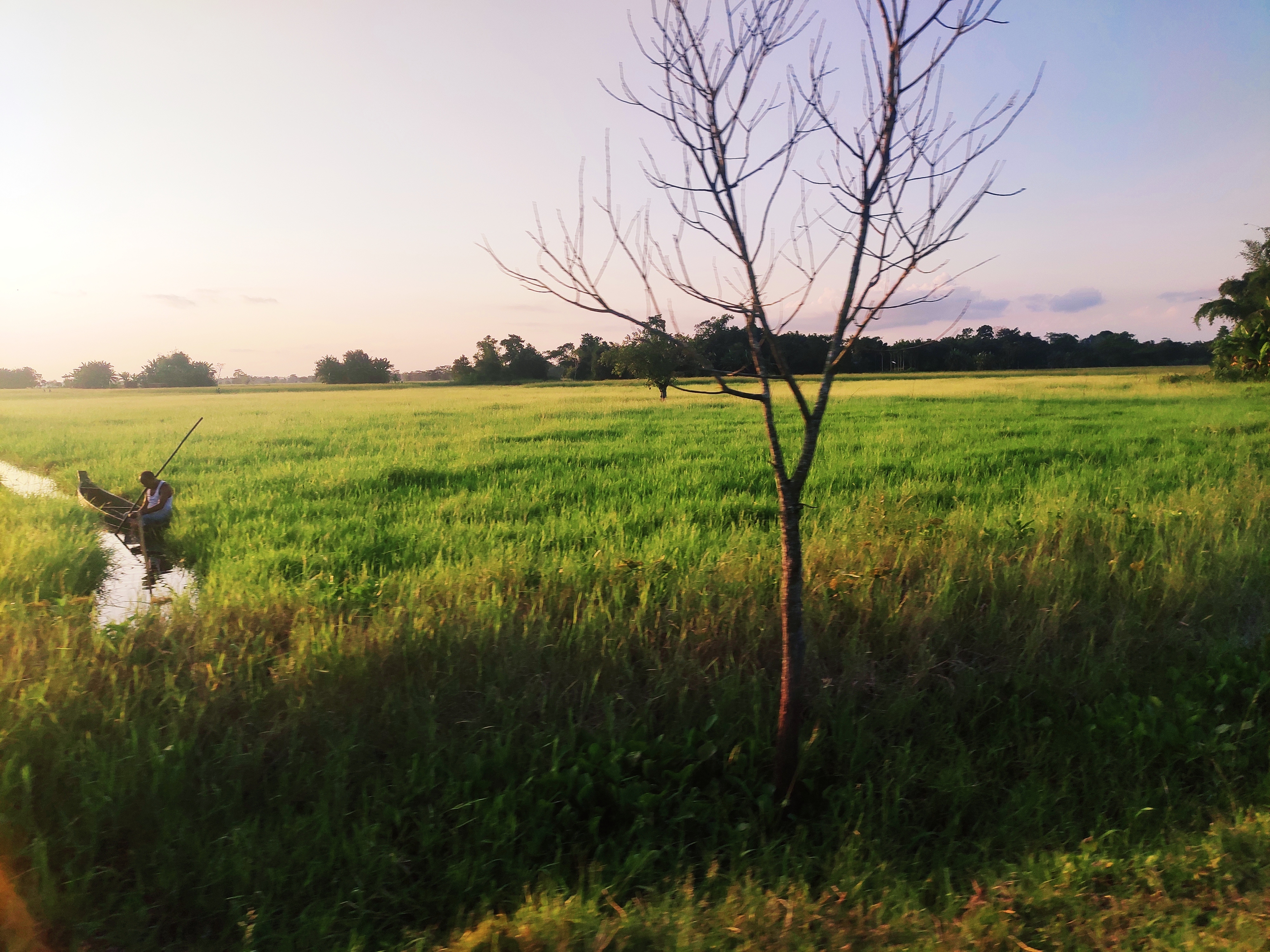
Majuli emerges from the vastness of the Brahmaputra, not as a static landmass, but as a dynamic, living entity shaped by the annual rhythm of the river. Its shores, constantly eroded and rebuilt, host a distinctive cultural landscape, primarily recognized as a major center for Neo-Vaishnavism. The island's existence is a testament to both the creative and destructive forces of nature, making it a unique geographical and spiritual destination.
History & Context
The history of the island is deeply intertwined with Assam's religious and cultural renaissance. In the 15th century, the revered saint Srimanta Sankardeva established the first satra (monastery) here, ushering in the Neo-Vaishnavite movement that spread throughout Assam. These satras became centers for religious learning, art, and performance, fostering a distinct Assamese identity. Originally a large, continuous landmass, Majuli began to fragment and reduce in size due to frequent flooding and river course changes, particularly exacerbated by the 1950 Assam earthquake. Despite the geographical challenges, the satras have persevered, maintaining a continuous lineage of religious practice, classical dance forms like Sattriya, and traditional crafts.
What Makes It Distinctive
What truly sets Majuli apart is the living tradition of its satras. More than just monasteries, these institutions are vibrant cultural hubs. They house celibate monks (bhakats) who dedicate their lives to studying the Vaishnavite scriptures, performing traditional music and drama (Bhaona), and preserving ancient art forms like mask-making. The mask-making tradition, specifically, is a striking example of their artistry. Crafted from bamboo, clay, and cloth, these expressive masks are used in Bhaona performances, depicting characters from Hindu epics. Each satra often specializes in a particular art form or practice; for instance, Samaguri Satra is renowned for its mask-making, while Auniati Satra is known for its collection of traditional Assamese artefacts and the Paal Naam festival. Beyond the satras, the island is also home to the Mising tribe, an indigenous community known for their distinct stilt houses, hand-woven textiles, and a deep connection to the riverine environment. Their traditional fishing techniques and agricultural practices, adapted to the changing river, offer another layer of cultural distinctiveness rarely found elsewhere.
Best Time to Visit
The cooler, drier months from October to March are ideal for visiting. During this period, the Brahmaputra’s waters recede, allowing easier access and more stable ground for exploring. The weather is pleasant, with clear skies and comfortable temperatures ranging from 10°C to 25°C. November is particularly vibrant as it often coincides with the Ras Mahotsav, a significant five-day festival celebrating the life of Krishna, featuring theatrical performances and devotional songs at the satras. The monsoon season, from June to September, brings heavy rainfall and a significant rise in the river level, often leading to disruptions and making travel challenging.
How to Reach
The most common approach to Majuli involves a ferry crossing from Nemati Ghat near Jorhat. The nearest airport is Jorhat Airport (JRH), approximately 20 km from Nemati Ghat. Flights connect Jorhat to major Indian cities like Kolkata and Guwahati. The nearest major railhead is Jorhat Railway Station (JTT), which has connections to Guwahati and other parts of Assam. From Jorhat town, local transport (auto-rickshaws, taxis) is available to Nemati Ghat. The ferry journey across the Brahmaputra takes approximately 1.5 to 2 hours, depending on the river conditions. Visitors should note that ferry timings can vary and are often dependent on daylight hours and weather.
Permits & Entry
For Indian citizens and foreign nationals, no special permits like an Inner Line Permit (ILP) or Protected Area Permit (PAP) are required to visit Majuli. Visitors are free to explore the island, including the satras. Entry to most satras is free, though donations are welcome for maintenance. Some satras may have specific timings for visitors, particularly during prayer hours, so it is advisable to be respectful and inquire locally upon arrival.
Nearby Attractions
- Jorhat Tea Gardens: Explore vast tea estates and learn about the tea manufacturing process, just across the river from Majuli.
- Gibbon Wildlife Sanctuary: About 40 km from Jorhat, this sanctuary is known for its population of hoolock gibbons, India's only ape species.
- Sivasagar: A historic town approximately 100 km from Majuli, famous for its grand Ahom-era monuments like Rang Ghar, Talatal Ghar, and Shiva Dol.
- Kaziranga National Park: A UNESCO World Heritage Site, about 100 km southwest, renowned for its one-horned rhinoceros population.
Traveller Tips
- Cash is King: ATMs are scarce and unreliable on the island; carry sufficient cash for all expenses, including transport, food, and any souvenir purchases.
- Ferry Schedule: Ferries to and from Nemati Ghat operate during daylight hours only. Arrive well in advance, as they can be crowded and departure times are sometimes flexible.
- Respectful Attire: When visiting satras, dress modestly, covering shoulders and knees. Remove shoes before entering prayer halls or specific sacred areas.
- Local Transport: Bicycles and scooters are excellent ways to explore the island. Shared auto-rickshaws and hire cars are available but less frequent.
- Connectivity: Mobile network coverage (especially for data) can be intermittent and weak across the island.
- Support Local Crafts: Consider purchasing masks, pottery, or hand-woven textiles directly from the artisans to support their livelihoods and traditional art forms.
- Patience with Infrastructure: Roads can be unpaved and uneven, particularly outside the main villages. Embrace the slower pace of life.
Frequently asked
Related
Plan Your Journey with Living Roots Expeditions
Travel Northeast India with a private guide, hand-picked hosts, and an itinerary shaped around your interests — culture, wildlife, festivals, or slow discovery. If this subject is why you are travelling, see our Northeast India tour packages.