Namsai district
Arunachal Pradesh's Tai Khamti Heartland
Beyond the plains of Assam, where the Lohit River carves its path into the hills of Arunachal Pradesh, lies Namsai, a district characterized by its serene landscape of golden paddy fields, verdant forests, and a spiritual ethos anchored in Theravada Buddhism. It presents a distinct cultural texture different from the animist and tribal traditions often associated with other parts of the state, offering a glimpse into the life of the Tai Khamti and Singpho communities.
History & Context
Namsai was carved out of Lohit district as an independent administrative entity on November 25, 2014, making it one of Arunachal Pradesh's newer districts. Its formation aimed to streamline administration and ensure equitable development for its geographically distinct communities. The region has a long history intertwined with the migration of Tai-speaking people from Southeast Asia, particularly the Tai Khamti, who settled here centuries ago, bringing with them Theravada Buddhist practices, sophisticated agricultural techniques, and a distinct script. The Singpho people, known for their tea cultivation practices, also form a significant historical and cultural presence in the district, contributing to its diverse heritage.
What Makes It Distinctive
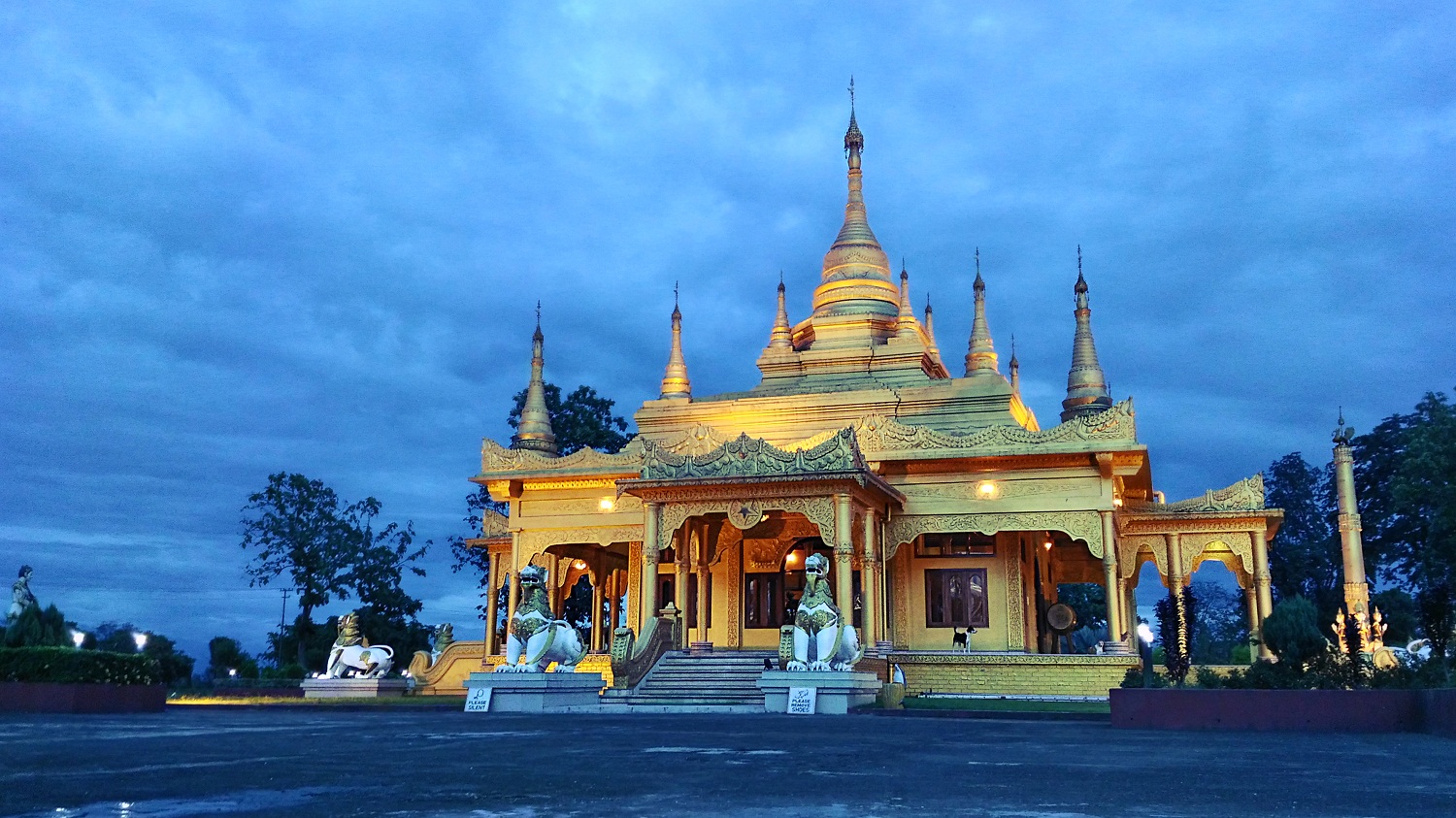
Namsai stands out primarily for its strong Theravada Buddhist identity and the presence of the Tai Khamti and Singpho communities. Unlike much of Arunachal Pradesh, which observes Donyi-Polo or various animist traditions, Namsai is home to numerous Buddhist monasteries, with the Golden Pagoda (Kongmu Kham) at Tengapani being its most iconic symbol. This magnificent structure, built in the Burmese style, houses relics of the Buddha and serves as a significant pilgrimage site and a center for Buddhist learning. The district is also known for its traditional Tai Khamti weaving, characterized by intricate geometric patterns and vibrant colours, often using natural dyes. The Tai Khamti language, with its unique script, is actively preserved and taught, setting it apart from other linguistic landscapes in the state.
Best Time to Visit
The climate in Namsai is subtropical, with a distinct monsoon season. The ideal period to visit is from October to March. During these months, the weather is cool and dry, with clear skies, making it comfortable for sightseeing and outdoor activities. Temperatures typically range from 10°C to 25°C. November offers post-monsoon lushness, while February and March bring pleasant, spring-like conditions before the onset of summer heat and humidity.
How to Reach
Namsai is well-connected by road.
- By Air: The nearest airport is Dibrugarh (DBR) in Assam, approximately 120 km away. From Dibrugarh Airport, Namsai can be reached via a taxi or private vehicle in about 3 hours.
- By Rail: The nearest major railway station is Tinsukia Junction (TSK) in Assam, approximately 100 km from Namsai. Another option is New Tinsukia Junction (NTSK). Taxis and shared vehicles are available from the station to Namsai, with an estimated travel time of 2.5 to 3 hours.
- By Road: Namsai is accessible by road from key towns in Assam and Arunachal Pradesh. From Dibrugarh, the route typically passes through Dirak and Rupai. The roads are generally in good condition.
Permits & Entry
For Indian citizens, an Inner Line Permit (ILP) is mandatory to enter Arunachal Pradesh, including Namsai district. ILPs can be obtained online through the Arunachal Pradesh government portal or in person from Resident Commissioner/Deputy Resident Commissioner offices in major cities like Delhi, Kolkata, Guwahati, and Shillong. For foreign nationals, a Protected Area Permit (PAP) is required. PAPs can be obtained through registered tour operators or the Home Ministry. It is advisable to apply for permits well in advance of your travel date. Information on fees and processing times is not officially published and may change; visitors are advised to confirm locally before travelling.
Nearby Attractions
- Golden Pagoda (Kongmu Kham), Tengapani: A stunning example of Burmese architecture and a significant Buddhist pilgrimage site.
- Parshuram Kund: A sacred Hindu pilgrimage site located on the Lohit River, known for its annual Makar Sankranti Mela (approx. 2-3 hours drive).
- Mahadevpur: Known for its ancient Shiva Temple and a cultural hub for the Assamese community within the district.
- Lohit River banks: Offers serene spots for relaxation and enjoying the riverside landscape.
Traveller Tips
- Connectivity: Mobile network coverage (Jio, Airtel) is generally available in Namsai town but can be sporadic in remote areas.
- ATMs: ATMs are available in Namsai town, but it's always advisable to carry sufficient cash, especially when venturing to smaller villages.
- Dress Code: While casual wear is acceptable, modest clothing is appreciated, particularly when visiting monasteries or local homes.
- Local Transport: Shared taxis and auto-rickshaws are common for short distances within Namsai town and to nearby villages.
- Food: Sample local Tai Khamti cuisine, which emphasizes rice, fresh vegetables, fish, and unique herbs. Try khaolam (sticky rice cooked in bamboo) and traditional smoked meats.
- Photography: Always ask for permission before photographing people, especially in religious sites or private residences.
- Respect Culture: Remove your footwear before entering monasteries and avoid pointing with your feet. Participate respectfully in local customs if invited.
- Stay Hydrated: Even in cooler months, it's essential to drink plenty of water, especially if exploring outdoors.
Frequently asked
Related
Plan Your Journey with Living Roots Expeditions
Travel Northeast India with a private guide, hand-picked hosts, and an itinerary shaped around your interests — culture, wildlife, festivals, or slow discovery. If this subject is why you are travelling, see our Northeast India tour packages.