Sepahijala district
Tripura's Green Heart: Ecology and Local Life in Sepahijala
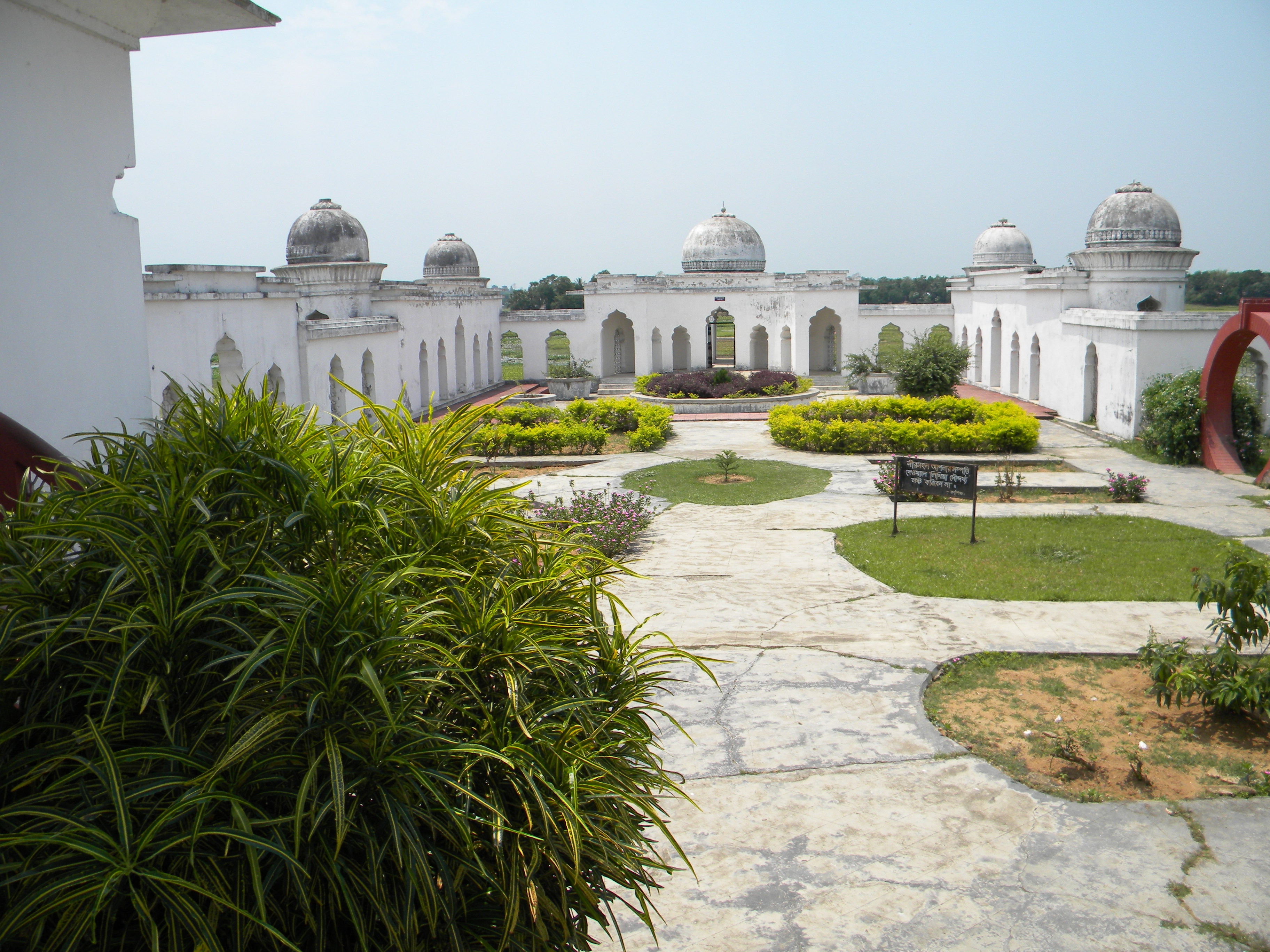
Sepahijala district, situated in the western part of Tripura, unfolds a landscape characterized by undulating hills, serene water bodies, and significant biodiversity. The district's most prominent feature is the Sepahijala Wildlife Sanctuary, a sprawling protected area that serves as a vital ecological lung for the region. Beyond its natural allure, the district is shaped by a blend of agricultural practices, local markets, and communities whose rhythms are closely tied to the environment.
History & Context
Sepahijala district was carved out of the larger West Tripura district on January 21, 2012, as part of an administrative reorganization aimed at bringing governance closer to the populace and fostering more focused development. The district's name is derived from the Sepahijala Wildlife Sanctuary, which predates the district's formation. Historically, the area has been inhabited by various indigenous communities, including the Tripuri, Reang, and Chakma, contributing to a rich tapestry of cultural traditions and subsistence practices. The region's history is intertwined with the broader narrative of the Kingdom of Tripura, which maintained its sovereignty for centuries before its accession to the Indian Union in 1949.
What Makes It Distinctive
What truly sets Sepahijala apart is its concentrated effort in eco-tourism and wildlife conservation, particularly within the Sepahijala Wildlife Sanctuary and Zoological Park. The sanctuary is not just a haven for flora and fauna but also a successful breeding center for the Clouded Leopard, a vulnerable species. Visitors can observe these elusive cats in a semi-natural habitat, making it a key attraction for wildlife enthusiasts. The sanctuary also houses a unique Botanical Garden, an arboretum, and boating facilities on its numerous lakes, offering a multi-faceted experience that combines education, recreation, and conservation. A particular feature is its collection of unique orchids, some endemic to the Northeastern region, nurtured within the botanical sections.
Best Time to Visit
The most favourable time to visit Sepahijala district is during the cooler, drier months, from October to March.
- October to November: Post-monsoon period, with lush greenery and comfortable temperatures, ideal for exploring the sanctuary. Humidity begins to drop, making outdoor activities pleasant.
- December to February: Peak winter months. Days are mild and sunny, while nights can be cool. This is the best time for wildlife spotting, especially migratory birds, and enjoying outdoor excursions without the discomfort of heat or rain.
- March: Temperatures begin to rise, but it generally remains pleasant for sightseeing before the onset of the pre-monsoon heat.
Avoid the monsoon season (June to September) as heavy rainfall can disrupt travel plans and limit access to certain areas within the sanctuary.
How to Reach
Sepahijala district is well-connected due to its proximity to the state capital, Agartala.
- Nearest Airport: Maharaja Bir Bikram Airport (IXA) in Agartala is approximately 25 km from the district headquarters of Bishramganj. This airport has regular flights connecting to major Indian cities like Kolkata, Delhi, Guwahati, and Bengaluru.
- Nearest Rail Head: Agartala Railway Station (AGTL) is the main railhead, approximately 20 km from Bishramganj. It offers connectivity to various parts of India.
- Road Route: Bishramganj, the district headquarters, is well-connected by road. From Agartala, it is approximately 20-25 km via National Highway 8 (NH 8). Shared jeeps, taxis, and buses operate frequently between Agartala and various towns in Sepahijala district. The drive from Agartala typically takes 45 minutes to 1 hour, depending on traffic.
Permits & Entry
For Indian Nationals: No Inner Line Permit (ILP) is required to enter or travel within Tripura.
For Foreign Nationals: No Protected Area Permit (PAP) or Restricted Area Permit (RAP) is generally required for most parts of Tripura, including Sepahijala district. However, for visiting specific protected areas or border zones, it's always advisable to check the latest regulations with the Indian Ministry of Home Affairs or the Foreigners' Regional Registration Office (FRRO) in Agartala.
Sepahijala Wildlife Sanctuary & Zoological Park:
- Entry Fee: Information is not officially published or may change. Visitors are advised to confirm locally before travelling.
- Opening Hours: Information is not officially published or may change. Visitors are advised to confirm locally before travelling.
Nearby Attractions
- Neermahal Water Palace (Rudrasagar Lake): Tripura's only water palace, an architectural marvel blending Hindu and Mughal styles, located on Rudrasagar Lake. Approximately 30 km from Bishramganj. Explore by boat.
- Pilak: An archaeological site with ruins dating back to the 8th-12th centuries, showcasing Buddhist and Hindu sculptures. Roughly 65 km from Bishramganj, offering historical insights.
- Tripura State Museum (Agartala): Located in the Ujjayanta Palace, it houses a rich collection of artifacts depicting Tripura's history, culture, and art. Approximately 20 km from Bishramganj.
- Ujjayanta Palace (Agartala): The former royal palace of the Tripura kings, now a state museum, known for its grand architecture and Mughal-style gardens. Located in Agartala.
- Maharaja Bir Bikram College (Agartala): One of the oldest colleges in Tripura, with historical significance and colonial architecture. Located in Agartala.
Traveller Tips
- Connectivity: Mobile network coverage is generally good in major towns like Bishramganj and within the wildlife sanctuary, but it may be patchy in more remote areas. Jio, Airtel, and BSNL are common providers.
- ATMs: Available in Bishramganj and other larger towns. It's advisable to carry sufficient cash, especially when exploring rural areas or the sanctuary, as smaller vendors may not accept digital payments.
- Dress Code: Lightweight cotton clothing is suitable for most of the year. During winter (December-February), light woolens are recommended for evenings and early mornings. Comfortable walking shoes are essential for exploring the sanctuary.
- Photography: While photography is generally allowed in public areas and within the sanctuary, always seek permission before photographing individuals, especially in tribal villages, as a sign of respect.
- Language: Bengali and Kokborok are the primary languages spoken. A few basic phrases in Bengali (e.g., 'Nomoshkar' for hello, 'Dhonnobad' for thank you) can be helpful and appreciated.
- Food: Sample local Tripuri cuisine, which often features ingredients like bamboo shoot, fish, and fermented dishes. Look for authentic eateries for an immersive culinary experience.
- Water: Stay hydrated, especially during warmer months. Carry a reusable water bottle and refill it where possible. Packaged drinking water is widely available.
- Respect Wildlife: When visiting the sanctuary, maintain a respectful distance from animals, avoid making loud noises, and do not litter. Follow instructions from forest guides.
Frequently asked
Related
Plan Your Journey with Living Roots Expeditions
Travel Northeast India with a private guide, hand-picked hosts, and an itinerary shaped around your interests — culture, wildlife, festivals, or slow discovery. If this subject is why you are travelling, see our Northeast India tour packages.