Upper Siang district
Adi Homelands along the Siang River
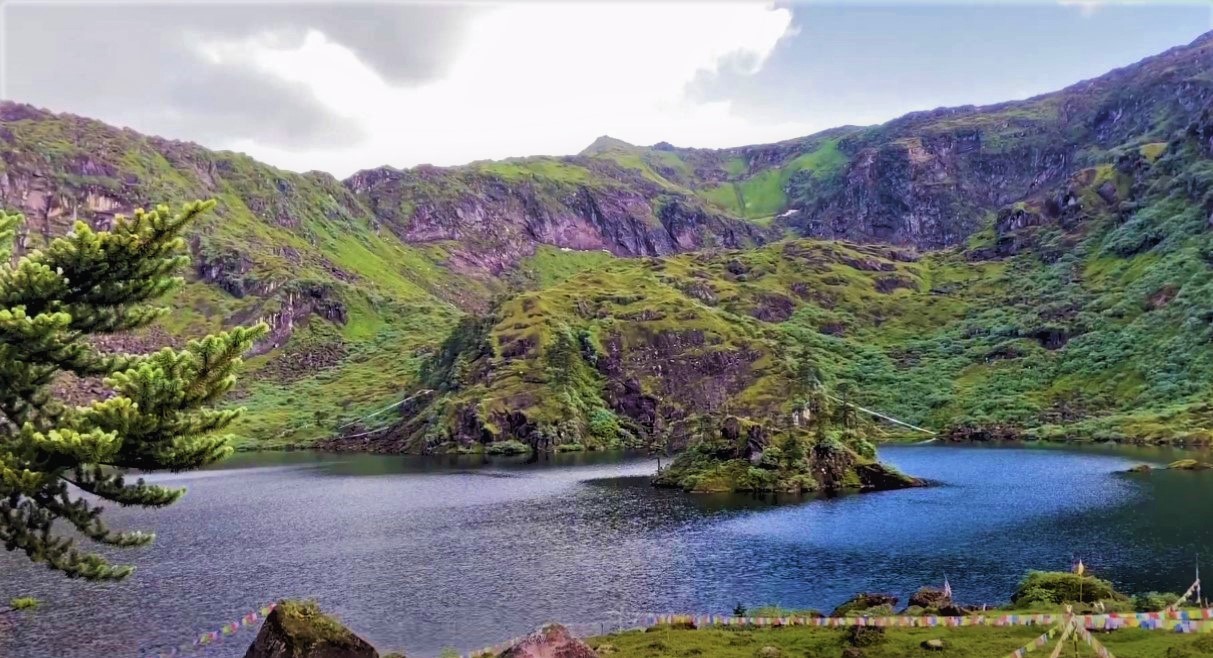
Beyond the point where the Siang River, having carved its way through the Himalayas, begins its journey into the plains, lies Yingkiong, the administrative heart of Upper Siang. This district in Arunachal Pradesh is characterised by a landscape of deep river valleys and high ridges, largely inhabited by various sub-groups of the Adi people. Life here is deeply connected to the land and the river, reflecting centuries of adaptation to a rugged, yet incredibly fertile and biodiverse environment. The region remains relatively untouched by mass tourism, offering a glimpse into traditional ways of life where community structures and indigenous customs prevail.
History & Context
Upper Siang district was carved out of East Siang district on December 18, 1999, specifically to facilitate more localized administration and development for its remote communities. The region’s history is intertwined with that of the larger Adi community, who have inhabited these lands for generations. Their traditions, oral histories, and social structures reflect a long-standing self-sufficiency and a close relationship with the natural world. The Siang River, or Tsangpo as it is known upstream in Tibet, has been a lifeblood, influencing trade routes, agriculture, and cultural practices. Historically, the Adi tribes managed their affairs through indigenous councils like the Kebang, a system of village governance that continues to hold significance in local decision-making and justice.
What Makes It Distinctive
What truly sets Upper Siang apart is the resilience and distinct cultural practices of the Adi people, particularly their weaving traditions and the centrality of the Kebang system. Adi women are renowned for their intricate handloom textiles, often woven with vibrant geometric patterns and motifs that carry symbolic meaning, passed down through generations. These textiles, made from locally sourced cotton and sometimes nettle fibres, are not merely garments but are integral to social status, ceremonial attire, and as indicators of clan identity. A unique aspect is the Minyong subtribe's Ponung dance, a community ritual performed during festivals, characterised by its rhythmic movements and the accompanying songs that recount tribal history and mythology, often led by a Miri (minstrel). Unlike more tourist-facing cultural performances, the Ponung in Upper Siang villages retains an authentic, community-focused purpose. Another distinctive element is the practice of building traditional suspension bridges (julkos) across the Siang and its tributaries, often from bamboo and cane, showcasing ingenious local engineering adapted to the challenging terrain.
Best Time to Visit
The most favourable time to visit Upper Siang is from October to March. During these months, the weather is cool and dry, with clear skies providing expansive views of the Siang valley and surrounding mountains. This period avoids the heavy rainfall of the monsoon season (May to September), which can lead to landslides and make travel difficult. The winter months (December to February) can be quite cold, especially at higher altitudes, but clear days are common. Many local festivals, such as Solung (around September-October) and Etor (February-March), may also fall around the edges of this period, offering cultural insights, though precise dates vary annually based on the agricultural calendar.
How to Reach
Upper Siang is accessible primarily by road. The nearest major airport is Lilabari Airport (IXI) in Assam, approximately 200 km from Yingkiong. Dibrugarh Airport (DIB) in Assam is another option, roughly 250 km away. From either airport, one would need to hire a taxi or take a local bus. The nearest major railhead is Murkongselek in Assam, about 150 km from Yingkiong. From Murkongselek, shared taxis and state transport buses are available. The drive from Guwahati to Yingkiong is approximately 600 km and can take 16-18 hours, often requiring an overnight stop. From Dibrugarh or Lilabari, the journey to Yingkiong takes around 6-8 hours by road. The road conditions can be challenging, especially during the monsoon season.
Permits & Entry
An Inner Line Permit (ILP) is mandatory for Indian citizens from outside Arunachal Pradesh to enter the state. These can be obtained online from the Arunachal Pradesh government website or in person from Resident Commissioners in major cities like Delhi, Kolkata, Guwahati, and Shillong. Foreign nationals require a Protected Area Permit (PAP). PAPs can be obtained through registered tour operators or directly from the Ministry of Home Affairs, Government of India. It is advisable to obtain permits well in advance of travel. Entry points into Arunachal Pradesh are typically checked, and valid permits are required. Information on processing fees and timings is not officially published and visitors are advised to confirm locally before travelling.
Nearby Attractions
- Mouling National Park: A biodiversity hotspot known for its rich flora and fauna, including the Takin and Red Panda. Access is typically from Jengging.
- Komsing Bridge Point: The site where the Siang River enters India, offering panoramic views of the river and a significant suspension bridge.
- Pangin: The confluence of the Siang and Siyom rivers, an important geographical landmark and a scenic spot.
- Yingkiong: The district headquarters, a small town providing basic amenities and a base for exploring the surrounding areas.
- Geku: A small town situated on the banks of the Siyom River, offering natural beauty and a glimpse into local life.
Traveller Tips
- Connectivity: Mobile network coverage is sparse and often unreliable, particularly outside Yingkiong. BSNL tends to have the widest, albeit weak, coverage.
- ATMs: Yingkiong has limited ATM facilities. It is highly recommended to carry sufficient cash for your journey.
- Dress Code: While there isn't a strict dress code per se, modest clothing is appreciated, especially when visiting villages or participating in local events.
- Ethical Photography: Always ask for permission before photographing people, especially older individuals or during ceremonies. Respect their decision if they decline.
- Accommodation: Options are basic, primarily consisting of guesthouses or homestays in Yingkiong and some villages. Book well in advance.
- Road Conditions: Roads can be rough and prone to landslides during the monsoon. Factor in extra travel time and be prepared for delays.
- Local Transport: Shared taxis and private hires are the main modes of transport between towns and villages. Public bus services are infrequent.
- Language: While Hindi is understood by many, learning a few basic phrases in Adi (e.g., “Minam” for hello) can facilitate interactions and show respect for local culture.
Frequently asked
Related
Plan Your Journey with Living Roots Expeditions
Travel Northeast India with a private guide, hand-picked hosts, and an itinerary shaped around your interests — culture, wildlife, festivals, or slow discovery. If this subject is why you are travelling, see our Northeast India tour packages.