Murlen National Park
Known as the 'Land of the Dead', this dense forest in Mizoram's Champhai district is one of India's most atmospheric and biologically significant protected areas.
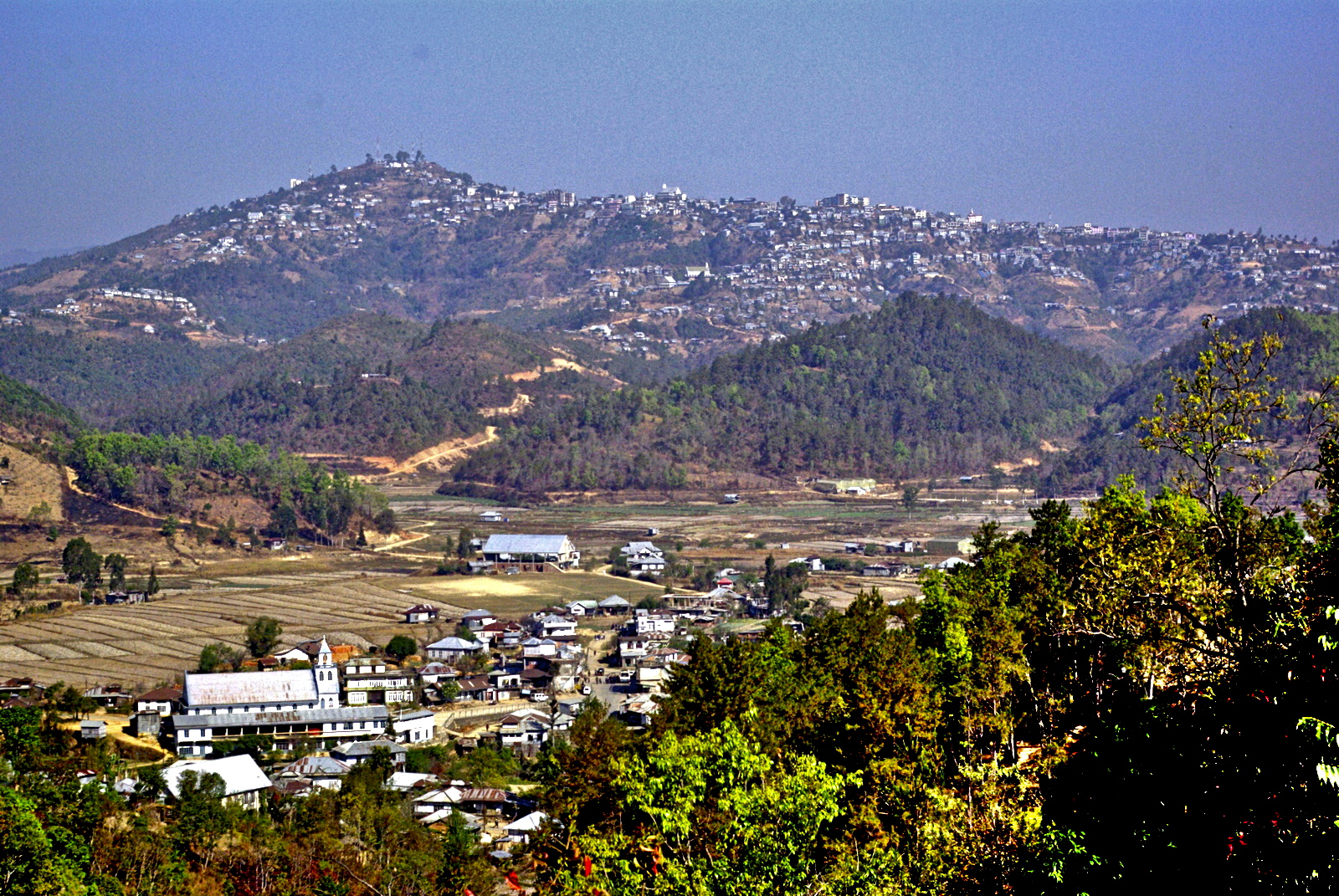
Sunlight struggles to find the forest floor here. In some parts, the canopy is so thick that local folklore claims only 1% of the sun's rays ever touch the ground. This isn't just a forest; it's a place of legend, known as the 'Land of the Dead'—a forbidding, primal landscape that was once believed to be a point of no return. This is Murlen National Park, a compact but profoundly wild territory on Mizoram's eastern frontier with Myanmar.
History & Context
The park was officially declared a National Park in 1991, safeguarding 100 square kilometres of sub-montane and semi-evergreen forest. Its establishment was a critical move to protect the unique biodiversity of the Mizo Hills, which form part of the Indo-Burma biodiversity hotspot. The park's name and its associated folklore are deeply tied to the Mizo community and the surrounding villages, particularly Vaphai, which serves as a primary gateway. These stories speak of a forest so dense and disorienting that those who entered could never find their way out, their spirits remaining within its confines.
What Makes It Distinctive
Beyond the powerful folklore, the park's defining feature is its extreme forest density. It's often compared to the Amazon rainforest for its multi-layered canopy, which creates a perpetually twilight world beneath. This unique ecosystem supports a remarkable array of life, much of it shy and elusive. Murlen is a critical habitat for the state bird of Mizoram, the impossibly beautiful Hume's Pheasant. While sightings are rare and require immense patience, its presence speaks to the park's ecological health. Other significant fauna include the Himalayan Black Bear, Serow, Goral, Malayan Giant Squirrel, and a rich diversity of primates and birds. The park isn't a place for casual safari-style viewing; its distinction lies in the immersive experience of trekking through a truly ancient and undisturbed environment, where the atmosphere itself is the main attraction.
Best Time to Visit
The park is best visited during the dry, cooler months from late October to March. During this period, the weather is pleasant for trekking, and the forest paths are accessible.
- October - November: The post-monsoon period leaves the forest lush and green. The air is clear, and temperatures are moderate.
- December - February: These are the coldest months, especially in the higher elevations. Mornings and evenings can be quite chilly. This is often considered the best time for birdwatching.
- March - April: Temperatures begin to rise, and the forest becomes drier. This is the last window before the heat and subsequent monsoon rains make access difficult. The monsoon season, from May to September, brings heavy rainfall, making the trails slippery and dangerous. The park is generally inaccessible to tourists during these months.
How to Reach
Murlen National Park is remote, and reaching it is part of the journey.
- By Air: The nearest airport is Lengpui Airport (AJL) in Aizawl, approximately 245 km away. From Aizawl, you must travel by road.
- By Rail: The nearest functional railway station is Bairabi in Mizoram, but Silchar in Assam (approx. 425 km away) offers better connectivity to the rest of India. From either station, one must hire a taxi or take a shared vehicle to Aizawl and then onward to Champhai.
- By Road: From Aizawl, it's a 7-8 hour drive to Champhai, the district headquarters. From Champhai, Murlen is another 40-50 km, taking about 2-3 hours on local roads. It is highly recommended to hire a 4WD vehicle and a local driver from Aizawl or Champhai.
Permits & Entry
- Inner Line Permit (ILP): All domestic tourists from outside Mizoram must obtain an Inner Line Permit. This can be applied for online or at Mizoram House in major cities like Delhi, Kolkata, Guwahati, and Silchar, or upon arrival at Lengpui Airport.
- Protected Area Permit (PAP): All foreign nationals require a PAP. This is typically arranged through a recognized local tour operator.
- Park Entry: Entry formalities are completed at the Forest Department office near the park entrance. Hiring a local guide is mandatory for entering the park. Information is not officially published or may change. Visitors are advised to confirm locally before travelling.
Nearby Attractions
- Champhai: The bustling border town offers views of the surrounding hills and plains of Myanmar, as well as local vineyards that produce Mizoram's grape wine.
- Rih Dil: A legendary heart-shaped lake located just across the border in Myanmar. Mizos believe it to be the passage of souls to the afterlife. A day trip can be arranged from the Zokhawthar-Rikhawdar border crossing near Champhai.
- Hnahlan: Known as the 'Grape Growing Capital of Mizoram', this town near Champhai offers another look at local viticulture.
- Vaphai Village: The primary gateway village to the park, offering an opportunity to experience rural Mizo life and hospitality.
Traveller Tips
- Carry enough cash. There are very few ATMs outside of Champhai, and they are often unreliable. Digital payments are not an option in the villages.
- Expect no mobile connectivity inside the park and in the immediate vicinity. Inform your family of your itinerary beforehand.
- Book your vehicle and a certified local guide well in advance, especially during peak season. A guide is essential for navigation and safety.
- Pack light, but include layers. A warm jacket for the evenings and rain gear (even in the dry season) is wise.
- Sturdy, waterproof trekking shoes with good grip are non-negotiable.
- Be respectful of local beliefs and customs, especially those related to the forest. Do not venture off the trails.
- Wildlife sightings are a matter of luck and patience. Appreciate the forest for its atmosphere, flora, and sounds, not just its large mammals.
- Learn a few basic Mizo phrases like "Chibai" (Hello) and "Ka lawm e" (Thank you).
Frequently asked
Related
Plan Your Journey with Living Roots Expeditions
Travel Northeast India with a private guide, hand-picked hosts, and an itinerary shaped around your interests — culture, wildlife, festivals, or slow discovery. If this subject is why you are travelling, see private wildlife and birding journeys.