Phawngpui
Mizoram's 'Blue Mountain' and Avian Haven
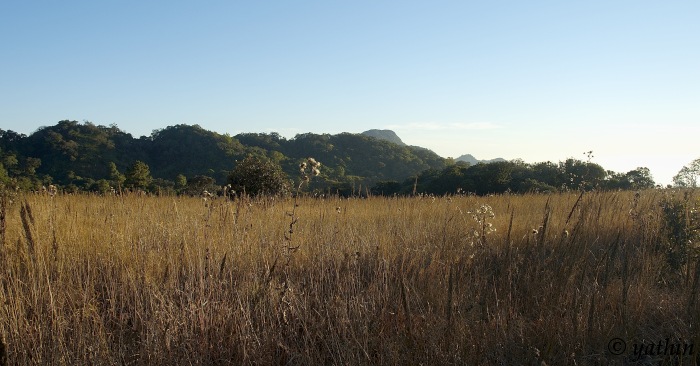
The terrain around Phawngpui, Mizoram's highest peak, rises dramatically from the surrounding plains, cloaked in a verdant tapestry of evergreen and semi-evergreen forests. Rising to an elevation of approximately 2,157 metres, this 'Blue Mountain' is not just a geographical landmark but also a significant ecological zone, integral to the biodiversity of the Indo-Myanmar border region. The mountain derives its local moniker, 'Phawngpui' or 'Blue Mountain', from the often-bluish haze that envelops its slopes, especially during the colder months, creating a mystical aura.
History & Context
Phawngpui was designated as a National Park in 1992, spanning an area of about 50 square kilometres. Its establishment aimed to protect the critical biodiversity of one of Mizoram's most pristine natural areas. The area holds cultural significance for the Mizo people, particularly the Kuki-Chin tribes, who historically revered the mountain as sacred. Local folklore often associates the peak with spiritual beings and myths, contributing to its protected status even before formal conservation efforts. The park's management balances ecological preservation with local community involvement, particularly concerning sustainable resource use and eco-tourism initiatives.
What Makes It Distinctive
Phawngpui stands out for its high-altitude grasslands interspersed with dense bamboo groves and broadleaf forests, creating varied habitats supporting a rich array of bird species. Ornithologists frequently record species here that are rare or endemic to the region, such as the Dark-rumped Synthesizer (Stachyridopsis chrysaea), Blyth's Tragopan (Tragopan blythii), and the Large-billed Leaf Warbler (Phylloscopus magnirostris). The mountain itself forms steep precipices and cliffs, providing nesting sites for various raptors. The unique orchid diversity, including several epiphytic and terrestrial species, also contributes to its ecological distinctiveness. The mountain's summit offers expansive, unobstructed views of the surrounding hills of Mizoram and into neighbouring Myanmar and Bangladesh on clear days. A circular trek around the peak reveals these diverse habitats, from the rhododendron-clad slopes to the deep valleys.
Best Time to Visit
The most opportune period for visiting Phawngpui National Park, particularly for birding, is from November to March. During these months, the weather is consistently dry and cool, with lower humidity, making trekking comfortable. Visibility for birdwatching is optimal, and many migratory species are present. Temperatures range from 10°C to 20°C, with nights being cooler. April and May can also be visited, but temperatures rise, and the pre-monsoon showers begin, which can make trails slippery. The monsoon season, from June to October, is generally avoided due to heavy rainfall, leeches, and difficult trekking conditions, though the landscape is particularly lush during this period.
How to Reach
The nearest major airport to Phawngpui is Lengpui Airport (AJL) near Aizawl, approximately 300 km away. From Aizawl, one can hire a private taxi or take a shared sumo/bus towards Lawngtlai. Lawngtlai town is the district headquarters, roughly 100 km from the national park. From Lawngtlai, a further journey by hired vehicle of about 4-5 hours is required to reach the base villages bordering the park, such as Phawngpui village or Sangau. The roads, particularly the final stretch, can be challenging and are best navigated with robust vehicles. The nearest significant railhead is Silchar in Assam, about 450 km from Lawngtlai.
Permits & Entry
All non-residents of Mizoram, including Indian citizens from other states, require an Inner Line Permit (ILP) to enter the state. This can be obtained online through the Mizoram government portal or upon arrival at major entry points like Lengpui Airport or Vairengte. Foreign nationals require a Protected Area Permit (PAP). This permit must be obtained in advance through the Ministry of Home Affairs or from authorized Indian missions abroad. Entry fees for Phawngpui National Park are minimal, but specific amounts are not officially published and may vary. Visitors are advised to confirm locally before travelling. The park is generally open during daylight hours, but specific timings are not officially published. Visitors are advised to confirm locally before travelling.
Nearby Attractions
- Vantawng Falls: Located near Thenzawl, one of Mizoram's highest and most majestic waterfalls.
- Dampa Tiger Reserve: A significant wildlife sanctuary known for its rich biodiversity and tiger conservation efforts.
- Murlen National Park: Another crucial protected area in Mizoram, sharing habitat characteristics and conservation goals.
- Lawngtlai Town: The district headquarters, offering basic amenities and acting as a transit point for the region.
- Saiha District: South of Lawngtlai, known for its unique culture and proximity to Palak Dil, Mizoram's largest natural lake.
Traveller Tips
- Connectivity: Mobile network coverage is sparse and unreliable within and around the national park; inform family/friends of your itinerary.
- Cash: Carry ample cash as ATMs are scarce beyond Lawngtlai, and digital payment options are limited.
- Footwear: Sturdy, waterproof trekking boots with good ankle support are essential for navigating uneven and potentially slippery trails.
- Guides: While not mandatory, hiring a local guide from Sangau or Phawngpui village is highly recommended for navigation, bird spotting, and cultural insights.
- Accommodation: Basic guesthouses or homestays are available in nearby villages like Sangau. Book in advance, especially during peak season.
- Ethical Birding: Maintain a respectful distance from wildlife, avoid disturbing natural habitats, and use binoculars or telephoto lenses for observation rather than approaching too closely.
- Water & Snacks: Carry sufficient water, energy bars, and packed meals, as facilities within the park are non-existent.
- Cultural Sensitivity: Mizo culture is generally conservative; dress modestly, especially when visiting villages, and always ask permission before photographing people.
Frequently asked
Related
Plan Your Journey with Living Roots Expeditions
Travel Northeast India with a private guide, hand-picked hosts, and an itinerary shaped around your interests — culture, wildlife, festivals, or slow discovery. If this subject is why you are travelling, see private wildlife and birding journeys.