Dibang Valley district
High-Altitude Frontier of Arunachal Pradesh
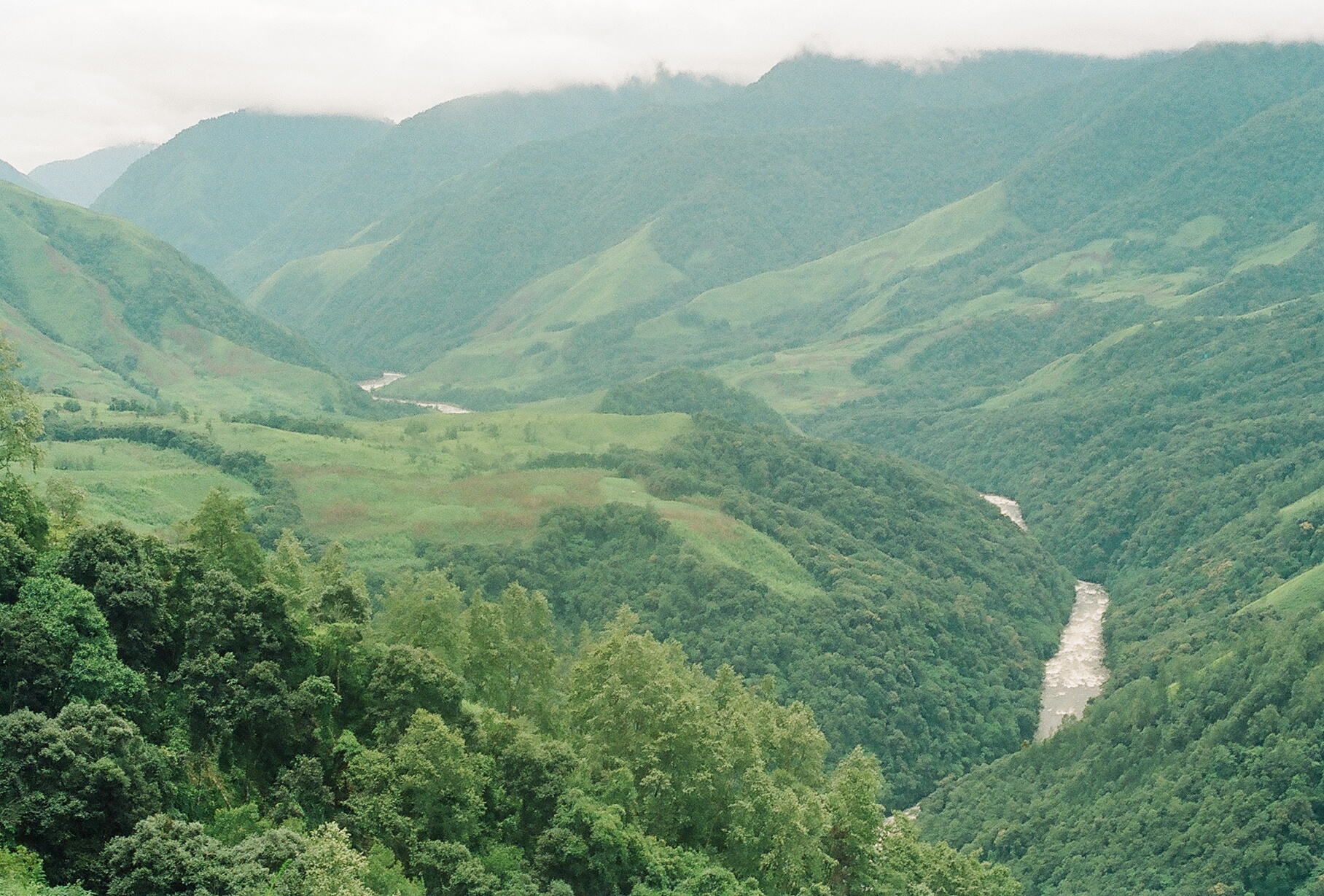
At the furthest reaches of Arunachal Pradesh, where the Dibang River carves its path through challenging terrain, lies a district defined by its remote grandeur. Towering peaks, dense subtropical and alpine forests, and the formidable river itself shape an environment that has long protected the unique culture of its primary inhabitants, the Idu Mishmi people.
History & Context
Dibang Valley, named after the eponymous river, was established as a district in 1980. Its vast expanse and strategic location along the international border led to its bifurcation in 2001, resulting in the creation of Lower Dibang Valley district to the south. The current Dibang Valley district retains the northern, higher-altitude portions, making it one of the least populated and most isolated administrative regions in India. Anini serves as its district headquarters, a small settlement clinging to the hillsides. The history here is intrinsically linked to the Idu Mishmi, whose migratory patterns and trade routes have shaped human interaction with this landscape for centuries, long before modern administrative boundaries were drawn. The formidable geography has historically limited extensive external influence, preserving distinct cultural traditions.
What Makes It Distinctive
The Idu Mishmi people are the soul of Dibang Valley. Their distinct traditional attire, especially the intricately woven jackets and bags, is a visible marker of their identity. More profoundly, their cultural practices, particularly their shamanistic rituals involving elaborate animal sacrifices and invocations of spirits, offer a profound insight into a worldview deeply connected to nature. The 'Reh' festival, celebrated by the Idu Mishmis, is a multi-day affair of feasting, dancing, and shamanic rites, primarily a propitiation to the divine for the welfare of the community and a good harvest. Observing parts of this festival, if timed correctly, reveals a depth of tradition rarely seen elsewhere. Another distinctive aspect is the region's biodiversity, particularly the Mishmi Takin and various rare pheasants, making it a critical zone for wildlife biologists. The high-altitude forests here are a transitional zone, harboring species found in both the Himalayan foothills and the broader Indo-Burma biodiversity hotspot.
Best Time to Visit
The optimal time to visit Dibang Valley is during the spring (March to May) and autumn (October to November). In spring, the weather is relatively mild, and the rhododendrons are in bloom, painting the hillsides with vibrant colors. Autumn offers clear skies, excellent visibility of the mountain ranges, and pleasant temperatures before the onset of winter. During these months, road conditions are generally better. Monsoons (June to September) bring heavy rainfall, making travel difficult due to landslides, while winters (December to February) are extremely cold, with heavy snowfall at higher elevations, often leading to road closures and isolation of communities.
How to Reach
The most practical access point is through Dibrugarh, Assam.
- By Air: The nearest operational airport is Dibrugarh Airport (DIB), approximately 250 km from Anini. From Dibrugarh, a taxi or shared vehicle is required.
- By Rail: The nearest prominent railhead is Tinsukia Junction (TSK) in Assam, roughly 230 km from Anini. Direct trains connect Tinsukia to major Indian cities. From Tinsukia, hire a taxi or find a shared vehicle.
- By Road: From Dibrugarh or Tinsukia, the journey to Anini involves driving through rugged terrain. The route typically passes through Roing in Lower Dibang Valley district. The road from Roing to Anini is approximately 230 km and can take 10-12 hours, depending on road conditions. It is advisable to break the journey or ensure vehicles are well-maintained for the challenging journey.
Permits & Entry
For Indian citizens residing outside Arunachal Pradesh, an Inner Line Permit (ILP) is mandatory to enter the state. This can be obtained online through the Arunachal Pradesh government portal or in person from resident commissioner offices in major cities like Kolkata, Guwahati, Shillong, or Tezpur. Foreign nationals require a Protected Area Permit (PAP). PAPs can be obtained through tour operators recognized by the Arunachal Pradesh government or from designated authorities. It is crucial to have these permits arranged well in advance of your travel date, as processing times can vary. Information is not officially published or may change. Visitors are advised to confirm locally before travelling for any specific fees or timings for particular sites.
Nearby Attractions
- Mayudia Pass: A high-altitude pass offering panoramic views and occasional snowfall, especially popular in winter months for its scenic beauty. It is about 56 km from Roing on the way to Anini.
- Mehao Wildlife Sanctuary: Located partly within the district and primarily in Lower Dibang Valley, it is known for its rich biodiversity and dense forests, home to diverse flora and fauna, including red pandas and musk deer. Entrance and timings information for the sanctuary is not officially published or may change. Visitors are advised to confirm locally before travelling.
- Hunli: A small Idu Mishmi tribal village known for its traditional wooden houses and the local craftsmanship of the Idu Mishmi people.
- Anini: The district headquarters itself, offering basic accommodation and a glimpse into the isolated administrative center, surrounded by hills and the Dibang River.
Traveller Tips
- Connectivity: Mobile network coverage is extremely limited and unreliable, primarily restricted to Anini and a few major villages. BSNL might offer patchy service. Do not rely on mobile internet.
- Cash is King: ATMs are scarce, mostly limited to Anini, and often out of cash. Carry sufficient Indian Rupees for your entire trip.
- Dress in Layers: The weather can change rapidly from warm days to cold nights, even in warmer seasons. Pack layers, including warm jackets, waterproof outer shells, and sturdy hiking boots.
- Local Transport: Shared jeeps are the primary mode of transport between villages, often overloaded. Be prepared for long, bumpy rides. Pre-booking private vehicles is advisable for comfort and reliability.
- Respect Culture: The Idu Mishmi people hold strong to their traditions. Always seek permission before taking photographs of people or participating in rituals. Dress modestly.
- Altitude Sickness: Anini is at an elevation of approximately 1,968 meters (6,457 feet). Some areas are higher. Allow time for acclimatization and stay hydrated.
- Limited Facilities: Accommodation outside Anini is basic, often homestays or circuit houses. Food options are simple, typically rice, local vegetables, and meat. Inform hosts of any dietary restrictions in advance.
Frequently asked
Related
Plan Your Journey with Living Roots Expeditions
Travel Northeast India with a private guide, hand-picked hosts, and an itinerary shaped around your interests — culture, wildlife, festivals, or slow discovery. If this subject is why you are travelling, see our Northeast India tour packages.