Galo people
Indigenous Community of Arunachal Pradesh
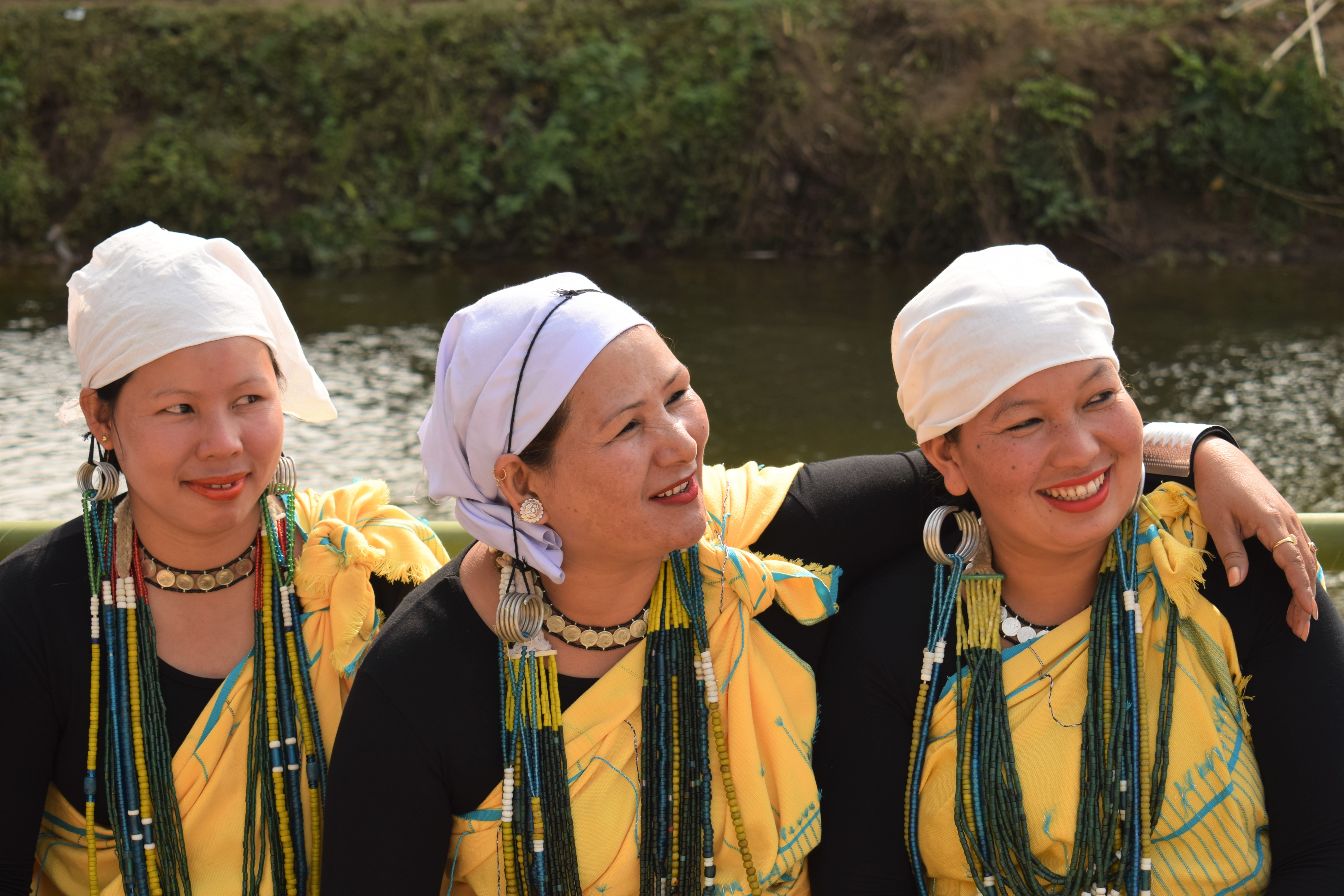
The Galo People
The Galo are one of the prominent indigenous communities inhabiting the Indian state of Arunachal Pradesh, primarily concentrated in the West Siang district. They are often considered part of the larger Tani group, which includes other tribes like the Adi and Apatani, sharing linguistic and cultural similarities. The Galo are known for their rich oral traditions, intricate social structures, and vibrant festivals.
History and Origins
Oral traditions and a significant body of folklore suggest that the Galo, like many other Tani groups, migrated southward from areas believed to be in the northern Himalayas into their current homeland. Their history is intertwined with agricultural practices and a deep reverence for nature. While specific historical dates for their migration are not precisely documented, archaeological and ethnological studies point to a long-standing presence in the region. The Galo maintain an elaborate system of genealogies (Donyi-Polo system) that trace their ancestry, often linking it to mythical figures and natural elements.
Geography and Settlements
The Galo primarily reside in the West Siang district of Arunachal Pradesh, with significant populations also found in parts of the Lower Siang, Upper Subansiri, and Lepa Rada districts. Their villages are typically nestled in the valleys and foothills of the Eastern Himalayas, characterized by dense forests, swift rivers, and hilly terrain. Traditional Galo houses are built on stilts, often constructed from bamboo and timber, reflecting adaptation to the region's climate and topography. These settlements are often centered around a common ceremonial ground or a community hall, reflecting their strong communal living.
Culture and Society
Language
The Galo language belongs to the Tani branch of the Sino-Tibetan language family. It is an oral language with a rich vocabulary and complex grammatical structures. Efforts are being made to document and preserve the language, which is crucial for maintaining their cultural identity.
Religion
The traditional religion of the Galo is Donyi-Poloism, an animistic faith that reveres the Sun (Donyi) and the Moon (Polo) as primary deities and sources of all creation. This spiritual belief system emphasizes harmony with nature, the importance of ancestral spirits, and the performance of rituals and sacrifices to appease various benevolent and malevolent spirits (wyu). Shamans, known as nyibos, play a crucial role in mediating between the human world and the spiritual realm.
Social Structure
Galo society is traditionally patriarchal, with families forming the basic unit. Clans are significant, and marriage within the same clan is generally prohibited. The village council, known as the Kebang, plays a vital role in local governance, dispute resolution, and community decisions. These councils are historically democratic, with elders and respected members of the community making decisions through consensus.
Economy
The primary occupation of the Galo people is agriculture, predominantly jhum (shifting cultivation) and wet rice cultivation. They also practice hunting, fishing, and gathering forest produce. While traditional economic activities remain important, there is a growing engagement with modern education and various other professions.
Festivals
Mopin Festival is the most significant festival of the Galo people, celebrated in the spring season (typically April) to seek prosperity, good harvest, and relief from diseases. It involves elaborate rituals, traditional dances like the Popir dance, feasting, and community gatherings. The festival is a vibrant display of Galo culture and communal spirit.
Handicrafts
The Galo are skilled artisans, known for their weaving, cane, and bamboo crafts. Traditional Galo textiles feature intricate geometric patterns and vibrant colours. Basketry, mats, and other utility items made from bamboo and cane are also integral to their daily life.
Frequently asked
Related
Plan Your Journey with Living Roots Expeditions
Travel Northeast India with a private guide, hand-picked hosts, and an itinerary shaped around your interests — culture, wildlife, festivals, or slow discovery. If this subject is why you are travelling, see our tribal tours of Northeast India.